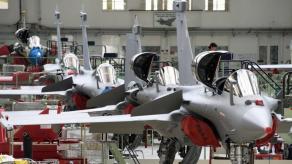



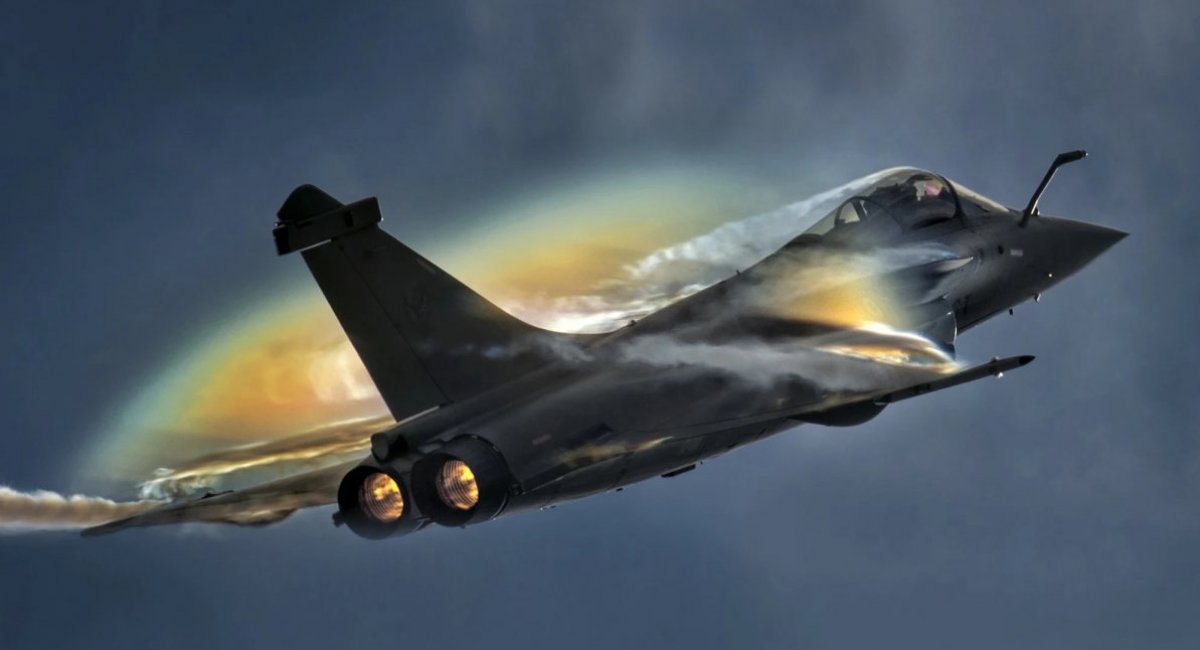
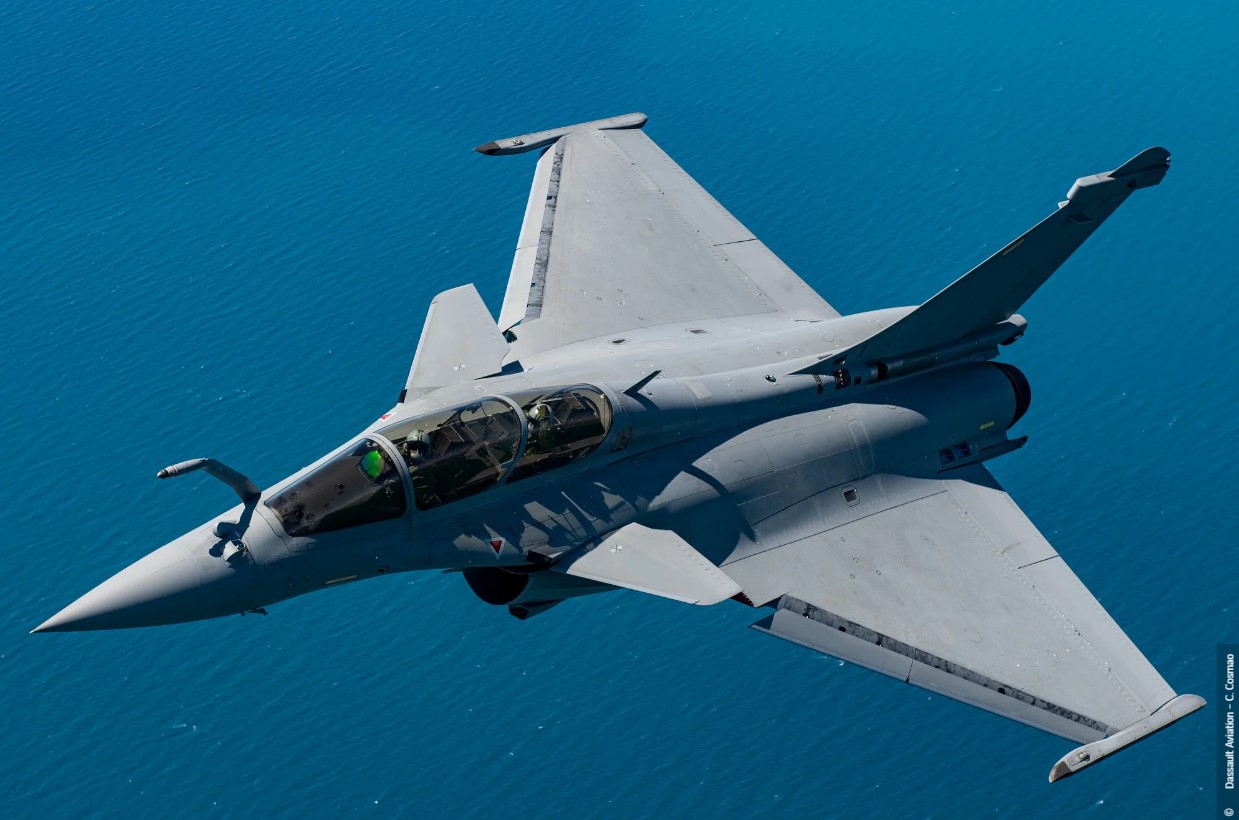
French aerospace group Safran is expanding its production capacity for complex rotating components used in aircraft engines, a move that reflects both rising demand in civil aviation and sustained growth in military aircraft programs. The expansion will support parts for GE90 widebody engine as well as M88 engine that powers Dassault Rafale fighter.
According to Safran, the new production lines will be deployed at its Le Creusot facility in the east of France. At present, the plant specializes in manufacturing low-pressure turbine disks for LEAP and CFM56 engines, which are widely used on Airbus A320 and Boeing 737 family aircraft. The project represents a €70 million investment and is expected to significantly reshape the site's industrial profile.
Read more: AI Chatbots Are Sending Users to russian Propaganda Sites, Research Shows
Safran plans to bring the new manufacturing capacity online by 2029. By 2032, the workforce at Le Creusot is expected to grow by 50 percent, from around 200 employees to roughly 300. This expansion highlights how labor and skills development remain critical factors in scaling high-end aerospace manufacturing.
Importantly, production of complex rotating components for M88 engine will begin as early as this year using existing production lines. Once the new facilities are completed, manufacturing will transition to the expanded capacity. This phased approach allows Safran to start delivering additional components as soon as possible, reducing pressure on the current supply chain.
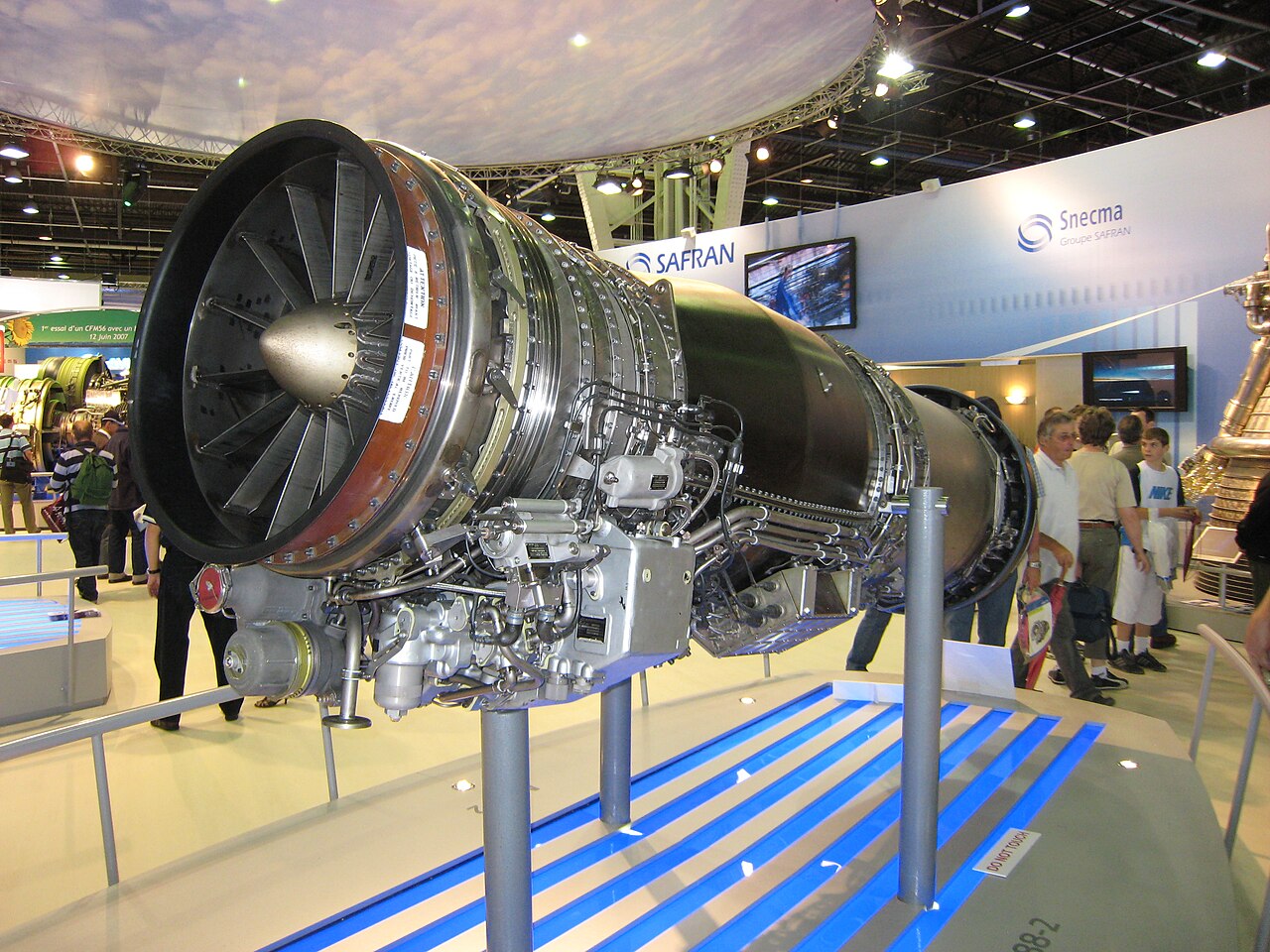
The urgency behind this decision is closely tied to Rafale fighter's strong order book. In recent years, the aircraft has secured multiple export contracts, driving steady demand for M88 engines. As a result, engine manufacturers must scale output in parallel with final aircraft assembly to avoid delays.
Safran's data illustrates this pressure clearly. The Rafale order backlog currently stands at around 220 aircraft, a figure unchanged from 2024. In 2025 alone, 26 fighters were produced and contracts for an additional 26 aircraft were signed, reinforcing expectations that production rates will continue to rise.
The expansion underscores a broader reality of modern weapons manufacturing: scaling final platforms is impossible without parallel investments in the production of complex subsystems and components. Engine parts such as turbine disks represent classic industrial "bottlenecks" that can sharply limit output if not addressed in advance.
At the same time, the issue of materials remains unresolved. High-performance engines depend on advanced alloys and, in some cases, rare earth elements with geographically concentrated supply chains. As a result, even a program as mature as Rafale faces structural dependencies, challenging the notion of complete industrial and strategic autonomy in advanced defense aviation.
Read more: Germany Rejects €600M EW System As Irrelevant After Learning From Ukraine's Drone War