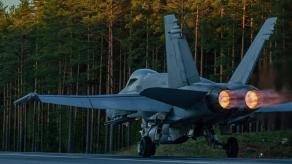



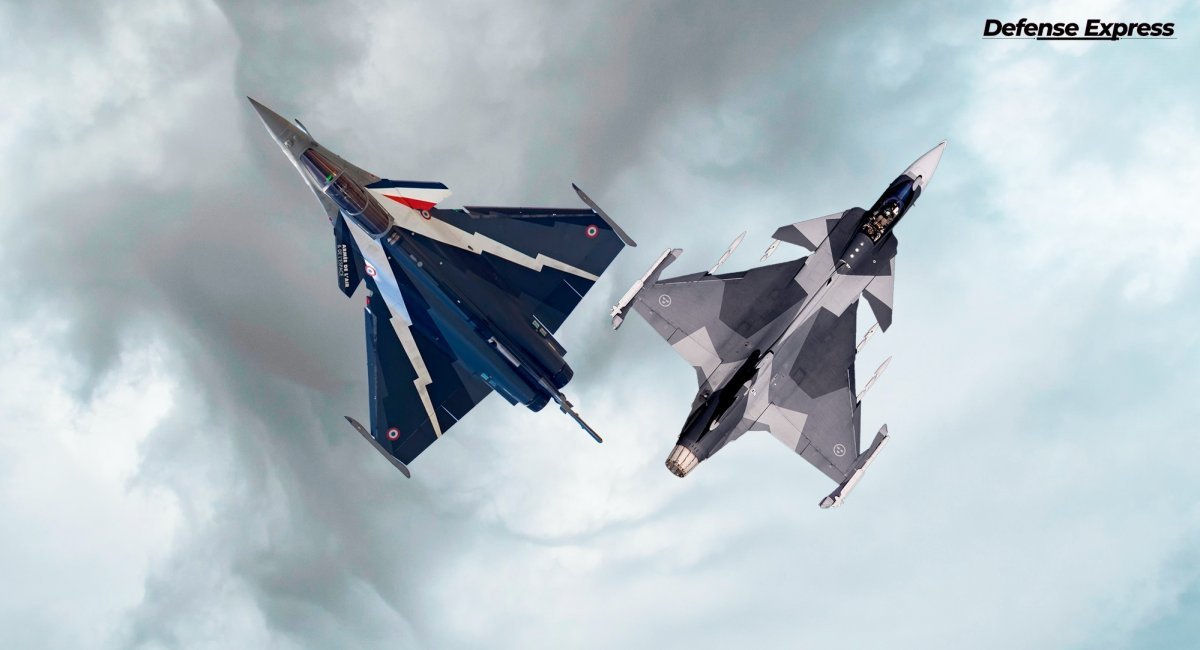
President of Ukraine Volodymyr Zelenskyy has confirmed Ukraine's intention to equip its Air Force with 150 Gripen and 100 Rafale fighters. Although preliminary agreements regarding both aircraft types were announced back in October and November 2025, it has now been definitively clarified that the plan involves acquiring both, not choosing between them.
This clarification is critically important, because globally there are very few countries that can afford the luxury of operating 250 modern fighters of the 4th+ and 5th generations. Depending on the source and methodology, this group includes up to ten countries: the United States, China, russia, India, South Korea, Japan, Pakistan, Türkiye, and Egypt. In Europe, excluding Türkiye, no country currently fields air forces of such scale.
Read more: Saab's Gripen Ambitions Beyond Ukraine, How Realistic Are 300 Potential Fighter Orders
For comparison, France operates around 235 Mirage 2000 and Rafale fighters across its Air and Space Force and Naval Aviation; Germany fields 226 Eurofighter Typhoon and Tornado aircraft; and the United Kingdom operates 159 Eurofighter Typhoon and F-35 fighters.
Of course, by the time Ukraine begins inducting these aircraft into service, the situation will evolve, and fleet sizes in other air forces will change. However, if Ukraine has set the goal of entering, or at least coming very close to, the global top 10 in terms of air power and firmly securing leading positions in Europe, it is essential to understand the price of such an ambition.
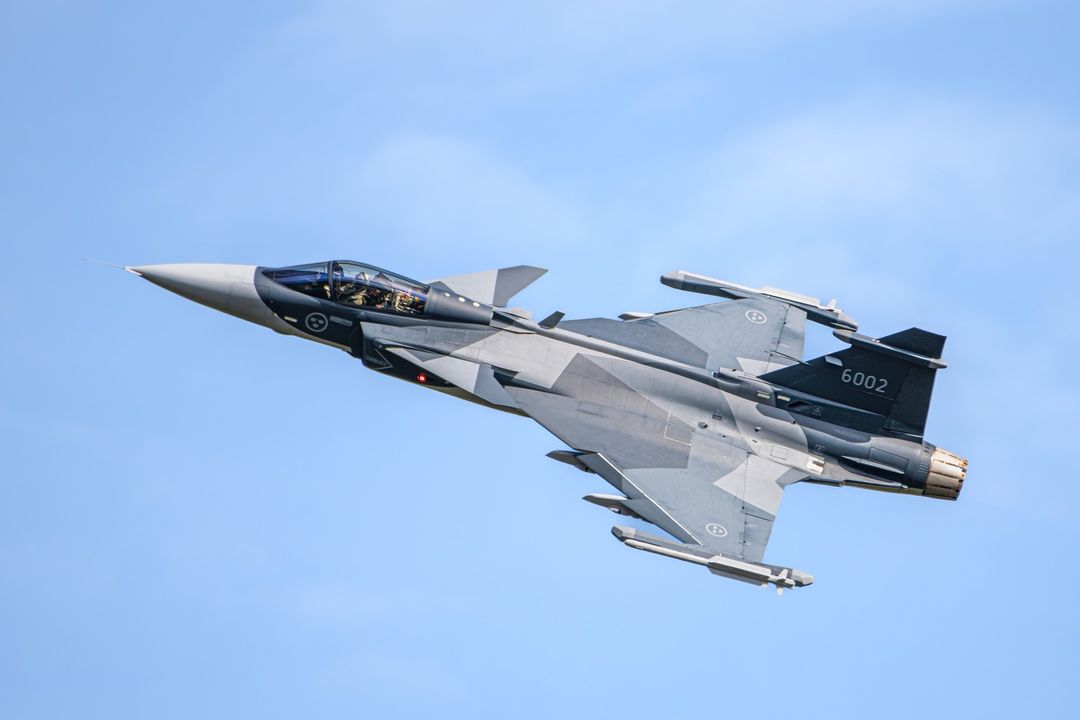
The most recent publicly available price for the Swedish Gripen comes from Colombia, based on a contract disclosed through a state audit. Under a comprehensive 2025 agreement, the price amounted to EUR 184.4 million per JAS 39 Gripen E/F produced by Saab. The contract covers 17 fighters for a total of EUR 3.135 billion and was deemed fully fair and lawful after thorough review. At this price level, 150 Gripens would cost approximately EUR 27.66 billion.
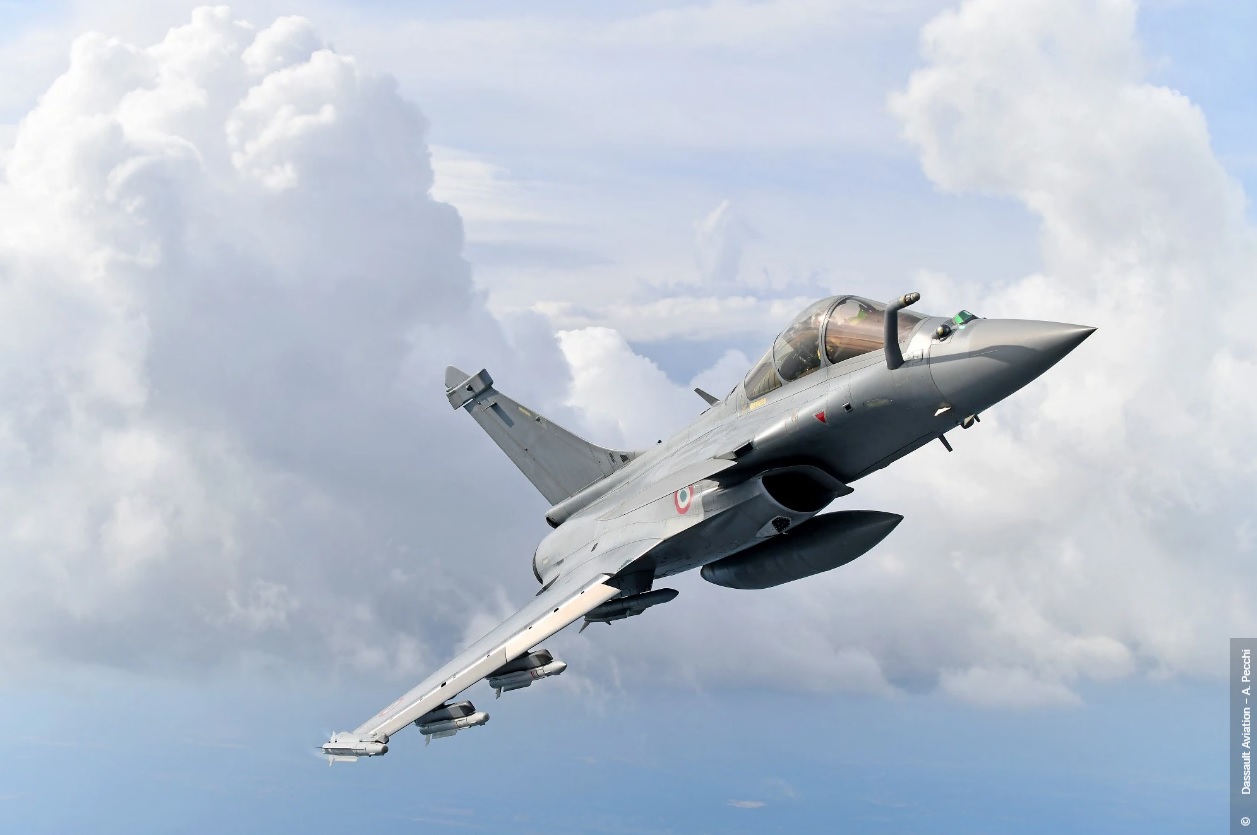
The latest known price for the Rafale is only slightly older. Based on Serbia's 2024 comprehensive contract with Dassault Aviation, the price stood at about EUR 225 million per aircraft for 12 fighters. Accordingly, the acquisition of 100 Rafales would amount to roughly EUR 22.5 billion.
Given the scale of such purchases, the actual unit price could potentially be lower. However, any reduction would most likely be measured in percentage points rather than multiples. Therefore, if the discussion is indeed about 150 Gripens and 100 Rafales, it is reasonable to expect total procurement costs on the order of EUR 50 billion. This is a very rough estimate and does not account for inflation, which, given the long delivery timelines, will inevitably have a significant impact. Delivery schedules span decades.
The reason is straightforward. Saab's current production capacity stands at about 12 fighters per year, with an existing order backlog of around 85 Gripens. At the same time, Saab plans to expand production to up to 36 aircraft per year by leveraging localized manufacturing facilities in other countries.
Dassault, for its part, reported the production of 26 Rafales in 2025, while maintaining a firm order backlog of 220 aircraft. The company also plans to increase output to 36 aircraft per year. Moreover, Rafale is expected to receive a very large order from India, potentially exceeding 100 aircraft, which would further strain Dassault's production lines, even taking into account the start of limited localization of fuselage section assembly at Tata facilities.
However, the purchase of fighters represents only part of the total cost. The main financial burden lies in operating them throughout their entire life cycle, which is typically estimated at 40 years. Defense Express has already conducted indicative calculations in this regard. Operating 100 Rafales over a 40-year life cycle would cost approximately EUR 45 billion, while 150 Gripens would require around EUR 55 billion. In total, this translates into roughly EUR 2.5 billion per year to keep the fleet combat-ready, including ongoing modernization.
It is also important to remember that an air force is not composed of fighters alone. Airborne early warning and control aircraft, aerial refueling tankers, military transport aircraft, and advanced trainer aircraft are also required. Each of these categories entails additional costs measured in billions of euros.
Read more: How Many Gripen E/F Saab Can Actually Produce, What It Means for Ukraine, Why 36 Jets per Year Remains a Stretch