


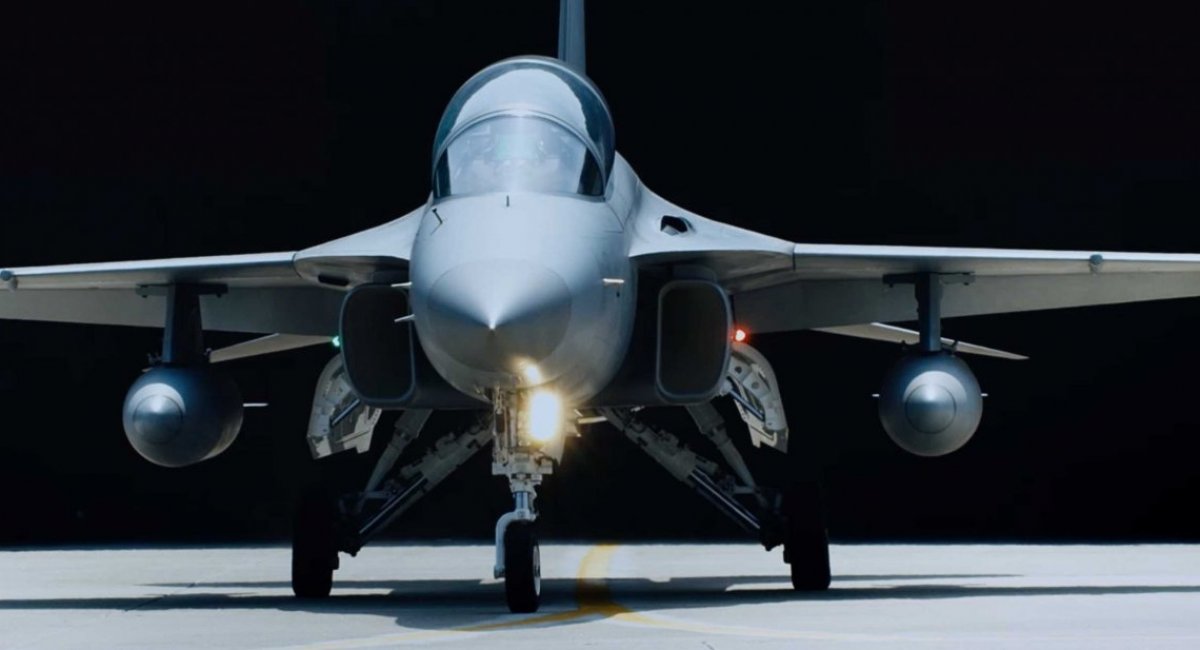
Korean FA-50 light fighter could very well receive Meteor and MICA air-to-air missiles. Integration of these European missiles was not ruled out by Korea Aerospace Industries, as the company informed Defense Express in a comment regarding future FA-50 armament options.
"While integrating the AIM-120 AMRAAM is currently our priority due to strong interest from many countries, we are in the process of addressing several administrative requirements. We are also not ruling out the possibility of integrating alternatives such as the Meteor and MICA," representetive of KAI noted.
Read more: BAE Systems Bofors Expansion Key to Steady Archer, Tridon Mk2, and CV90 Supply for Ukraine
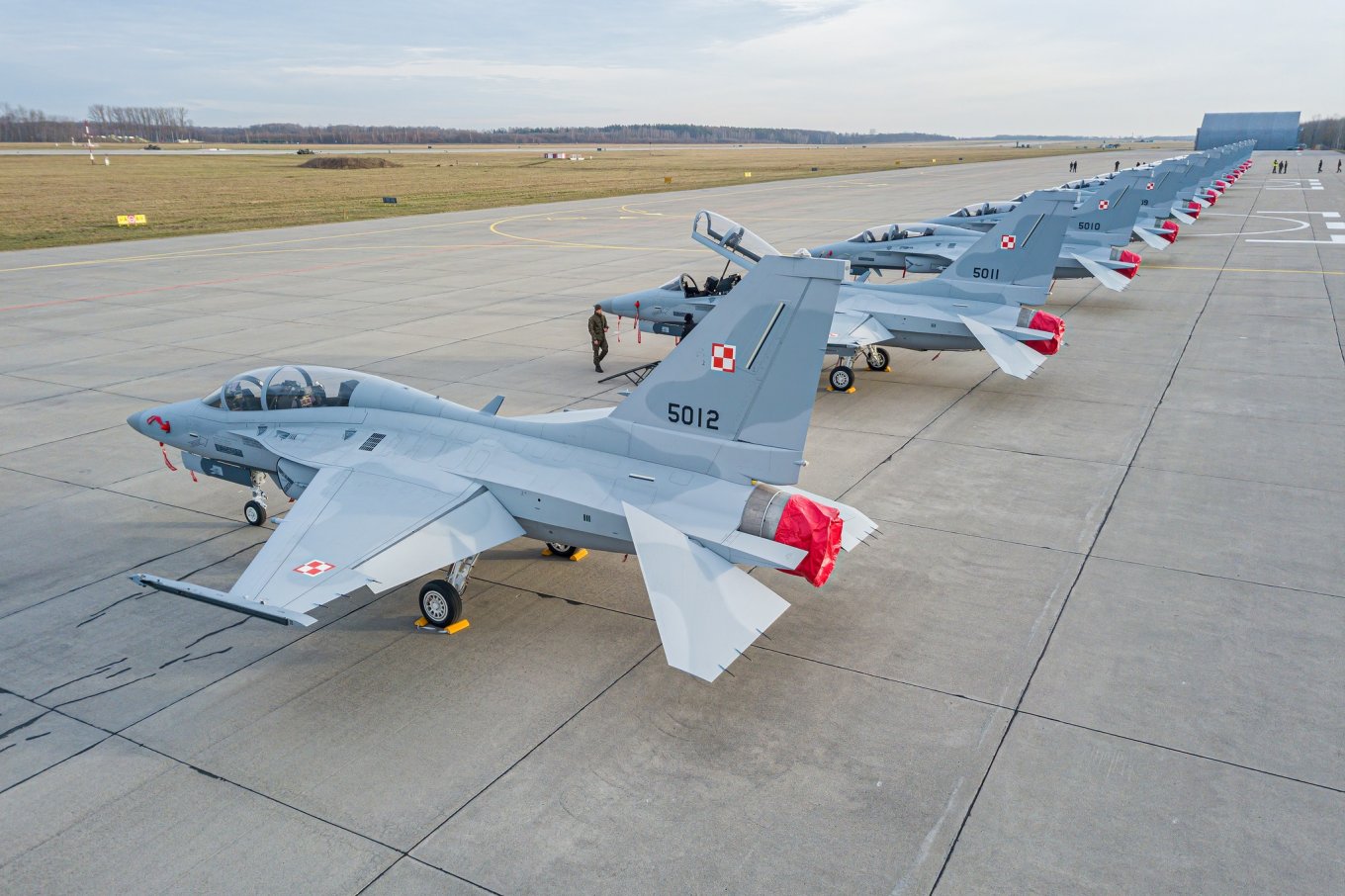
Considering there is a non-zero probability that FA-50 could become a victim of competition from the U.S., the Korean developers' decision is quite expected. The choice specifically of Meteor and MICA from pan-European defense conglomerate MBDA is quite pragmatic and even strategic.
At the same time, the possibility of arming the aircraft specifically with Meteor, which is one of the longest-range Western air combat missiles with a launch range of 200 km, could generate particular interest among all FA-50 operators as well as potential customers. Only recently did it yield to American AIM-174B an air-launched version of SM-6 with an official range of 240 km, which by most assessments is very significantly understated, as we are talking about 400-500 km. But unlike AIM-174B, Meteor has existed on the market for a long time and has been widely exported.
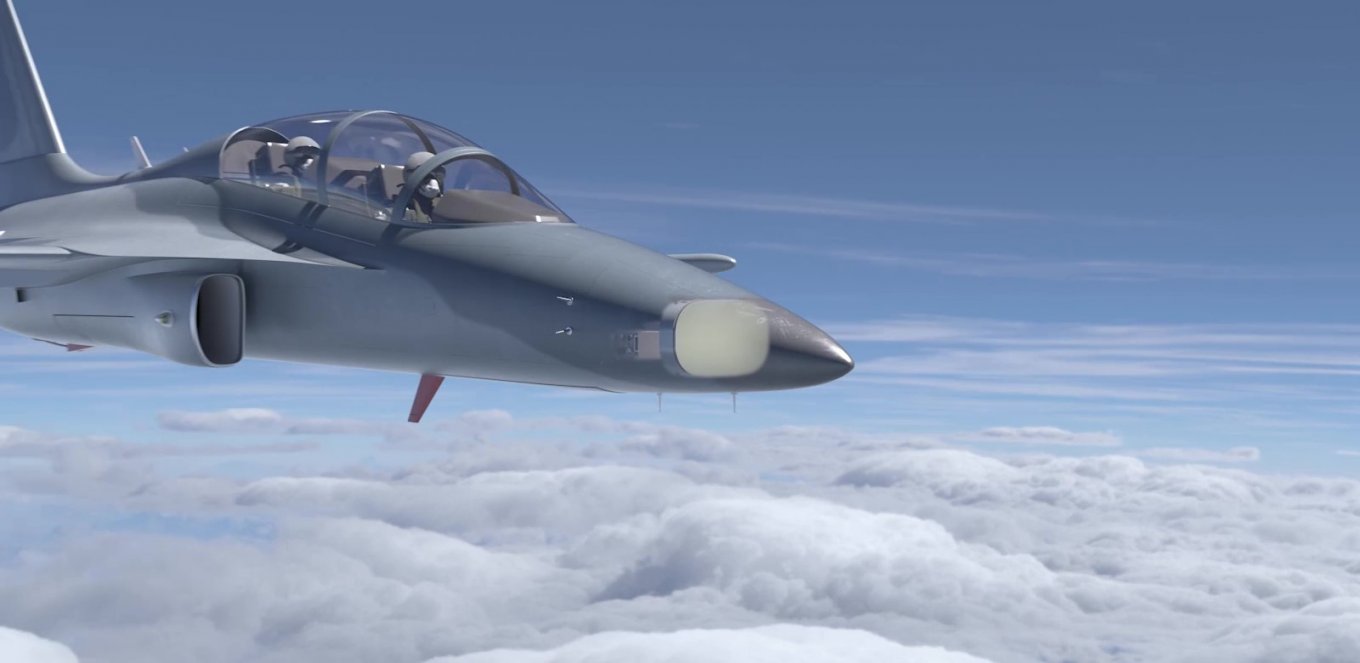
Gaining the ability to launch against air targets at a range of 200 km from the FA-50 light fighter is a quite powerful advantage – but with the understanding that the scenario for its use will hardly rely on the compact PhantomStrike radar from Raytheon on the FA-50 Block 20.
The matter is that under the scenario, FA-50 with Meteor rather transforms into an additional air-to-air missile carrier for a full-fledged fighter, which in coordination with an AWACS aircraft will provide targeting and missile guidance to targets. Such a capability will definitely be desirable for Korean air forces, which are armed with Meteor and have FA-50 in service.
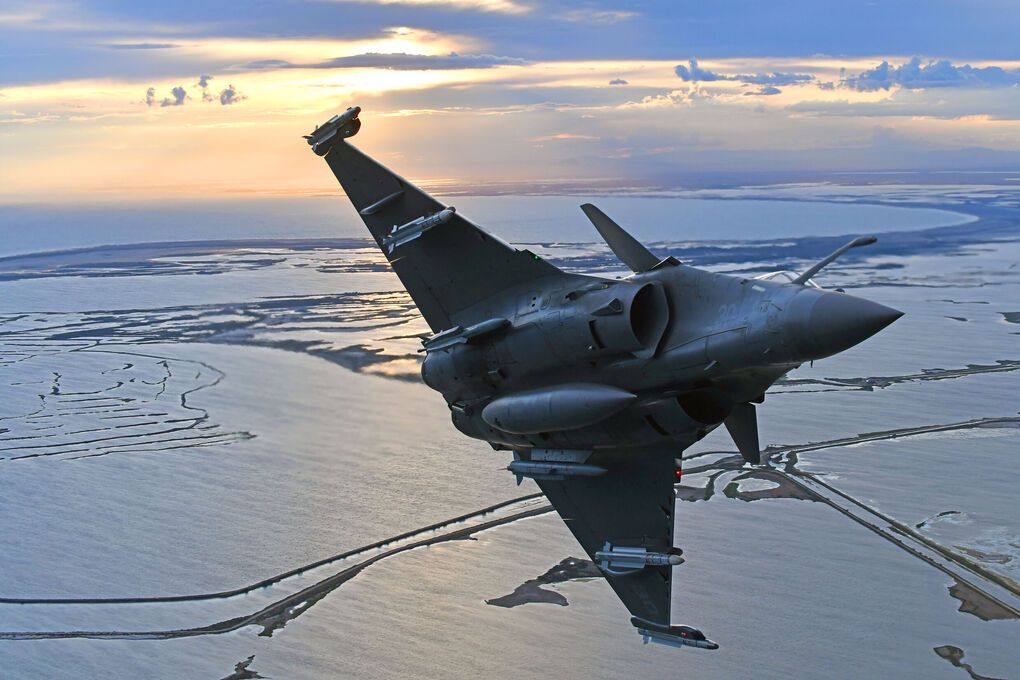
At the same time, the decision to pay attention to MICA will allow closing ranges that will be provided by the effective capabilities of the standard FA-50 radar. Recall that this missile has two variants with an infrared seeker for targets within line of sight and with radar seeker with launch range up to 80 km. At the same time, in the second case, there is an unavoidable need to integrate MICA missile with PhantomStrike radar, which will require participation of MBDA and Raytheon, which may also cause certain administrative complexities.
Ultimately, the choice specifically of Meteor and MICA is even more about strategic choice. It is dictated not only by technical capabilities. With these missiles, FA-50 will be significantly more effective to offer to countries that already operate or order Eurofighter Typhoon, Gripen, and especially Rafale, which is making significant progress in Asian market wich is rather important for Korea. Another thing would be important for KAI too – promoting FA-50 in the European market with European missiles is now much better and efficient than with American ones.
Read more: India Nears $40 Billion Arms Deal Including 114 Rafale Jets — More Than Ukraine Plans to Buy