


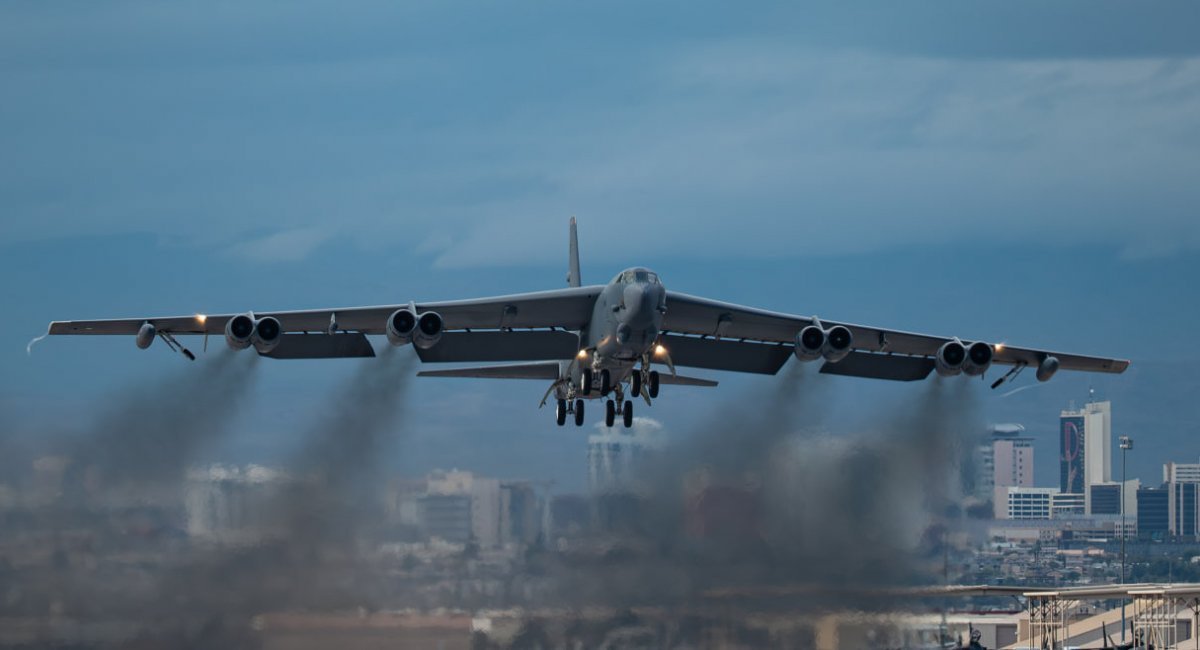
The United States has encountered a rather unusual problem: a shortage of B-52 Stratofortress strategic bombers. This situation could complicate plans to modernize the aircraft and keep them in service into the 2050s.
According to reporting by The War Zone (TWZ), the concern stems largely from the need to keep part of the fleet assigned to nuclear deterrence missions. At the same time, the bomber force has maintained a readiness rate of only about 50–55 percent in recent years while also supporting various global operations.
Read more: From Billion-Dollar Jets to Instant Tragedy: Friendly Fire Lessons Ukraine Must Learn
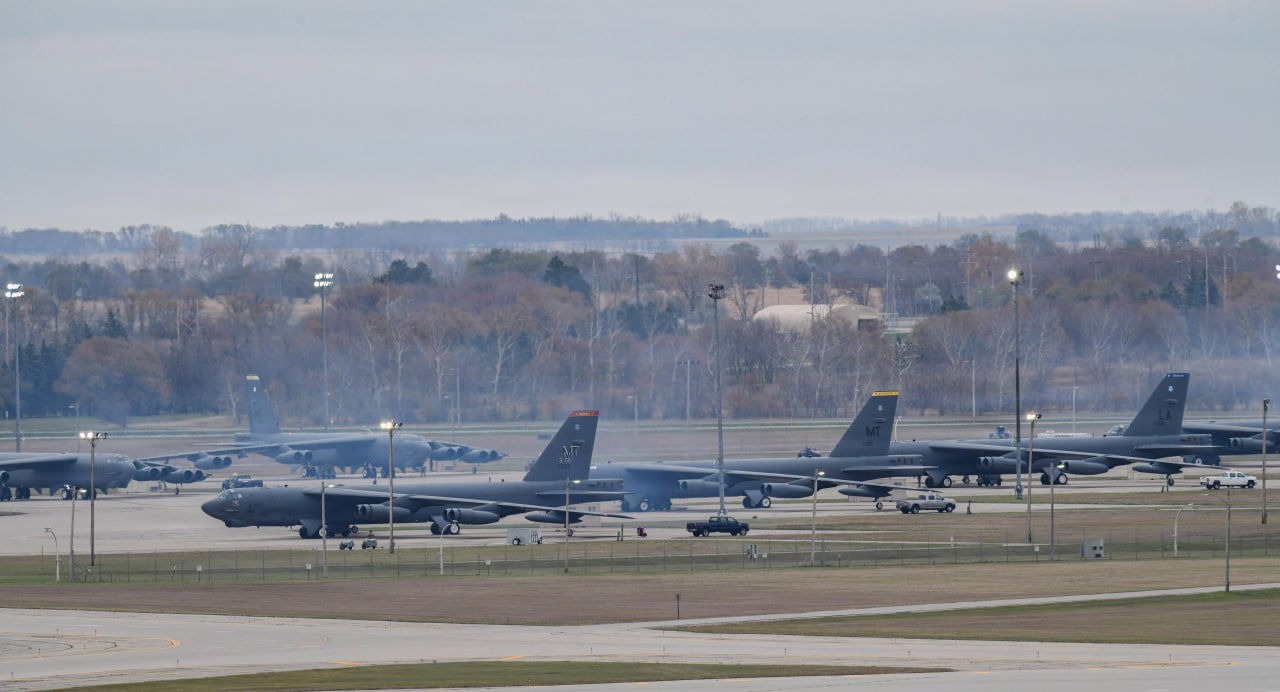
Moreover, under arms control agreements with russia that have recently ceased to function, only part of the B-52H fleet was allowed to carry nuclear weapons: 46 out of 72 aircraft. In theory, that capability could now be restored to additional bombers, but no decision has yet been made.
Another option to increase the available fleet would be to return aircraft from long-term storage. However, representatives of the U.S. Air Force note that even the reserve inventory is limited.
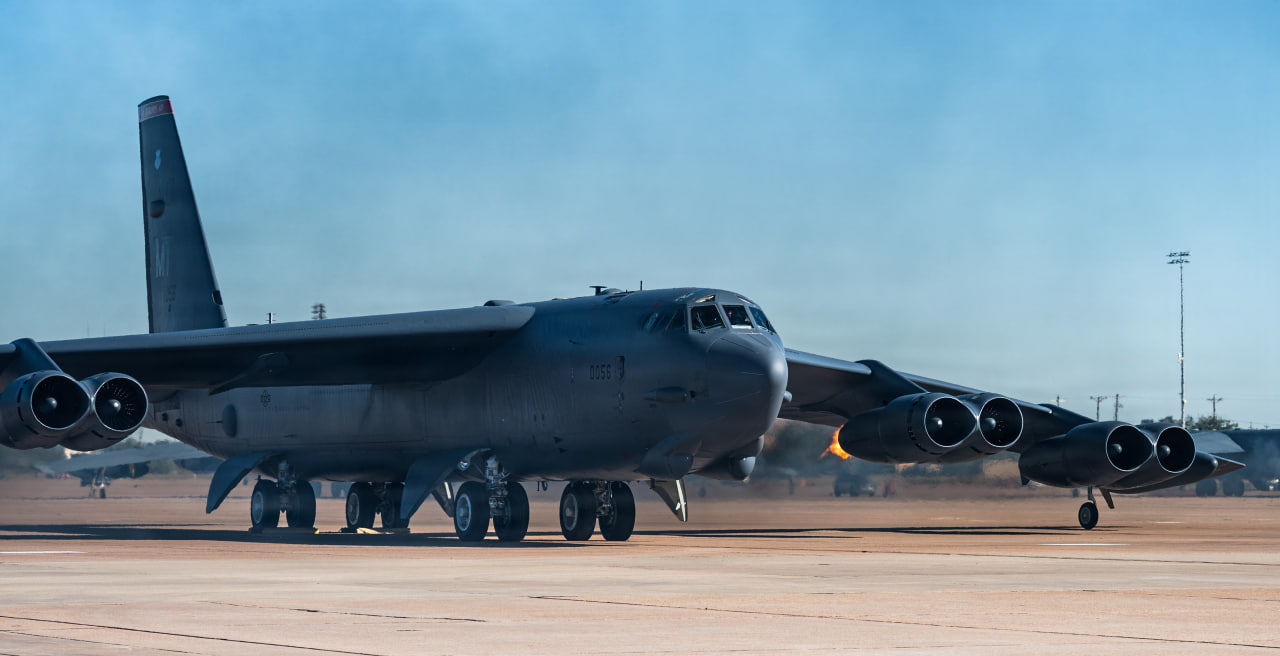
From the perspective of Defense Express, this creates an interesting dilemma. A significant portion of the strategic bomber fleet must remain on nuclear alert. As a result, every aircraft sent for modernization reduces the number of bombers available for operational missions. Combined with the need to support conventional operations around the world, this creates a potential shortage of available aircraft.
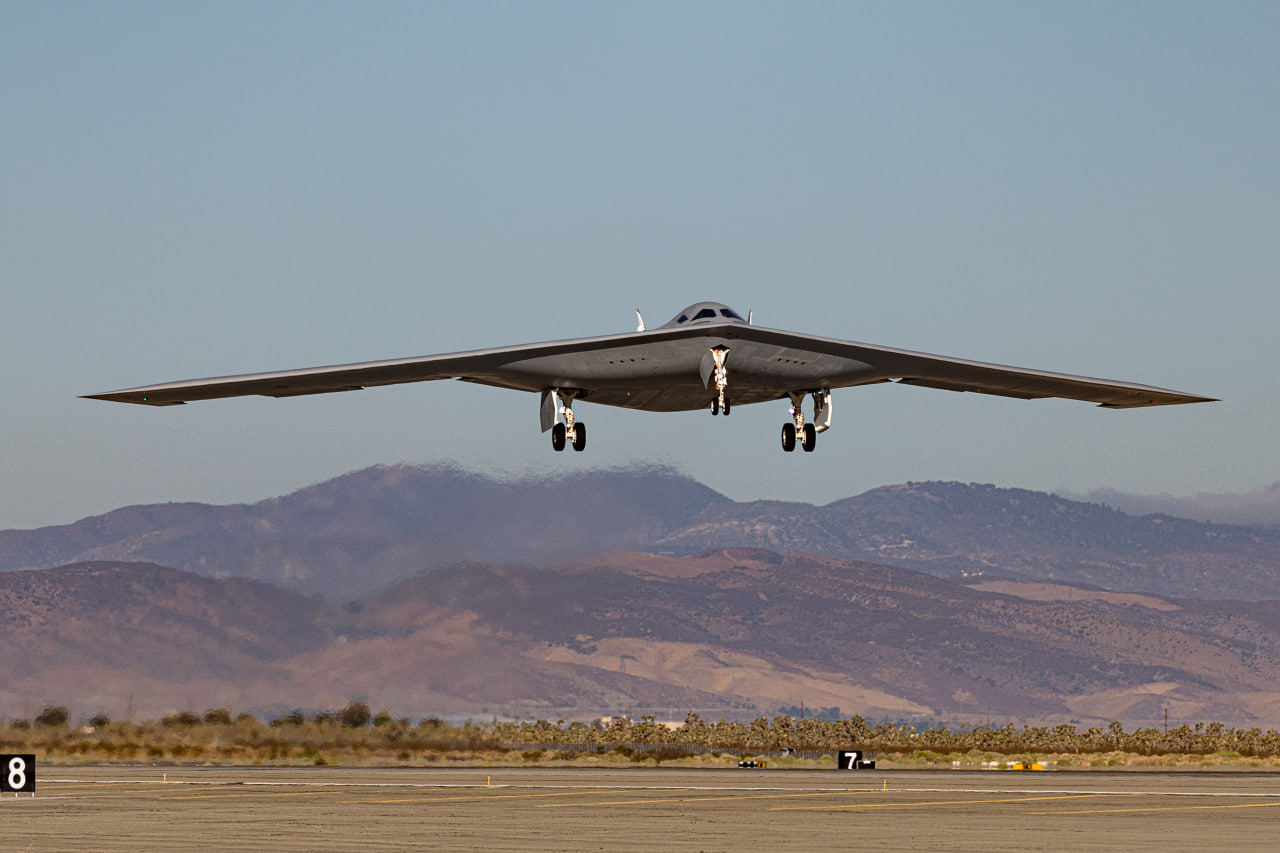
Part of this problem is expected to be resolved with the introduction of the B‑21 Raider stealth bomber, which will also perform strategic deterrence missions. However, the B‑1B Lancer and B‑2 Spirit are scheduled to be retired in the 2030s, which could again create a capability gap.
The B‑52 Stratofortress is expected to remain in service into the 2050s. To achieve this, the aircraft are being upgraded to the B-52J configuration. Among other improvements, the program includes installing the new AN/APQ-188 radar and replacing the engines with eight new powerplants.
However, despite plans to begin test flights in 2024 and introduce the upgraded aircraft into service by 2030, the program has been delayed. The current timeline now anticipates test flights starting in 2027 and operational deployment in 2033.
At the same time, the new radar has already been delivered to the U.S. Air Force for testing, while new engines from Rolls‑Royce areexpected to be delivered in 2027.
Read more: America's Answer to russia's Poseidon, Burevestnik Systems: Stealth Nuclear Cruise Missile Spotted under a B-52H