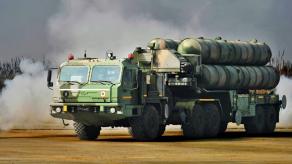



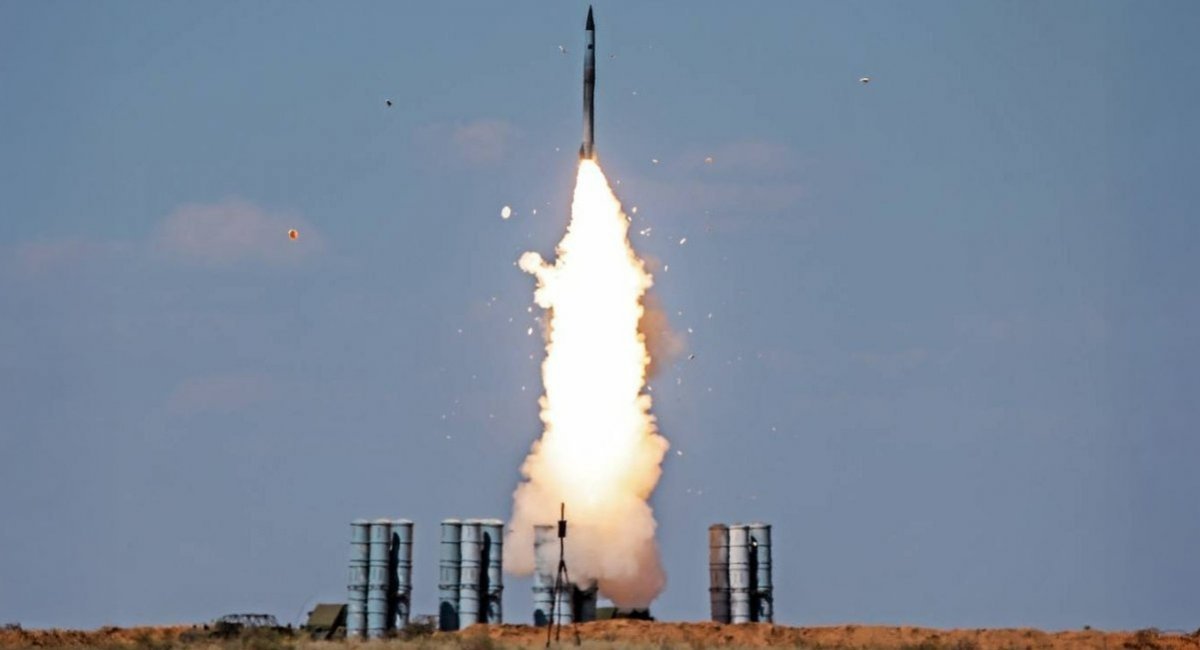
India's Defence Acquisition Council (DAC) has approved the procurement of an additional 288 surface-to-air missiles for its russian-made S-400 systems. The purchase is estimated at 100 billion rupees (approximately $1.1 billion).
According to India's Hindustan Times, the future contract is expected to include 120 short-range missiles and 168 long-range missiles.
Read more: India Plans Additional Order for SCALP Cruise Missiles, This Could Be Problem for Ukraine
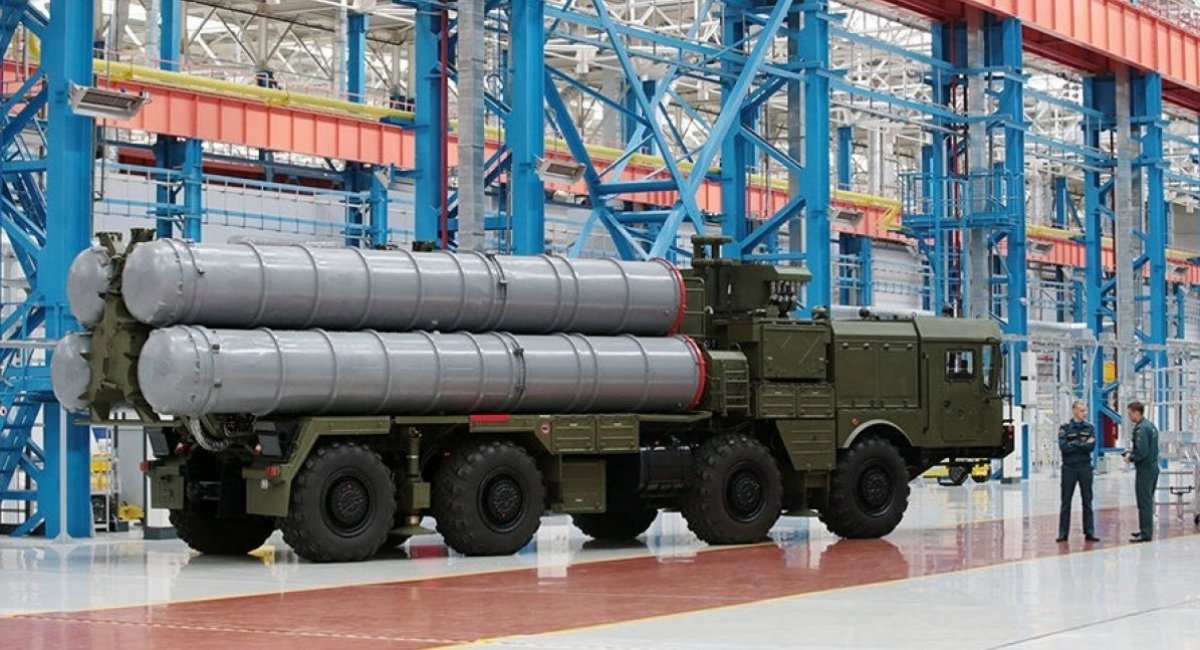
Defense Express notes that the exact missile types to be procured have not been officially disclosed. However, based on available information, it can be assumed that the short-range missiles refer to the 9M96E family. Under traditional classification, these missiles fall at least into the medium-range category, with a declared range starting from 40 km (for the initial 9M96E version). The long-range missiles are likely to belong to the 48N6E series.
The latest 9M96E2 version reportedly has a maximum engagement range of up to 120 km and an altitude of up to 30 km. It is equipped with an active radar seeker, and up to four such missiles can be loaded into a single transport-launch container.
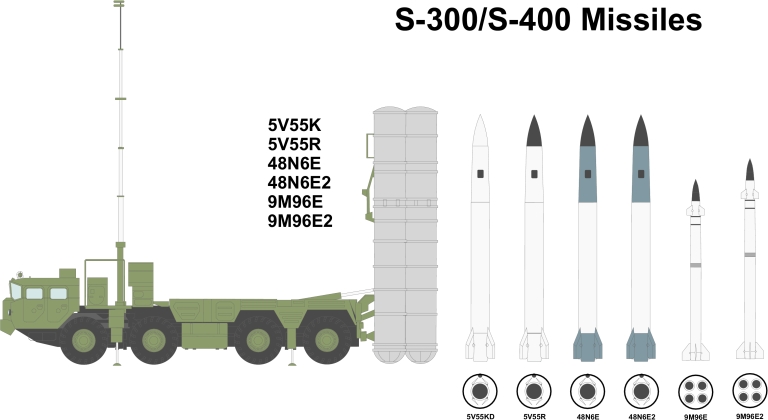
The most advanced 48N6E3 variant has a declared maximum engagement range of up to 250 km and a maximum altitude of 27 km. It uses a semi-active radar seeker with radio correction, and each transport-launch container carries a single missile.
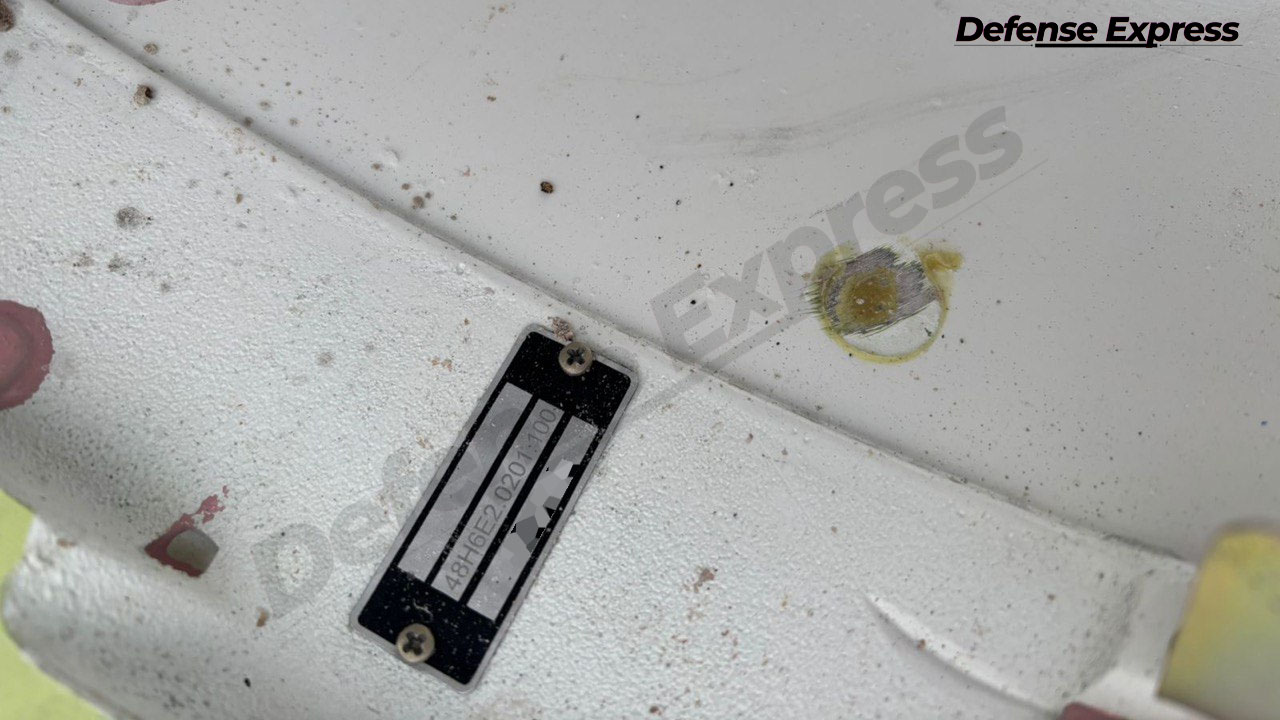
Notably, during a russian strike on Ukraine on the night of January 23, 2026, debris analysis identified a 48N6E2 surface-to-air missile. Importantly, this was the export version, as indicated by the letter E in its designation.
At present, India is the only country with which russia maintains active contracts for the supply of S-400 systems and associated missiles. Therefore, it cannot be ruled out that the 48N6E2 missile used in the strike had originally been intended for delivery to India under an existing contract. However, amid apparent ammunition shortages, russia may have redirected export-designated missiles for combat use against Ukraine.
Returning to the prospective contract, the need for additional missiles is reportedly driven by India's intention to expand its stockpiles and replace missiles expended during Operation Sindoor against Pakistan in May 2025. It is also worth noting that India is still awaiting the delivery of all S-400 systems ordered eight years ago, as not all units have yet been supplied.
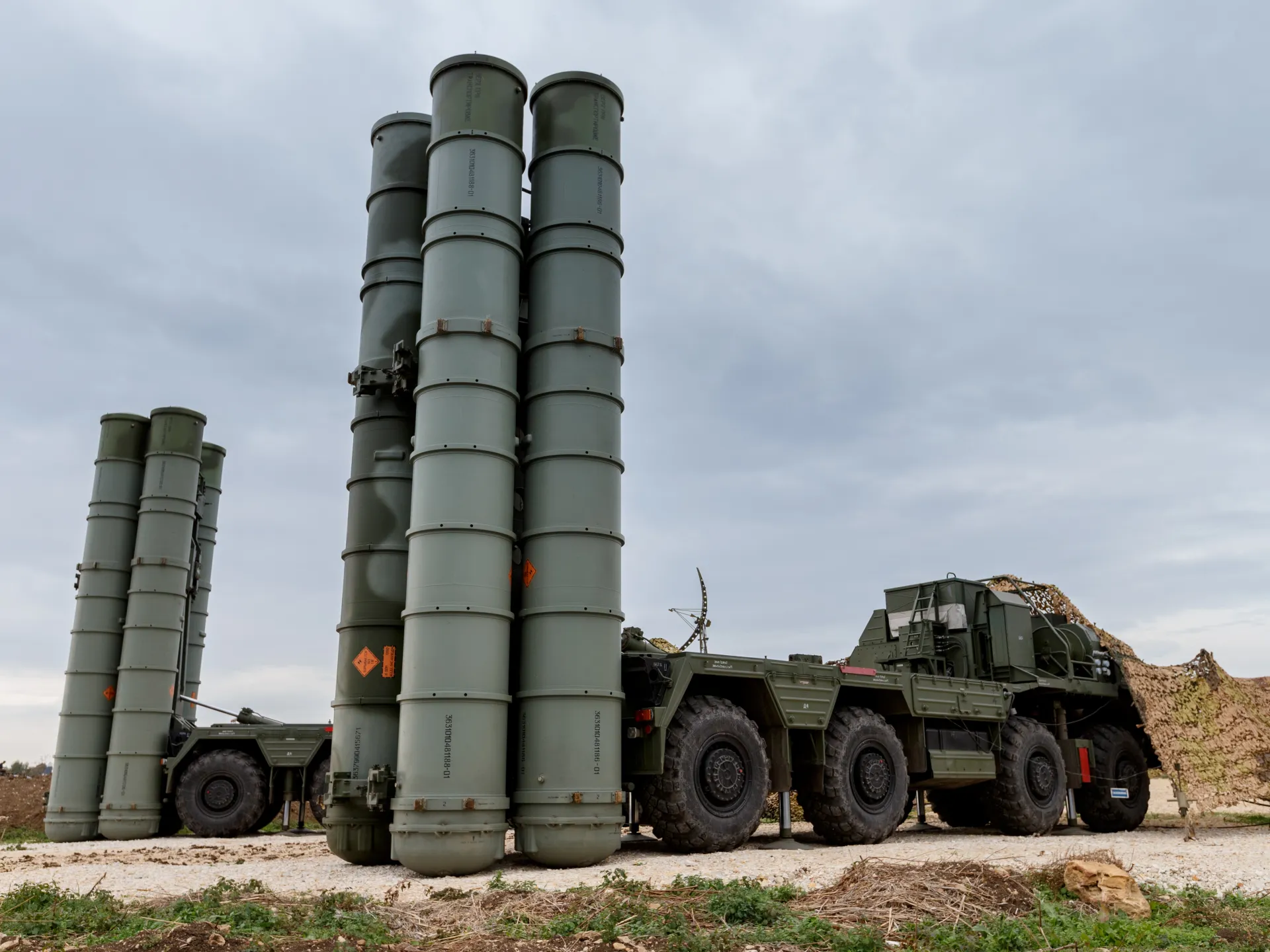
Thus, the new procurement may also be aimed at building up missile reserves ahead of the delivery of additional S-400 units.
What is particularly notable is that despite the S-400's questionable effectiveness during Operation Sindoor, its underwhelming performance in Ukraine, and prolonged delivery timelines, India reportedly still intends to order additional systems.
Read more: India's Indigenous LRAshM Hypersonic Missile Uses russian Seeker From Brahmos/Onyx