


Reports are appearing online that Israel used graphite bombs for the first time to strike power plants in Tehran. This raises the question: what are these bombs, and why were power plants specifically targeted with them?
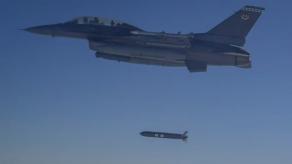
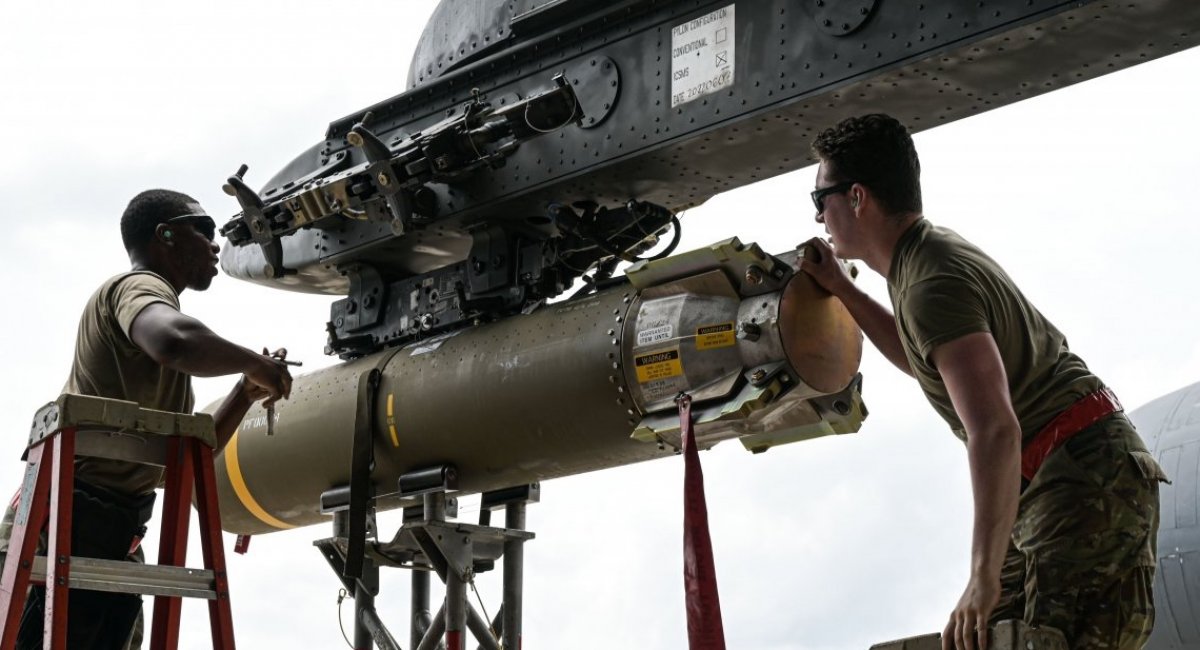
Overall, graphite bombs are cluster munitions containing dozens of submunitions inside. Each submunition contains many small graphite filaments.
Read more: One Missile, Half a Fleet: iran's Strike on Saudi Airbase May Have Permanently Grounded the EC-130H Compass Call
After the bomb is dropped from an aircraft, it opens to release the submunitions. The submunitions then disperse these graphite filaments in the air at a certain altitude, which subsequently settle to the ground.
Such bombs are dropped specifically on energy infrastructure, including power plants, transformers, power transmission lines, as well as other systems. Because graphite filaments conduct electricity, they cause short circuits, disabling all equipment and stopping power supply.
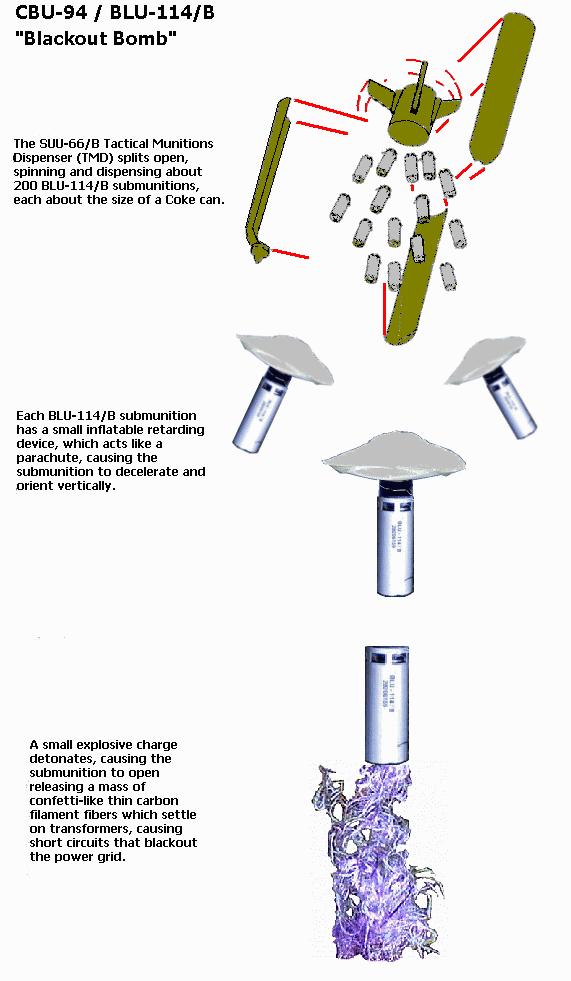
These graphite bombs pose almost no danger to people, but are very dangerous for energy systems. They can destroy energy infrastructure without physically destroying it, as well as without civilian casualties.
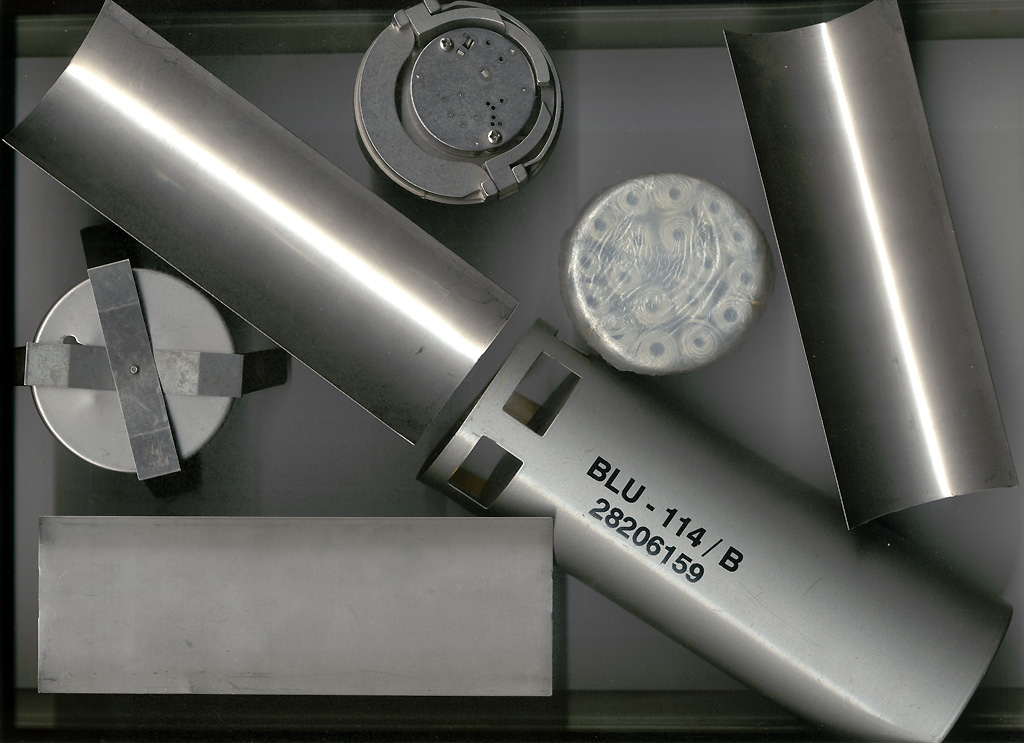
Exactly which graphite bomb model Israel may have used is currently unknown. However, it's worth noting that not many such weapons exist in the world. The U.S. in particular has BLU-114/B submunitions placed in cluster bombs. They were previously used in Iraq in 1990-1991, as well as Yugoslavia in 1999.
Moreover, according to available information, BLU-114/B performed well there. Thanks to such graphite bombs, 85% of Iraq's power grid was disabled, while 70% was disabled in Yugoslavia.
It's possible Israel could have used the same BLU-114/Bs. However, it's worth noting that currently there's no proof of these graphite bombs being used for strikes on iran. However, if they were indeed used there, this would be the first use of this bomb type by Israel.
Speaking of first use of interesting bombs during Operation Epic Fury, it's worth recalling that the U.S. used the newest GBU-72/B bunker-buster for the first time to open the Strait of Hormuz. It weighs over 2 tons and can penetrate over 50 meters of soil.
Read more: Ukrainian T-64BM Bulat Tank Gets Oplot-Derived Transmission, Possibly Indicating New Modernization