The Ukrainian Armed Forces' use of Starlink satellite communications, which are now out of reach of enemy interference, has long been one of the key challenges russia has been trying to counter.
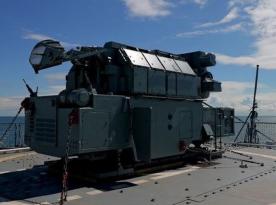
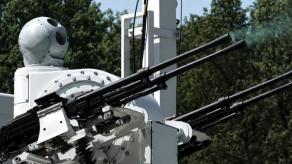
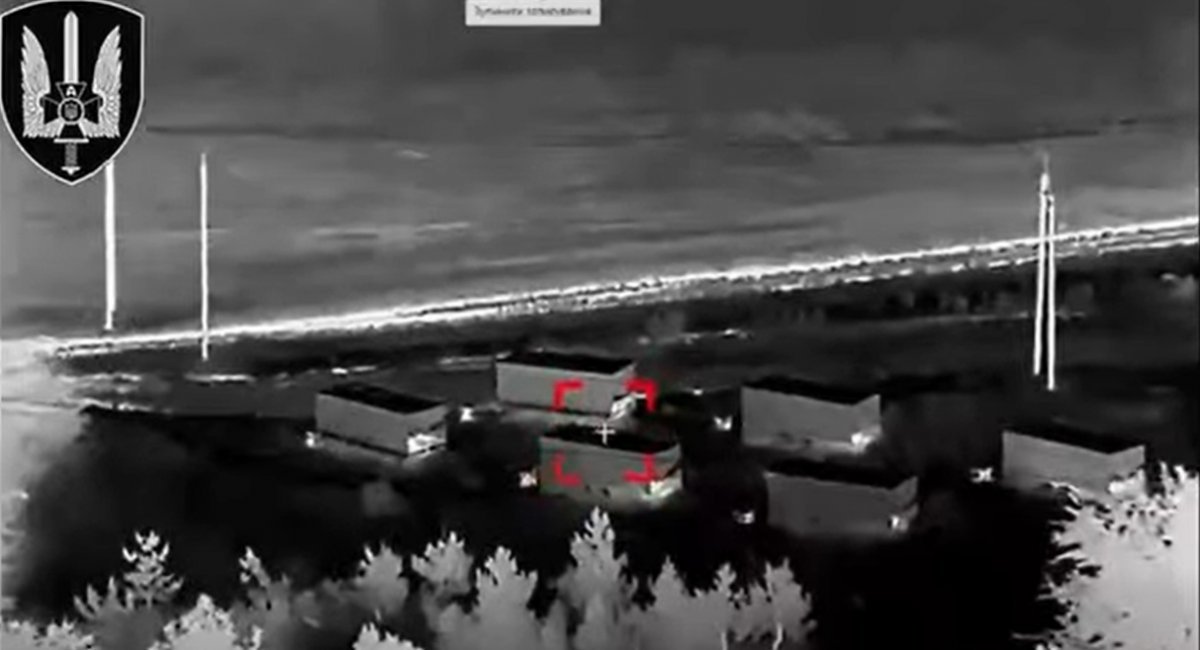
One of the systems used was the Volna Kupol Garant electronic warfare system, manufactured by Rossiysky Kupol, which operates in temporarily occupied Crimea. Serhii "Flash" Beskrestnov, adviser to Ukraine's Minister of Defense, provided detailed information about it.
Read more: One Missile, One Target: Ukraine Seeks Maximum Patriot Efficiency
The Volna Kupol Garant system is designed to overwhelm Starlink communication channels with powerful jamming signals. However, this requires a highly precise tracking system for each satellite that needs to be jammed, as well as a system with high power output. Combined with russian corruption, this brings the price of the Volna Kupol Garant system to around $1.5 million per unit.
"Technically, the Starlink satellite receives signals from terminals in the 14–14.5 GHz band. This band is divided into eight channels, each 62.5 MHz wide. russians hypothetically take eight satellite dishes, point them at the satellite, and each dish transmits interference on its own channel," Beskrestnov writes.
In addition, the system is quite large and is typically mounted on six trailers, each housing satellite dishes inside radio-transparent domes. Furthermore, a high-power energy source is required, which demands appropriate equipment.
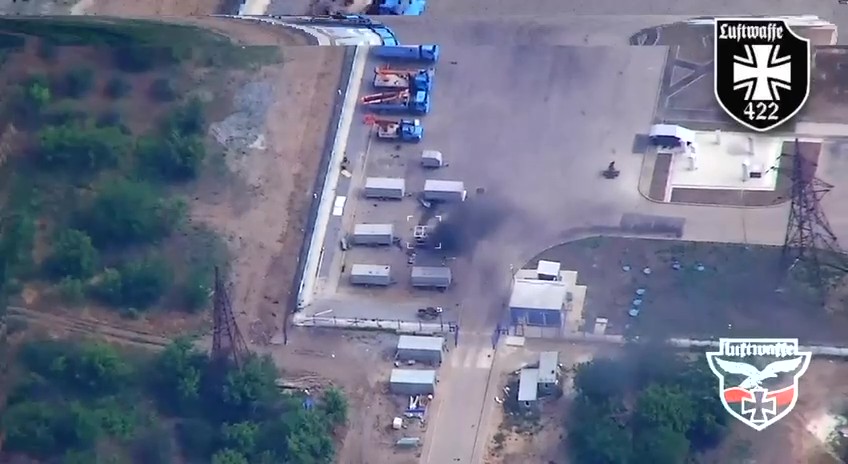
Another drawback of the Volna Kupol Garant system is that it can jam only one Starlink satellite. It also has a limited range, blocking communication with the satellite over an area of about 20 square kilometers. In other words, the coverage area has a radius of only about 2.5 km.
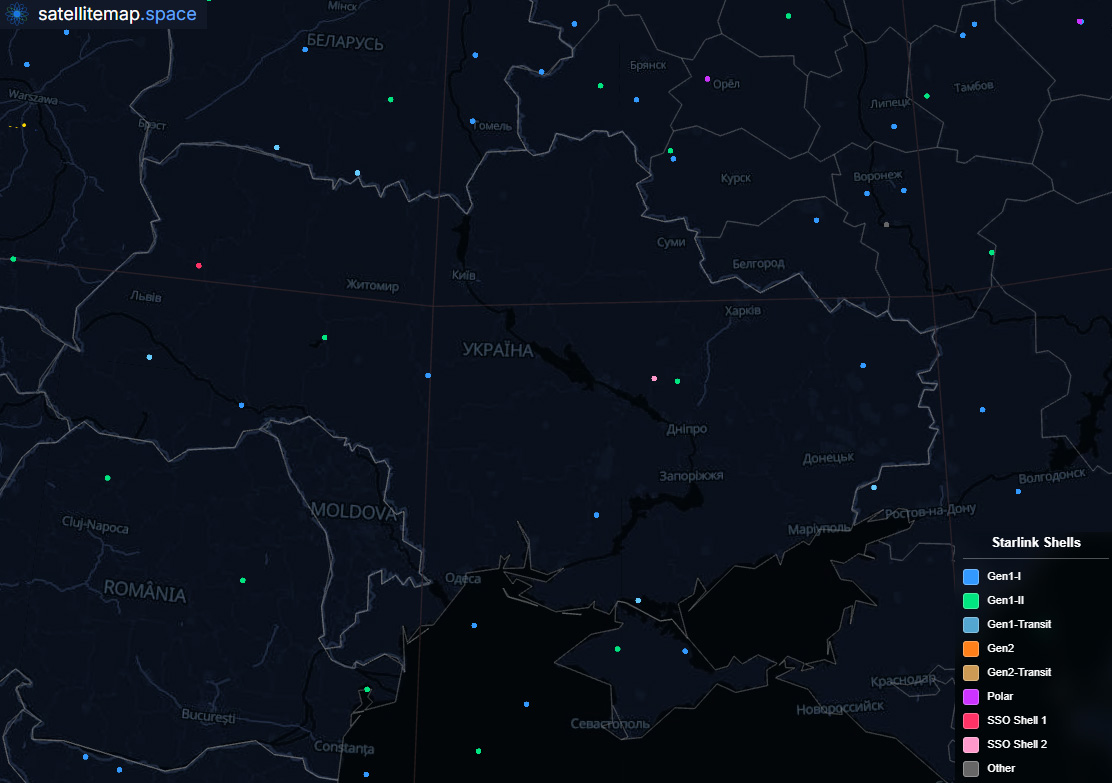
It is worth noting that the constellation currently includes more than 10,000 active satellites, with several dozen potentially within range of a terminal at any given time, as new satellites continuously replace them every few minutes in orbit. Each satellite provides coverage over an area with an approximate radius of 1,000 km.
That is why Serhii “Flash” Beskrestnov describes russia’s purchase of the Volna Kupol Garant system for $1.5 million per unit as “remarkable.”
Read more: Since 2022, russia May Have Lost More Than 70% of Its Combat-Ready Tu-22M3 Bombers, So How Many Could Still Remain?