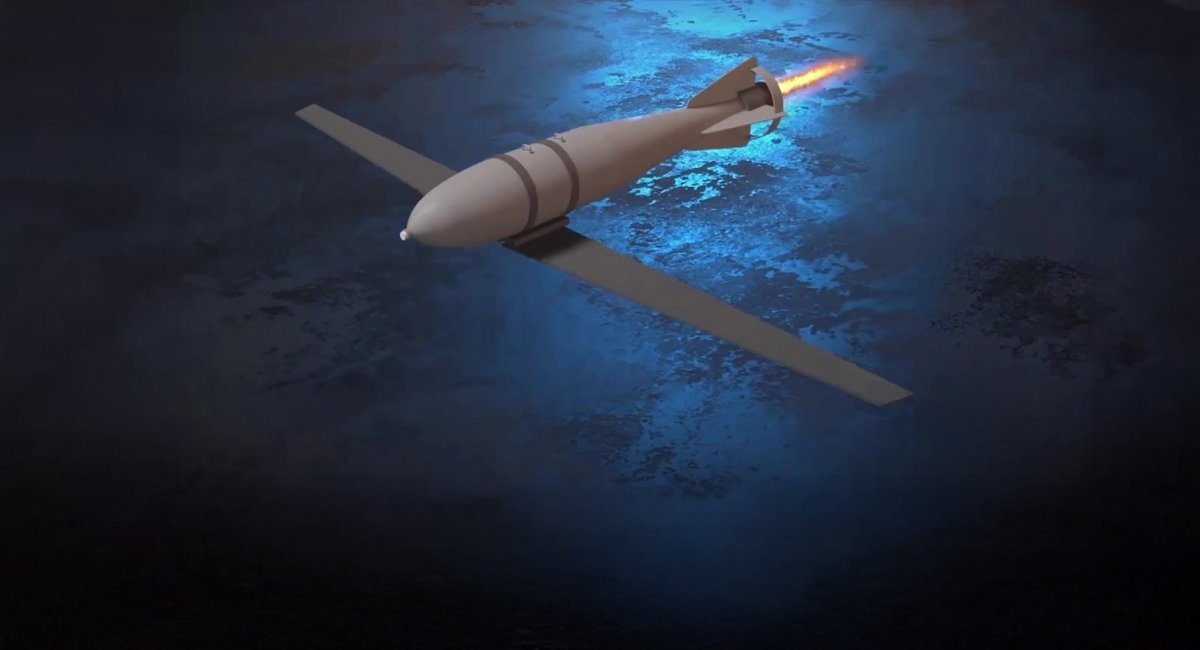
russia has begun using new long-range weapons, known as KABs, with jet engines. russia has already used them to hit targets deep inside Ukraine.
The Defence Intelligence of Ukraine has warned that the enemy has developed and begun combat testing bombs with a range of up to 150–200 km, meaning those models that prove most effective at the lowest cost will soon go into mass production.
Read more: Ukraine's Defense Intelligence Destroys russia’s Advanced Valday Radar System in Crimea
Currently, the enemy has several options, including the older Grom-E1, the newer UMBP-5R, and, as noted by Ukraine's Defence Intelligence representative Vadym Skibitsky, a jet-powered variant of the UMPK.
It should be noted that the Grom-E1 has a solid-fuel engine and a declared range of up to 120 km with a warhead weight of 315 kg. It is a fairly old design, first demonstrated back in 2015. It was first used to strike Ukraine in March 2023.
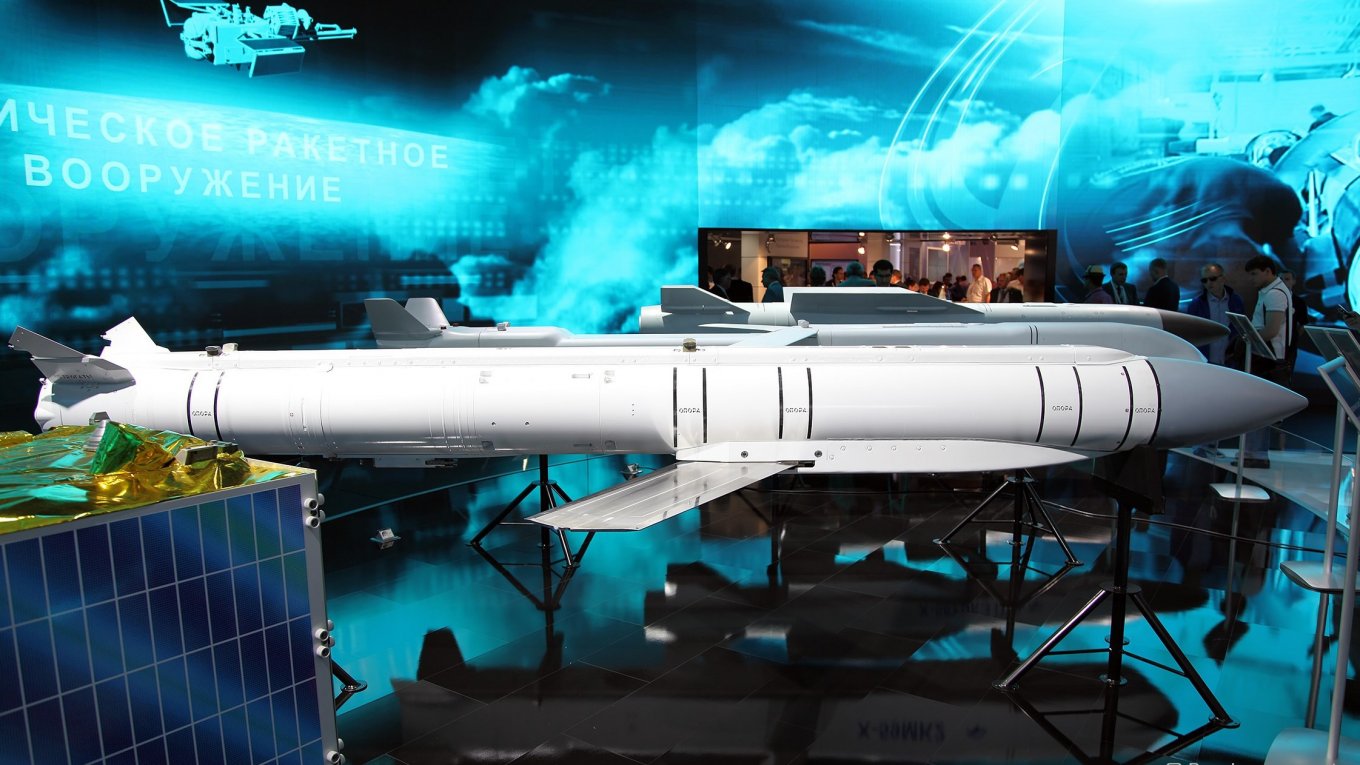
The UMPB-5R is also a specially designed ammunition. Most likely, it resembles the UMPB D-30SN, which is identical to the FAB-250 and flies 100 km. Thanks to its jet engine, the UMPB-5R should have a longer flight range.
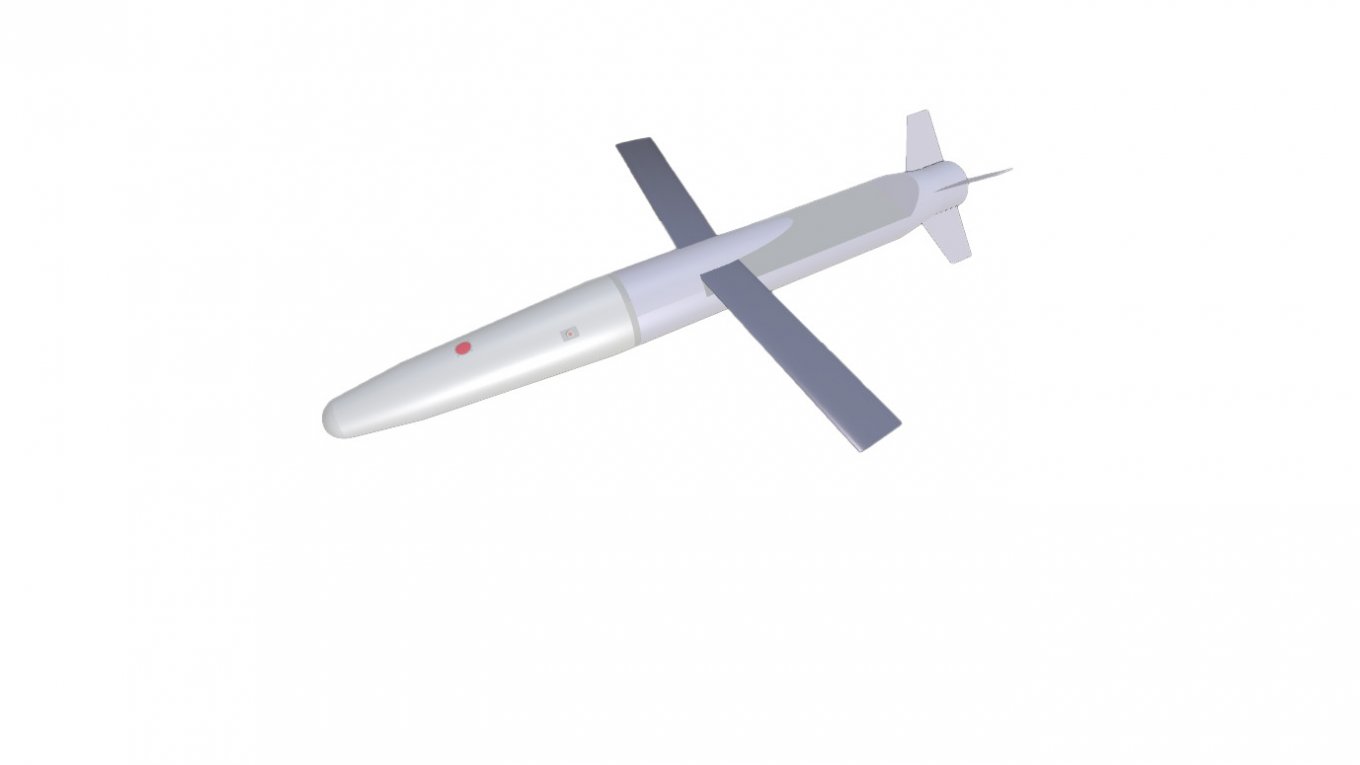
Given the UMPK's extensive use, fitting it with a turbojet engine is a logical next step. For reasons of low cost and easy mass production, the enemy will most likely opt for a jet‑powered UMPK.
There are two types of jet engines that are suitable for this task. The first is a turbojet engine, like those used on cruise missiles. In searching for inspiration, russians may well have looked to an American solution: Boeing's Powered JDAM, which used a miniature TDI J85 turbojet rated at 0.8 kN of thrust.
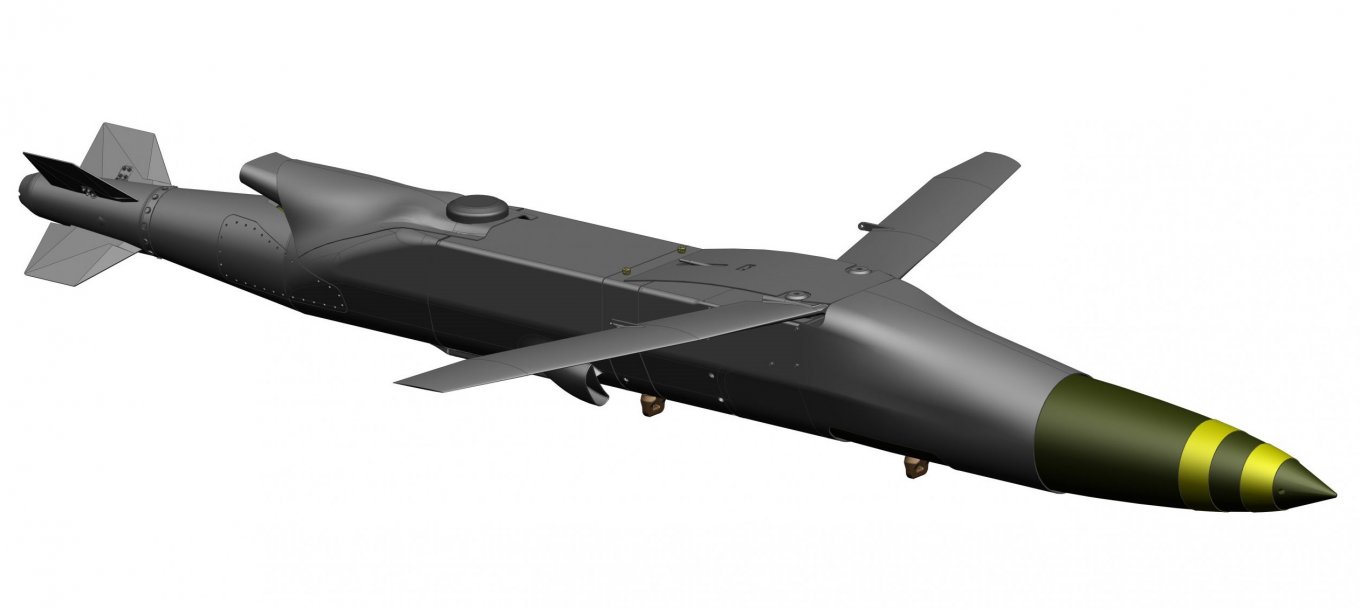
russia may adopt a similar commercially available Chinese engine, the Telefly JT80, which produces comparable thrust and is already being used on jet‑powered Shahed‑type drones. It should be noted that the range of the American solution is 550 km. Therefore, it is unlikely that the russian federation would limit its weapons to a 200 km range.
Moreover, it should be expected that russian developers will not stray too far from the original UMPK design. They will try to preserve all possible elements, including the satellite navigation control system using the Kometa-M.
The solid-fuel engine option is very likely. This is especially significant given that, in November 2023, the russian Ministry of Defense released a rendering of a jet‑powered UMPK with a wingspan of 2 meters.
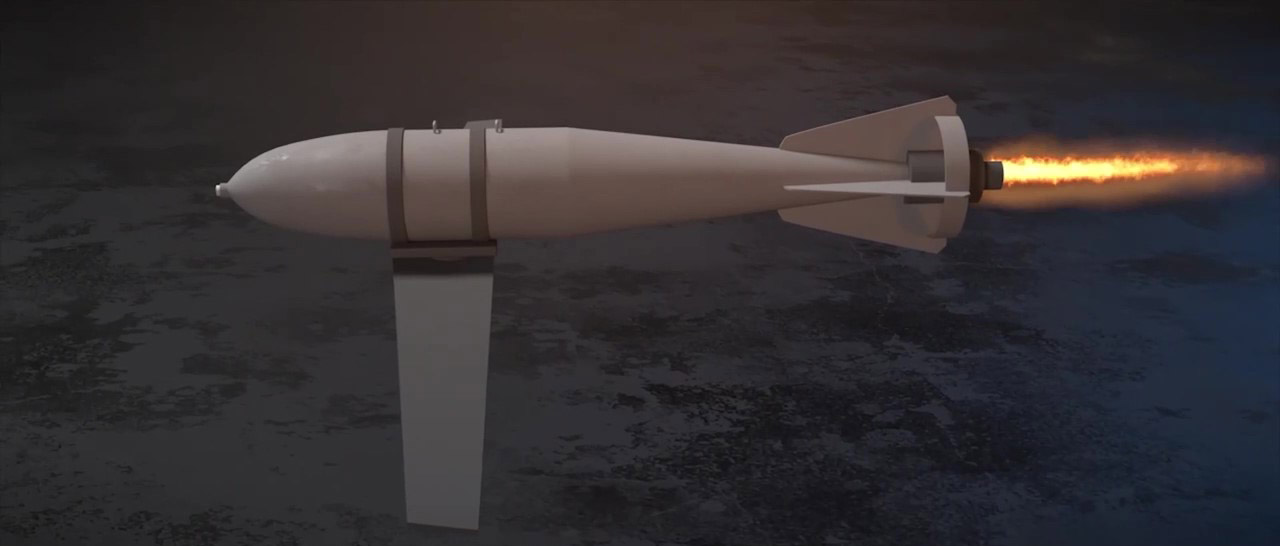
This option does not require an additional body, a complex fuel system, or an expensive turbojet; instead it relies on a solid‑fuel booster designed for a long burn time but relatively low thrust. All things considered, this is currently the most likely path for russia's development.
Read more: Ukrainian CBR Troops Demonstrate Precision Firepower with the Sivalka VM-8 Flamethrower System (Video)