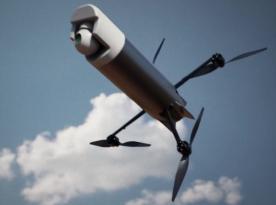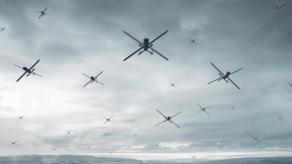

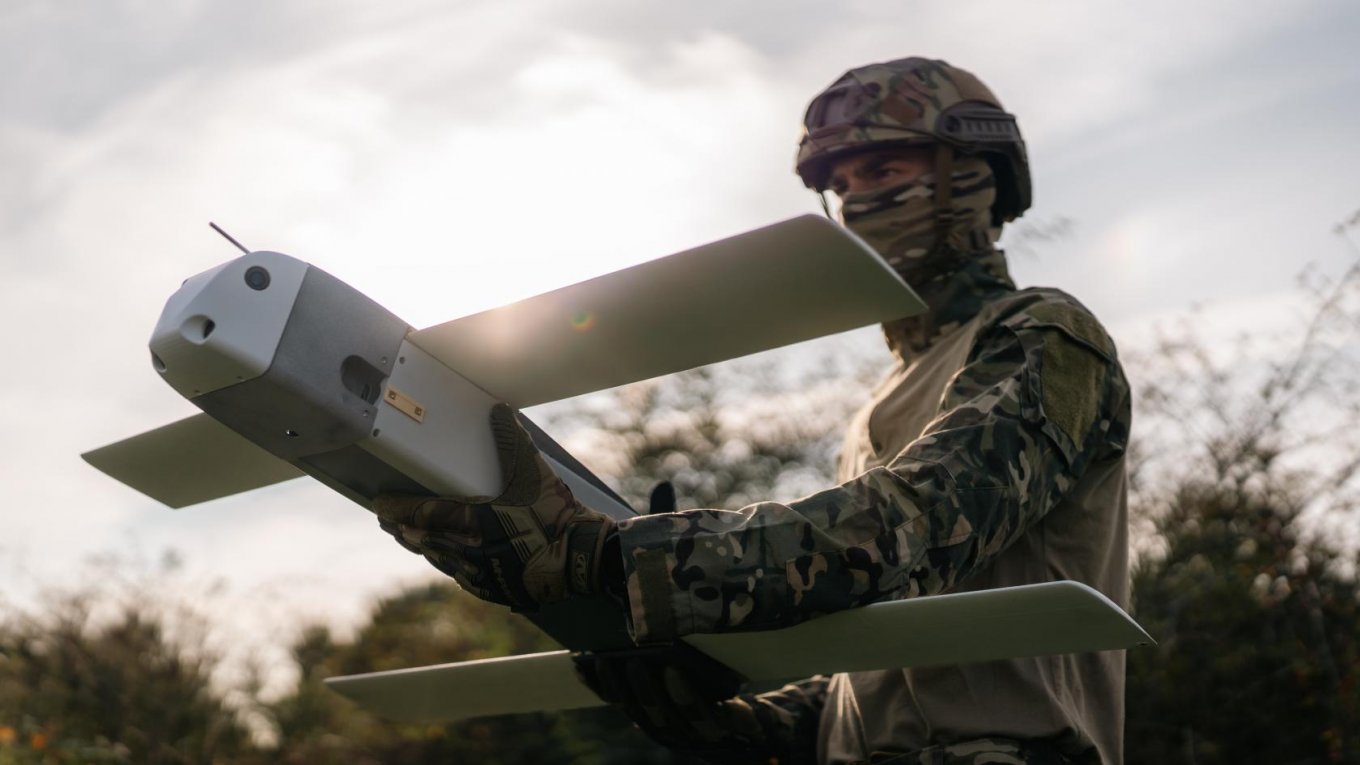
French defense company Thales and automaker Renault Group announced on Tuesday, 16 June, the signing of a partnership agreement for the joint development and production of Toutatis loitering munitions.
According to the press release, the cooperation between Thales and Renault could see production of these strike drones begin as early as next year, with output ramping up rapidly to 1,000 units per month within the first year.
Read more: Iron Wasp Looks Like Ordinary Anti-Drone UAV But Rafael Positions It as Armored Vehicle Self-Defense Alongside Trophy APS, Drone Dome
The strategic partnership will combine Thales's advanced defense capabilities with Renault Group's industrial capacity, with the aim of building an independent and flexible drone industry in France capable of meeting wartime economic requirements.
Renault Group CEO Luca de Meo emphasised that the company will bring the highest standards of automotive manufacturing to design, implement, and produce at scale, within tight timelines and with optimised costs.

Defense Express notes that the question of whether automaker Renault would enter defense production can now be considered settled. That said, there are some nuances worth recalling to paint the full picture of how this came about.
As far back as last summer, it emerged that Renault was preparing to begin drone production, including for Ukraine. It subsequently became known that the drones in question were part of the Chorus project, which the automotive group was to develop alongside defense company Turgis & Gaillard.
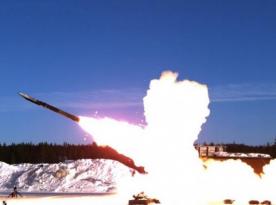
While the initial reports focused on a long-range strike drone, details revealed in April suggested the Chorus was more accurately described as an inexpensive cruise missile, with a range of 3,000 km, a warhead of up to 500 kg, and a target unit cost of around €100,000, even as French sources continued to describe it as a "One Way Effector," i.e., a kamikaze drone.
From the outset, mass production was not part of the initial plan — the idea was that Renault could scale up manufacturing rapidly if genuine operational need arose.
By May, however, the situation had shifted entirely. Renault stated that it had no plans to enter the defense sector or become a major player in the industry, and clarified its involvement in the projects mentioned above, noting that the company had been approached for a consultative role in discussions conducted by France's defense procurement agency.
Now, once again, there is news that Renault will produce drones after all, this time alongside Thales. As for whether the other defense projects will continue in parallel, Reuters reports that Renault remains a participant in the Chorus programme, with the first demonstrator drone or cruise missile expected to be presented before the end of this year.
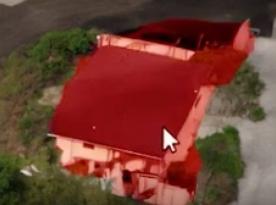
As for the Toutatis loitering munitions that Thales will produce with Renault, first unveiled in 2024, the system does not feature any particularly standout specifications. Range is limited to 10 km (30 km in the extended-range version), with a 1 kg warhead and a maximum speed of 150 km/h.
Read more: Moscow Shrouded in Smoke as Ukraine Launches Largest Drone Attack, Hitting Oil Refinery