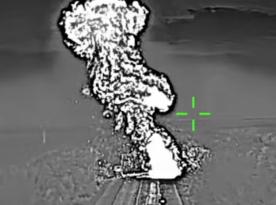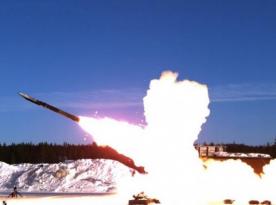
Ukraine is developing a new cruise missile known as Neptune 2. The project became public during the ongoing Eurosatory defense exhibition in Paris, where the Ukrainian State Design Bureau Luch and MBDA signed a memorandum of understanding.
According to MBDA, the two sides will "implement revolutionary innovations to advance the deep-strike capabilities of Neptune 2 while strengthening strategic defense cooperation with Ukraine."
Read more: MBDA Known for Storm Shadow Cruise Missiles Took Two Years to Build Akeron RCX 50 Loitering Munition, But 10km Range Already Falls Short
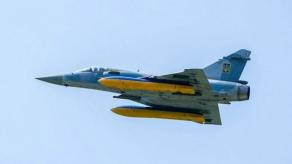
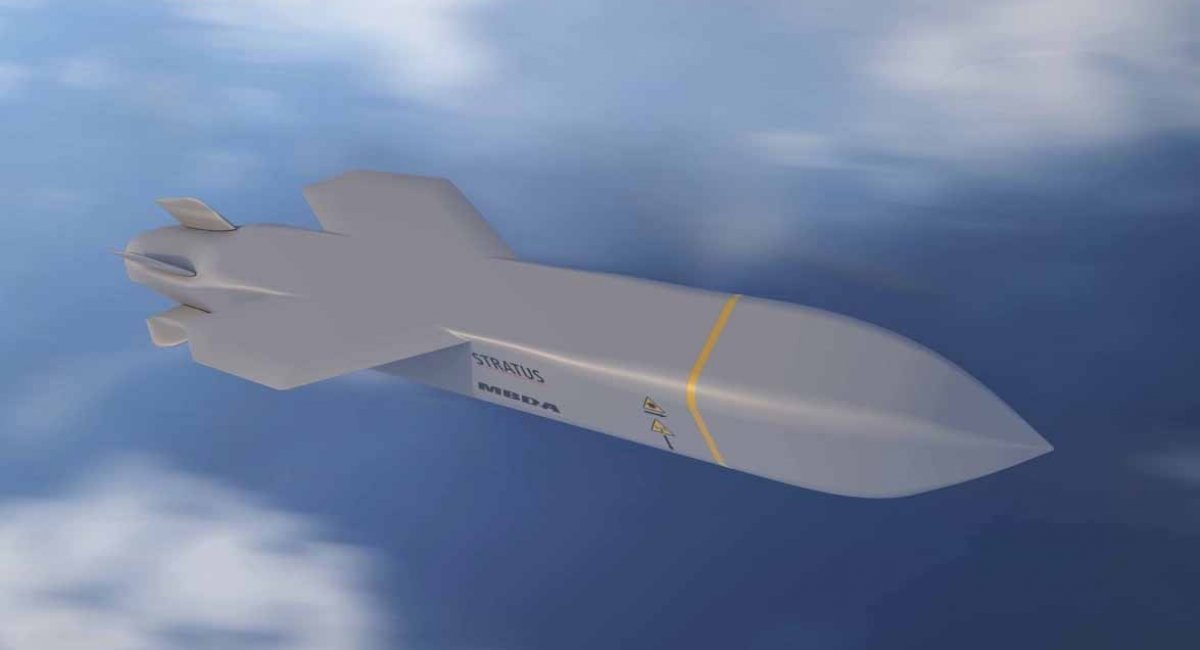
No technical details about Neptune 2 have been disclosed so far. However, based on MBDA's experience, it is possible to assess what capabilities the new Ukrainian missile could potentially gain. After all, MBDA is behind such cruise missiles as Storm Shadow / SCALP and Taurus, while also developing next-generation systems including Stratus LO and RCM².
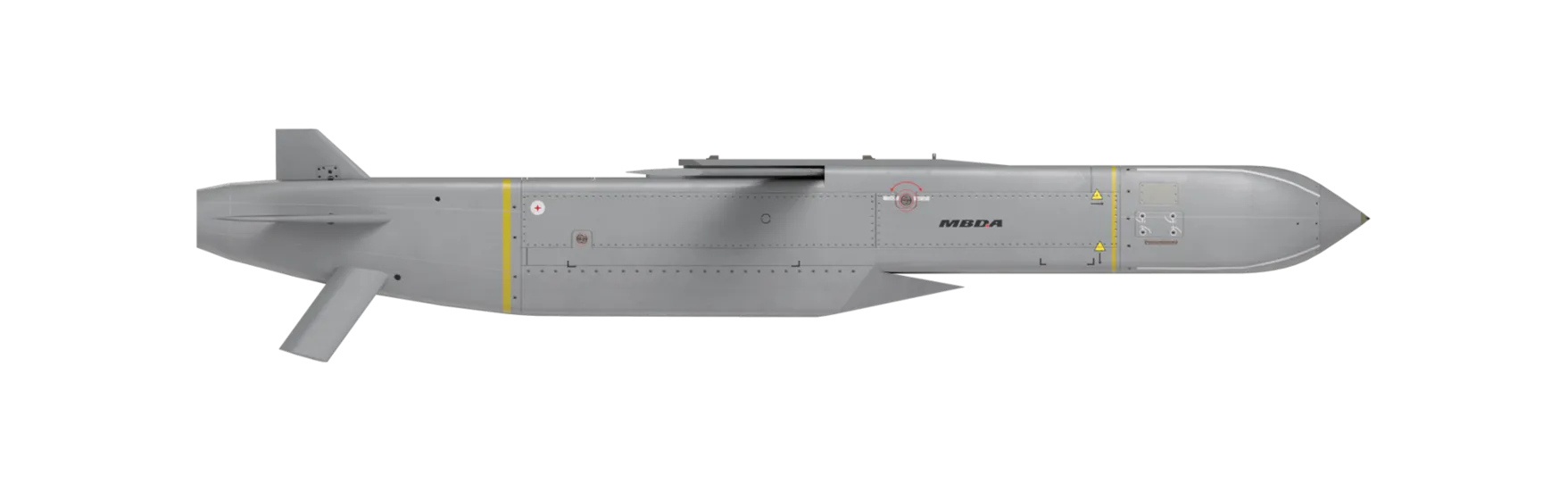
One of the most likely areas of improvement for Neptune 2 is its ability to penetrate enemy air defenses. In this regard, MBDA's extensive experience in designing low-observable cruise missiles could be particularly valuable.
Storm Shadow / SCALP, Taurus, and the future Stratus LO all incorporate stealth technologies. These involve a comprehensive approach affecting the missile's airframe shape, air intake design, wing configuration, control surfaces, material selection, internal structural elements, and even the operation of onboard electronic systems. Access to MBDA's expertise in these areas could significantly accelerate the development of a low-observable successor to the current Neptune missile.
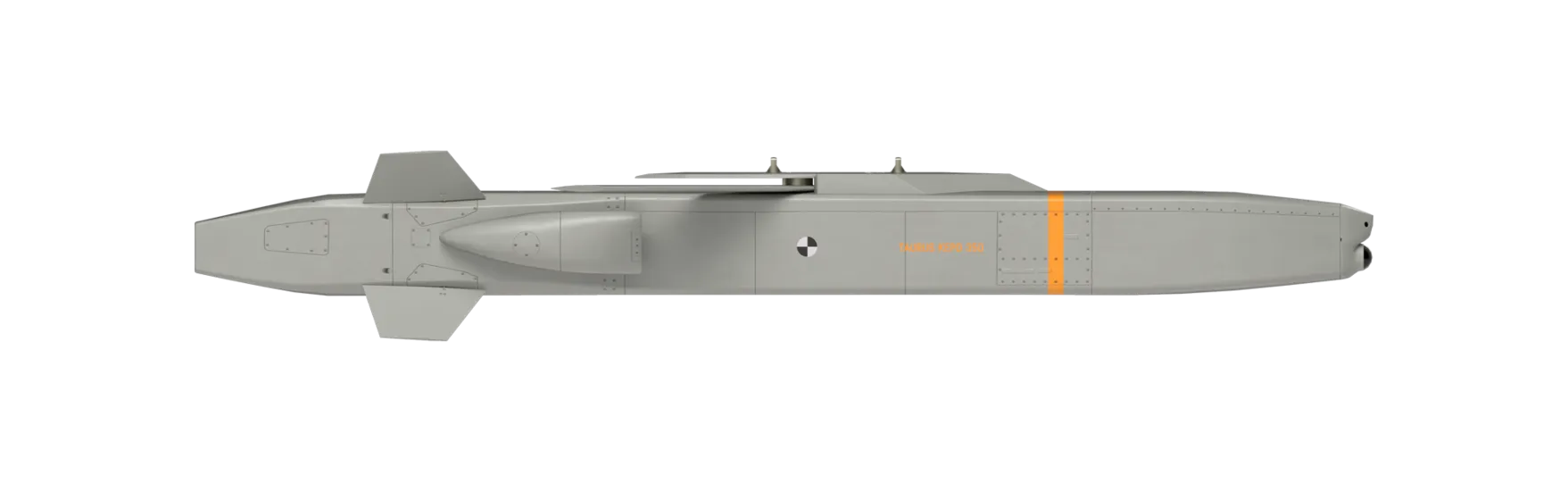
Another potential area of cooperation involves navigation and guidance systems. Existing MBDA cruise missiles employ imaging infrared seekers that have demonstrated high effectiveness against a wide range of targets. By contrast, the R-360 Neptune was originally designed as an anti-ship missile and relies on an active radar seeker, which can be vulnerable to electronic warfare countermeasures.
Warhead design is another field where MBDA's experience could be highly beneficial. The company's cruise missiles utilize advanced warheads such as BROACH and MEPHISTO, both optimized for defeating hardened and protected targets.
These warheads employ a two-stage concept. A precursor shaped charge first creates an opening in the target's protective structure, after which the main penetrating blast-fragmentation warhead enters and detonates inside. The elongated design of the main charge further enhances penetration capability, allowing effective engagement of bunkers, command posts, and other fortified facilities.
Overall, access to MBDA's expertise across these and many other aspects of cruise missile development would provide a significant advantage for Ukraine's defense industry. This is particularly noteworthy given that MBDA has also signed strategic cooperation agreements with Ukrainian Armor, a member of the National Association of Ukrainian Defense Industries (NAUDI).
Read more: MBDA Unexpectedly Overhauls Next-Gen Cruise Missile Meant to Replace Storm Shadow, SCALP