


European aerospace giant Airbus has signed an agreement with Germany's Quantum Systems to explore the integration of interceptor drones onto its helicopter platforms. The initiative could potentially create additional opportunities for Ukrainian drone manufacturers.
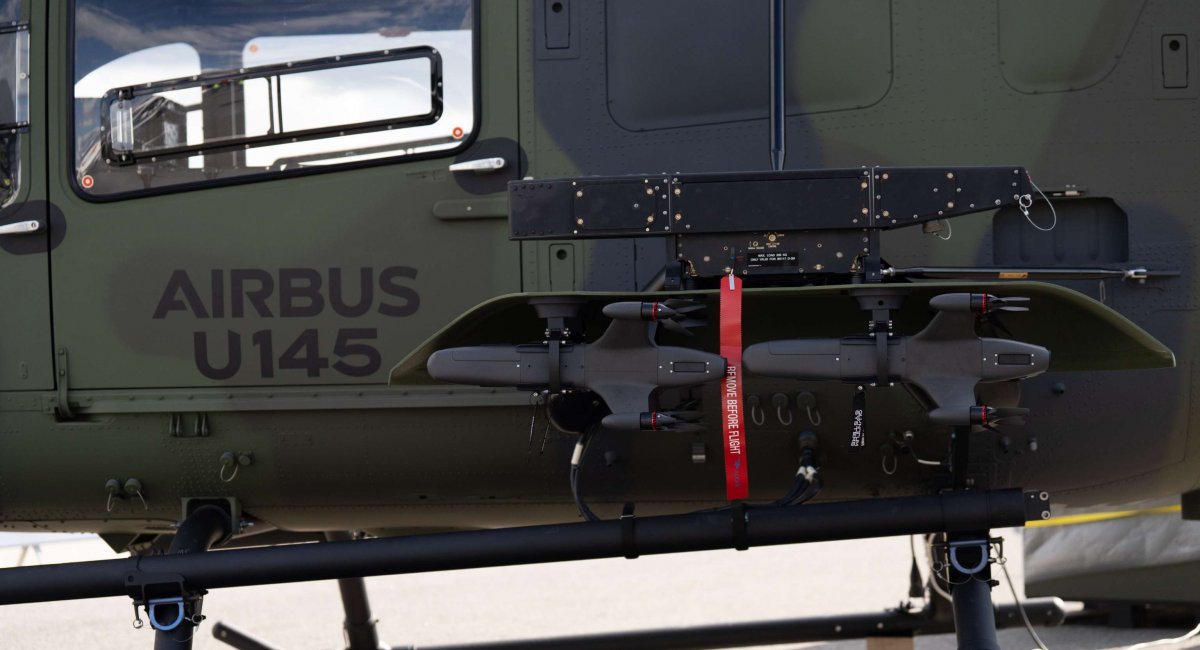
The project, aimed at strengthening air-defense capabilities, will initially focus on the H145M military helicopter. Its unmanned derivative, the U145, was showcased at the 2026 Berlin Air Show, carrying a pair of interceptor drones as an external payload.
Read more: German-Made Quantum Systems Drones Will Hunt russian Air Defense and EW Systems With SIGINT Payloads
Airbus Helicopters and Quantum Systems have signed a cooperation agreement at #ILA26 in Berlin to jointly explore the integration of advanced counter-UAS interceptors of Quantum Systems capabilities onto Airbus’ military helicopters, beginning with the multi-role H145M. https://t.co/aVgpr8SBRx— Airbus Helicopters (@AirbusHeli) June 10, 2026
Defense Express notes that although Quantum Systems actively supports Ukrainian drone development projects, the aircraft displayed at the exhibition was equipped with the company's own interceptor drones. This is hardly surprising, as Quantum Systems is also developing capabilities in this field.
More important, however, is the growing international interest in using helicopters as launch platforms for interceptor UAVs. Until recently, airborne drone deployment was primarily associated with FPV drones or larger loitering munitions. The appearance of interceptor drones in this role suggests that the range of applications is expanding.
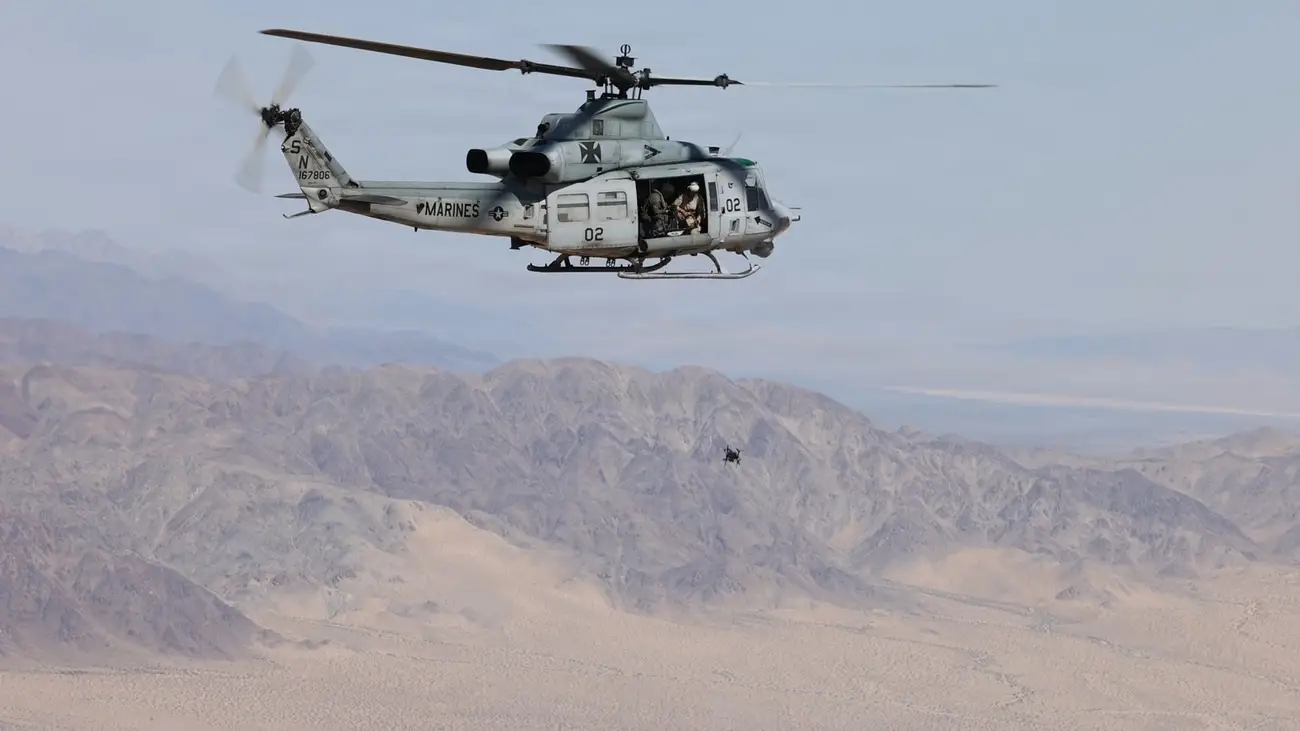
This trend could open the door to partnerships between Ukrainian drone manufacturers and foreign aerospace companies seeking to integrate UAVs onto export-oriented aircraft platforms. There is already some precedent for such concepts. Publicly available imagery has shown FPV drones launched from aircraft ranging from the An-28 transport aircraft to ultralight platforms such as the A-32.
In Ukraine, helicopters are currently used primarily to counter drones with cannon and machine-gun fire. However, it is possible that additional capabilities exist but remain outside the public domain.
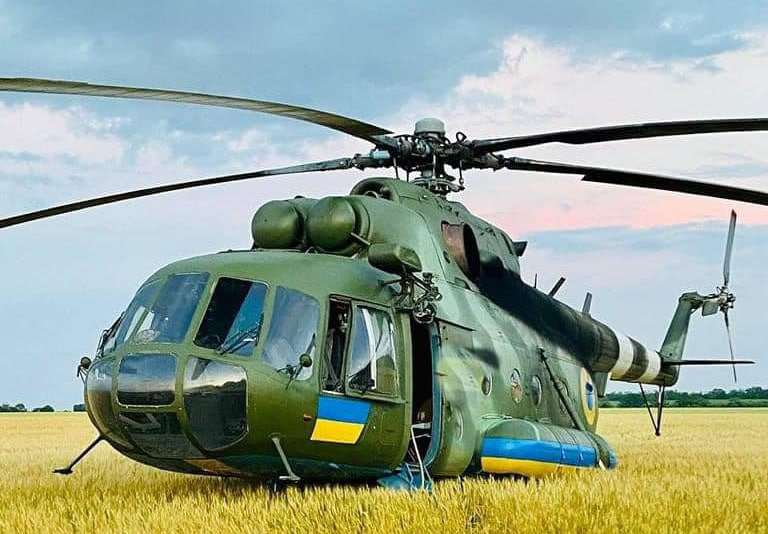
Launching interceptor drones from an airborne platform offers several advantages. It reduces the time required to reach enemy UAVs and significantly extends engagement range. At the same time, it increases the overall cost of interception because the carrier aircraft itself must operate as part of the mission. Using an unmanned aircraft as a drone mothership can reduce personnel requirements, but it also creates additional demands for monitoring, coordination, and mission management.
For now, the Airbus–Quantum Systems initiative remains a research and development effort. No procurement programs or customer orders have been announced, so actual market demand remains unclear. Nevertheless, the concept demonstrates clear potential. At the same time, Ukrainian defense manufacturers still face significant restrictions and challenges when it comes to exporting their products.
Read more: From Helicopter to UAV: Airbus Converts H145 Into Drone Mothership and UAV Platform