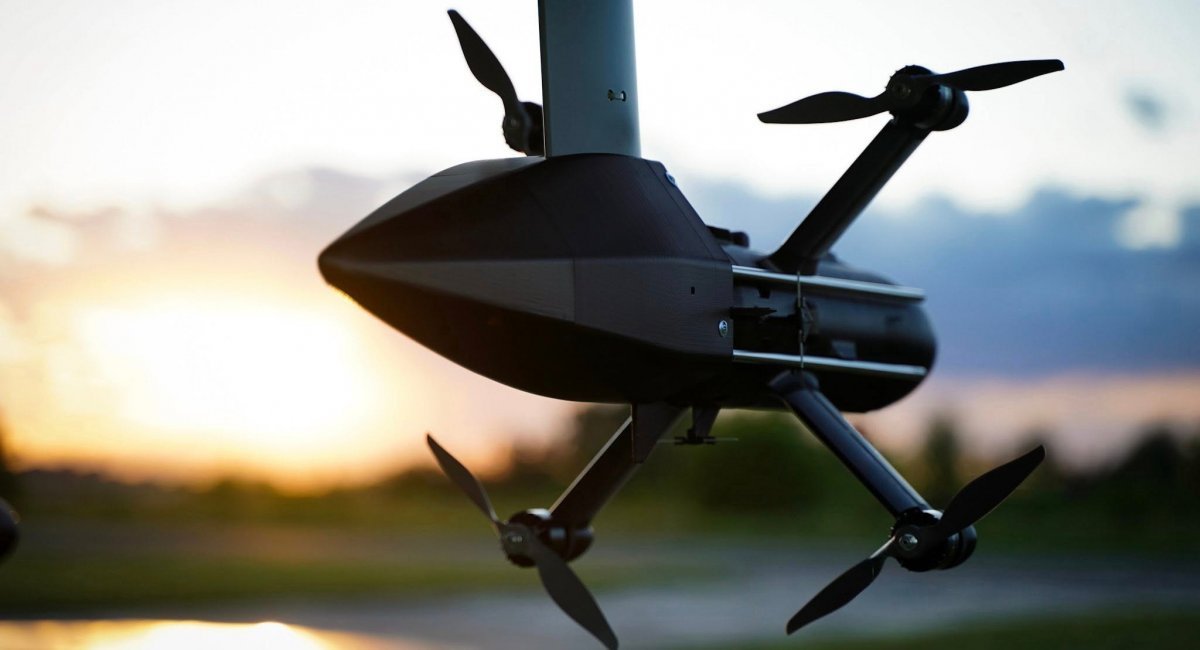
Ukraine is expanding the use of aircraft-launched interceptor drones to counter russian UAVs, with ultralight aircraft now being integrated into air-defense operations over Kyiv Region.
Photographs published by Mykola Kalashnyk, Head of the Kyiv Regional Military Administration, show the new concept in development. He noted that most of the equipment involved in the project is of Ukrainian origin.
Read more: Ukraine Deploys P1-SUN and Merops Drones From An-28 to Intercept Shahed Drones for the First Time
According to Kalashnyk, the initiative is being developed alongside the Clean Sky project, under which trained crews have already been successfully intercepting russian drones using ground-to-air systems. The new effort adds air-to-air interception capabilities, along with increased automation and remote-control technologies.
From the Defense Express perspective, this represents the next stage in the development of the airborne interceptor-drone concept. The idea was previously demonstrated using the An-28 aircraft, which was adapted to carry and launch interceptor drones for air-defense missions.
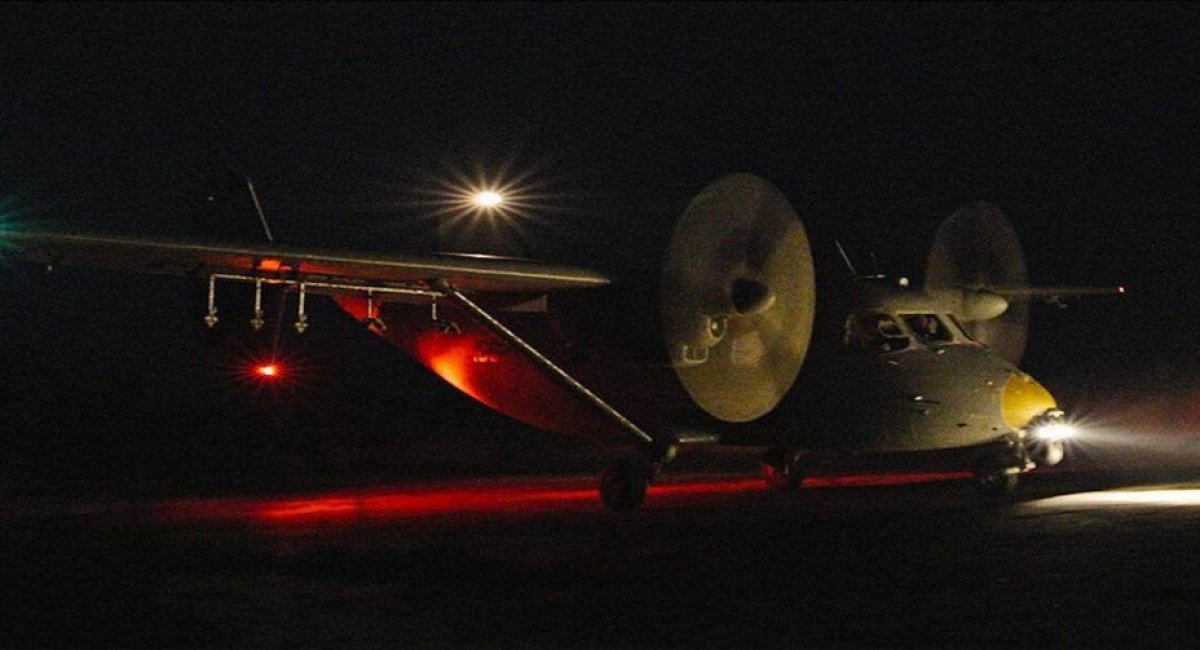
The concept now appears to be moving toward smaller ultralight aircraft. Such platforms are significantly cheaper, easier to operate, and available in greater numbers. This could make it possible to field more crews, although actual expansion will still depend on the availability and training of personnel.
Based on the published photographs and Kalashnyk's comments, the aircraft shown may be the Ukrainian-built A-32, although this has not been officially confirmed. If so, it would suggest the possibility of domestically producing aircraft specifically intended to strengthen Ukraine's air-defense network.
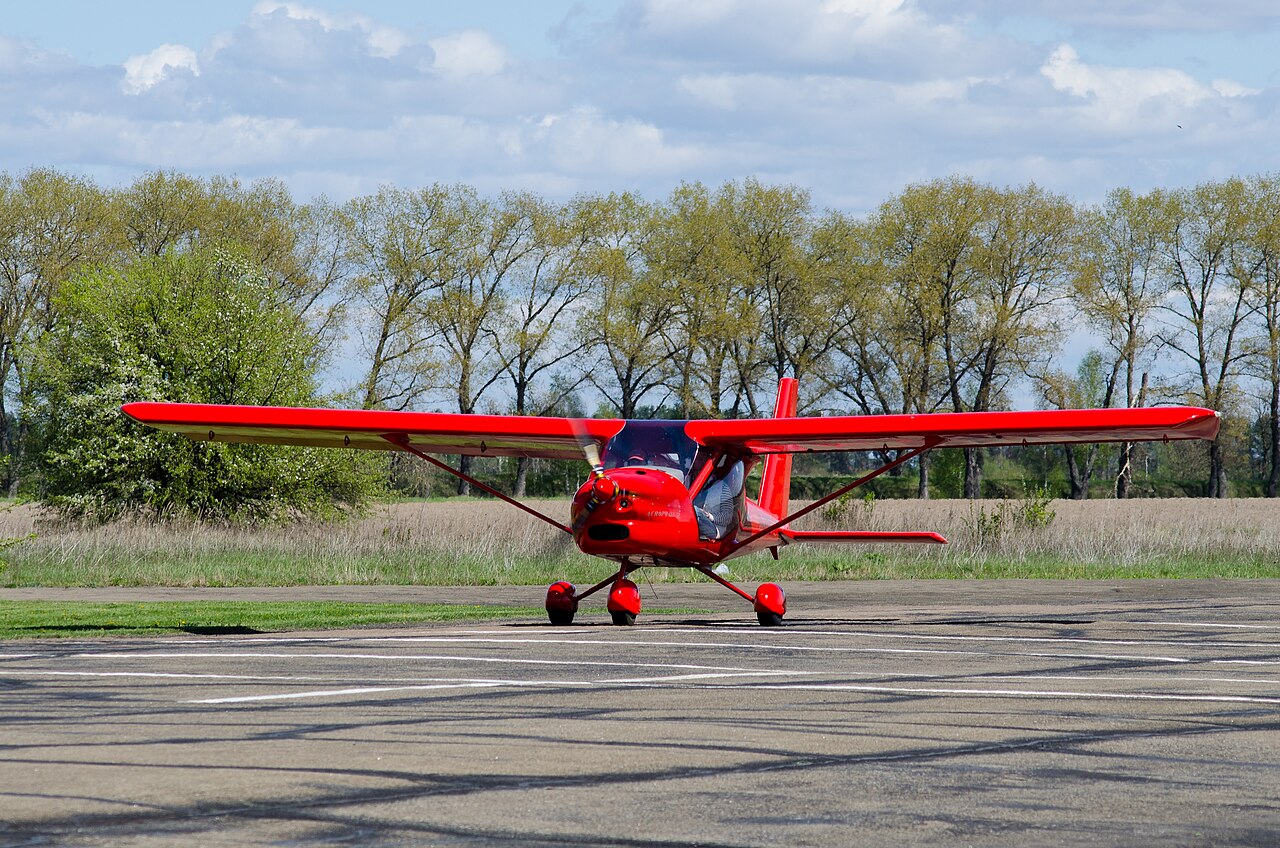
As with the previously demonstrated An-28 configuration, interceptor drones are mounted beneath both wings of the aircraft. Given the references to remote-control technologies and the limited size of the platform, it is likely that the drones themselves will be operated from ground control stations rather than directly from the aircraft.
No additional weapons have been observed on the A-32 platform so far, suggesting that interceptor drones will serve as its primary armament. However, the potential integration of small-arms weapons cannot be ruled out in the future.
The growing use of airborne interceptor drones reflects Ukraine's continued search for cost-effective methods of countering Shahed-type UAVs. By combining inexpensive aircraft with dedicated aerial interceptors, Ukrainian air-defense units may be able to expand coverage while preserving more expensive missile-based systems for higher-priority targets.
From the Defense Express side, we urge readers to join a fundraiser for a solution that is already proving effective: the One United Fundraiser, organized by the Serhiy Prytula Charity Foundation to support interceptor drones.

Read more: Ukrainian Drones Put Donetsk Airport Under Fire Control, Disrupt russian Operations