Over the past few weeks, several achievements in the field of anti-aircraft drones have become public at once, which very qualitatively demonstrate the level of development that allows us to speak about the final formation of not just individual solutions, but a unique system of systems in Ukraine.
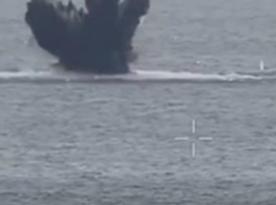
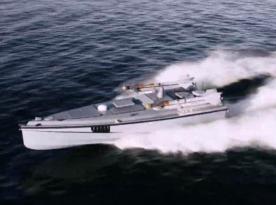
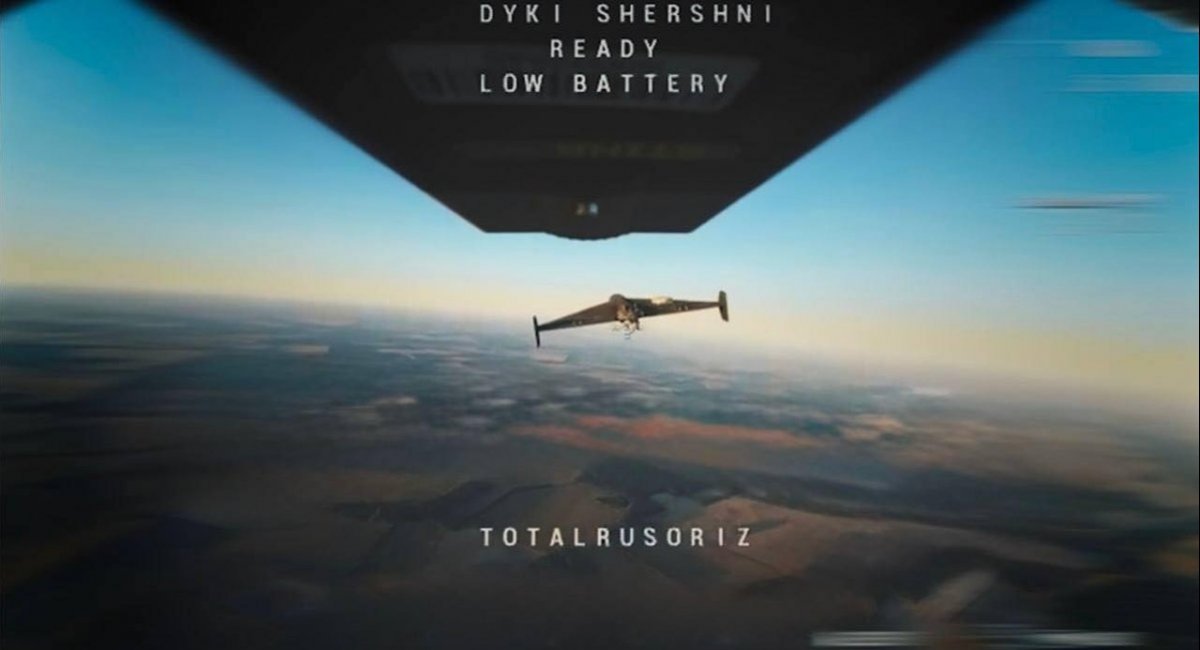
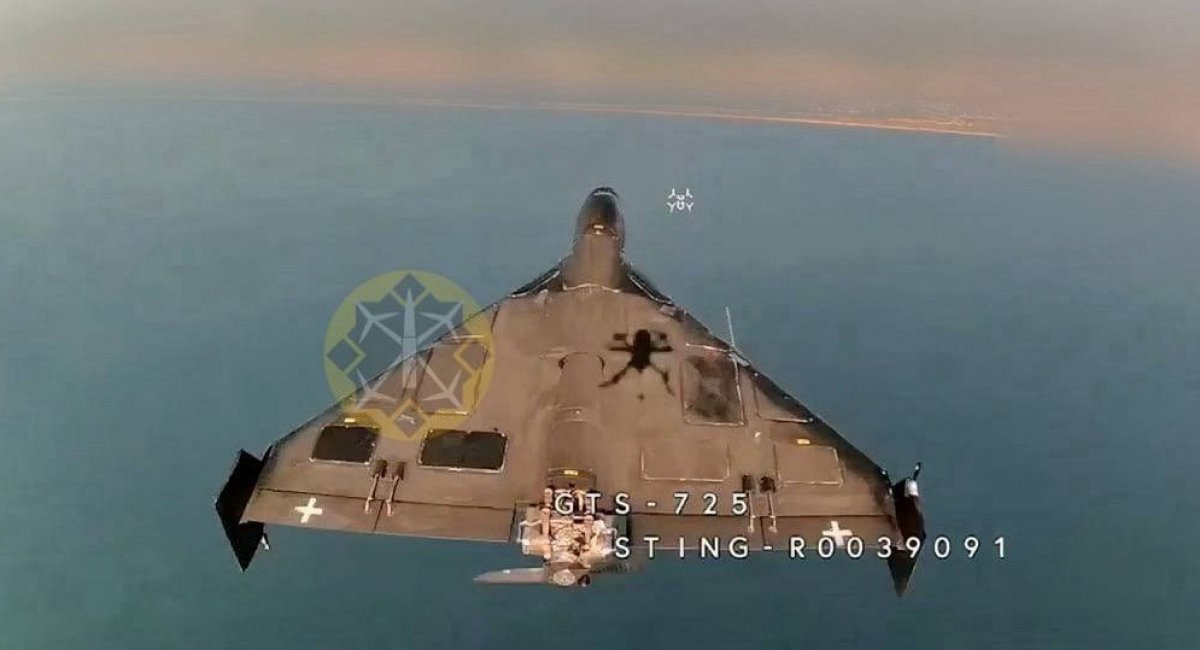
In particular, for the first time, a Shahed-type strike UAV was destroyed using an anti-aircraft drone launched from a unmanned surface vehicle (USV). Anti-aircraft drones were also successfully integrated into the An-28 aircraft. The next logical step will be further automation of platforms – because in the formula of a manned An-28 with anti-aircraft drones, it is the An-28 that can be replaced by a UAV, which will play the role of a carrier of anti-aircraft drones and a repeater.
Read more: Raven Air Defense System Has Downed Over 400 russian Targets in Ukraine, New Raven 5 Variant Spotted for First Time
In turn, remote control of anti-aircraft drones now allows Ukrainian operators to control them at distances of hundreds and even thousands of kilometers. This means that an operator of an anti-drone system, for example, sitting in Kyiv, can take turns shooting down the Shaheds attacking Odessa, Kharkiv and Zaporizhia, or even Dubai or Riyadh.
As for the last option, the Ukrainian Sky Map system, which is responsible for combining data on air threats from various types of detection means, was installed at the Prince Sultan airbase in Saudi Arabia. This was done to protect the American military, who lost $ 1.3 billion in weapons at this airbase as a result of Iranian strikes.
Thus, Ukraine already has developed serial technologies for integrating anti-aircraft drones, which are currently one of the few economically feasible means of combating the "Shaheds", onto all possible platforms - land, sea and air. These are no longer mobile fire groups with machine guns, but solutions with remotely controlled anti-aircraft installations.
Simultaneously with the kinetic destruction of enemy long-range drones, a system of electronic warfare means is operating in Ukraine that suppress satellite navigation and control channels. All this is combined into combat control systems, the effectiveness of which against drones is obviously better than what even the US armed forces currently have. At the same time, all these means can be remotely controlled using technology that has repeatedly confirmed its effectiveness in real combat conditions.
The key here is precisely the fact that this is a system of systems, and not separate, isolated solutions. The uniqueness of Ukraine's achievement lies in the establishment of a separate, effective anti-drone defense system. The requirements for this system differ from the requirements for standard air defense against aircraft, just as the requirements for missile defense differ.
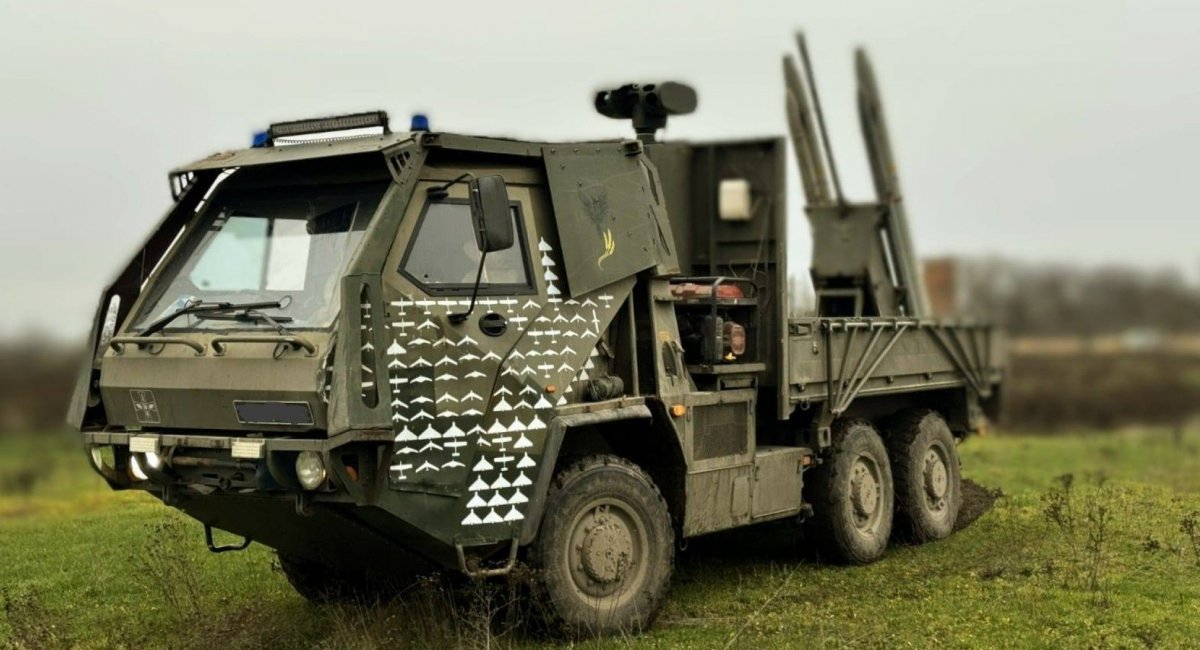
The main advantage of Ukraine is that such a complex system has the ability to increase its effectiveness by implementing new technological solutions. For example, in the future, anti-aircraft drones will massively receive integrated homing and target destruction solutions. It is also expected that in the near future, unmanned carriers of anti-aircraft drones will autonomously barrage for hours and days and wait for activation in given areas. At the same time, the control system will be able to independently predict the directions of enemy attacks. And when anti-aircraft drones begin to be replaced, for example, by combat lasers, such a system will simply evolve, expanding to another subsystem.
Read more: Ukrainian Wild Hornets Demonstrate 2,000 km Remote Drone Control with Hornet Vision Ctrl