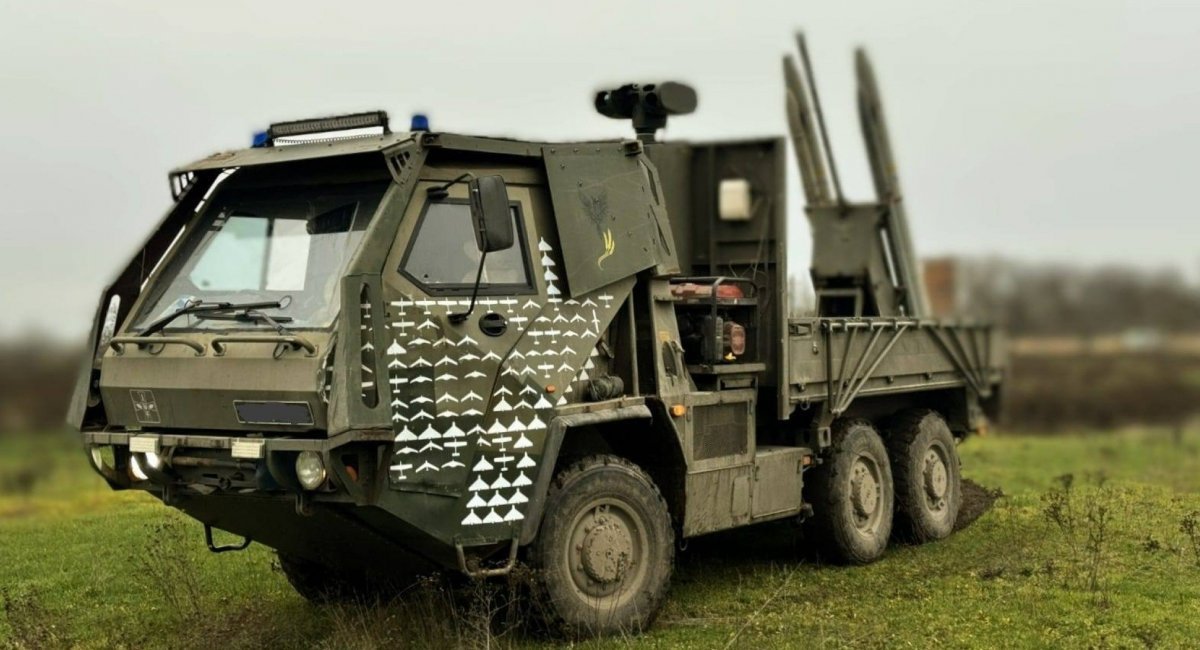
An image of the new system has recently appeared online, likely taken during a display of armored vehicles produced by Supacat. The author of the image identifies the system as Raven 5.
The original Raven system was specifically developed by the United Kingdom for Ukraine and first appeared in service in 2023. During its deployment, it demonstrated solid performance, with a reported effectiveness of around 70%, and has intercepted more than 400 aerial targets.
Read more: How the British-Ukrainian Raven SAM System Went from Concept to Combat in Record Time
The proposed Raven 5, firing ASRAAM missiles from a Moog Flexible Mission Platform (FMP). Ukraine seem to love their Ravens, but the fixed launcher requires missile to burn a lot of energy to turn to targets on other aspects - FMP can slew and fire in all directions. pic.twitter.com/MRCVGNcXyk— Jon Hawkes (@JonHawkes275) April 23, 2026
Both Raven and Raven 5 are based on various versions of the Supacat HMT chassis. For engaging aerial threats, both systems use AIM-132 ASRAAM missiles. However, Raven 5 introduces several important upgrades.
In the original Raven, the launcher was fixed in position and could only be deployed or stowed. After launch, the missile would adjust its trajectory toward the target. In Raven 5, the launcher is fully movable. In addition, the number of missiles has increased from two to four.
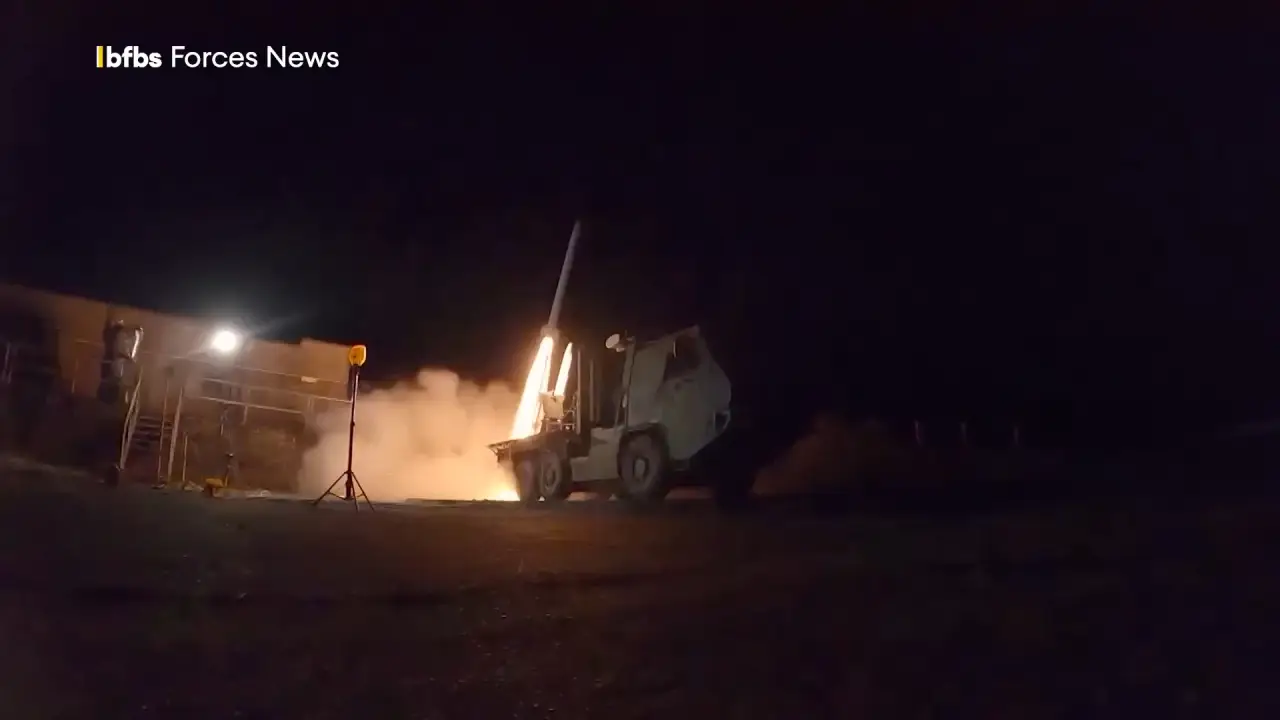
This allows the launcher to be oriented toward the target before launch. As a result, the missile preserves energy that was previously spent on maneuvering after launch, which likely increases both engagement range and overall effectiveness.
The increased missile load per launcher should also improve performance against massed aerial attacks, which is particularly relevant given russian strike tactics.
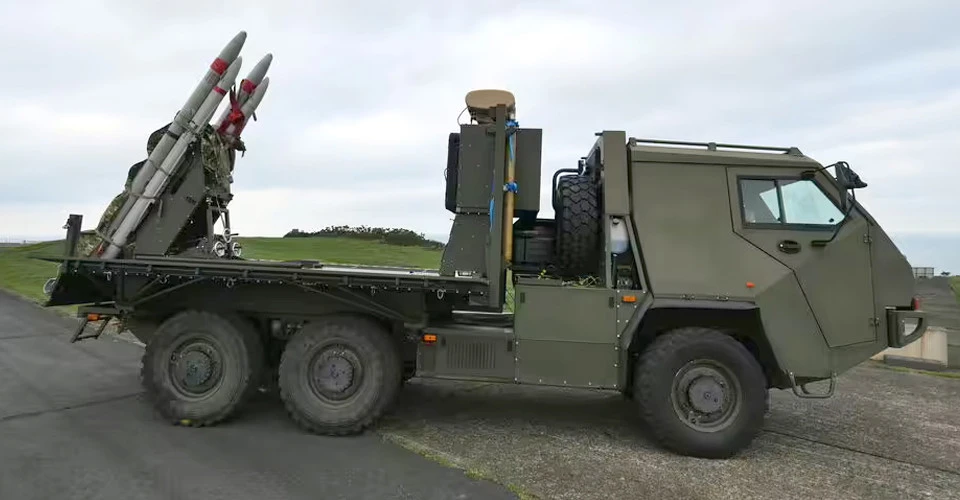
Interestingly, available images of Raven 5 do not show a visible electro-optical targeting system. In the original Raven, detection and guidance were handled by the Hawkeye EOSS, mounted on the vehicle and capable of independent rotation. In Raven 5, it is possible that the optical system has been integrated into the launcher and rotates together with it.
Another notable change is the enlarged cabin. Due to the use of a different chassis variant, Raven 5 now features a second row of seats, likely allowing the operator to work from inside the vehicle more comfortably. In the original system, control could be performed either from inside the vehicle or remotely using a portable control unit.
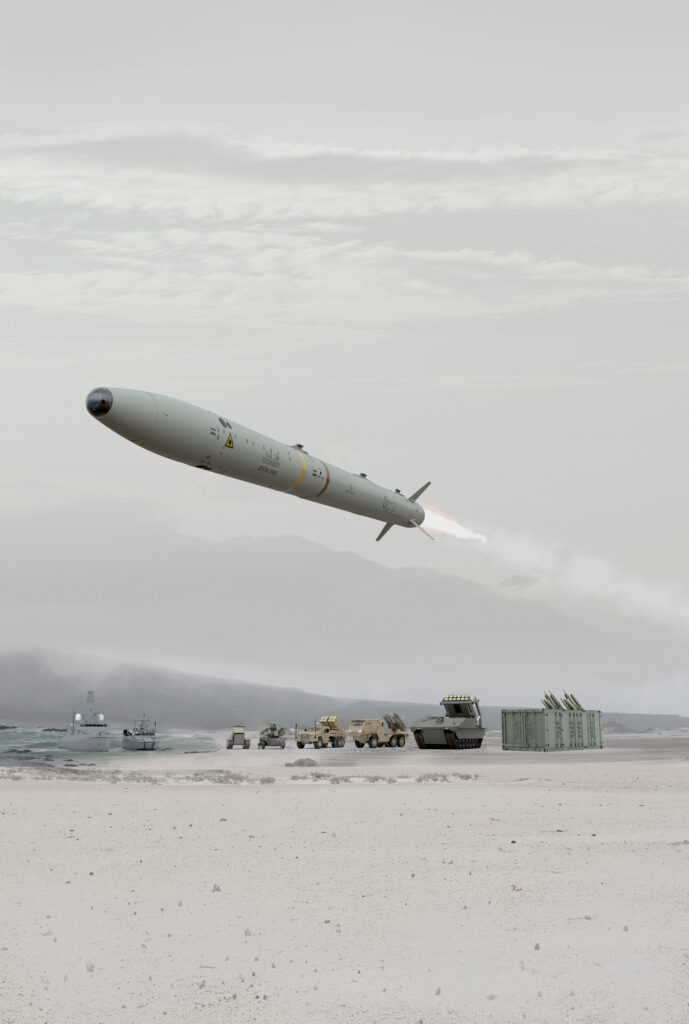
It is also worth noting that this version appeared earlier in conceptual form. In September 2025, MBDA presented a brochure featuring several new air defense concepts based on the ASRAAM missile. Among them was a system resembling Raven 5, although it was not officially named and was shown only as a low-resolution 3D model.
At present, there is no official information about Raven 5, including its confirmed designation. Further details are expected in the near future. Given that the original Raven was developed specifically for Ukraine, it is possible that the new version may also be delivered.
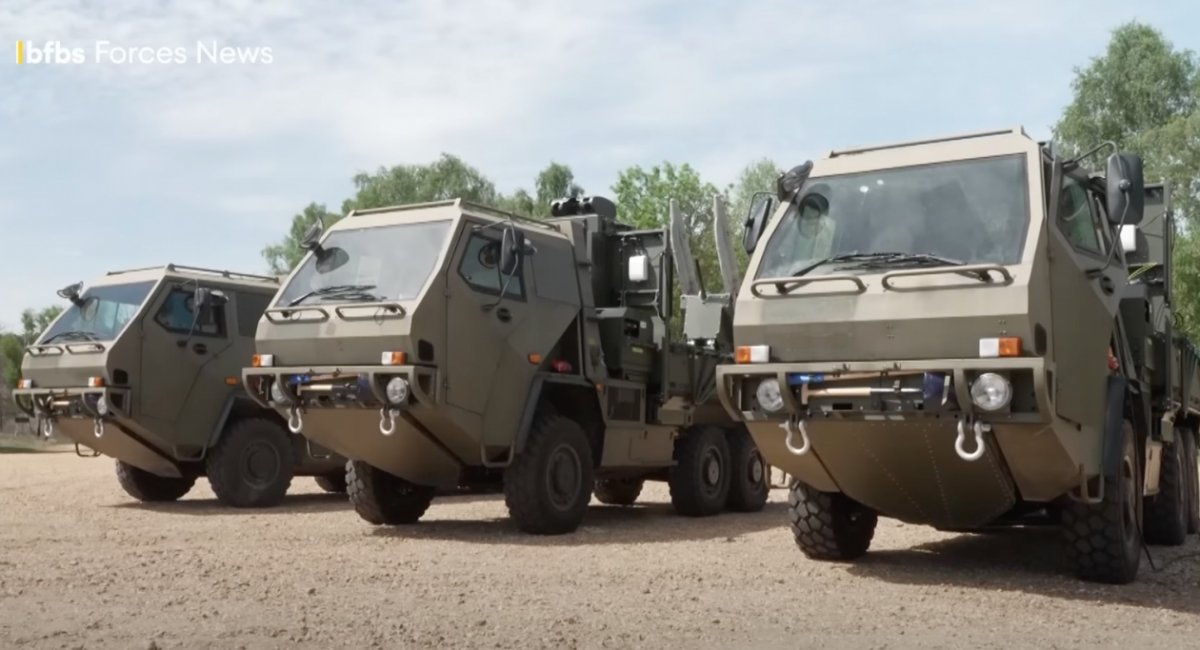
Earlier this year, it was reported that all ordered Raven systems, a total of 13 units, had been delivered. At the same time, there were indications that additional deliveries could follow.
Read more: MBDA Transforms RAVEN Into Full Lineup of ASRAAM Air Defense Systems