New high-resolution satellite imagery has shed light on damage to a key U.S. missile defense asset at Prince Sultan Air Base in Saudi Arabia. The images, recently circulated online, appear to confirm that a critical radar component supporting the base's missile defense was struck earlier in March.
At the center of the analysis is AN/TPY-2, a high-performance radar system essential for the operation of THAAD missile defense system. This radar plays a crucial role in detecting and tracking ballistic missile threats, particularly those originating from Iran.
Read more: 2-3 Weeks Left to Save FCAS Before Official Cancellation, Dassault Won't Budge, German Unions Want Out
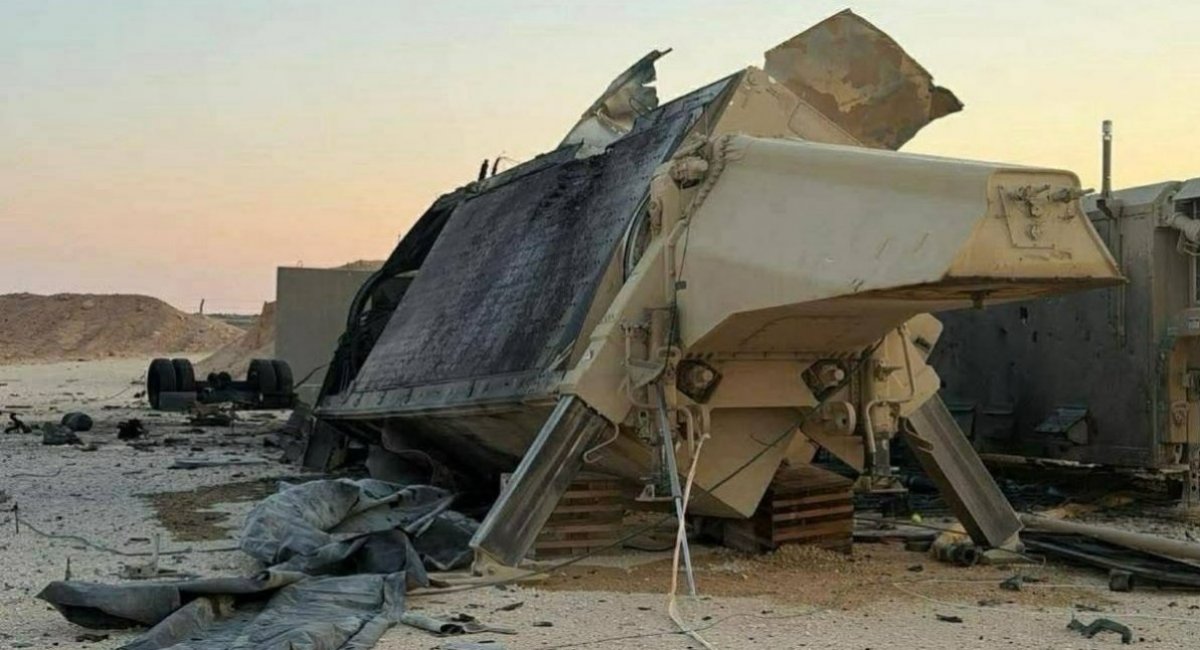
The newly released imagery shows a heavily damaged radar position, including a burned-out shelter that previously housed supporting elements such as generators and control units. Nearby, a cluster of vehicles, likely associated support equipment, appears to have been moved away from the site, possibly in an attempt to prevent further losses after the strike.
Notably, the radar array itself appears to have suffered significant damage. Based on visual analysis, parts of the radar structure show signs of burning, suggesting that the system may be beyond repair. If confirmed, this would represent a serious degradation of the base's missile defense capabilities.
Given the relatively limited blast damage visible in the imagery, analysts suggest the strike may have been carried out using a drone rather than a missile. Such a method would align with a precision strike intended to disable a high-value asset without causing widespread destruction.
The implications of this damage extend beyond the radar itself. By potentially disabling the AN/TPY-2 radar, the strike may have temporarily reduced the effectiveness of the THAAD system protecting the base, creating a window of vulnerability to further attacks.
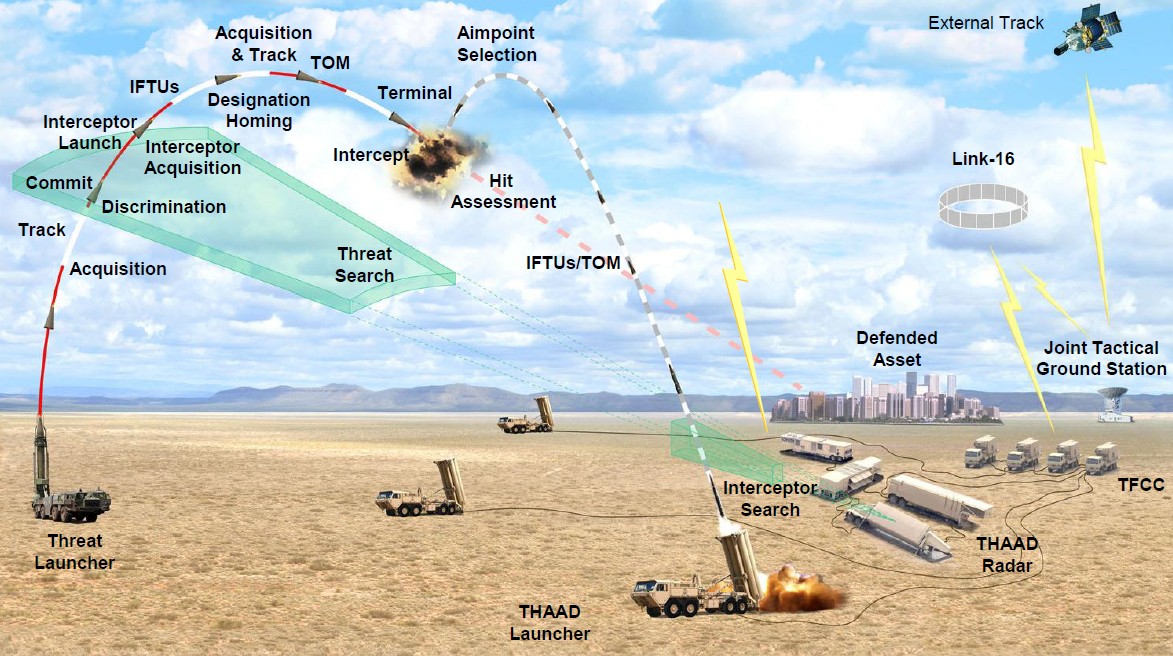
Indeed, subsequent reports have indicated damage or destruction of several high-value U.S. aircraft at the base, including the E-3G Sentry, KC-135 Stratotanker, and possibly EC-130H Compass Call platforms. If accurate, this sequence suggests a deliberate strategy: first degrade air and missile defense sensors, then strike exposed aviation assets.
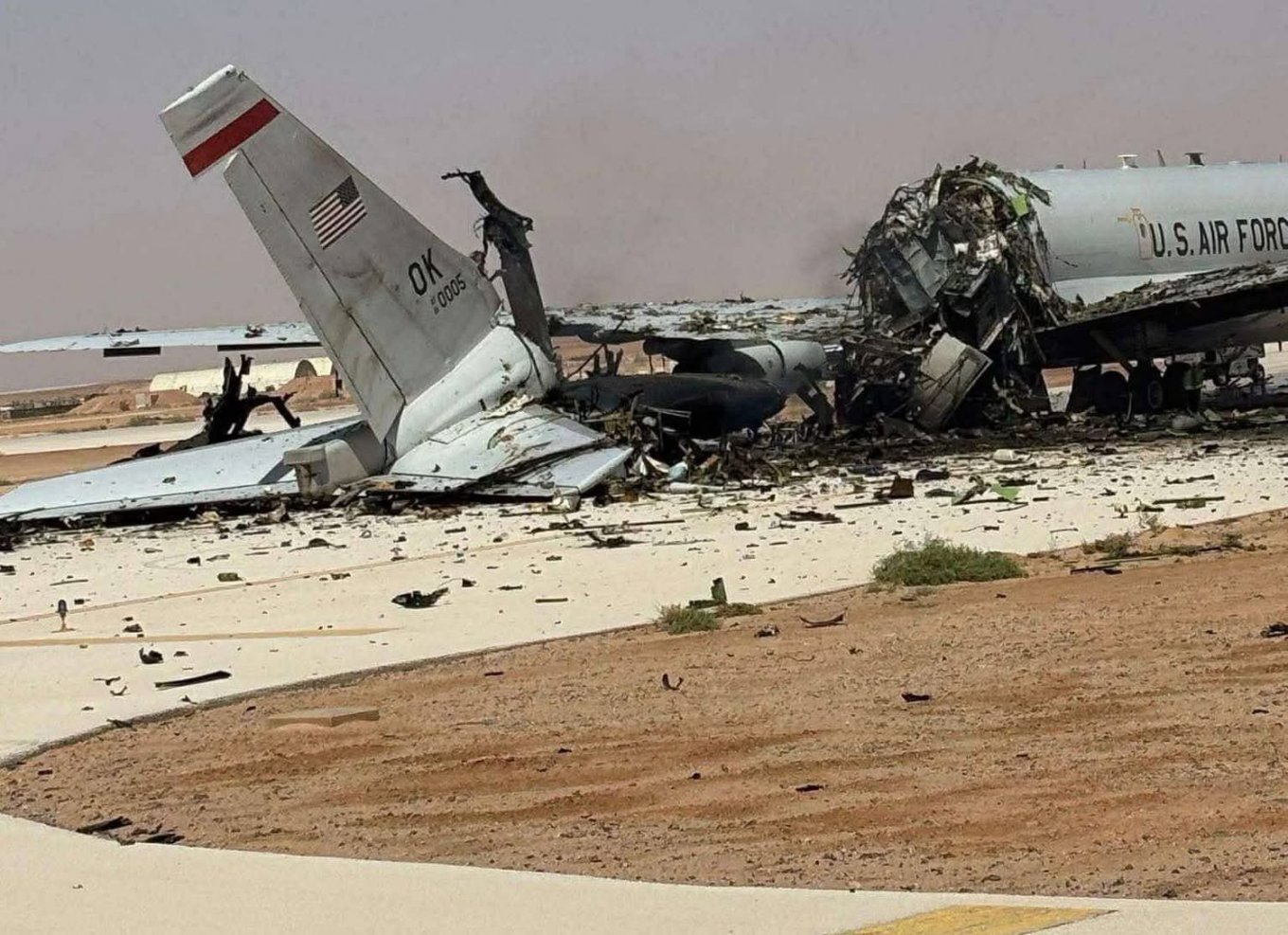
The AN/TPY-2 radar itself is a rare and high-value system, with an estimated cost ranging from $500 million to $1 billion and only around 20 units produced. Built using gallium nitride technology and operating in the X-band, it offers exceptional resolution and detection range, reportedly up to 1,000 kilometers or more. Its loss, even temporarily, would represent not just a tactical setback, but a significant strategic and technological blow.
Read more: New Weapon in Iran War? Graphite Bombs Could Shut Down Electrical Infrastructure Without Physical Destruction