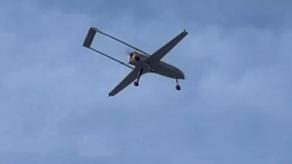
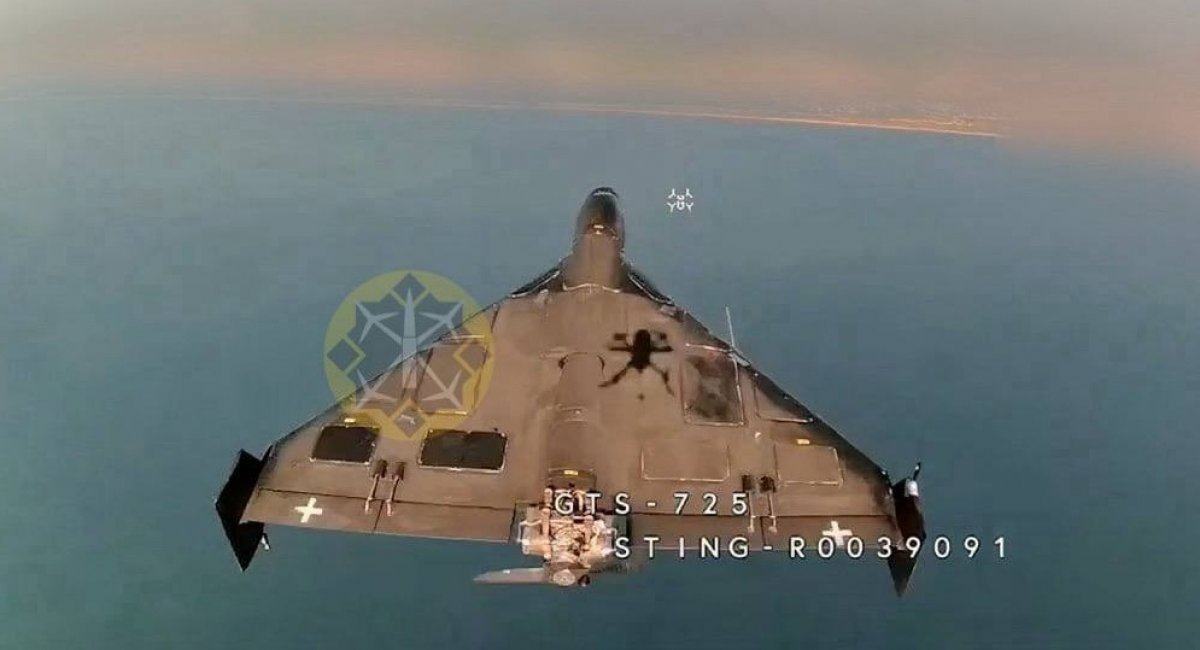
The Ukrainian drone manufacturer Wild Hornets showcased the capability of its Hornet Vision Ctrl system by remotely operating the Sting interceptor drone at a distance of 2,000 km. According to available reports, the operator was located abroad, while the drone itself was deployed in northern Ukraine.
The released footage shows the operator conducting takeoff and controlling the drone while receiving a high-quality video feed.
Read more: Ukrainian Wild Hornets Workshop Revealed Impressive Effectiveness of Their Sting Interceptors Against Shahed/Gerbera Type UAVs
Speculation that the operator was located in the Persian Gulf region is unlikely to be accurate, as the distance from northern Ukraine exceeds 2,500 km.
The pace at which new range records are being set is particularly notable. As recently as March, developers demonstrated a successful interception at a distance of up to 34 km, stating that the system could enable control at ranges of up to 100 km.
Two weeks ago, in early April, a Ukrainian serviceman, Roman Hulk from the Bulava unit, reportedly shot down two Shahed-136 drones while located 500 km away from the interceptor drone.
An absolute world record — a pilot took down a Shahed with interceptor STING at a distance of 500 kmUsing Hornet Vision Ctrl technology, Roman “Hulk” from the BULAVA unit downed two Shaheds located 500 km away This is the first time in the world someone has flown that far… https://t.co/EcXMPKSXNQ pic.twitter.com/wNyjTpMdz9
— Wild Hornets (@wilendhornets) April 4, 2026
Wild Hornets has not disclosed detailed technical specifics of the Hornet Vision Ctrl system, describing it only as part of a "unique drone control ecosystem." However, it is evident that the system operates as a relay-based architecture with high-speed data transmission. Data is likely transmitted from the drone to a ground station and then, most likely via the internet, to the operator and back.
The main challenge of relay-based systems, especially over long distances, is signal delay, commonly referred to as latency or ping. This means the operator receives a delayed video feed, while control inputs reach the drone with additional delay. Therefore, Hornet Vision Ctrl likely focuses on minimizing latency and reducing its impact on operational effectiveness.
Overall, this approach, combined with the integration of artificial intelligence algorithms, could allow drone operators, whose skill directly determines mission effectiveness, to be positioned far from the front line. It may also enable a single operator to control significantly more drones within the same timeframe by switching between different sectors of the front or air defense zones, regardless of their location.
Read more: Ukrainian Wild Hornets Workshop Reveals How Many russian Drones Downed by Sting Interceptors in Five Months