


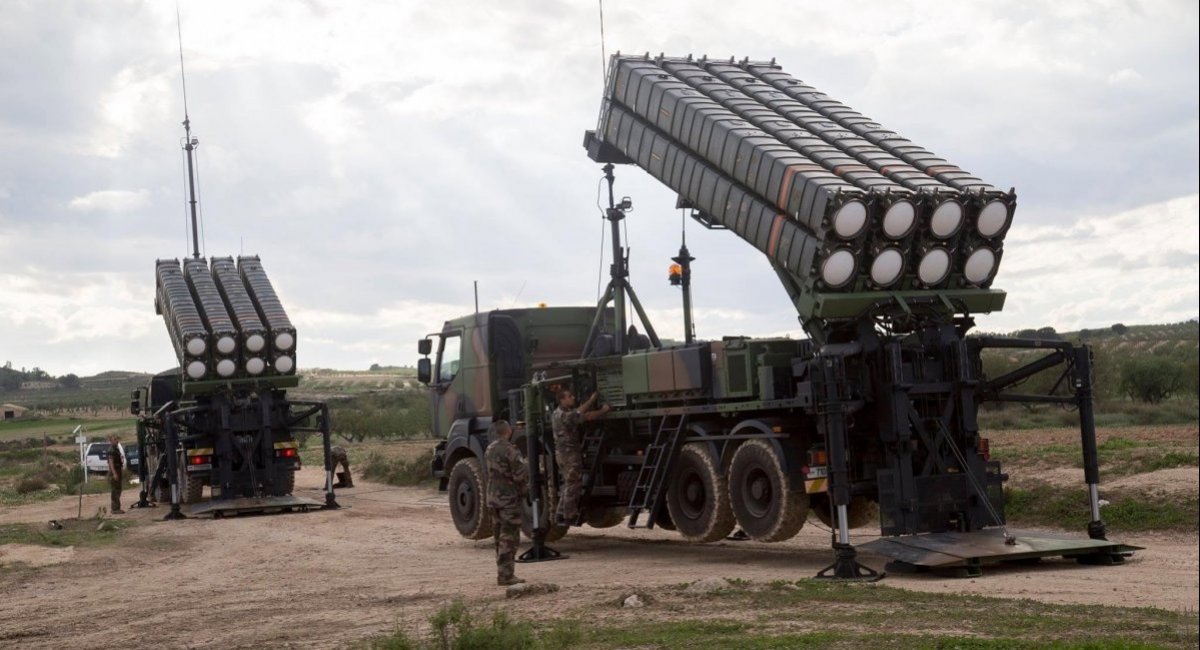
One of the most important results of the last G7 meeting for Ukraine can be considered the decision on granting licenses for the production of weapons.
Consideration of the issue of granting licenses is prescribed in the joint statement of the "Big Seven": the USA, Canada, Germany, Italy, Great Britain, Japan and the EU. There is also an unofficial clarification that priority is given to air defense systems as well as long-range weapons.
Read more: Even Maximum Patriot Missiles Deliveries to Ukraine Would Not Bridge the Gap With russia’s Missile Production
It should be noted that any establishment of the production of modern weapons is a process that takes a lot of time, and the more complex the model and the less experience you have, the more time it takes.
That is why, if there is an expectation of obtaining licenses for the production of, for example, missiles for the Patriot SAM systems, it is necessary to take into account that in Japan it took two years from the moment of concluding a firm agreement to localize the assembly of PAC 3 missiles. At the same time, Germany is to build a production line for PAC 2 GEM-T missiles in September of this year - two years from the start of work too.
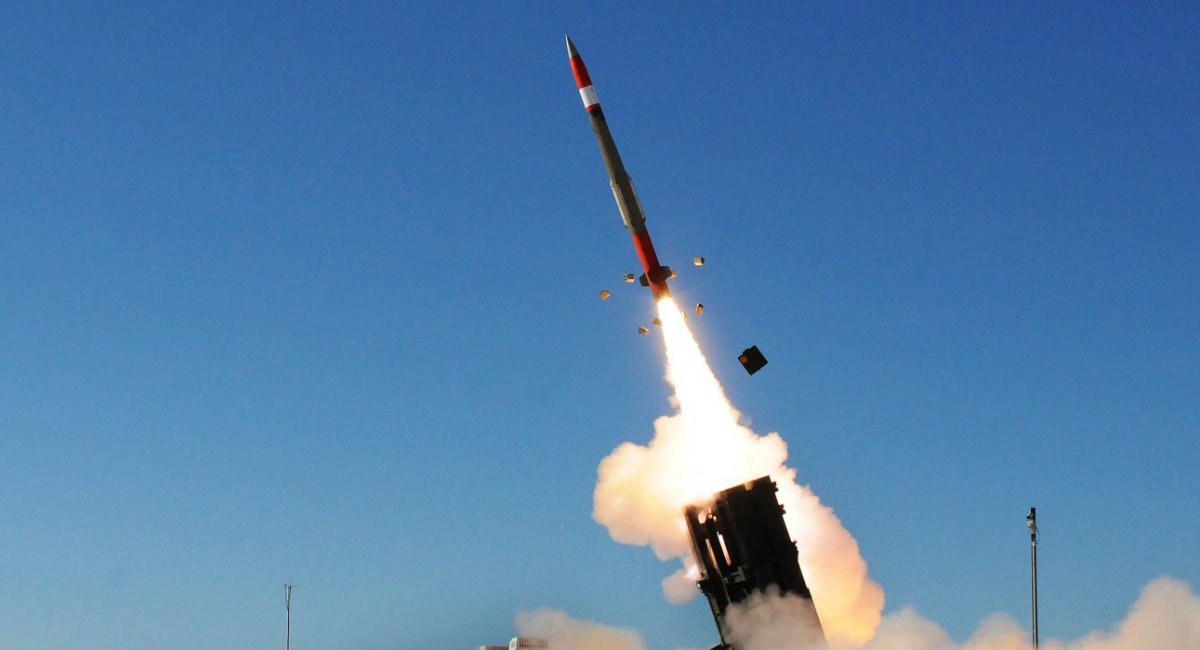
It should also be understood that American companies and the US leadership are likely to demonstrate a conservative position regarding access to their technologies. For example, if we continue the topic with Patriot, the experience of Poland is an excellent indicator, when access is provided only to minor components, such as elements of the transport and launch canister, and the process of mastering the production of micromotors is stretched for seven years.
In contrast, European countries and companies demonstrate an open constructive position based on cooperation. This process is already underway without a G7 decision, for example, the pan-European missile conglomerate MBDA will cooperate with Ukrainian Luch Design Bureau on the Neptun 2 missiles. That is, this decision of the G7 countries may become an accelerator of already launched processes.
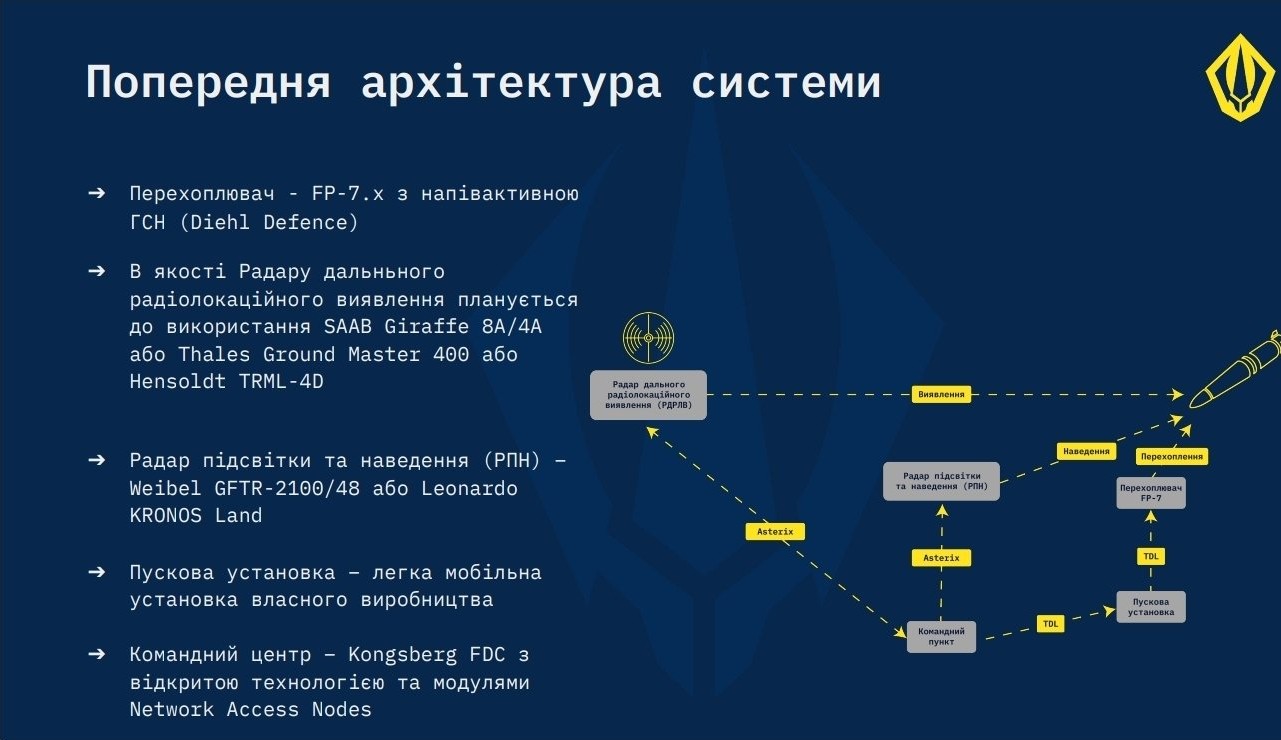
At the same time, for Ukraine, the localization of the production of homing heads for surface-to-air missiles, which are going to be used in the FP-7.x anti-ballistic missile by Fire Point, may indeed be more relevant, for example, since German components are to be used in this Ukrainian anti-ballistic system.
Ukraine may also be very interested in the technology of producing high-energy solid fuel, which will allow adding flight range to the missile or increasing the power of the warhead. Another desirable direction for Ukraine to develop could be the technologies of lateral control, which are used in the Aster 30 missile, which allows for the implementation of kinetic interception technology due to its super-maneuverability.
As for long-range systems, currently the only country in Europe that has its own ground-based cruise missiles with a range of over 1 thousand kilometers is Ukraine. That is why we can talk about components, and not about ready-made means - about homing systems, engines, stealth technologies, etc.
That is, for Ukraine, a more interesting option may be the integration of the necessary components into existing and promising weapons models, which are at the intersection of urgent needs, availability of technology and its own competencies.
From the Defense Express side, we urges you to join a fundraising for what is already working: One United Fundraiser: Fundraising by the Serhiy Prytula Charity Foundation for interceptor drones.

Read more: Is Pentagon Considering Ukrainian FP-7.x as New Cheap Anti-ballistic Missile for Patriot SAM to Replace PAC-3 MSE