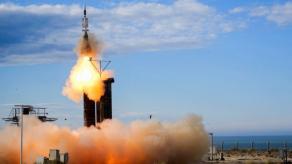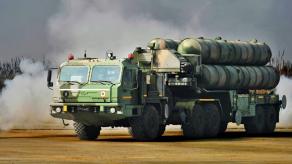



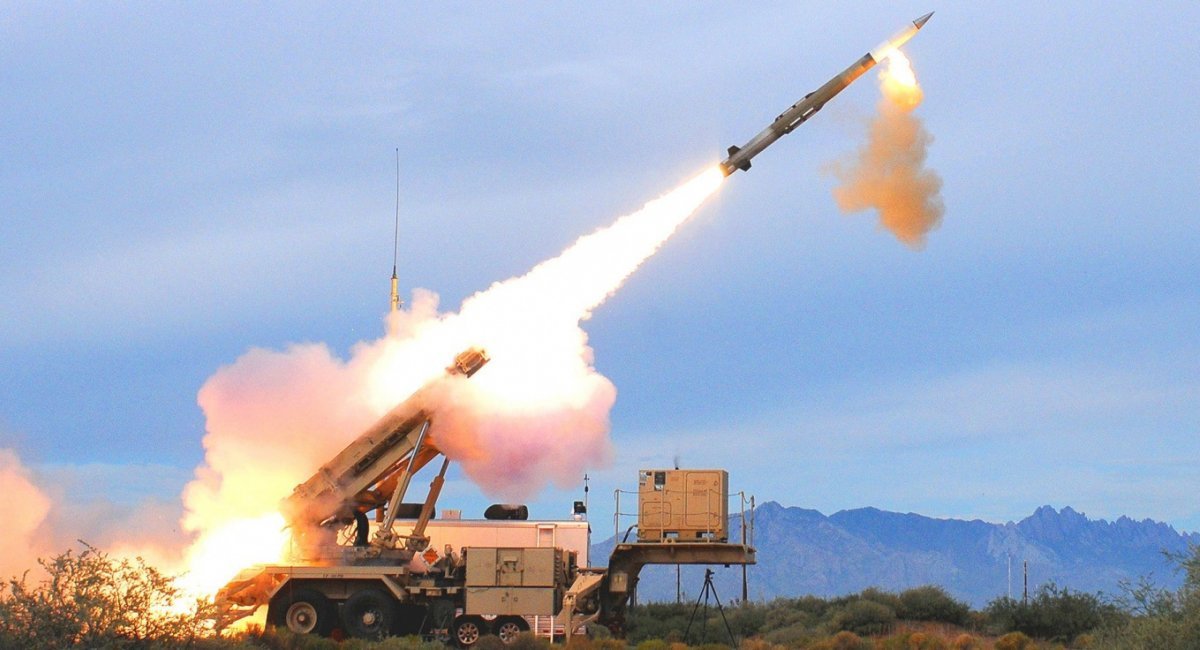
Patriot interceptors cannot serve as a standalone solution, because even if the United States were to transfer its entire output of PAC-3 MSE missiles, the available quantities would still fall short. This makes it necessary to rely on additional types of defensive and offensive measures.
russian production of ballistic, aero-ballistic, and hypersonic missiles has already significantly outpaced the production of interceptors for the Patriot air defense system. This is supported by data from the Defense Intelligence of Ukraine.
Read more: Ukrainian Long-Range Drones Strike russia's 15th Navy Arsenal While Fires and Detonations Follow (Video)
Ukrainian outlet Ukrainska Pravda published a response from Ukraine's Defense Intelligence regarding estimates of russian missile production. However, while this information may appear to indicate a sharp increase in output, the same figures were previously published a month earlier by NV.
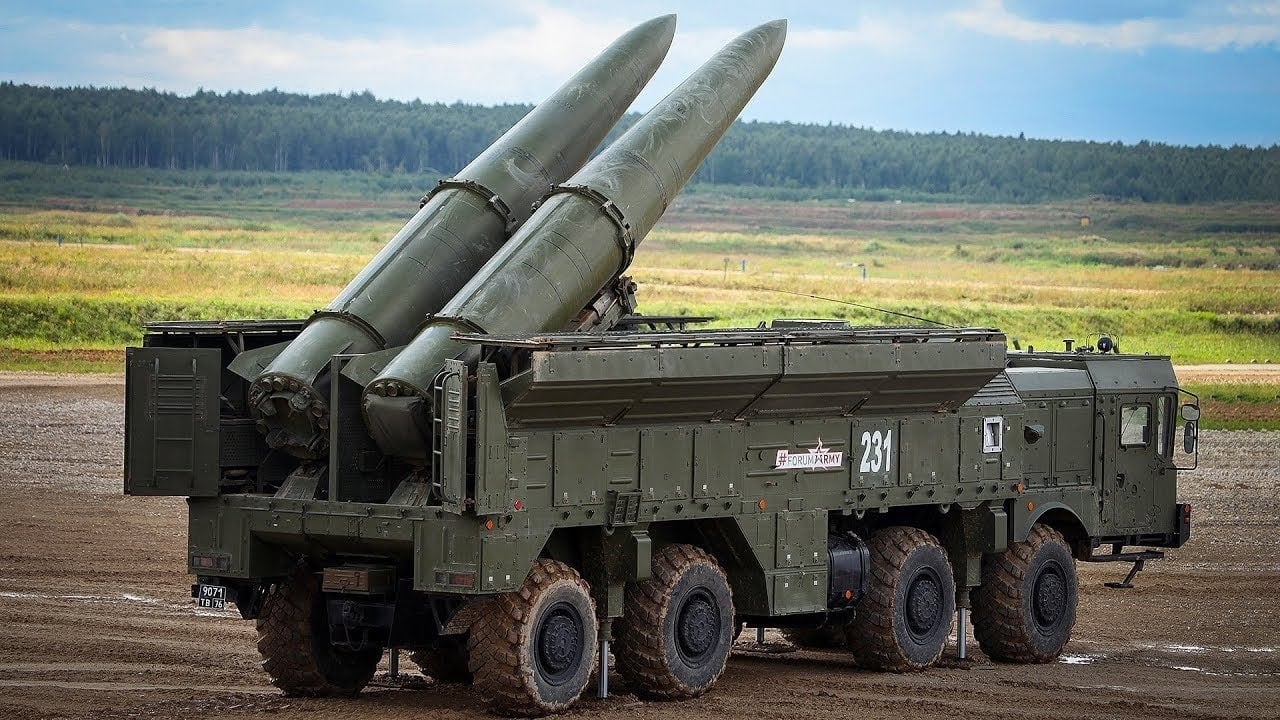
According to Ukrainian intelligence data, focusing only on missile types that require Patriot-class interception systems, russia produces the following monthly volumes:
- 9M723 ballistic missiles for the Iskander-M OTRK: 60 units
- RM-48U ballistic missiles for S-300/400 systems: 40 units
- Kh-47M2 Kinzhal aero-ballistic missiles: 10 units
- Zircon hypersonic missiles: up to 3 units
In total, this amounts to up to 113 ballistic, aero-ballistic, and hypersonic missiles per month.
By comparison, in 2025, U.S. defense contractor Lockheed Martin produced 620 PAC-3 MSE interceptors, which equals roughly 51–52 missiles per month.
Even with planned production increases, output in the current year is expected to reach 700–750 interceptors annually, or approximately 58–63 per month on average.
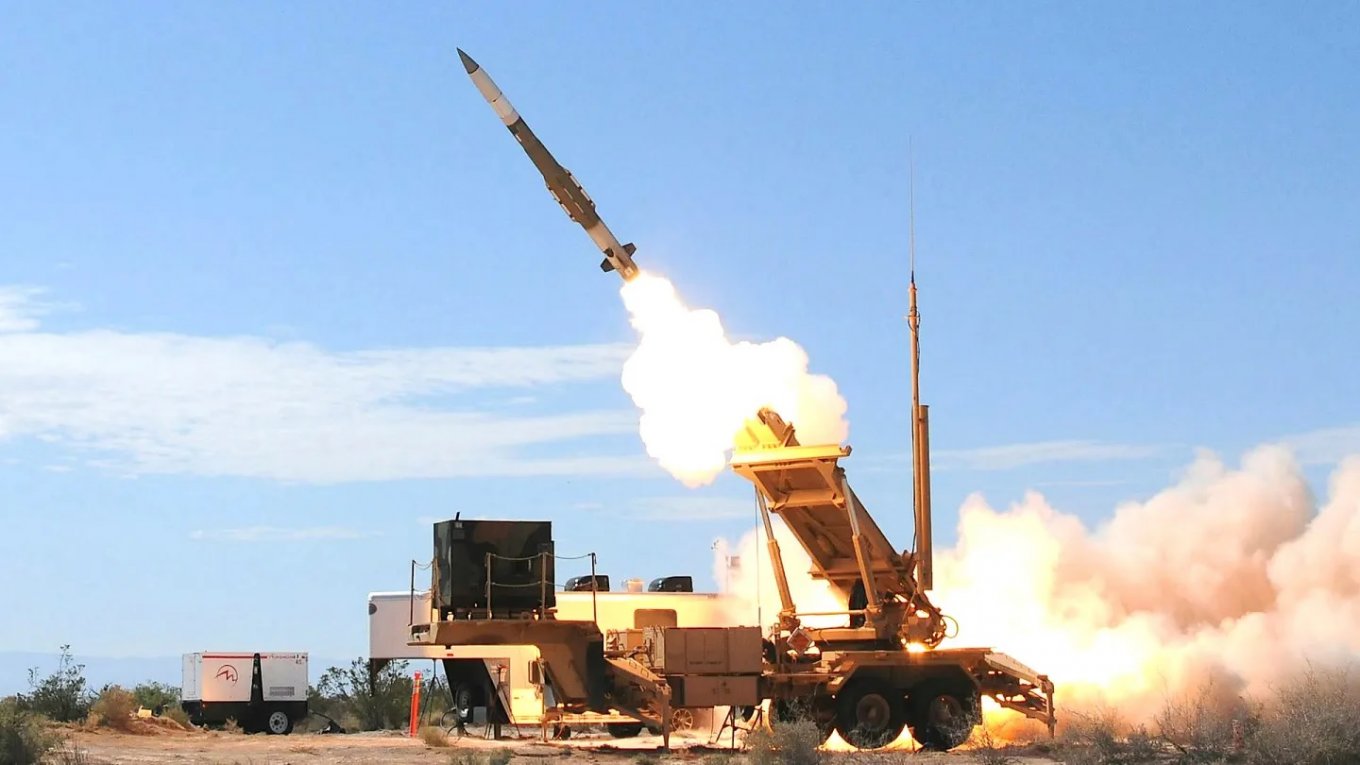
This means that even if Washington were to radically change its policy and redirect all produced interceptors to Ukraine, the supply would still be insufficient. This is true even under a 1:1 engagement ratio, which is already more optimistic than real-world usage, where Ukrainian Air Force doctrine often requires two interceptors per target.
At the same time, deliveries of Patriot interceptors to Ukraine remain constrained, as the United States is seeking to replenish its own stockpiles after operations against Iran, during which estimates suggest 45% to 61% of available interceptors were expended.
A similar replenishment effort is also underway among countries such as Bahrain, Kuwait, Qatar, the United Arab Emirates, and Saudi Arabia, which are also believed to have expended several thousand Patriot interceptors in recent years.
For this reason, interceptor missiles alone cannot be a sufficient answer to russia’s ballistic missile threat. Without strikes on launch systems, storage facilities, and missile production infrastructure, any purely defensive approach will struggle to keep pace with the scale of the threat.
From the Defense Express side, we urge readers to join a fundraiser for a solution that is already proving effective: the One United Fundraiser, organized by the Serhiy Prytula Charity Foundation to support interceptor drones.

Read more: Hitting St. Petersburg with HIMARS: U.S. Advances PrSM Increment 4 Engine Toward 1000 km-Class Range