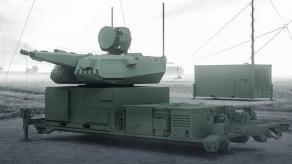
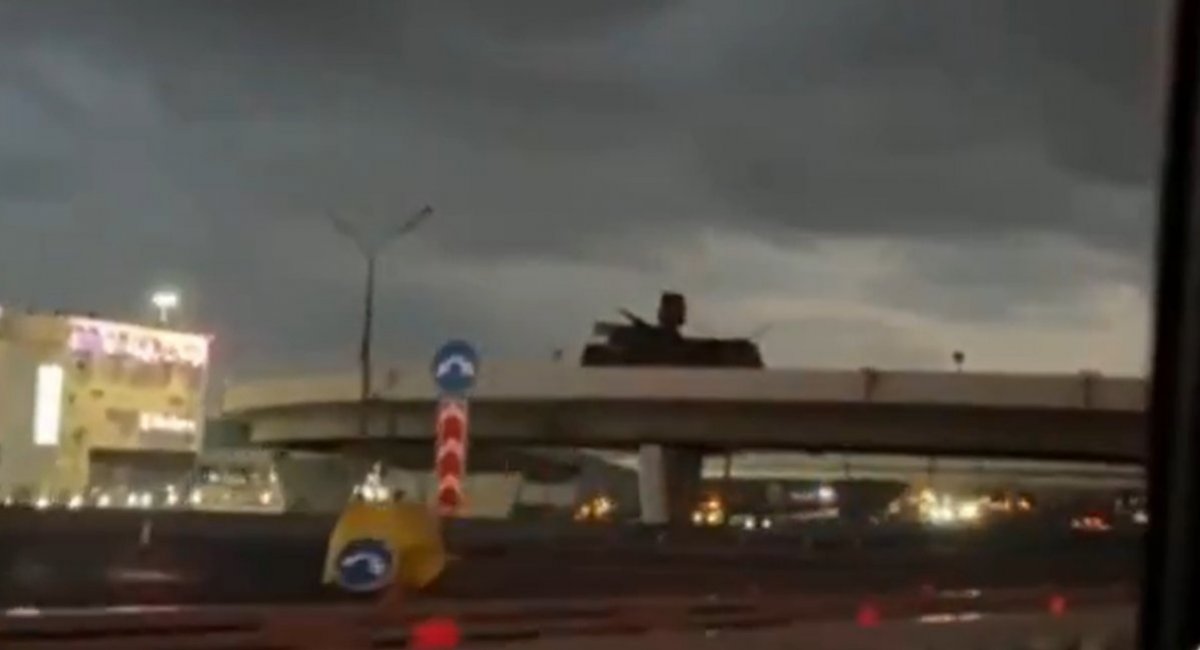
Recently, the Defense Forces of Ukraine used drones to launch two devastating strikes against the Moscow oil refinery, located just 15 km from the Kremlin. Even with four layers of air defense, the Moscow oil refinery is also covered by a tower-mounted Pantsir-S1 in a nearby forest.
To prevent another strike like this, russia began deploying every available air defense system on the very same day as the second attack. At the same time, a Pantsir system, apparently redeployed from the front line, was spotted just a few hundred meters from the Moscow oil refinery — suggesting growing shortages of interceptor missiles.
Read more: russian Pantsir-S2 System Burns After Precision Drone Strike in Zaporizhzhia (Video)
However, apparently realizing how ineffective Pantsir systems are, russians decided to deploy several of them at a single location. Based on videos available online, we determined that russians deployed three Pantsir air defense systems of different variants within a 300-meter radius of one another.
All of them were hastily deployed on elevated positions—overpasses at the exit of the Moscow Ring Road, less than a kilometer from the Moscow oil refinery. In other words, at least four Pantsir systems have been deployed right next to the refinery.
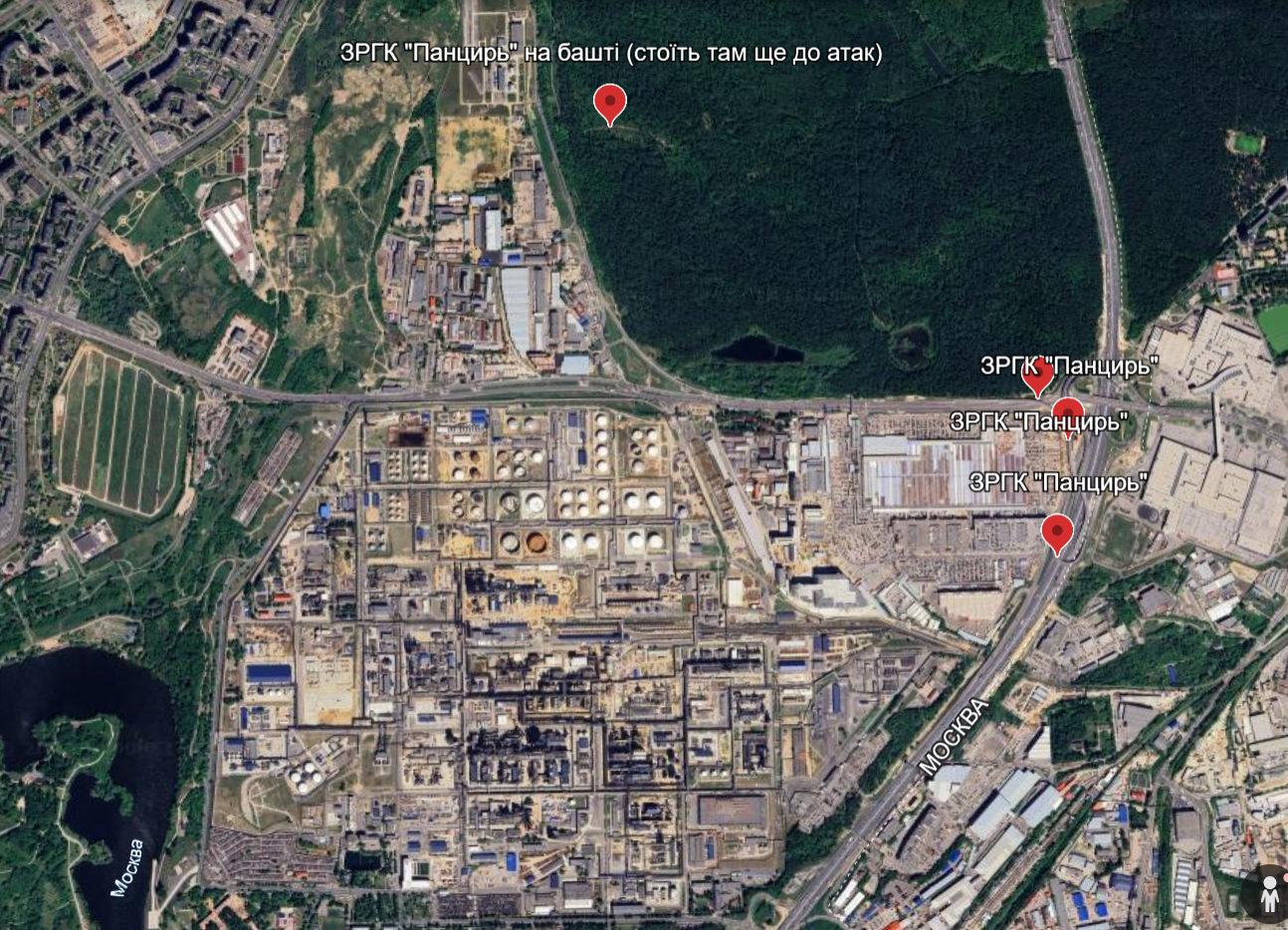
It is possible that additional systems have been deployed nearby, but so far none have been seen on camera. As a result, the concentration of Pantsir systems around the Moscow oil refinery has reached extreme levels.
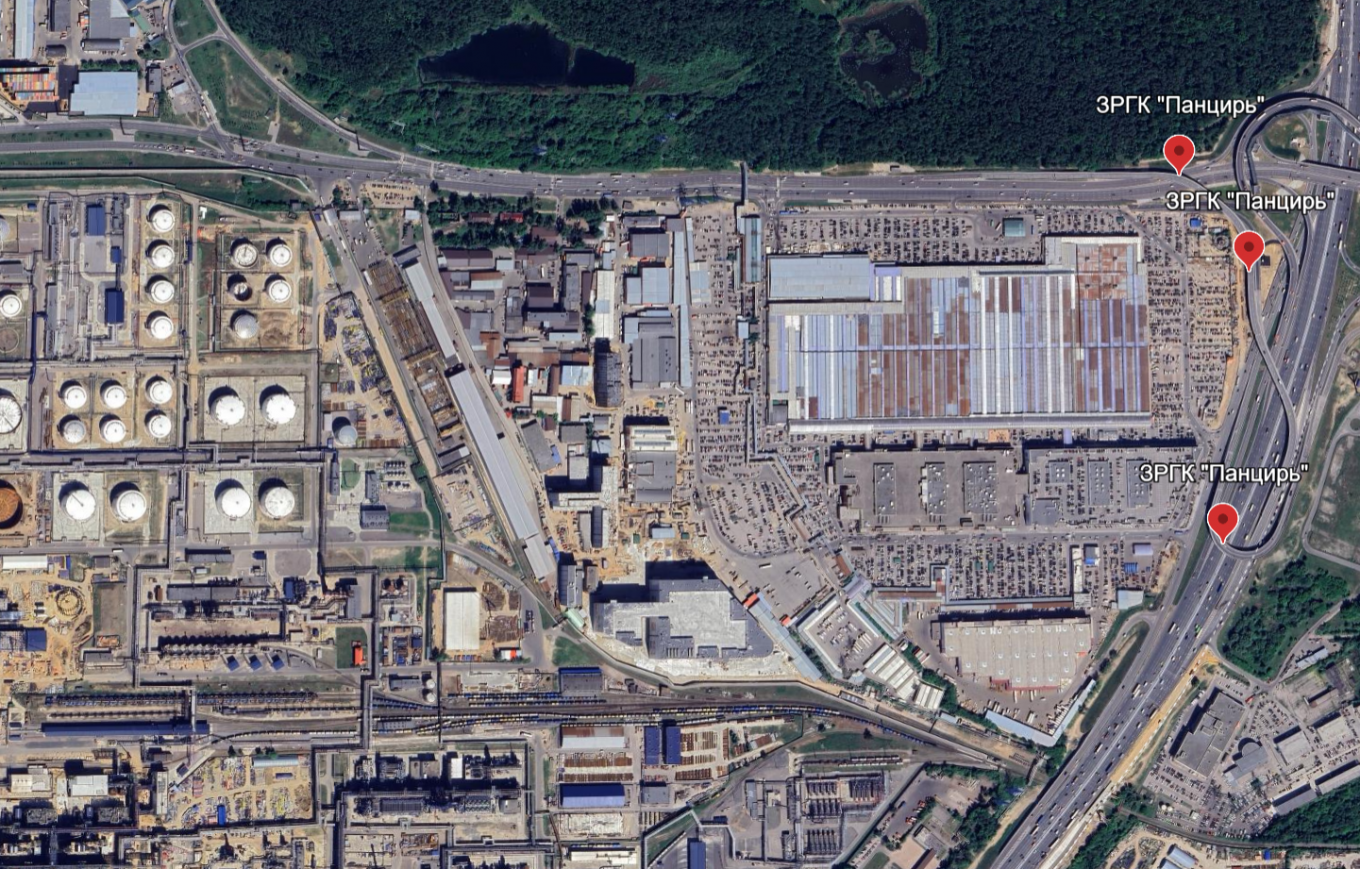
It is worth noting that, according to available information, the Moscow oil refinery has halted operations following the last two strikes. For now, another airstrike does not appear necessary. To reinforce the refinery's defenses, russia has transferred air defense assets from other areas, including at least three Pantsir systems.
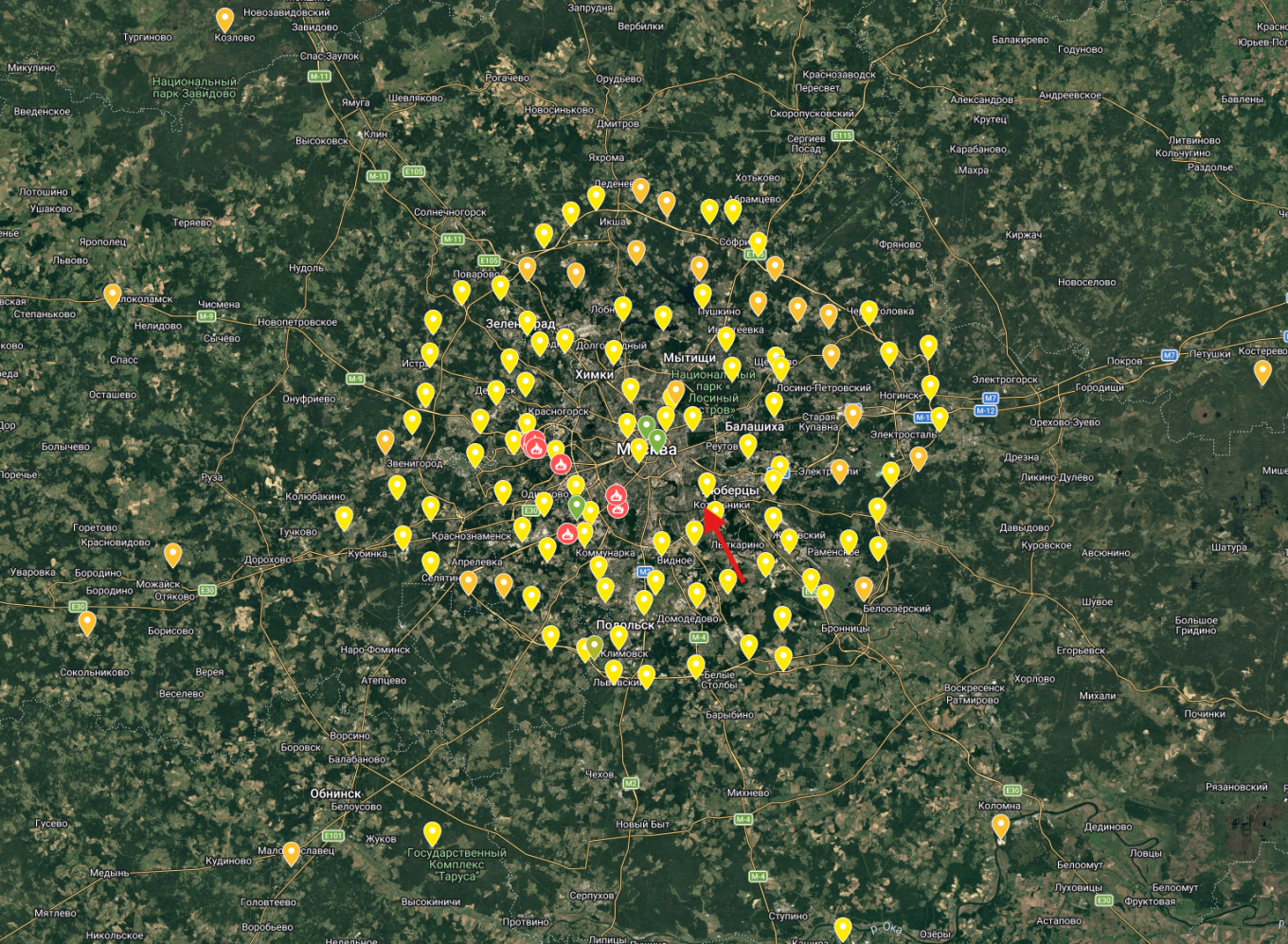
In other words, security at other important russian facilities has been scaled back in favor of the oil refinery, which in turn should increase the effectiveness of subsequent Ukrainian strikes.
Before the attacks, the Moscow oil refinery processed up to 11 million metric tons of crude oil annually, covering roughly 40% of Moscow's gasoline demand and 50% of its diesel consumption, and supplying jet fuel to Moscow's airports.
Read more: What Did VZPP Plant in Voronezh Do Before Ukrainian Cruise Missiles Struck It, and Why Does It Matter for Kh-101, R-500?