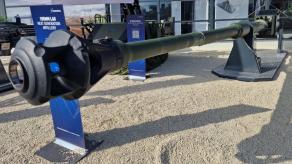



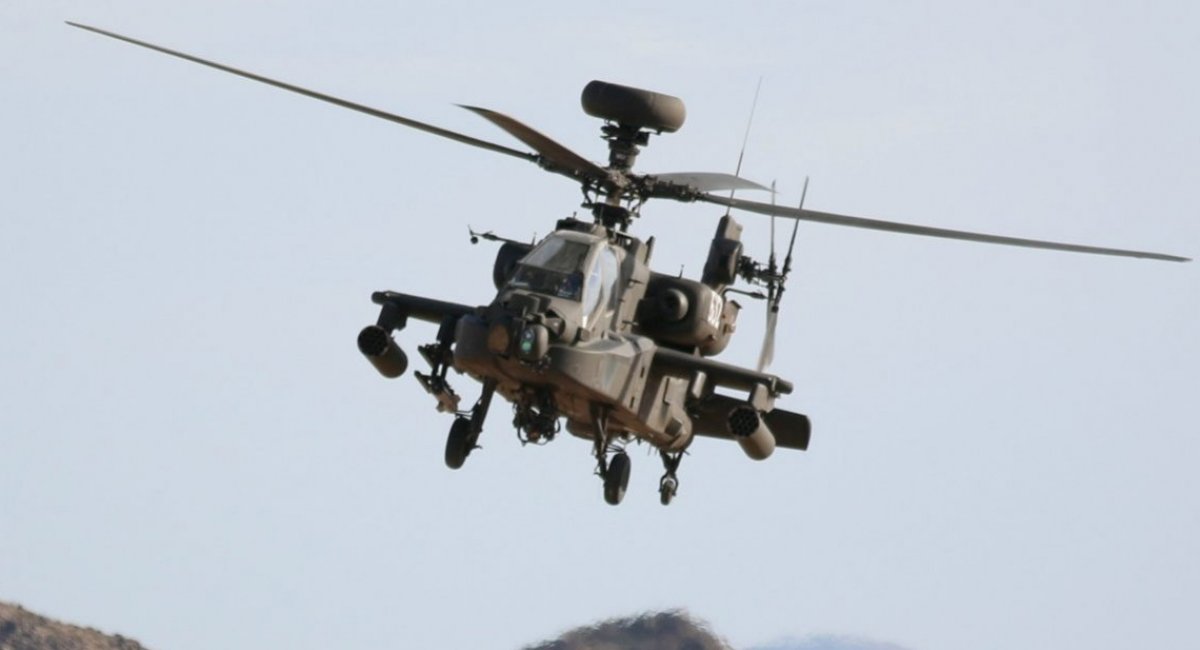
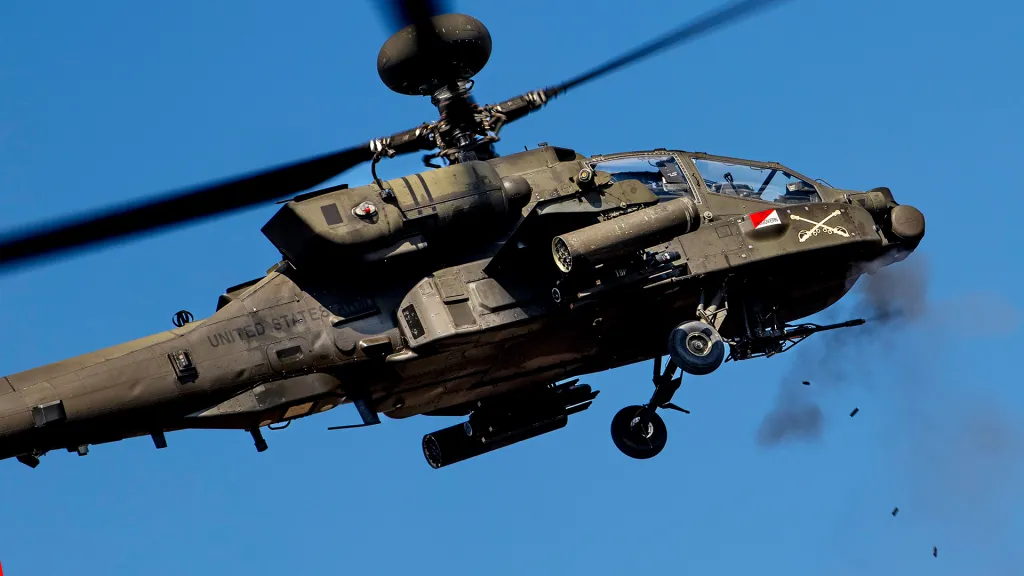
The U.S. Army reported successful testing of new ammunition for the primary M230 30mm automatic cannon installed on the AH-64 Apache attack helicopter. Specifically, this concerns 30x113mm XM1225 Aviation Proximity Explosive (APEX) rounds.
The main feature of these rounds is air-burst detonation without requiring direct contact with the target. This allows XM1225 rounds to engage various unarmored targets concealed behind cover. Their effectiveness against aerial targets will be particularly significant.
Read more: NATO Plans to Intercept Up to 1,200 Ballistic Missiles in First 24 Hours — How Many Years of Patriot, THAAD Production Does That Equal?
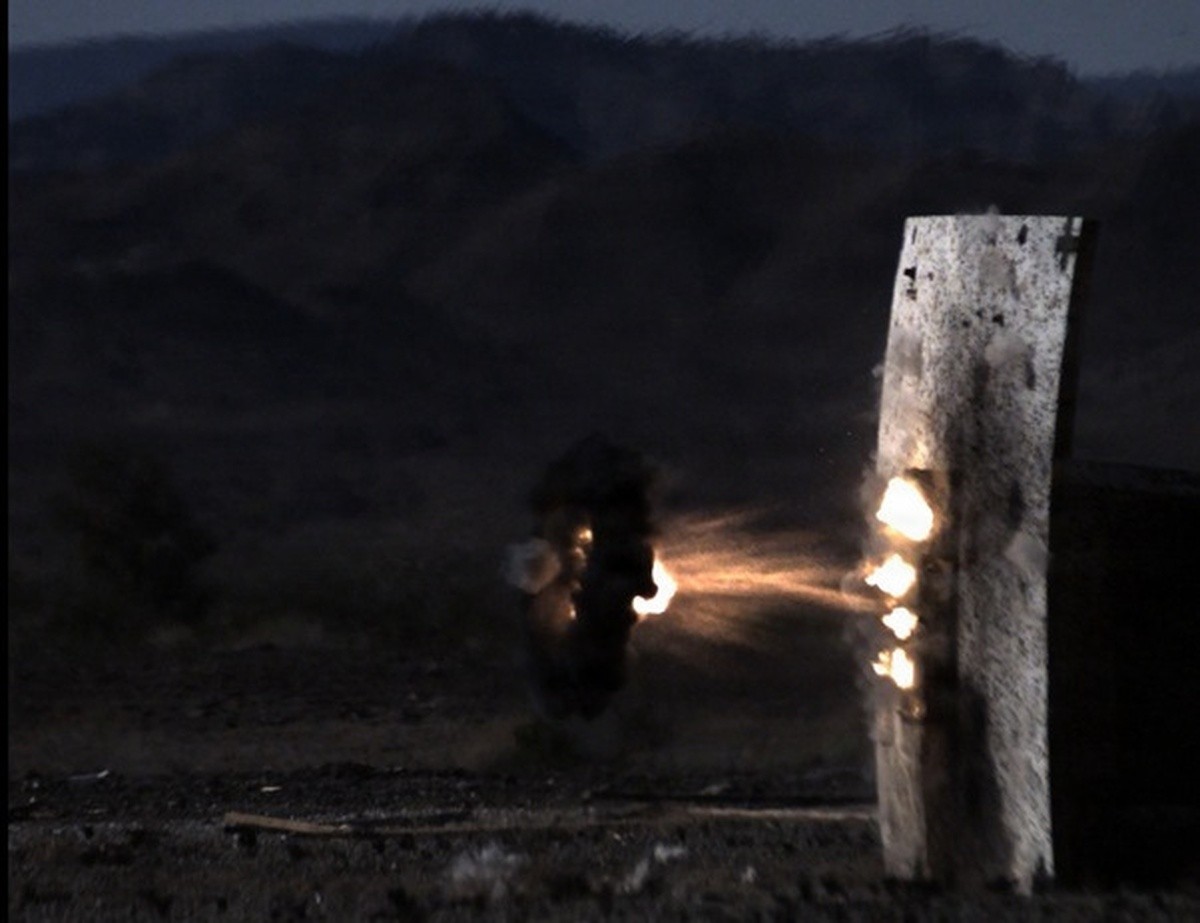
The current standard ammunition for the M230 automatic cannon is the M789 High Explosive Dual Purpose (HEDP) round. This is a versatile projectile combining fragmentation and shaped-charge effects, but it is equipped with a contact fuze. As a result, a miss against an aerial target means the round fails to detonate, passing by the target before eventually hitting the ground.
The new XM1225, in turn, will detonate even on a near-miss, delivering damage to the target. Importantly, firing the new XM1225 rounds requires no additional modification to the M230 cannon. Air burst detonation is achieved not through muzzle programming but likely via a proximity fuze.
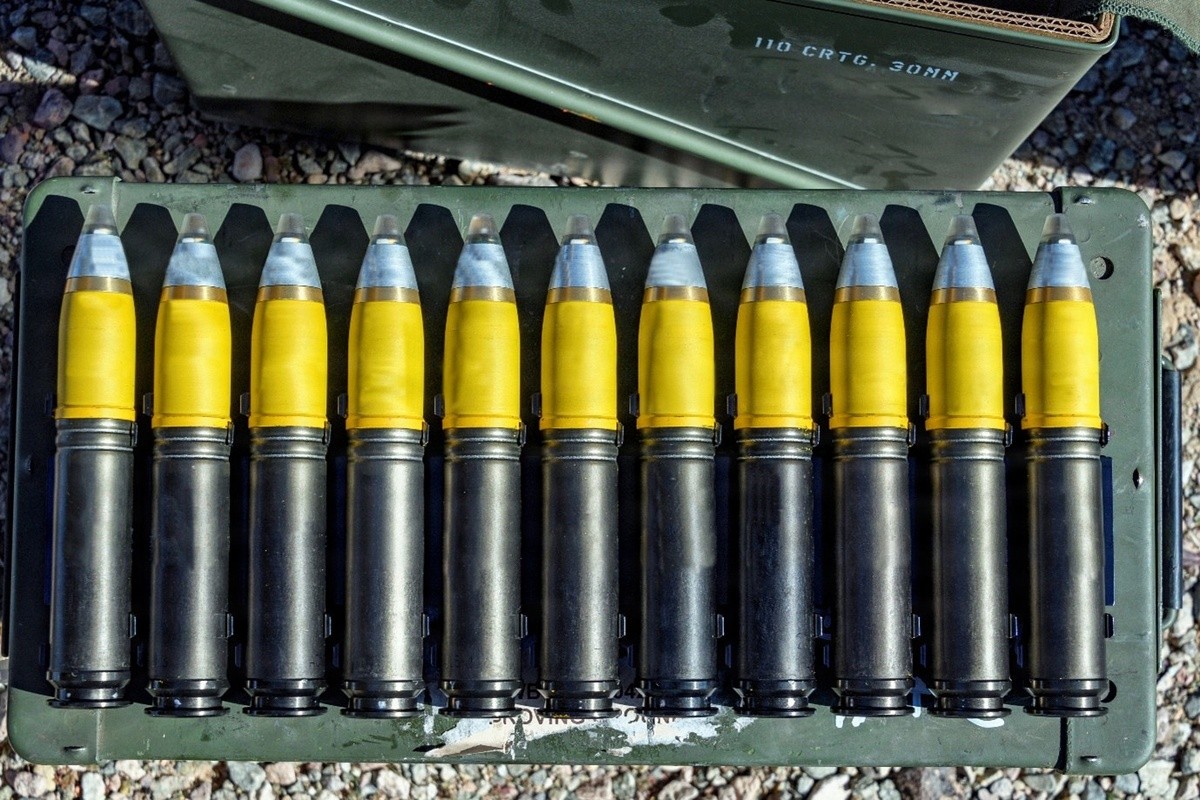
XM1225 rounds were developed in the U.S. primarily for counter-drone operations, as experience from modern conflicts including in Ukraine has demonstrated the effectiveness of helicopters against this type of target.
The new rounds allow AH-64 Apache to expend fewer munitions per target while also avoiding unintended consequences from misses.
In practice, the U.S. has effectively transformed its AH-64 Apaches into dedicated drone hunters. Given that the M230 automatic cannon on the AH-64 Apache carries 1,200 rounds, the helicopter is capable of downing dozens if not hundreds of UAVs in a single sortie under favorable conditions and provided sufficient fuel for an extended flight.
In addition to the new rounds, AH-64 Apache has long been capable of carrying APKWS guided rocket pods, which have proven themselves in Ukraine and subsequently in other parts of the world as a cost-effective counter-drone solution.
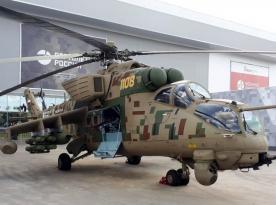
On the subject of counter-drone 30mm ammunition, it is worth recalling that russian forces recently unveiled their new programmable round, claiming it can be employed even from helicopters but notably omitting a key detail that renders it largely ineffective.
Read more: UK Aimed for 16× Output Boost in 155mm Shells for Ukraine — But BAE's New Plant Is Already Six Months Behind Schedule