


The U.S. Army, together with NATO allies, conducted Dynamic Front command-and-staff exercises in January-February this year at Romania's land forces center, utilizing Romanian simulation facilities. Allies refined their skills in repelling a potential adversary invasion, with personnel from the U.S. 56th Multi-Domain Task Force participating.
According to Brigadier General Steven Carpenter, the U.S. within the NATO alliance seeks capabilities that would ensure, in a full-scale war against a peer adversary, that the consequences for that adversary would be so extreme, so serious, that no country would ever again consider such actions, Defense One quotes him.
Read more: India Has Yet to Order New S-400 Missiles, While russia Is Already Using Them Against Ukraine
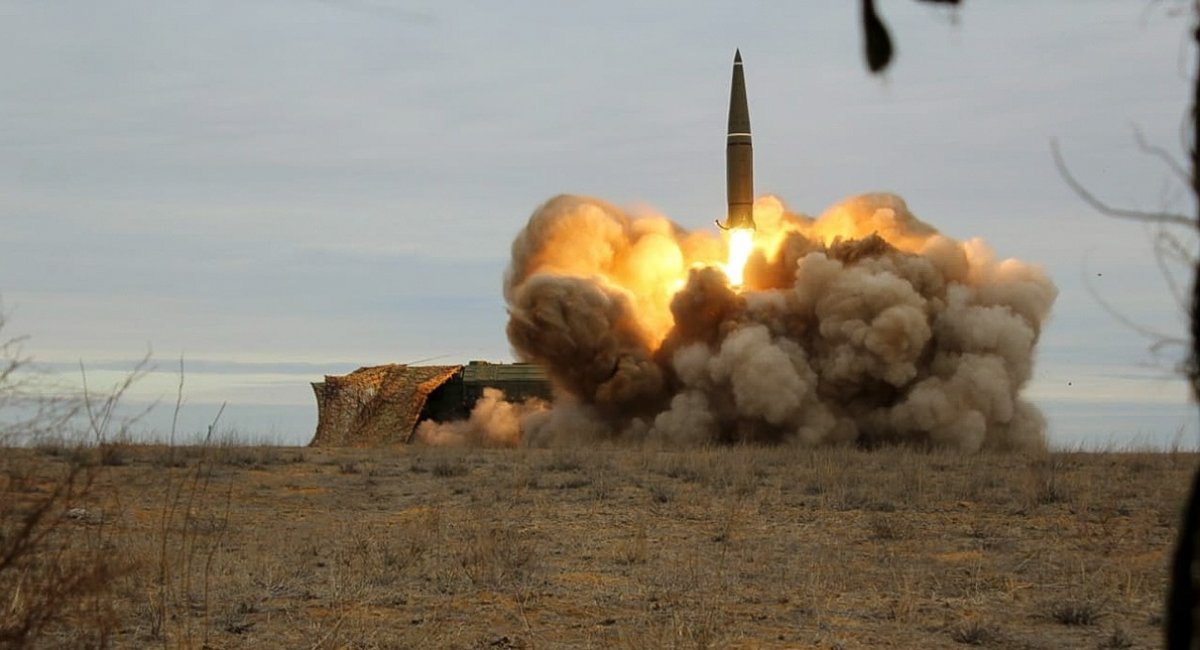
The target is quite ambitious: intercept between 600 and 1,200 ballistic missiles, with the capability to strike 1,500 targets within the first 24 hours. NATO also seeks to incorporate lessons from the russia-Ukraine war regarding the use of decoy drones.
Defense Express will take a closer look at the ballistic missile intercept plans. First, it should be noted that even the minimum threshold of 600 missiles represents a very large volume of ballistic weapons launched within a 24-hour period, not to mention a salvo twice that size at 1,200 ballistic missiles.
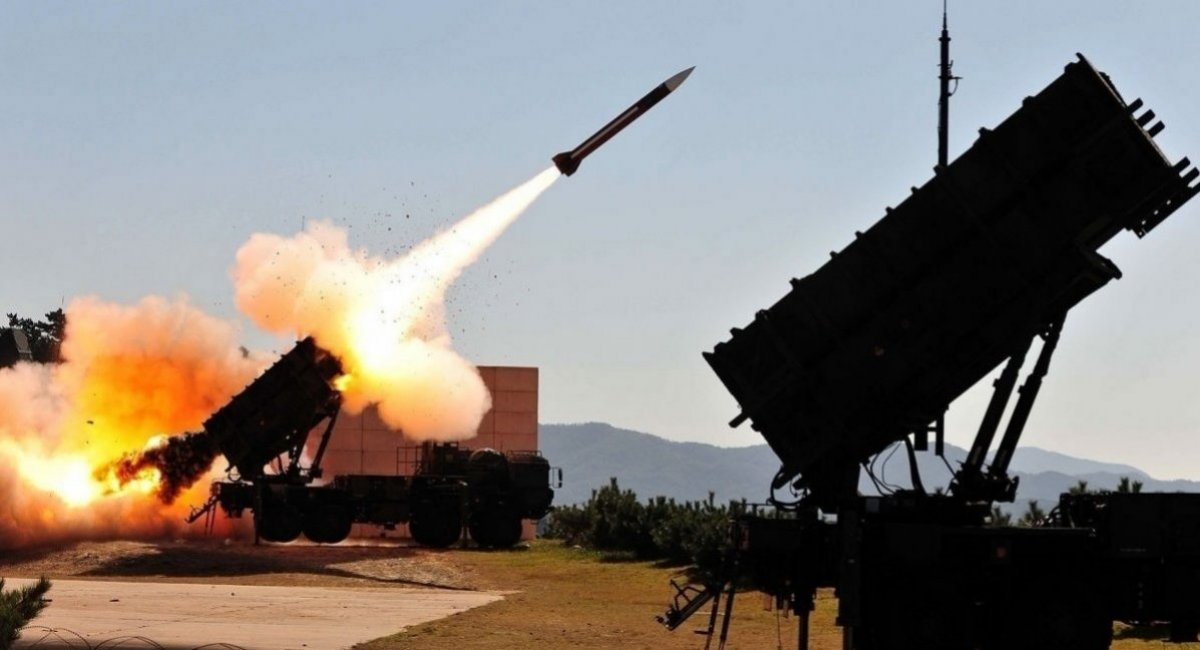
If NATO's adversaries are capable of delivering such strikes in the future, a sufficient stockpile of both interceptor missiles as well as launchers becomes necessary to protect critical assets from ballistic attacks.
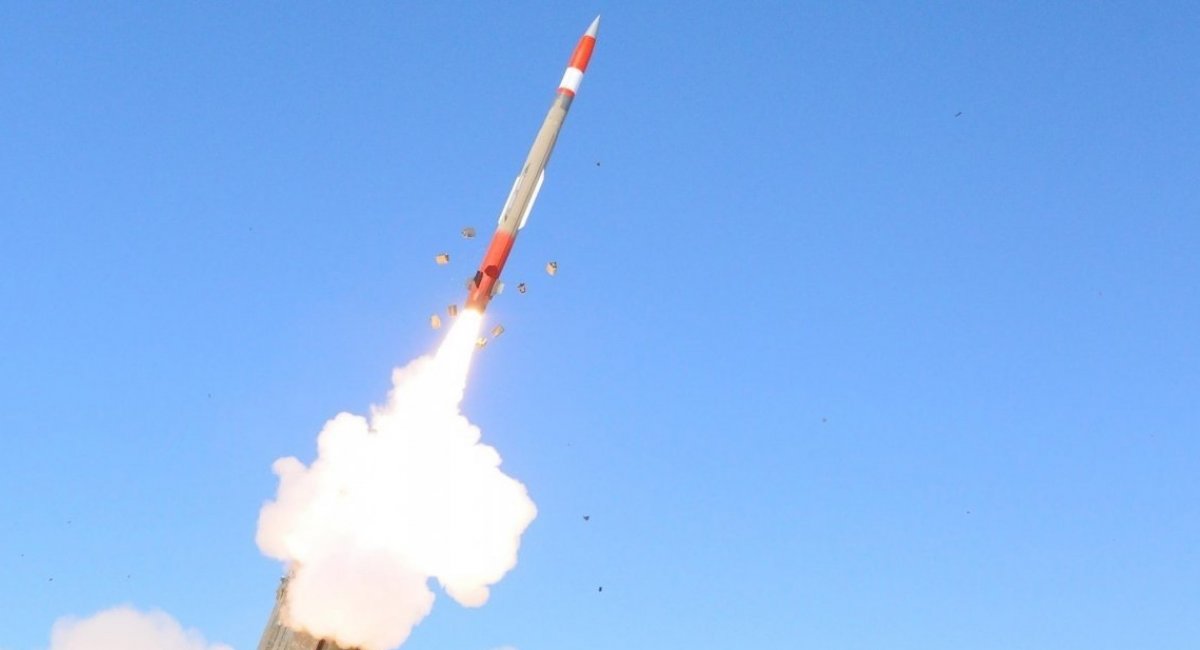
Taking PAC-3 MSE missiles for Patriot as an example these demonstrated real combat capability against russian ballistic missiles in Ukraine — last year's production stood at 620 missiles annually, with plans to reach 2,000 missiles per year over seven years.
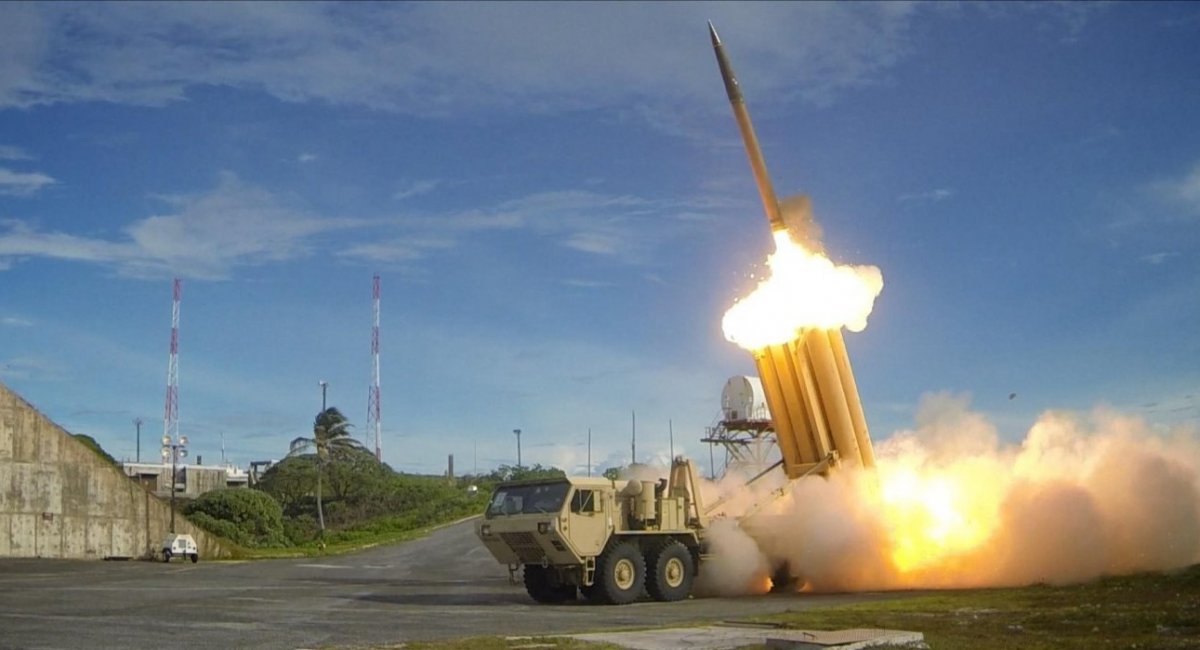
At current production rates, with two interceptors allocated per target, shooting down the minimum 600-missile salvo would consume between two and four years of PAC-3 MSE production in a single day. This does not account for complex targets potentially requiring four interceptors rather than two.
The THAAD system presents a similar picture. Its interceptor production is set to quadruple to 400 units annually, while current rates remain modest at fewer than 100 missiles, specifically 96 interceptors per year. At current rates, producing enough interceptors to defeat the minimum 600-missile threshold would require 12 years of manufacturing. Reaching 400 units annually would reduce that to three years. For the 1,200-missile scenario, the figures are 24 years and six years respectively.
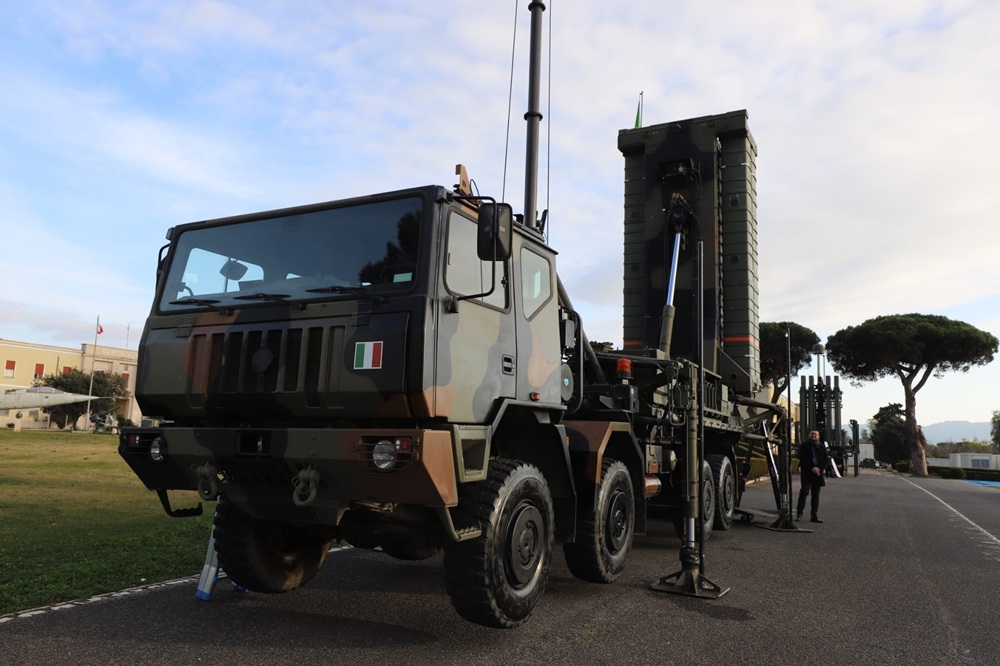
Italy recently received its first SAMP/T NG system with enhanced ballistic missile defense capabilities. Aster missile production exceeded its plan fivefold last year, though this figure covers the entire family Aster 15, Aster 30 B1, and Aster 30 B1NT.
Some NATO members are also procuring Israeli-made systems for ballistic missile defense. Slovakia has acquired the Barak MX system, with Greece and the Netherlands reportedly considering similar purchases.
Taken together, if NATO is planning for a 600-plus ballistic missile attack on day one of a war, restocking interceptor inventories at current production rates would require at a minimum several years and this assumes the adversary exhausts its entire stockpile on day one, which is unlikely. Current interceptor production rates are clearly insufficient to sustain such a conflict.
Ukraine faces this interceptor shortage as well. We previously reported in detail on how many PAC-3 MSE missiles Ukraine requires monthly and per salvo. In practice, due to interceptor scarcity, only one missile is used per ballistic target rather than the standard two.
Read more: Ukrainian FPV Drones Turn russian T-72 Tank Into Burning Wreck Near Yampil (Video)