


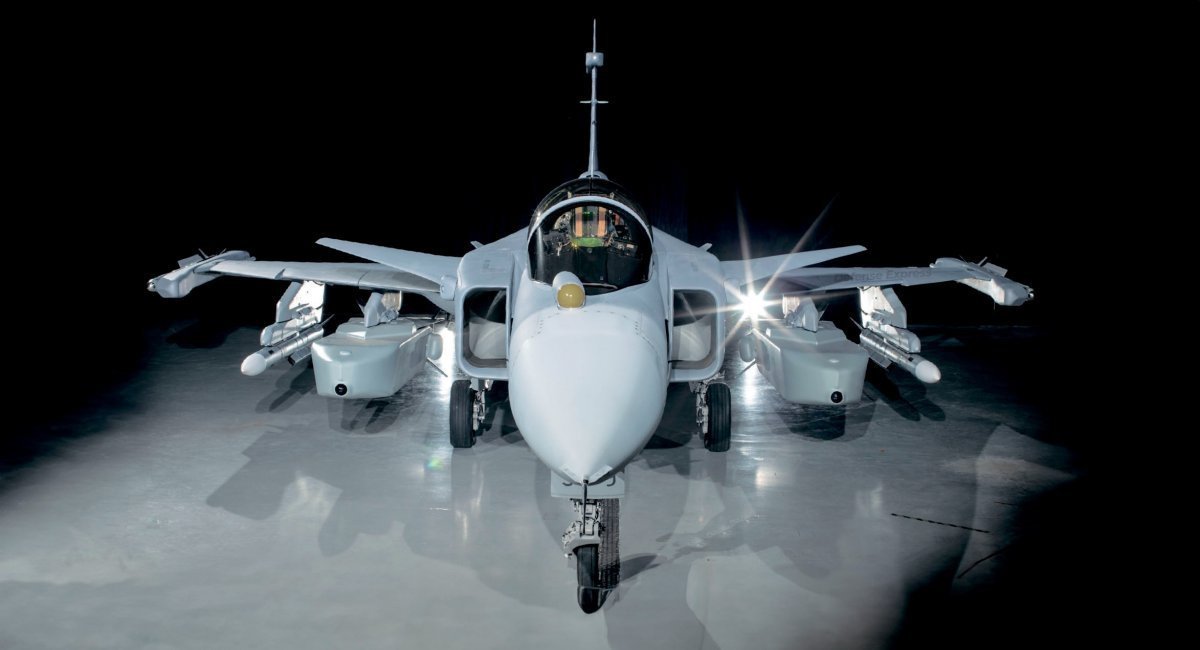
Swedish JAS 39 Gripen fighters are expected to gain the ability to employ Taurus cruise missiles in the near term. Although the integration was originally scheduled for completion in 2028, the timeline has been "significantly shifted to the left."
This was stated in an interview with Defense News by Major General Jonas Wikman, Chief of the Swedish Air Force. He noted that close cooperation is underway with industry and the Swedish Defence Materiel Administration to achieve results much earlier than initially planned.
Read more: Which Fighter Is the "Perfect Pair" for Ukraine's Gripen and Why the Answer Requires a Broader View
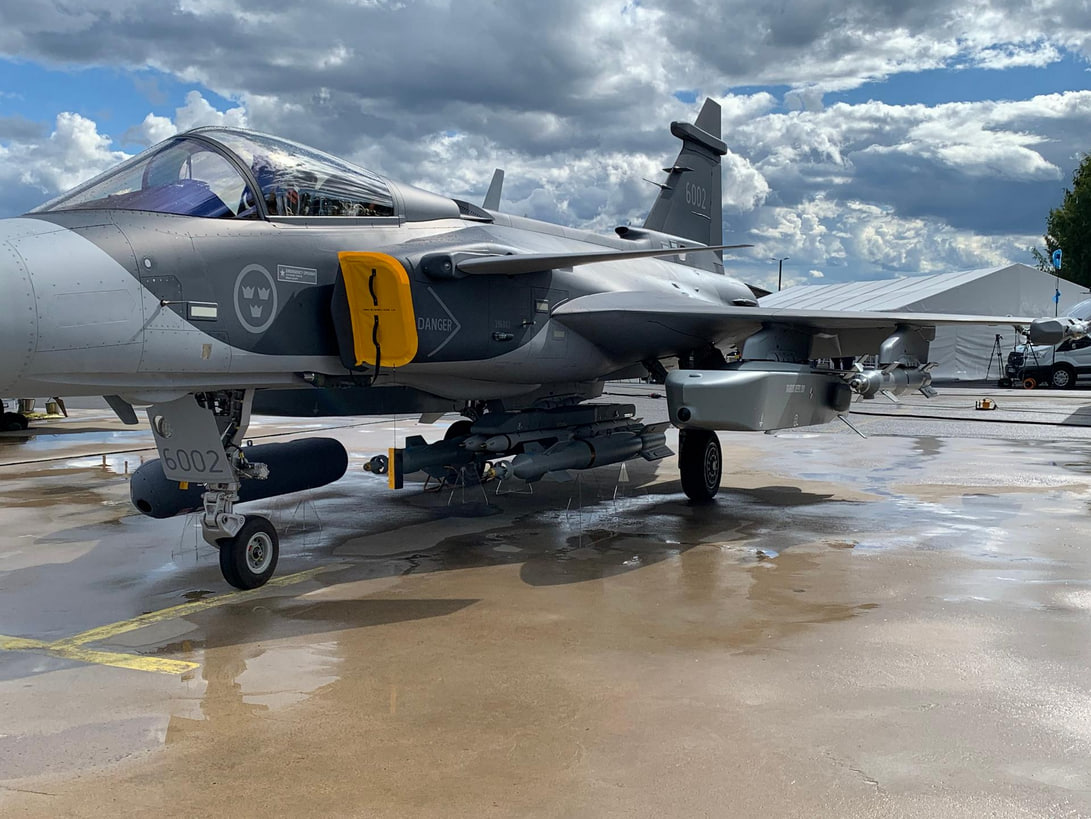
The Swedish officer emphasized that this effort is particularly important because Sweden currently lacks a full-fledged long-range strike capability. However, for security reasons, no revised timeline for the missile integration has been disclosed.
Defense Express adds that this development could benefit not only Sweden but also Ukraine, which plans to procure Gripen E fighters and may even receive older aircraft earlier. In such a scenario, the aircraft would gain an additional long-range strike weapon in their arsenal.
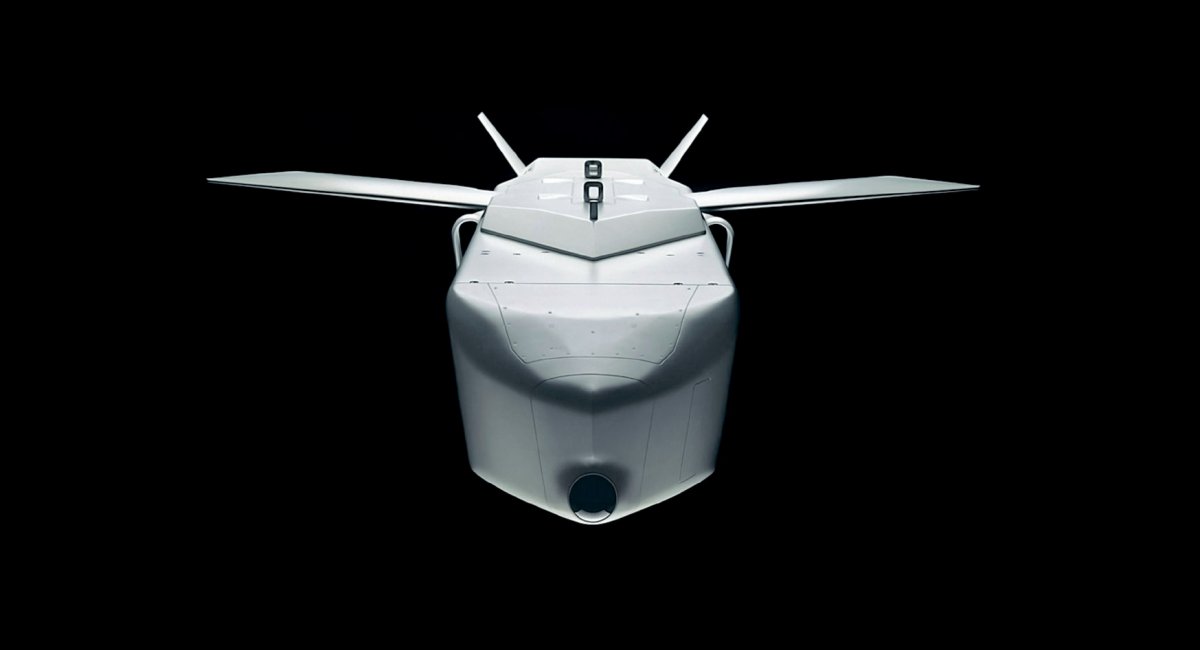
The Taurus KEPD-350 was developed by Taurus Systems GmbH, a joint venture between Sweden’s Saab and Germany's MBDA Deutschland. The missile has a range of 500 km or more and is equipped with a 481 kg bunker-busting warhead.
Taurus missiles have repeatedly been proposed for transfer to Ukraine, but Germany has declined each time. One contributing factor was the absence of active production. With plans to resume manufacturing in the Neo version, the issue now largely hinges on timelines and political decisions.
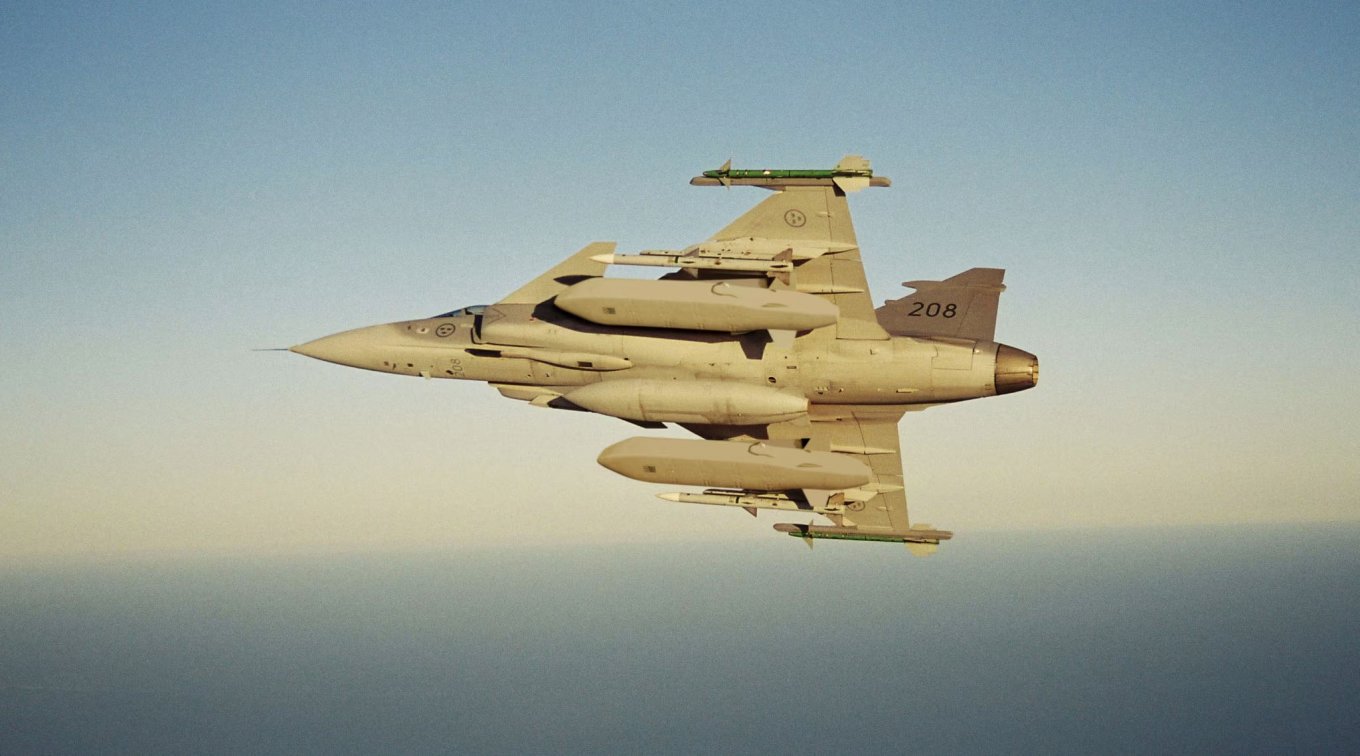
It is also worth noting that Taurus has already been demonstrated on the Gripen and has even flown while carried by the aircraft. However, there has been no confirmation of live missile launches, indicating that the integration process has not yet been completed.
It can be assumed that Gripen could gain this capability sometime in 2026–2027. With sufficient political will, this would make operational testing possible in Ukraine. However, such a step would require the appropriate political decisions, including approval from the German government.
Read more: €450M for Taurus Neo But First Missiles Only in 2029 Components Take 2 Years to Manufacture