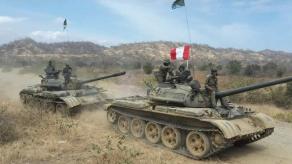



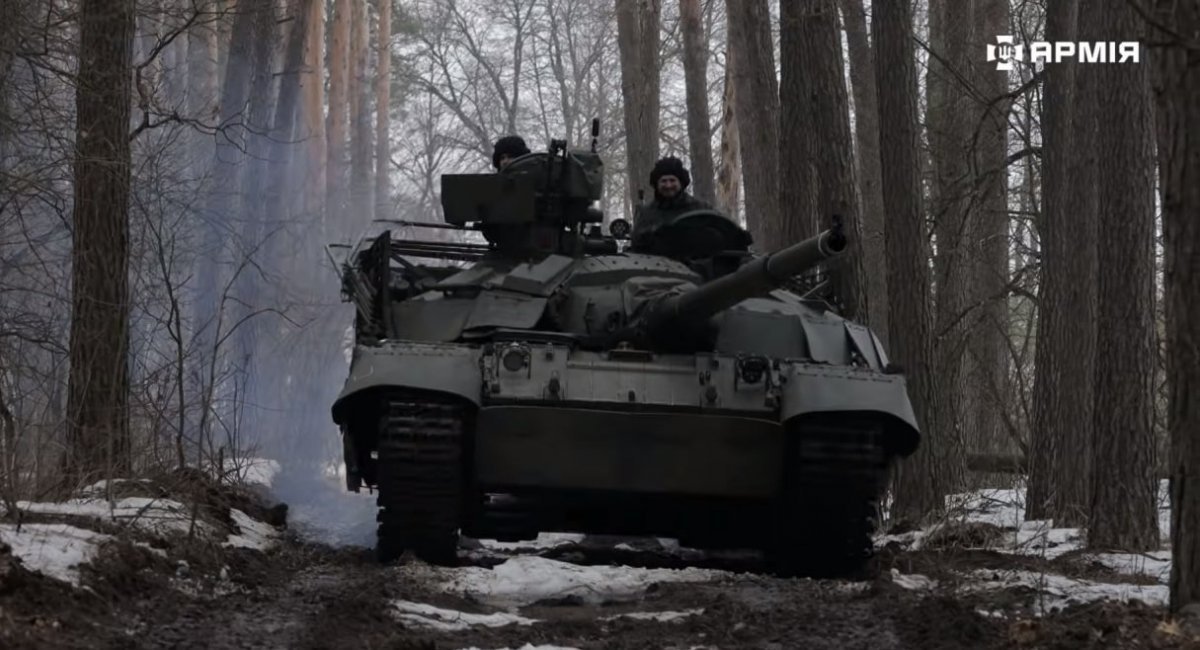
The rare upgraded variant, often referred to as the T-64BM2, continues to serve with the Armed Forces of Ukraine. One of the most notable improvements is the installation of a transmission derived from the BM Oplot, significantly enhancing mobility. However, the situation may be more complex than it initially appears.
Details of the upgrade were shared by servicemen of the 1st Heavy Mechanized Siversk Brigade in a report by ArmyTV. According to them, the vehicle's battlefield mobility has improved substantially.
Read more: Ukrainian Tankers Reveal How They Fight on T-64: What Targets Tanks are Destroying, Realities of Modern Battlefield
The centerpiece of the upgrade is the transmission, reportedly sourced from the BM Oplot. Its key advantage is a fully functional reverse gear, allowing speeds of up to 35 km/h. This greatly improves maneuverability and enables the crew to disengage or withdraw more effectively.
The tank has also received a more powerful engine from the 6TD series. While not new, as it was previously used on the T-80UD, it offers higher performance potential. However, the crew noted that they have not yet tested the vehicle's maximum capabilities in this configuration.
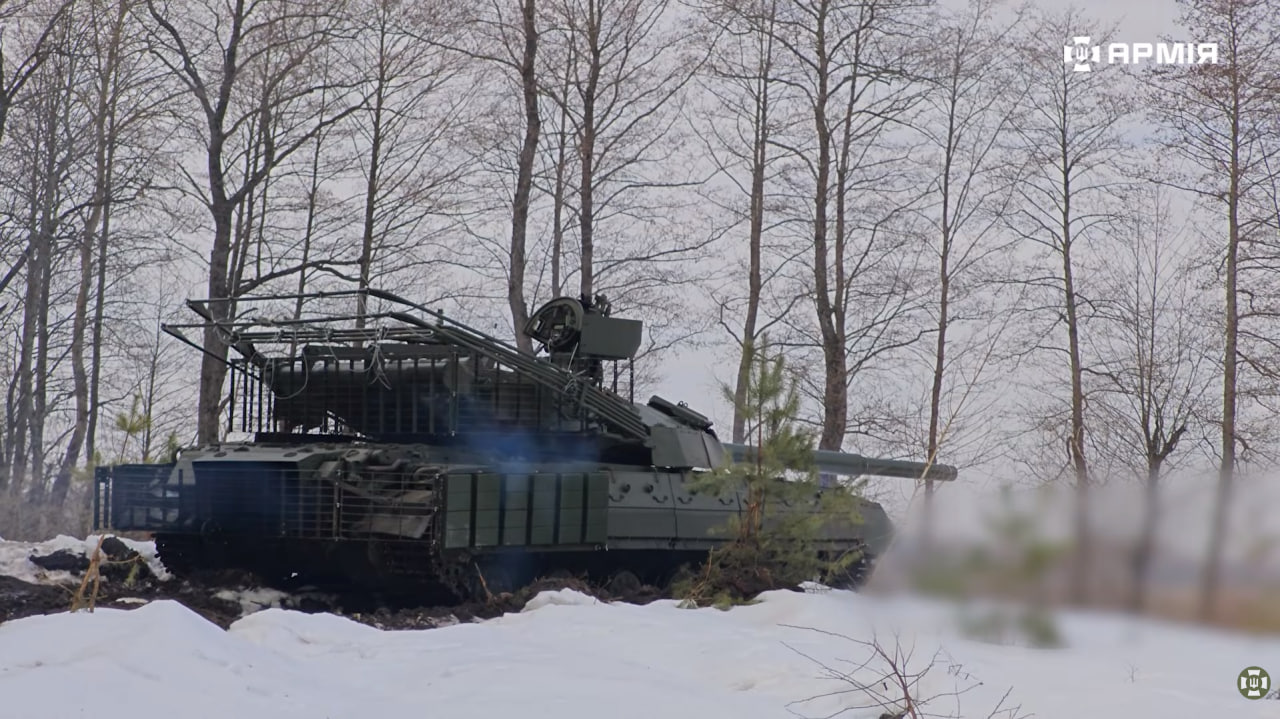
The vehicle is also fitted with a factory-produced Ukrainian anti-drone cage armor system. Its design has proven effective enough to attract attention even from russian forces, with similar solutions reportedly being replicated elsewhere, including in Syria. Additionally, the tank features Nizh (Knife) explosive reactive armor, along with Kontakt-1 modules on the sides.
From Defense Express, it is worth noting that this appears to be a rare, possibly near-unique vehicle. Only 12 units of the T-64BM2 were reportedly produced. Originally, these tanks emerged alongside the standard Bulat as a simplified variant, lacking the uprated 5TDFM engine and fire control system upgrades, which earned them the informal nickname under-Bulat. Between 2020 and 2021, they underwent modernization that included the installation of the 6TD-1 engine and a transmission from the T-80UD.
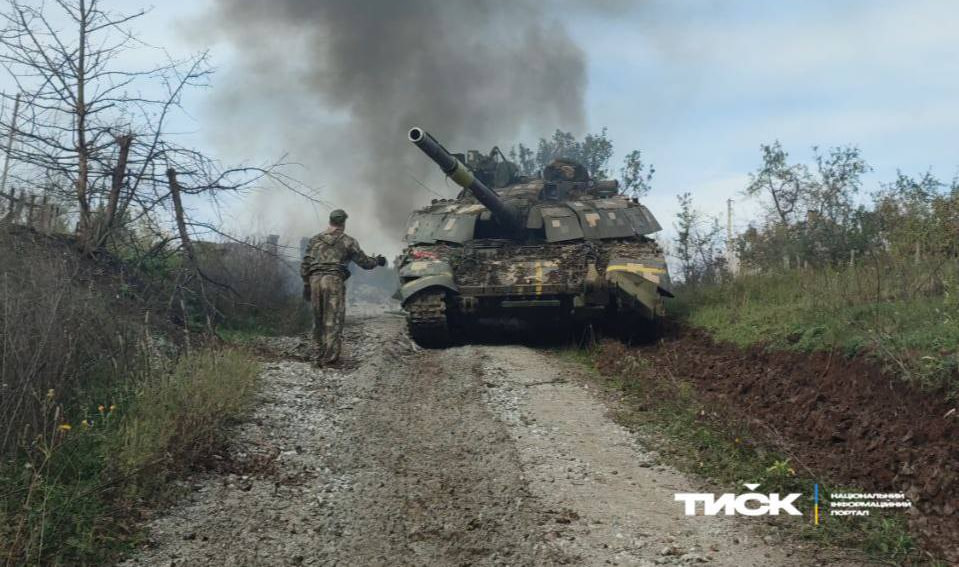
Interestingly, such variants had not previously been observed in service with the 1st Brigade, which was known to operate standard Bulat tanks. Moreover, the vehicle shown in the footage visually corresponds to the classic BM Bulat, suggesting that this may in fact be an upgraded version of that platform.
This raises the question of why it is being referred to as the T-64BM2. One possible explanation is that the upgrade follows a similar path, particularly in terms of improved mobility and the integration of a T-80UD-derived powerpack. However, this remains a hypothesis.
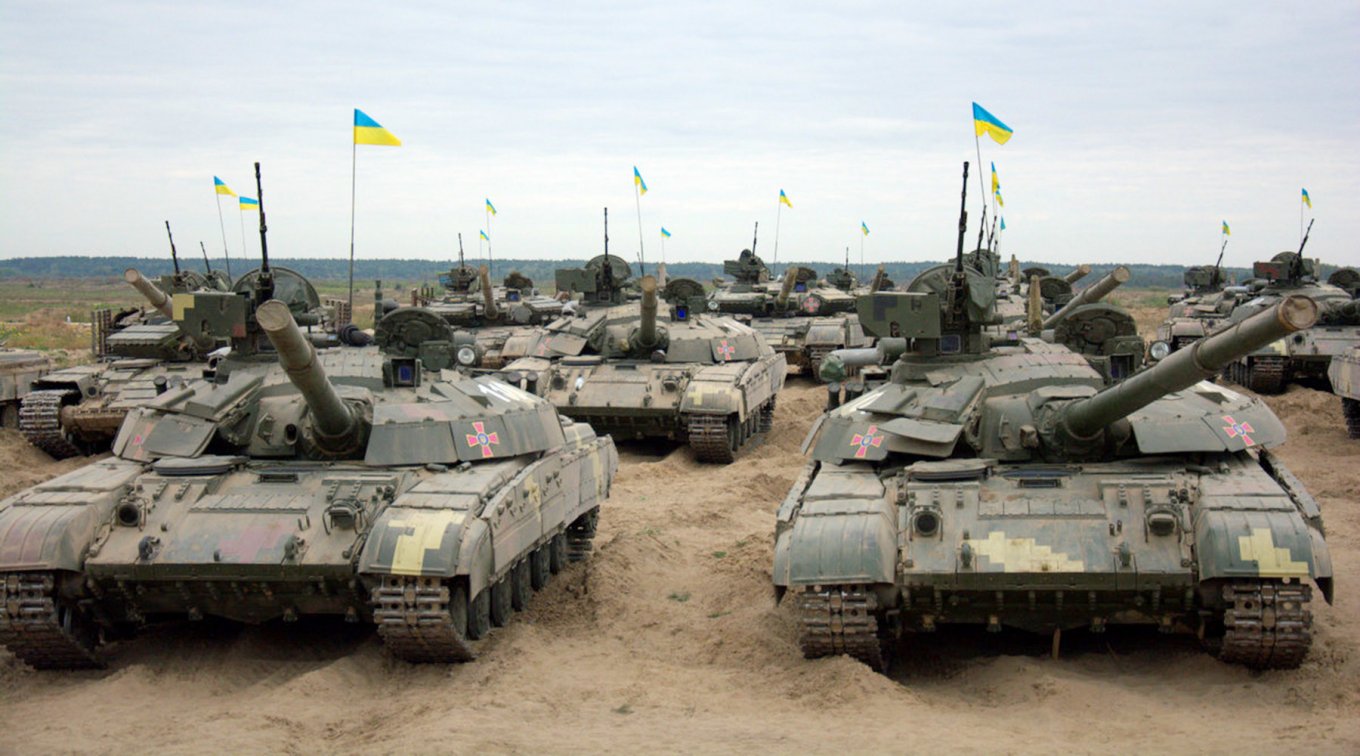
It is clear that the vehicle has undergone factory-level modifications, as evidenced by the installation of both the anti-drone cage armor and side-mounted reactive armor. At the same time, it would be premature to conclude that Bulat tanks are undergoing large-scale re-engining, especially given the sensitivity of such information during wartime.
One limiting factor is the relatively small number of available 6TD-1 engines, originally used in the T-80UD, which constrains the scale of any potential modernization effort. Funding is another consideration, although likely not the primary obstacle.
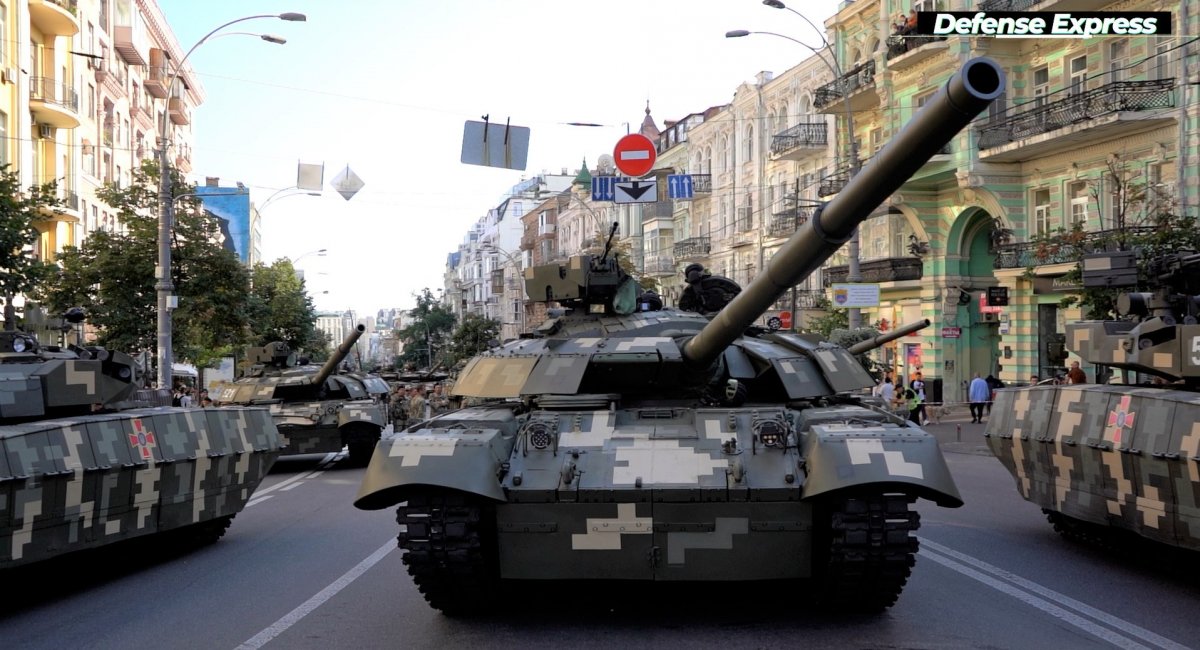
Overall, expanding re-engining and mobility upgrades across Ukraine's tank fleet would be beneficial. However, while platforms like the BM Bulat may be more suitable for such improvements, implementing similar upgrades on other variants, such as the T-64BV, would be significantly more challenging.
Read more: The First Mention in Two Years of the BTR-T Based on the T-64 in the Armed Forces of Ukraine Highlights the Main Challenge with This Vehicle