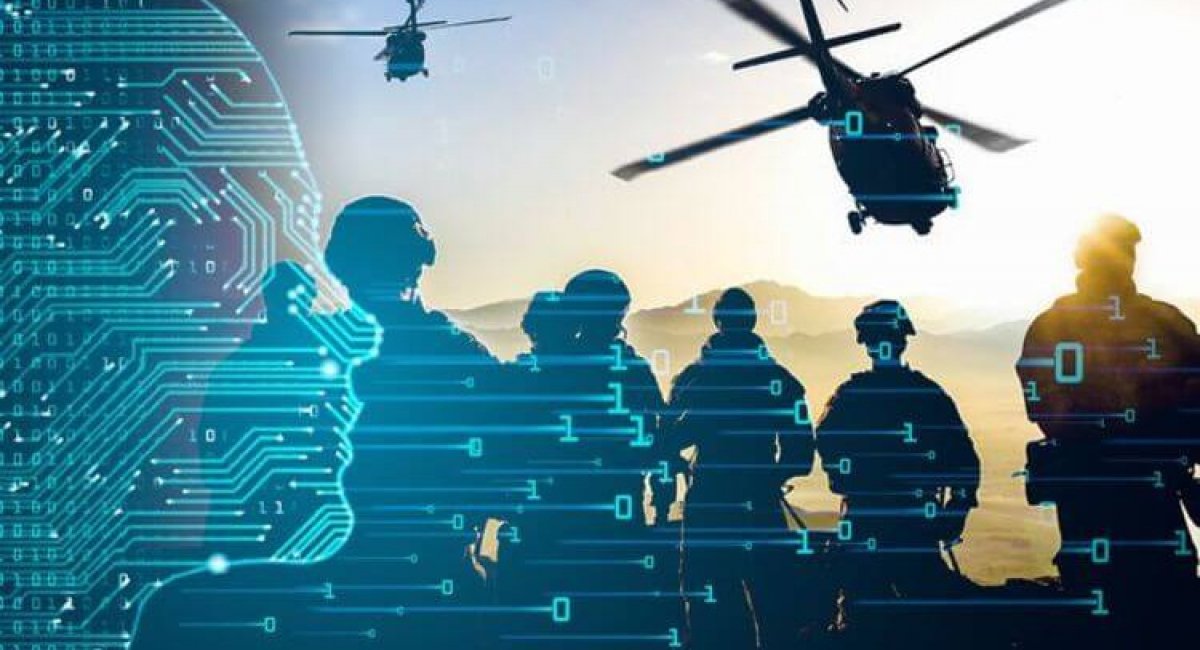
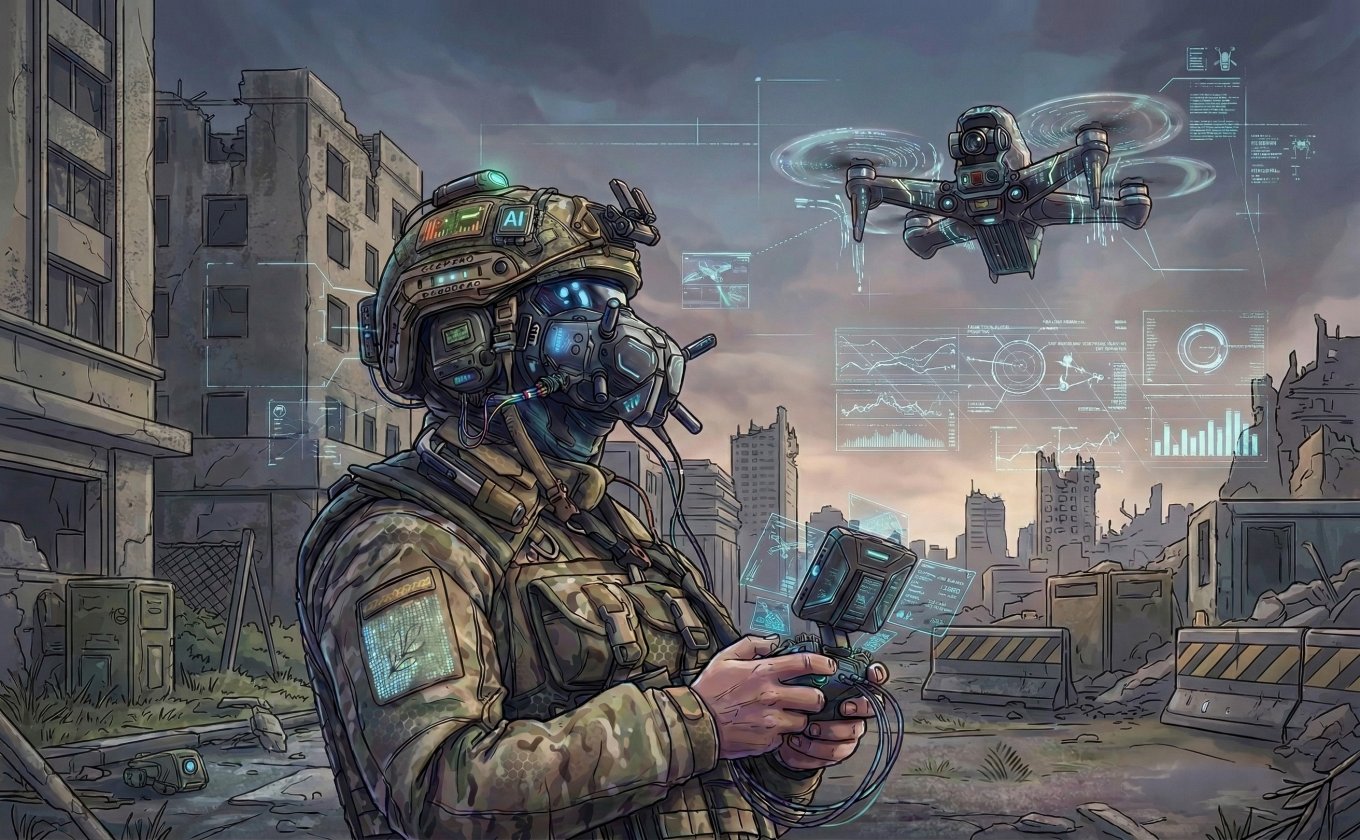
Brain-Computer Interface (BCI) technology, or neural interfaces, could fundamentally reshape human-machine interaction on the battlefield, potentially enabling operators to control entire swarms of drones with near-zero latency.
In an interview with ArmyInform, Bohdan Dolintse, PhD in Technical Sciences, expert on the development of weapons and advanced technologies, outlined the evolution of these technologies, their current limitations, and their potential military applications.
Read more: Ukrainian-German QFI Delivers First Linza 3.0 Bomber Drones Just Months After Launch
According to the expert, early attempts to develop military neural interfaces date back to the 1980s and 1990s, when systems consisted of bulky, stationary helmets designed for laboratory use. Today, however, the technology has become significantly more compact. "Modern neural interfaces are still mostly non-invasive, meaning they rely on external sensors placed on the surface of the head. These are typically compact electrode-based modules integrated into helmets or headsets," Dolintse explains.
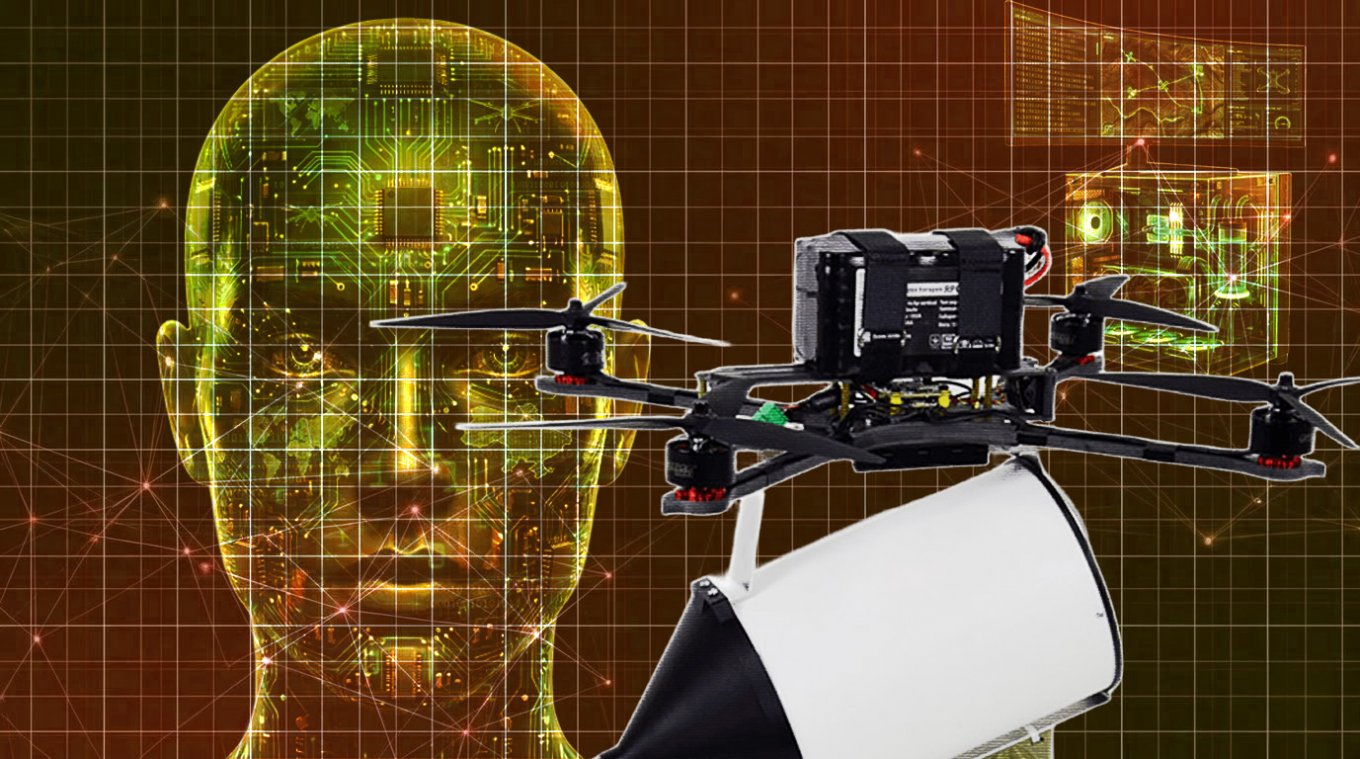
As noted by expert, such solutions are already part of advanced tactical equipment and are used in high-end systems requiring rapid response, particularly in military aviation.
However, for drone control, traditional non-invasive interfaces still face significant limitations. They are currently better suited for relatively slow and large reconnaissance UAVs, where control already involves delays due to satellite communication. The system requires time to read brain activity, process it, and transmit commands to the UAV, resulting in delays ranging from tens to hundreds of milliseconds.
In addition, operators require extensive training. They must effectively imagine specific movements to alter a drone’s trajectory, or the system must interpret distinct brain responses associated with selecting, tracking, or engaging a target. Due to the risk of misinterpreting such complex intentions, these systems remain largely auxiliary. Operators still need to confirm key actions physically, for example by pressing buttons or using a joystick.
A true breakthrough may come with invasive neural interfaces, or neural implants, such as those being developed by Neuralink and Synchron. While there is currently no publicly available evidence of their military use, these systems promise latency-free control. "The response time and speed of machine interaction [with such implants] are significantly higher than when a human operates physical controls," Dolintse emphasizes.
Despite existing technological challenges, reducing the command chain between operator and unmanned system remains a key objective. As noted by expert, the ability to issue commands through intent or thought could reduce reaction times to fractions of a second, providing a critical advantage in modern high-tech warfare.
Read more: UGVs in Ukrainian Service: How They Overcome Kill Zone and Change Rules of War