


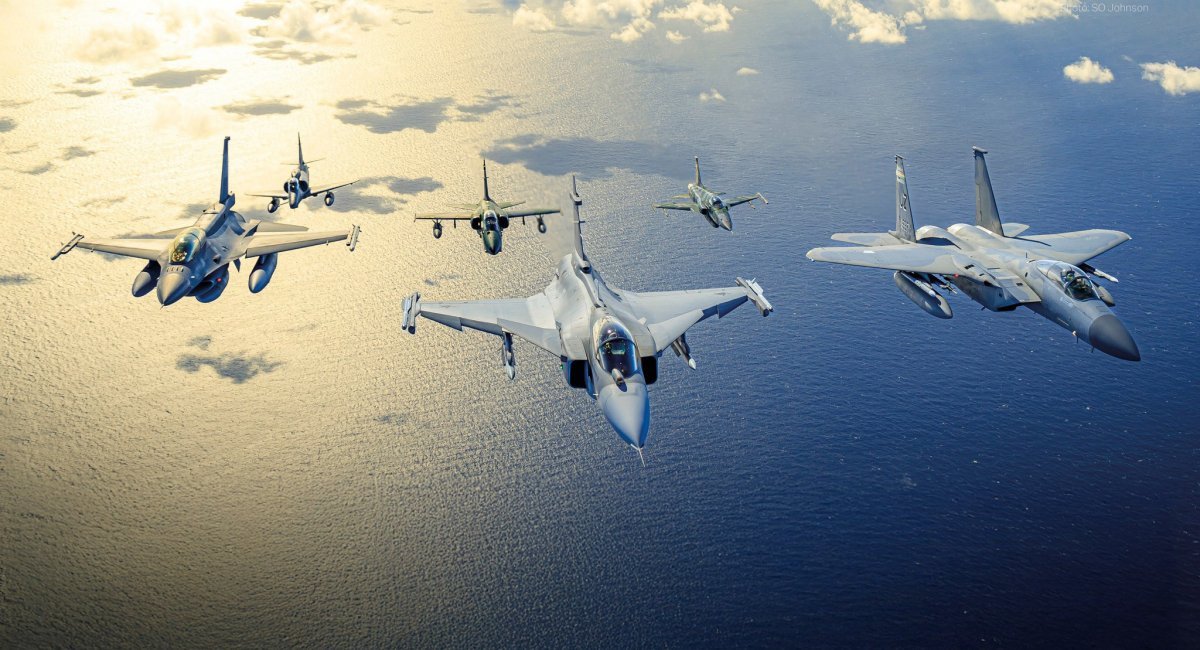
The Swedish JAS 39E/F Gripen is expected to become the backbone of the Ukrainian Air Force — up to 100 aircraft with partial production localized in Ukraine. Yet even before this plan has fully materialized, discussions have already begun about adding other combat aircraft to the mix.
In theory, Ukraine could operate as many as 250 fighters, but such a number far exceeds realistic budget limits. The operating costs alone would be immense. The fact that the UK, Germany, France and even Sweden, maintain much smaller air fleets is a reminder of how costly a large fighter force truly is.
Read more: Saab Eyes Gripen Production in Ukraine: Where Could It Be Built, and How Long Would It Take?
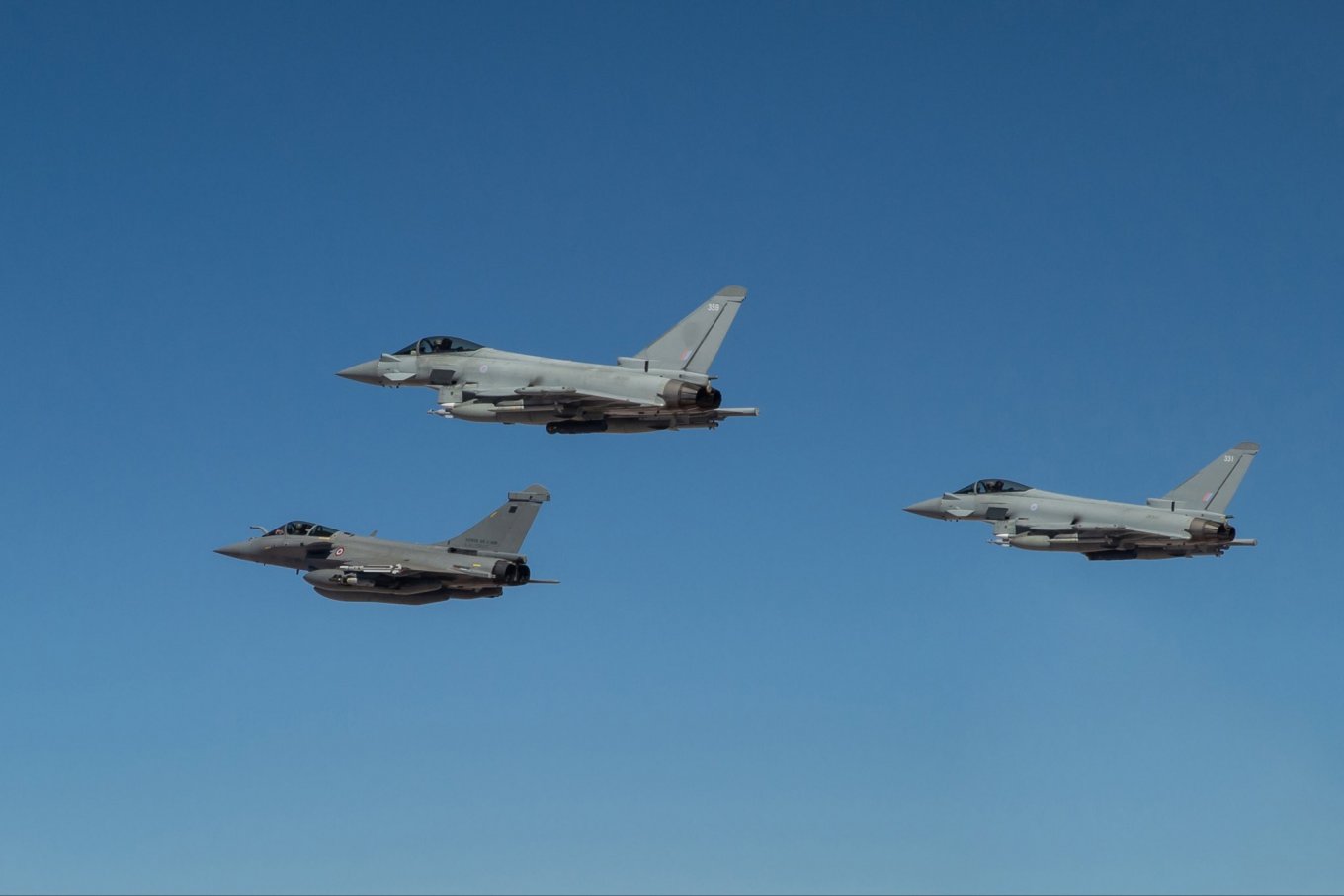
Still, many analysts argue that a force made up entirely of light, single-engine Gripen fighters would face limitations in conducting full-spectrum air operations. A "heavy" fighter would help fill that gap. The Rafale by Dassault has already been mentioned, while the Eurofighter can likely be ruled out — recent Turkish contracts have revealed its anomalously high cost.
Compared with the Gripen E/F, the Rafale offers no dramatic leap in capability. The twin-engine French fighter carries about 2–3 tonnes more payload (around 9.5 t), has four additional hardpoints, yet the same number of heavy-weapon stations (five). Combat radius figures are typically cited as ~1,850 km for the Rafale versus ~1,500 km for the Gripen E, and both are equipped for aerial refueling.
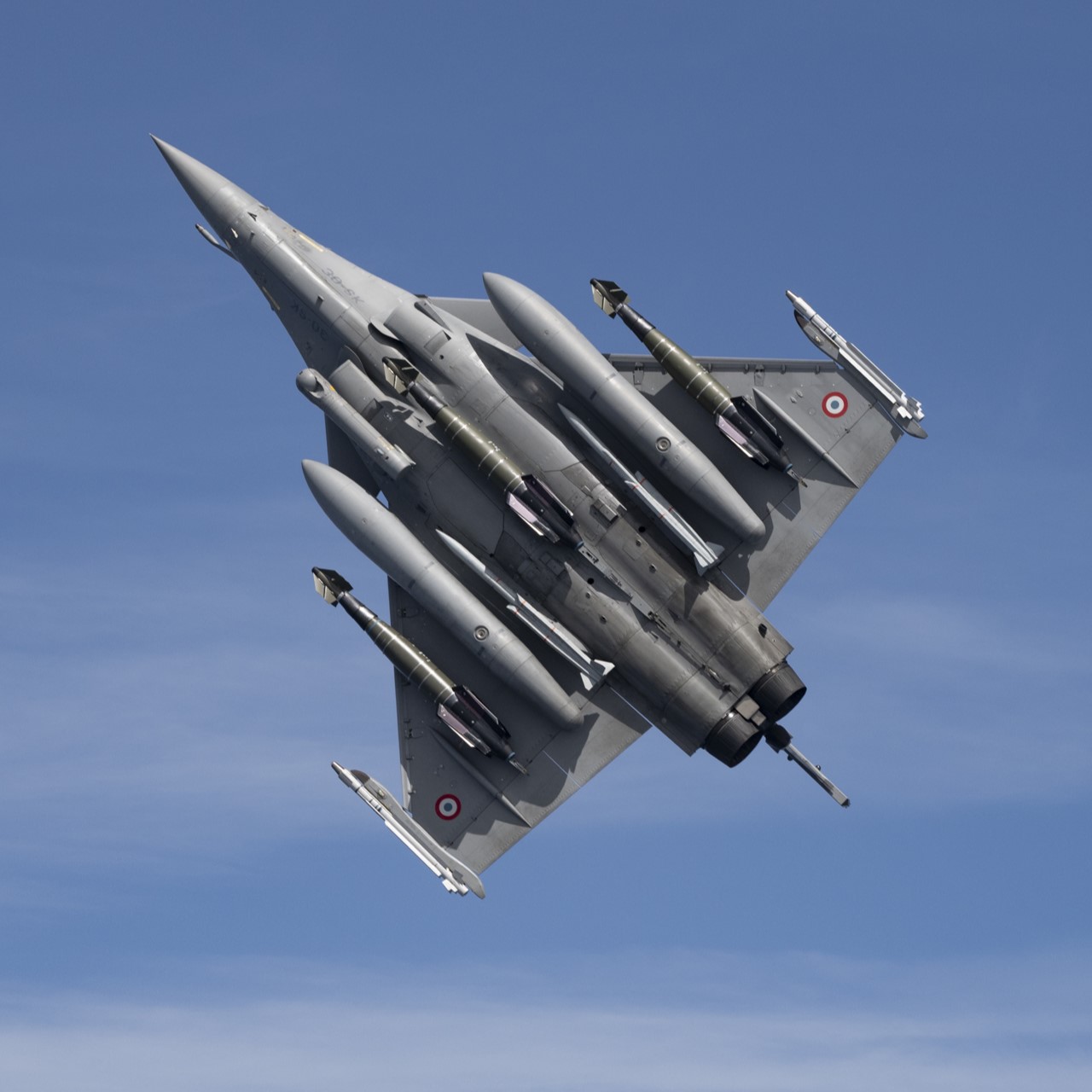
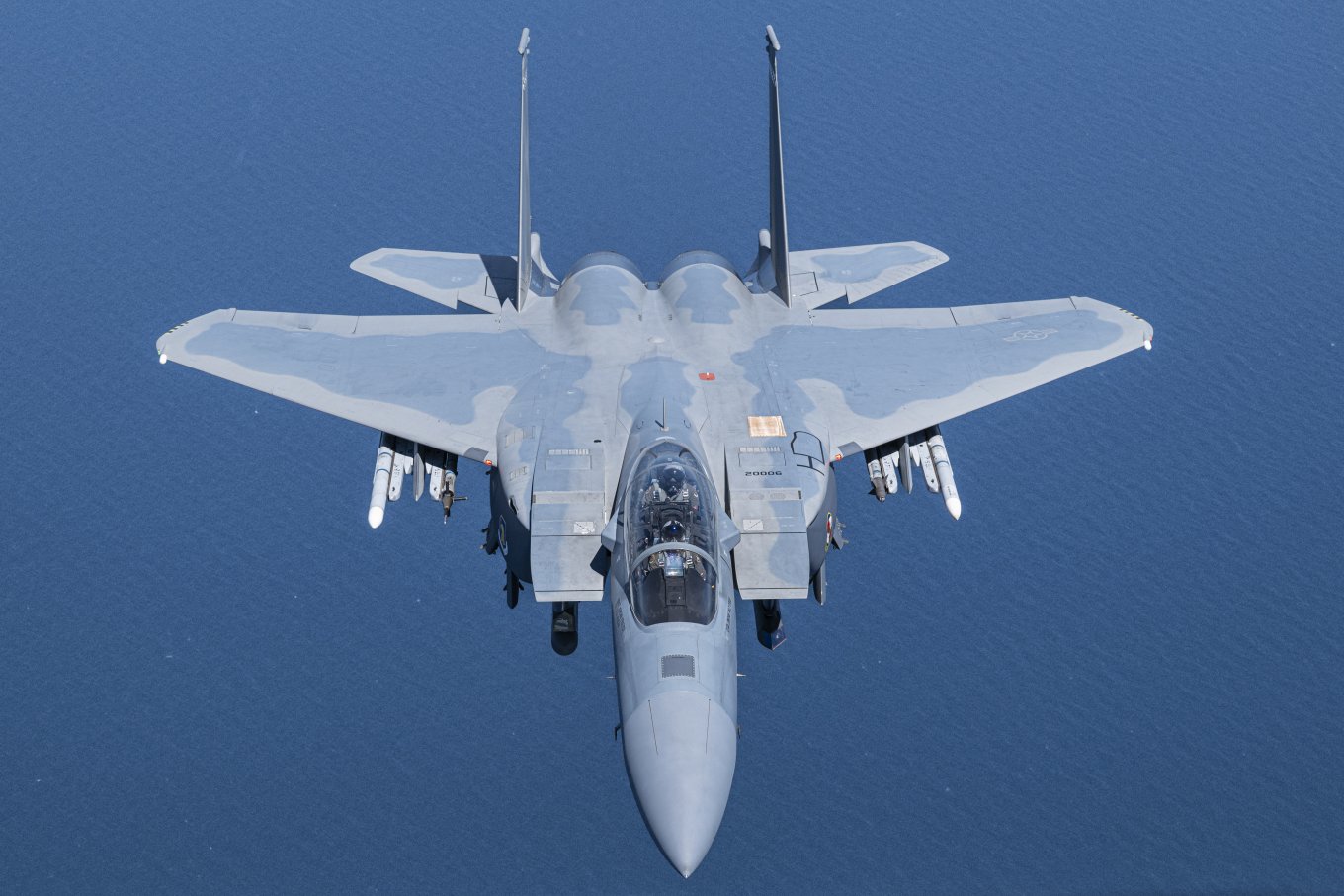
In other words, the Rafale's advantage over the Gripen E/F is meaningful, but not transformative. A truly significant increase in capability would come from a Western 4+ generation heavy fighter such as the F-15EX, with a payload of 13.3 tonnes and the capacity to carry up to 24 weapons. Ukrainian defense experts were already discussing such an aircraft in 2021, and official talks reportedly took place as early as 2019.
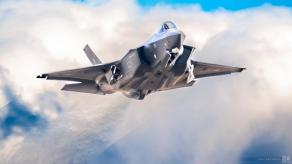
Another logical pairing for the Gripen could be a fifth-generation fighter such as the F-35, but this option appears even less realistic than the F-15EX. The main issues with the F-15EX are cost and production timelines: its actual export price remains undisclosed, and even Poland's substantial defense budget could not accommodate 32 aircraft. Boeing's production bottlenecks and existing commitments further complicate timely deliveries.
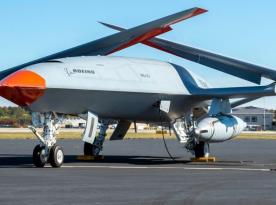
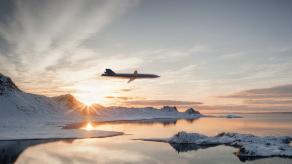
However, finding an ideal "pair" for the Gripen is far from impossible. Sweden itself — which relies solely on the Gripen and has no plans to acquire foreign fighters — is betting on a new approach: "loyal wingmen," or unmanned combat aircraft designed to operate alongside manned jets. These are already being developed under Sweden’s emerging F-series program.
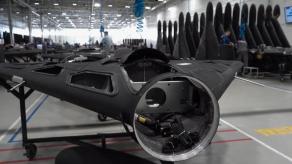
The first of these UAVs, with a takeoff weight exceeding five tonnes, will share many systems and components with the Gripen E/F. Conceptually, such a UCAV would act as an "arsenal" and reconnaissance platform — carrying additional missiles, advanced sensors, and decoy payloads. In practice, it would extend the range and combat endurance of the piloted fighter, making the Gripen the command hub of a distributed, mixed-aircraft formation.
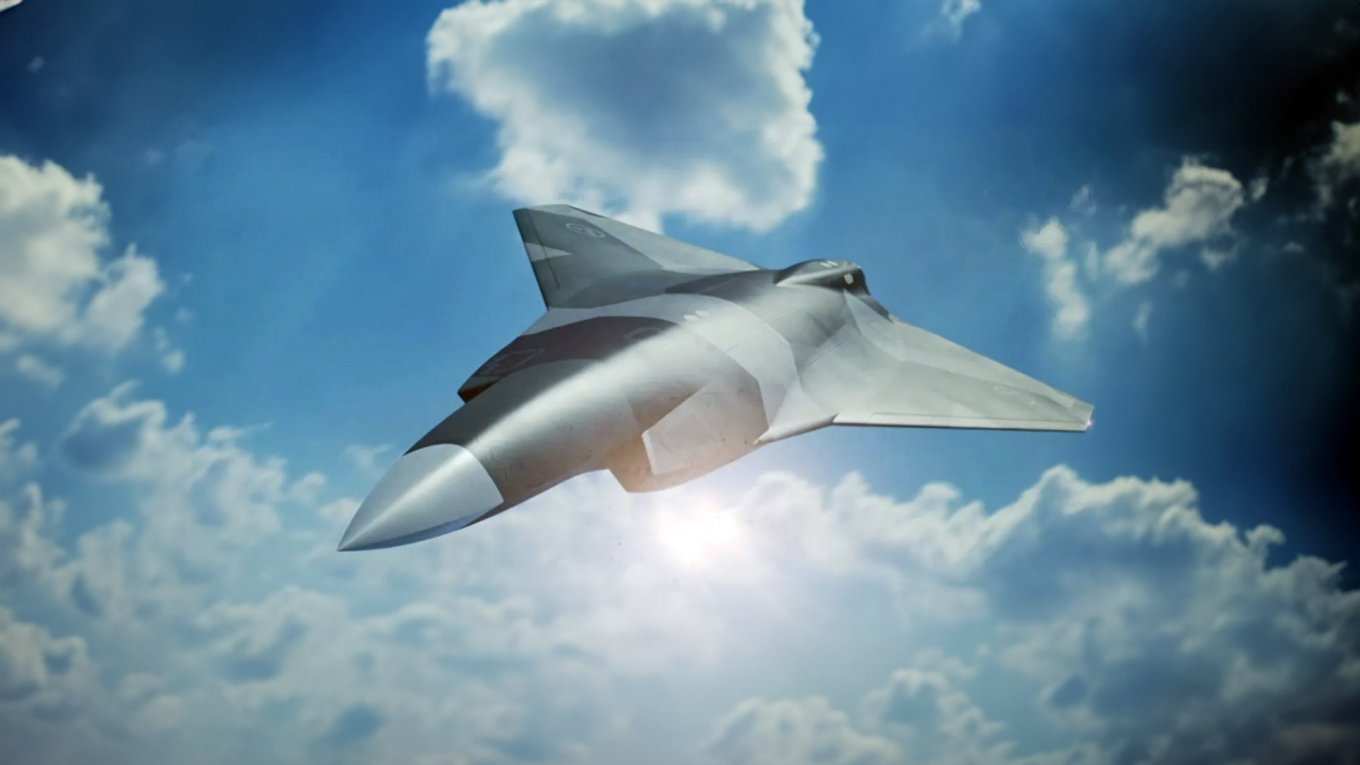
Therefore, when evaluating a potential partner for the Gripen, Ukraine should first look at Saab's own concepts and at what the Swedish Air Force is pursuing. Sweden is also developing a sixth-generation fighter alongside its F-series UCAVs.
Read more: U.S. Engines May Delay Gripen E Fighter Deliveries to Ukraine, as They Did for India's Tejas