

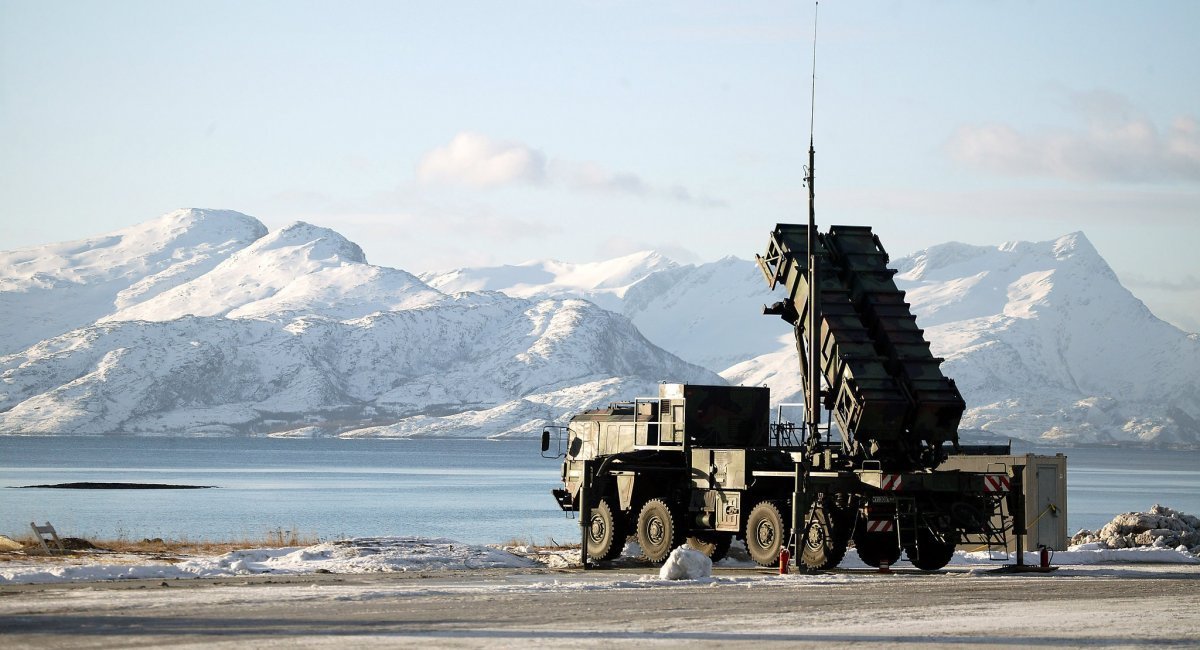
Switzerland has already paid a 30 percent advance to the United States for five Patriot air defense batteries ordered in 2021. However, Washington is currently unable to specify when the systems will be delivered
The Swiss government has found itself in an unusual and increasingly difficult position regarding its order for five Patriot batteries. Although the contract was signed in 2021, in 2025 the United States decided to prioritize deliveries of Patriot systems to Ukraine and formally notified Bern of that decision.
Read more: When Patriot Launchers Go Empty: How Many PAC-3 MSE Missiles Ukraine Needs Per Month, Per Salvo
Since then, U.S. authorities have not provided updated delivery timelines for Switzerland. Moreover, the price of the already contracted systems is expected to increase. Against this backdrop, the Swiss government suspended further advance payments in autumn 2025. By that point, approximately 650 million Swiss francs (around $846 million at the current exchange rate) had already been transferred.
According to the Swiss outlet Neue Zürcher Zeitung (NZZ), citing its own sources, the government is now "considering contingency plans in the event of further delays, including the possible evaluation of alternative suppliers." Despite repeated inquiries to Washington, no concrete information regarding revised delivery schedules has been provided.
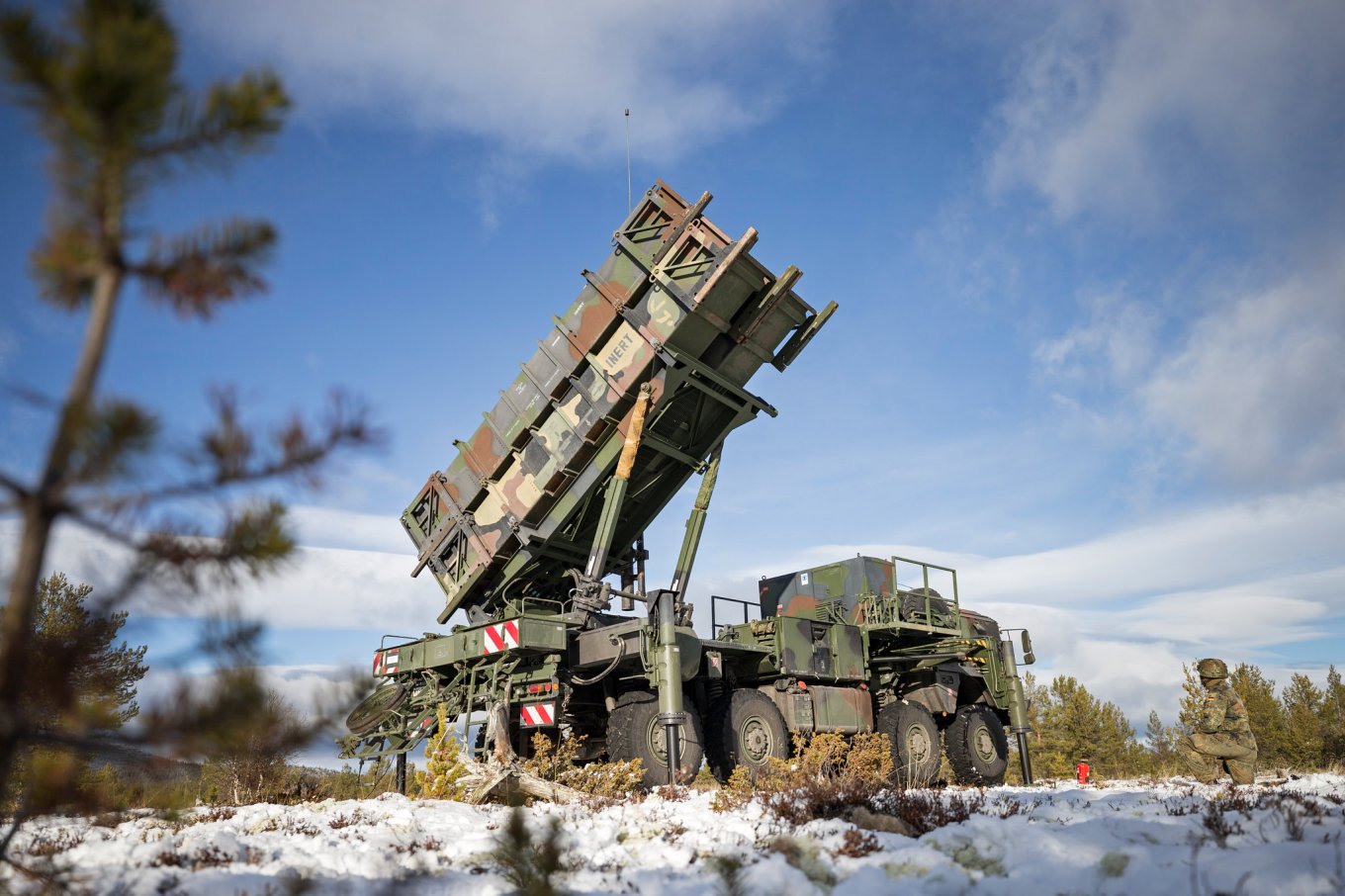
It is important to note that U.S. arms exports are conducted by the federal government rather than directly by manufacturers. Switzerland, like other countries, signed its Patriot contract with the U.S. government under the Foreign Military Sales (FMS) framework. Such agreements typically do not include penalty clauses for delays, and no country has so far attempted legal action against Washington over non-performance.
The Patriot issue must also be viewed in the broader context of Switzerland's separate contract for F-35 Lightning II fighter jets. That agreement is likewise facing uncertainty, as the original $6.55 billion price for 36 aircraft has reportedly increased to at least $9.1 billion due to the absence of a fixed-price clause.
The situation is further complicated by trade tariffs introduced by the current U.S. administration and growing concerns in Europe about the reliability of American security guarantees. As a result, potential adjustments to Switzerland's F-35 procurement are also under active discussion.
At present, however, delivery timelines for Patriot remain the primary concern. Any alternative system would likewise require time for contracting, production, and delivery. Before considering options such as the Franco-Italian SAMP/T NG or Israel's David's Sling, Swiss authorities would need assurances that these systems could be delivered sooner than the delayed Patriot batteries.
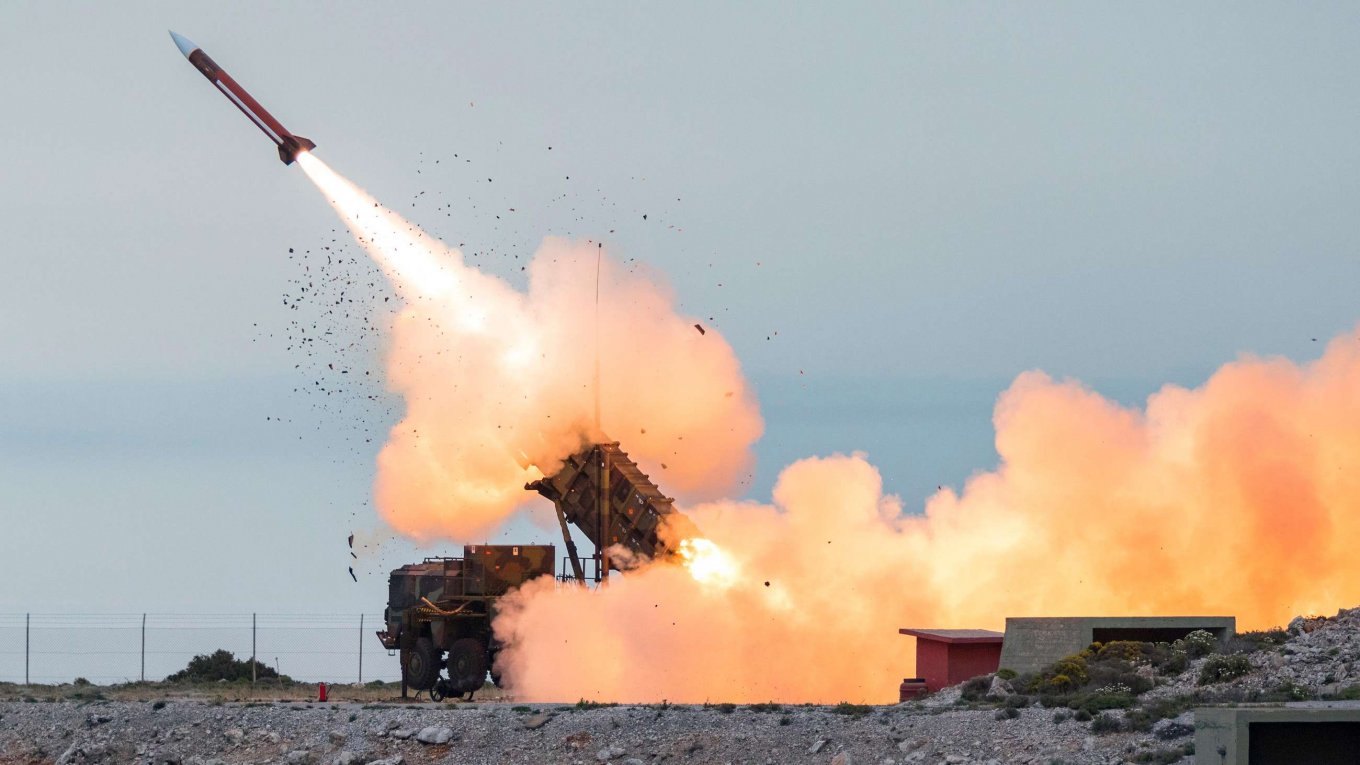
Another unresolved issue concerns the recovery of funds already paid. The officially announced cost of the five Patriot batteries was 1.987 billion Swiss francs (approximately $2 billion at the time of signing and around $2.6 billion at current exchange rates). The 650 million francs already transferred represent nearly one-third of the total contract value.
The situation is particularly challenging for Switzerland, which, while maintaining its longstanding policy of neutrality, has blocked the re-export of weapons to Ukraine and has even decommissioned legacy systems such as the Rapier air defense system and nearly 2,000 associated missiles. At present, the country lacks not only missile defense capabilities but also a sufficiently robust ground-based air defense network. In addition to the aging Rapier systems, Switzerland operates FIM-92 Stinger MANPADS and Oerlikon GDF anti-aircraft guns paired with the Skyguard fire control system, as well as five ordered IRIS-T SLM batteries.
Read more: Patriot, David's Sling, or SAMP/T: What Can €1 Billion Buy Against Iskander-M, Kinzhal Missiles?