


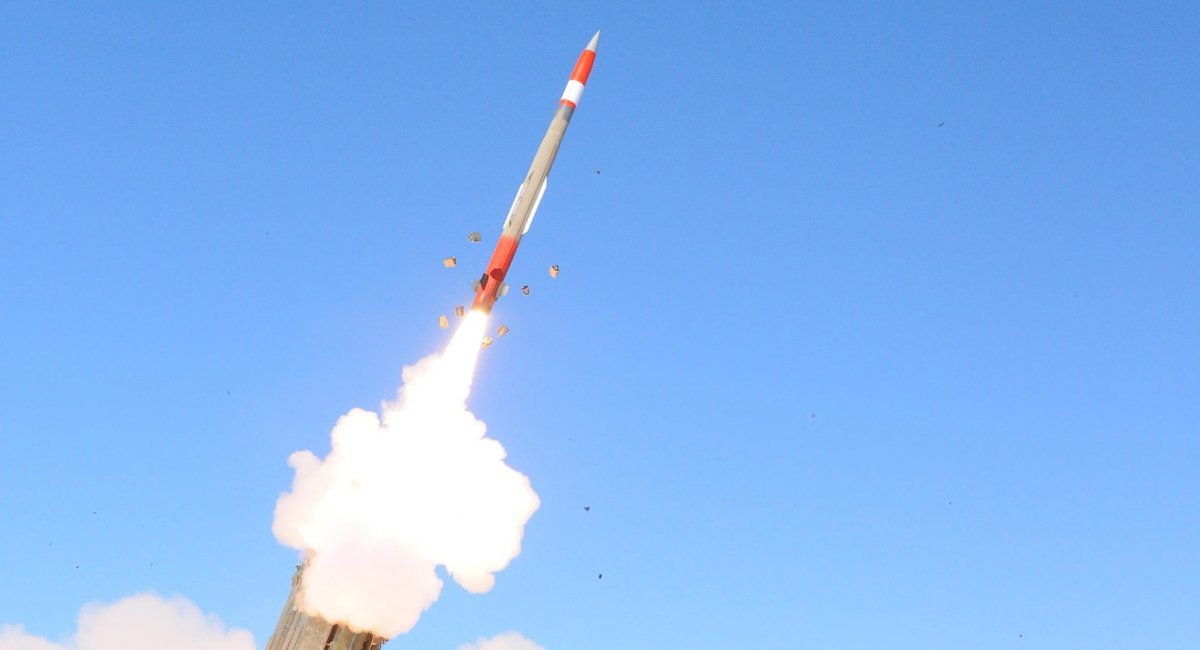
russia's large-scale, concentrated strikes against Ukraine's critical civilian infrastructure, combined with delays in the delivery of already scarce U.S.-made air defense missiles, have already led to destructive consequences.
russian strikes against Kyiv's thermal power plants succeeded solely because, as President Volodymyr Zelenskyy stated, "NASAMS were empty, Patriot was empty." Ukraine's partners were aware of this situation, yet the missiles arrived only the day after the January 24 strike, as they had not been paid for under the PURL mechanism. Ultimately, the delivery of PAC-3 missiles for Patriot had to be coordinated directly with Donald Trump by phone. The number of missiles Ukraine ultimately received was not disclosed.
Read more: Lockheed Martin Plans Massive Surge in Patriot PAC-3 MSE Production to 2,000 Missiles a Year
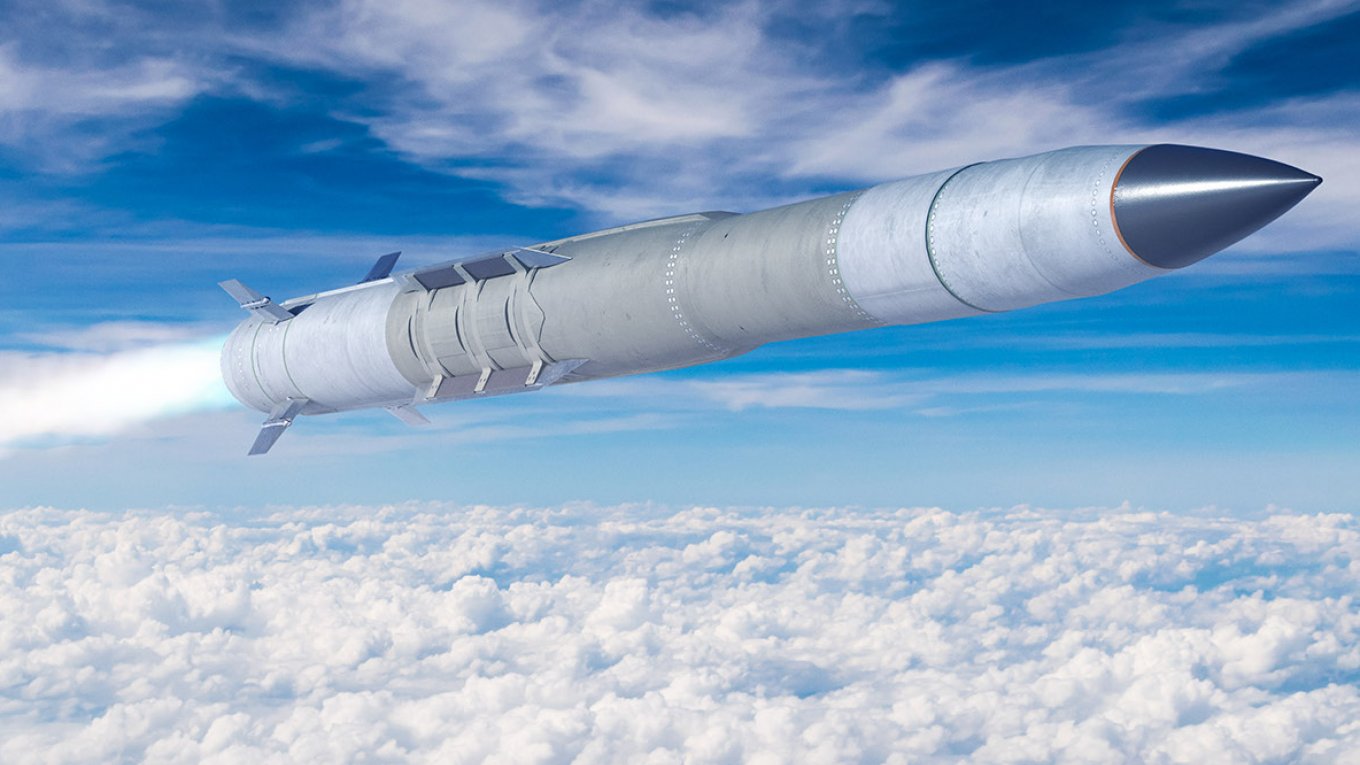
Against this background, the question arises: how many missiles does Ukraine actually need to intercept ballistic targets on a monthly basis? The answer is inevitably conditional, as it depends on multiple factors.
These include the number of Patriot systems deployed in Ukraine and the number of ballistic, aeroballistic, and high-speed missiles used by russia, which require Patriot systems in the PAC-3 configuration employing MSE interceptors. Another key factor is the interceptor expenditure per target, based on U.S. standards and Ukrainian operational realities.
How Many Patriots Ukraine Has and What a Full Salvo Means
Based on publicly available official statements, Ukraine may have up to 14.5 Patriot fire units. This figure represents a maximum estimate and includes decommissioned Israeli systems expected to be transferred to Ukraine via the United States. However, these systems are in the older PAC-2 configuration, and it remains unclear whether they have been upgraded or whether they have arrived in Ukraine at all.
For the sake of simplicity, and also excluding the "half" system provided by the Netherlands, it is reasonable to assume that the Armed Forces of Ukraine currently operate 10 fully functional Patriot systems. The configuration of the transferred systems, specifically the number of launchers per fire unit, has not been disclosed.
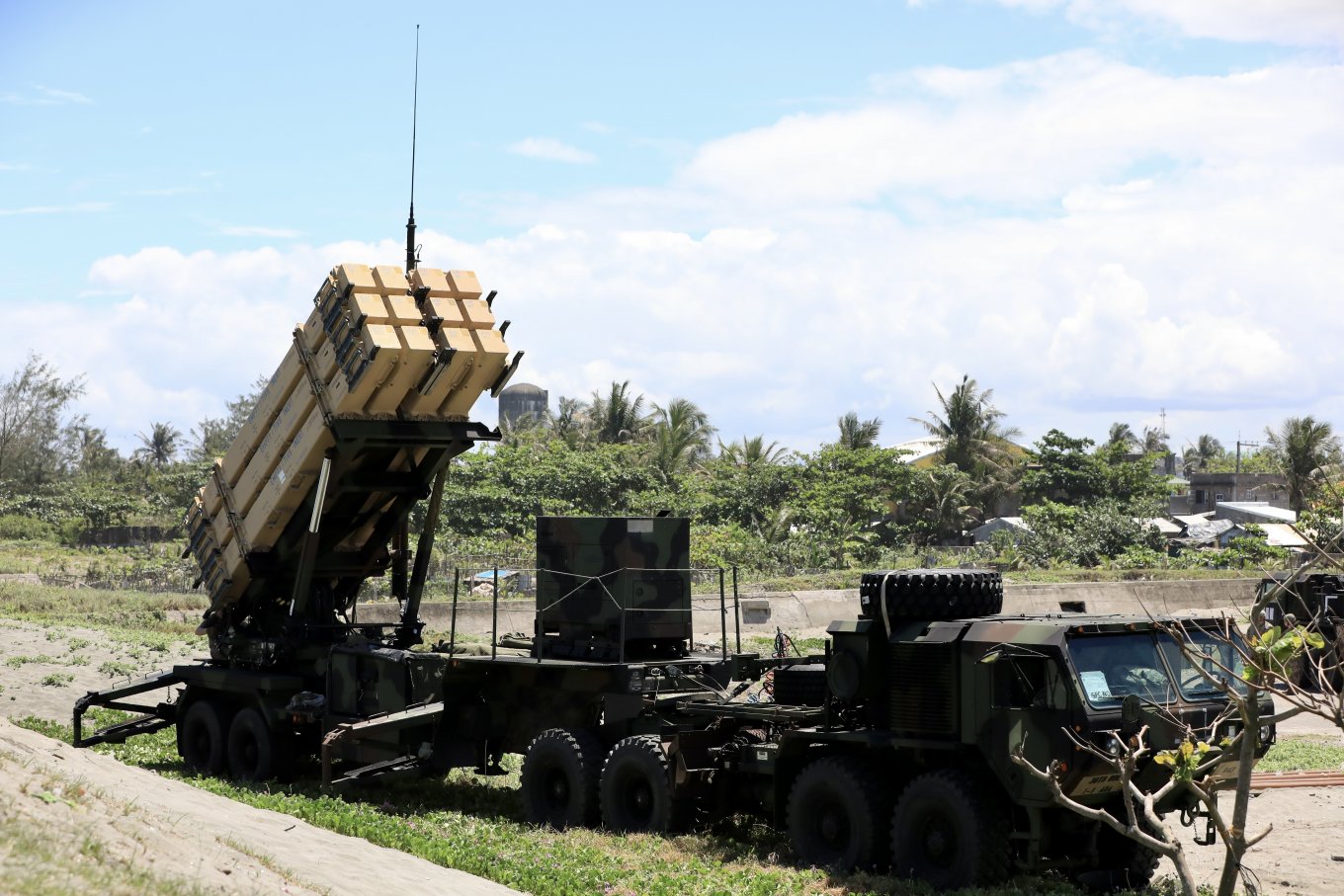
A standard configuration of eight launchers per fire unit is considered very generous. Even in the U.S. Army, six launchers are typically used in practice. According to unofficial information, Germany also employs six launchers per system. However, this is not universal. Romania, which transferred one system, ordered its Patriots with four launchers per fire unit, while Sweden limited its configuration to just three launchers, although it did not transfer them.
Taking all this into account, and purely conditionally, Ukraine can be assumed to operate up to 60 Patriot launchers capable of firing PAC-3 MSE missiles.
The standard loadout of Lockheed Martin's PAC-3 MSE interceptors is six missiles per launcher. Accordingly, fully loading all Ukrainian Patriot systems would require approximately 360 MSE missiles.
How Many Ballistic Missiles russia Launches Per Month
According to reports from the Ukrainian Air Force Command, in December 2025 and as of January 30, 2026, russia used 145 ballistic (including surface-to-air missiles employed in a surface-to-surface role), aeroballistic, hypersonic, and high-speed missiles. All of these require Patriot systems for interception.
Not all of these missiles were directed at targets protected by Patriot systems. Typically, such targets are attacked only during large-scale combined strikes. Over the past two months, there have been nine such attacks.
During these strikes, russia used 122 missiles, including Iskander, KN-23, S-300/400 missiles used in a ground-attack role, Kh-47M2 Kinzhal, and 3M22 Zircon (101 missiles in total), as well as 14 Kh-22 and Kh-32 missiles.
Despite russia's conditional monthly expenditure of such weapons being around 72 missiles, for the purpose of this calculation it is reasonable to use a figure of 61 russian missiles per month that required interception with PAC-3 MSE interceptors.
PAC-3 MSE Expenditure Per Target and Ukraine's Actual Needs
Under standard procedures, two PAC-3 MSE missiles are launched against a single ballistic target. In certain cases, depending on target parameters, up to four interceptors may be used. Even this expenditure does not guarantee a 100 percent interception rate.
A notable example is Iran's attack on the U.S. Al Udeid Air Base in Qatar, where one out of 14 ballistic missiles penetrated defenses provided by two Patriot batteries.
Thus, under U.S. Army standards, repelling such russian ballistic and high-speed missile attacks over the course of a month would require between 122 and 244 PAC-3 MSE missiles.
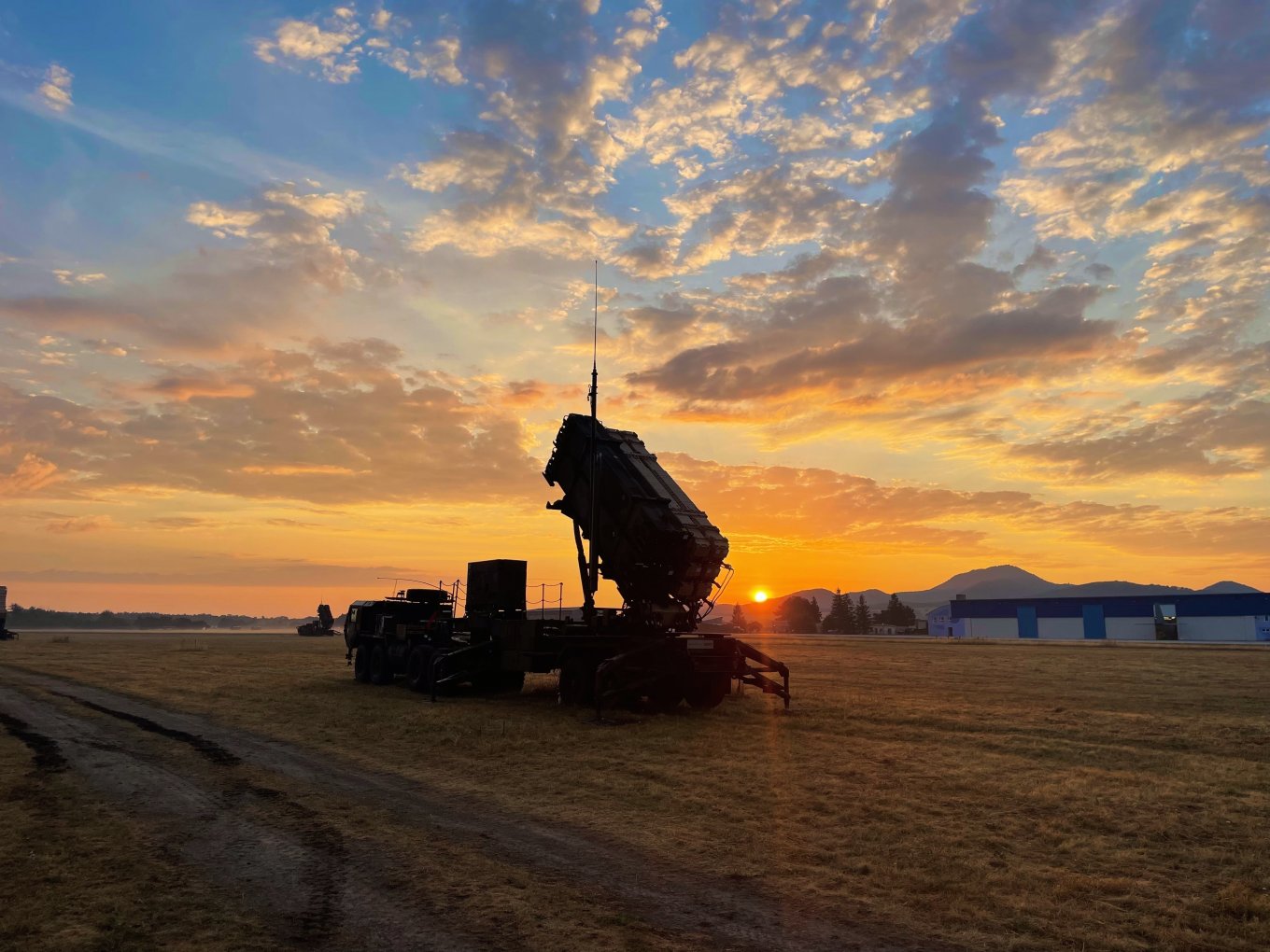
However, the Armed Forces of Ukraine do not have the luxury of such consumption rates. As Ukrainian Air Force representatives have noted, in practice only a single interceptor is often used against such threats. As has now become clear, there are also situations where Patriot launchers may be completely empty.
Thus, Ukraine's estimated minimal requirement to counter the current pace of russian ballistic missile attacks exceeds 60 PAC-3 MSE interceptors per month. Each MSE missile costs USD 4.97 million, which is the price paid by the U.S. Armed Forces. This implies roughly USD 300 million per month for missiles alone, excluding export pricing.
However, these calculations are highly simplified. In reality, money is not the primary constraint. The key issue is missile production capacity.
How Many PAC-3 MSE Missiles Are Produced
The current production level of PAC-3 MSE missiles at Lockheed Martin facilities stands at 620 missiles for 2025, or approximately 51.6 interceptors per month. Importantly, this output is distributed among all Patriot operators worldwide, with priority given to the United States.
This figure already reflects increased production and even an overperformance of the annual plan by 20 missiles. The target production level for 2027 is set at 750 PAC-3 MSE missiles annually. While the U.S. Department of Defense and Lockheed Martin have recently signed a framework agreement aimed at expanding production severalfold, up to 2,000 missiles per year, achieving this level is expected to take seven years.
It is also worth emphasizing that this imbalance exists because russia, together with north Korea, currently operates under relatively favorable conditions that allow for sustained and expanding production of ballistic missiles.
This once again points to the only viable way out of the situation: Ukraine's acquisition of long-range strike capabilities to target key nodes of ballistic missile production inside the russian federation.
Read more: Patriot PAC-3 MSE Proves Effective Against Iskanders and Kinzhals, Now Upgraded for Kh-101s, Kalibrs, and Oniks Missiles