


The Norwegian government has announced new defense investments, including the allocation of NOK 19 billion (around USD 1.9 billion) to procure a long-range ground-based missile system for the army with a stated strike range of 500 km.
The purchase has been described as a strategically important initiative that would significantly enhance the army's strike capabilities. At the same time, neither the specific system nor even the missile type has been identified. The Ministry of Defence is expected to present the available options. What is important is that this requirement applies specifically to the army, not to the air force or the navy.
Read more: What Is the New Narwhal Cruise Missile for Ukraine That Can Strike Moscow and Engels
Norway is already running a competition to acquire a long-range rocket and missile system. Initially, the contenders included Israel's PULS, to be assembled by KNDS Germany under a localization arrangement, South Korea's K239 Chunmoo, and the U.S.-made HIMARS. However, reports emerged a few weeks ago indicating that only the South Korean and U.S. proposals remain under consideration.
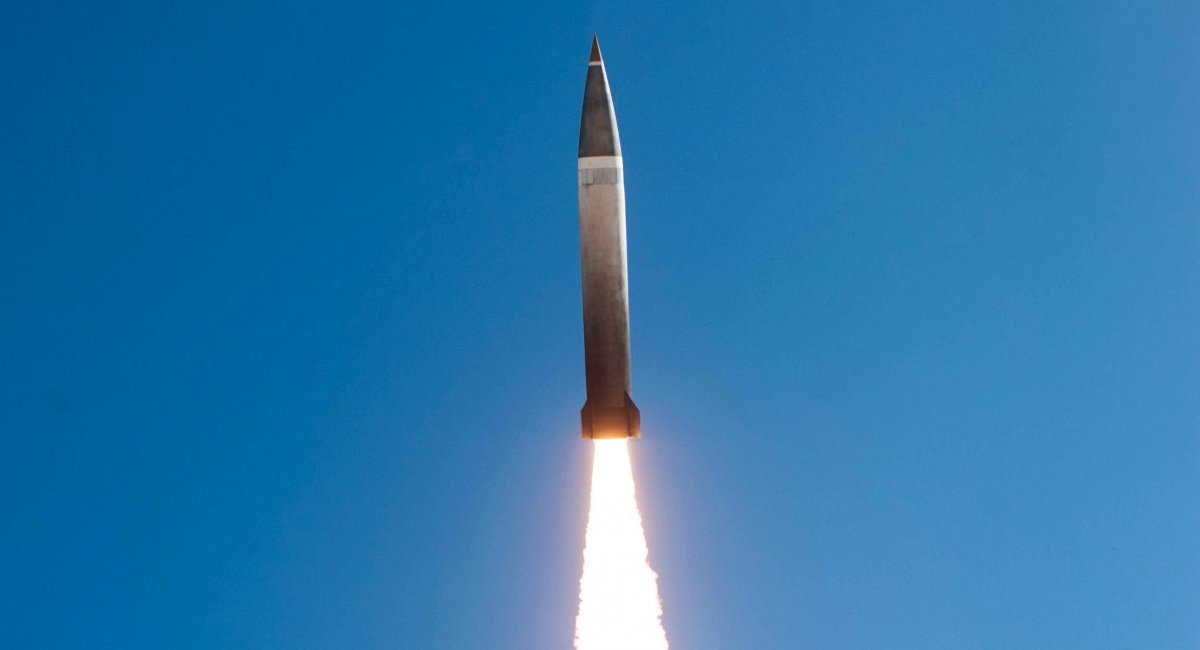
At the same time, the K239 Chunmoo does not officially offer missiles with a 500-km range. The available options include the KTSSM, with ranges of 180 km or 290 km depending on the variant. HIMARS, by contrast, can employ the Precision Strike Missile (PrSM), whose initial version is designed for a 500-km range. However, the official U.S. approval granted in the summer of 2024 for the sale of 16 HIMARS launchers to Norway, valued at USD 580 million, covered only GMLRS munitions (15 "packages") and 100 M57 ATACMS missiles with a maximum range of up to 300 km.
Even then, unofficial reports suggested that Norway had a strong interest in PrSM. At present, however, Australia remains the only prospective foreign operator of this missile. In Australia's case, this involves participation in joint development and localized production rather than a straightforward purchase.
Another factor to consider is that the procurement of U.S. weapons in Europe is now perceived somewhat differently than it was even a year ago. Oslo may take into account the risks associated with the evolving U.S. policy environment, which makes American arms supplies appear less unconditionally reliable.
As a result, Norway may turn to solutions offered by European industry, or preferably its own defense sector. However, the national defense company Kongsberg currently cannot offer a truly long-range ground-attack weapon. Its primary product in this category is the Naval Strike Missile (NSM). Although NSM has been integrated into the now apparently sidelined EuroPULS concept, its main limitation remains its range, which is around 250 km against both naval and land targets.
The next-generation 3SM Tyrfing missile is not expected to enter service before 2035. This means Norway may be forced to look at systems that are already in testing or have been announced and can be fielded on shorter timelines.
The requirement for a 500-km range is not arbitrary. It is driven by Norway's need to hold key russian military and infrastructure targets in the region at risk. Such a range would allow Norway to target Murmansk, the main russian port in the High North, as well as major naval facilities and air bases, including the well-known Olenya air base.
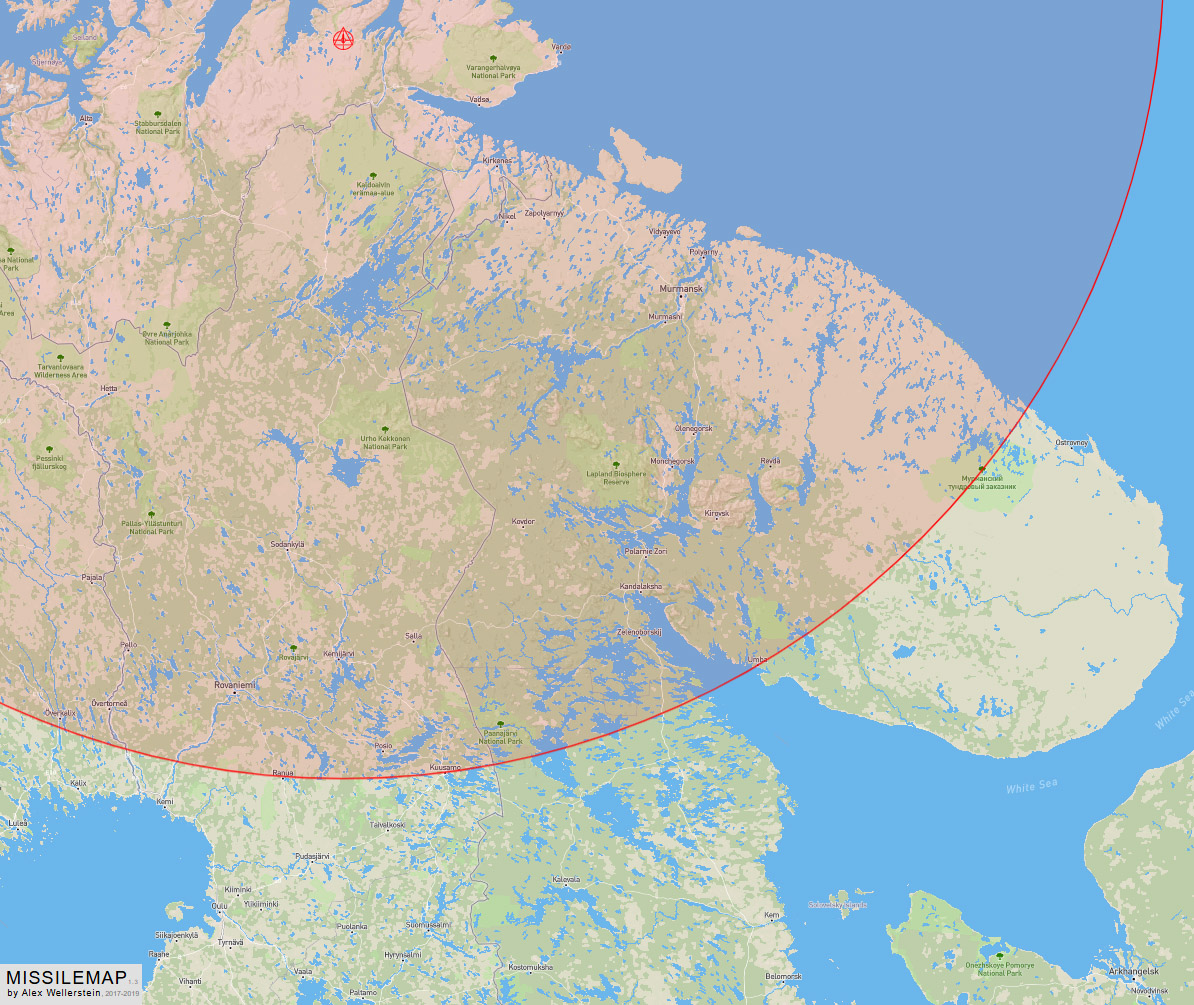
To reliably reach St. Petersburg and Arkhangelsk, however, Norway would need missiles with a range of around 1,000 km. No such systems are currently available on the international market. In particular, confidence in France's LCM project, once envisioned as a pan-European solution, has largely faded. Overall, the evidence points to the collapse of the long-range ELSA program and the emergence of a genuine "parade" of national missile projects across the European Union.
Read more: U.S. Has Ordered Development of the SBI Orbital Interceptor Designed to Shoot Down Nuclear Missiles Immediately After Launch