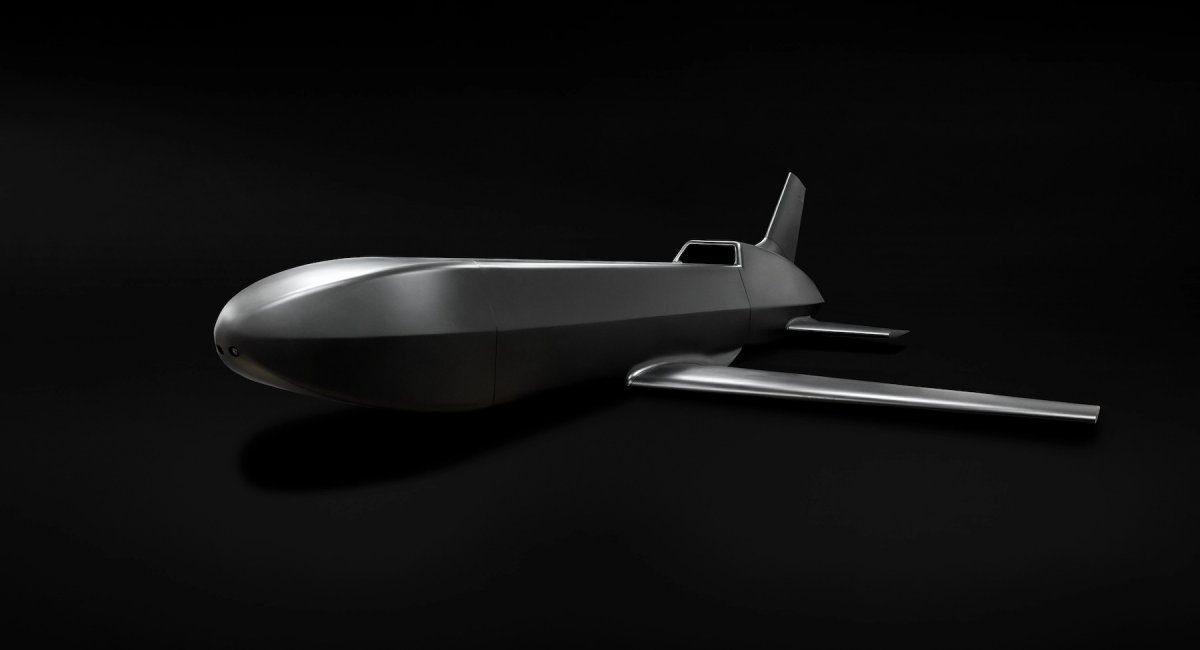
The Czech company LPP has developed the Narwhal cruise missile, which is currently undergoing testing. The final stage of these trials is expected to involve transferring the missile to Ukraine for combat evaluation against russian forces.
The first combat use is planned for January–February 2026, with serial production in the Czech Republic scheduled to begin as early as March. This was reported by the outlet Aktualne.
Read more: Barracuda Cruise Missile from U.S. Instead of/Together With Tomahawk for Ukraine: To Be or Not To Be
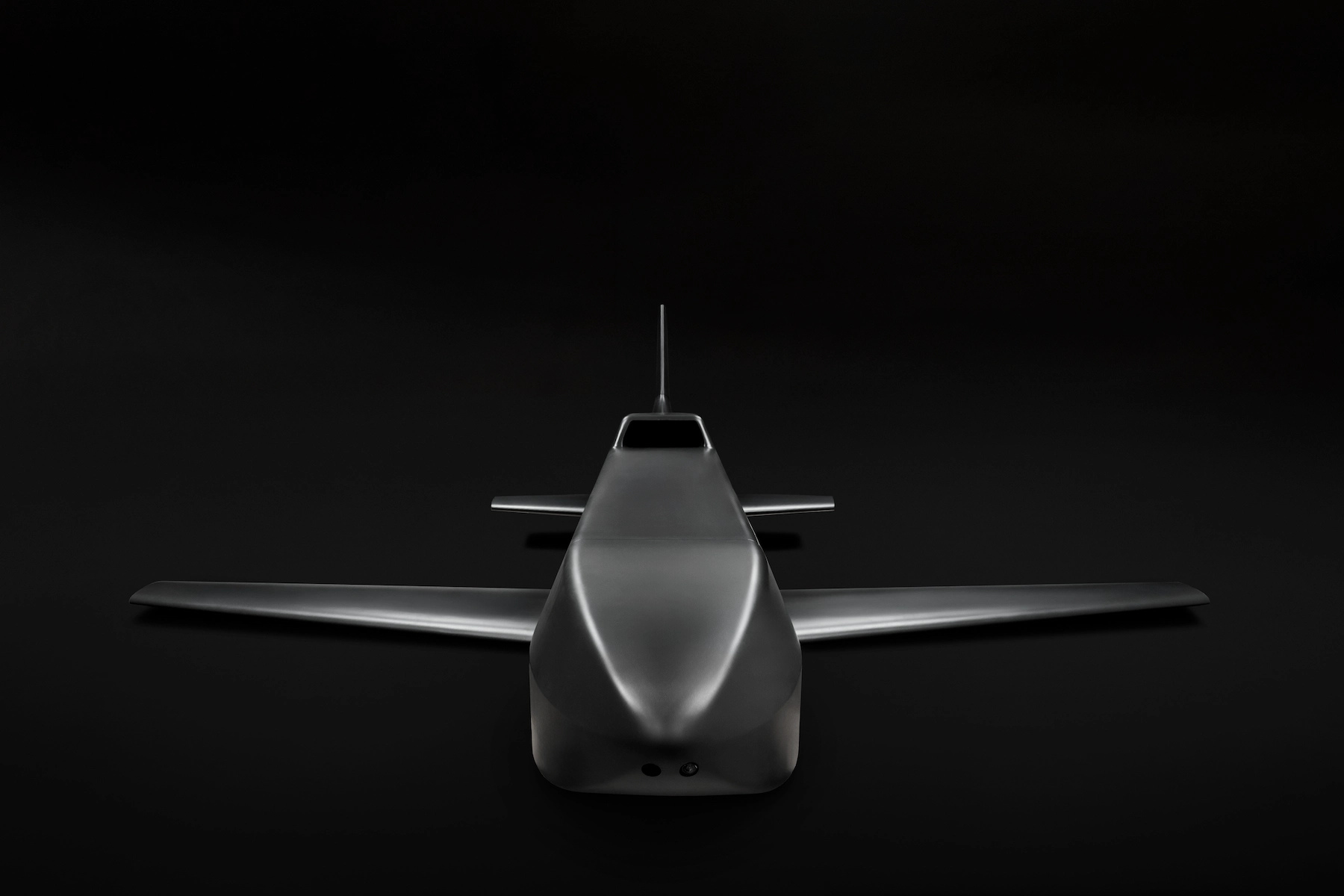
Defense Express adds further details on the missile's characteristics and capabilities. Narwhal is capable of striking targets at a range of up to 680 km, which is sufficient to reach Moscow as well as the Engels strategic bomber base.
The missile has a maximum speed of up to 750 km/h and can deliver a 120-kg warhead to that distance. Such a payload is sufficient to destroy a wide range of targets. For comparison, a Shahed-type drone carries a warhead weighing between 50 and 90 kg, depending on the variant.
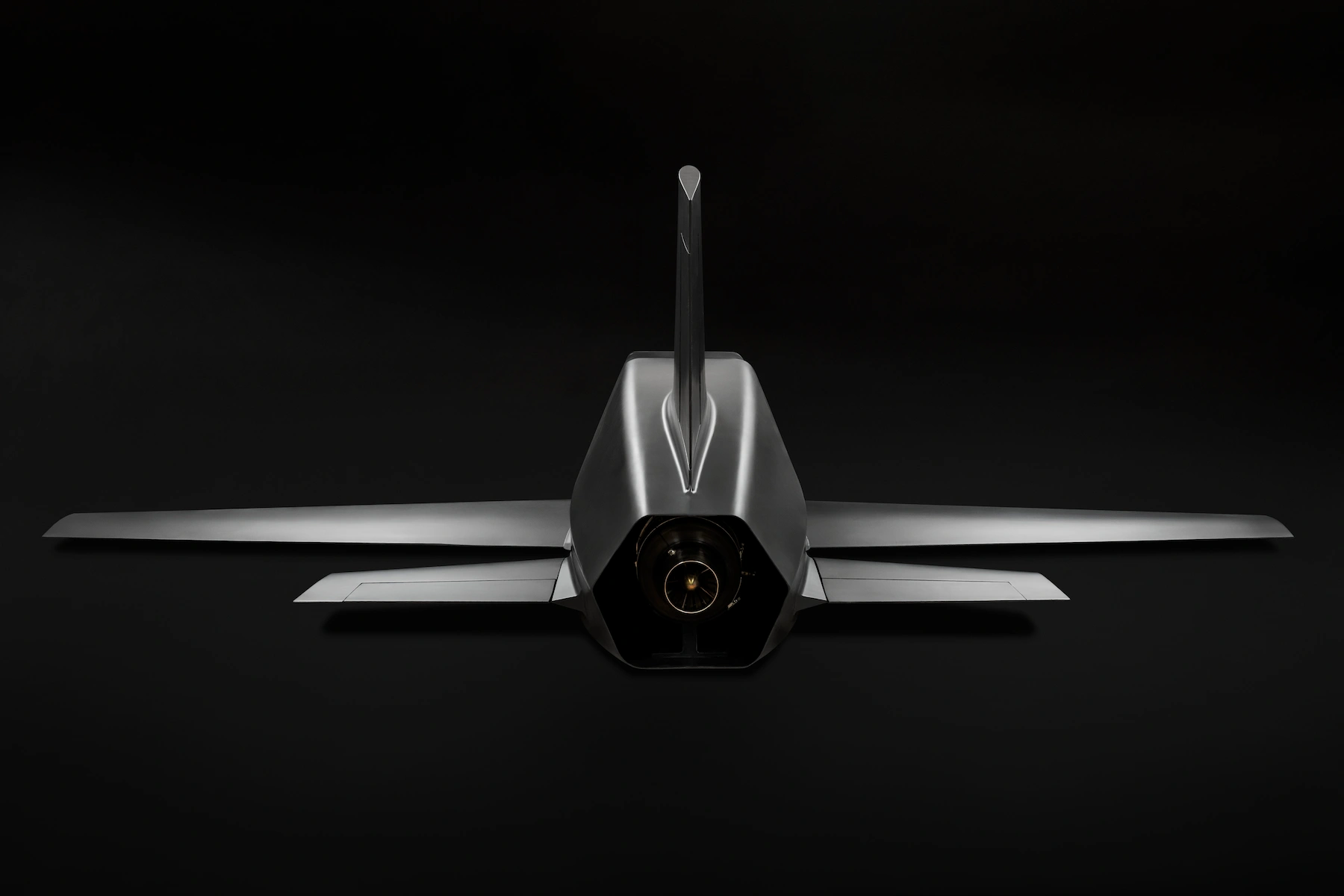
One of the most critical aspects is navigation and guidance. In addition to standard GPS and, most likely, an inertial navigation system, Narwhal is equipped with an in-house visual navigation system developed by LPP. This allows the missile to operate even in GPS-denied environments caused by active electronic warfare.
Narwhal measures 4 meters in length with a wingspan of 2.6 meters and has a total launch mass of 260 kg. It can be launched in several ways: via catapult, from a runway or road using a launch trolley, or with the aid of a solid-fuel rocket booster.
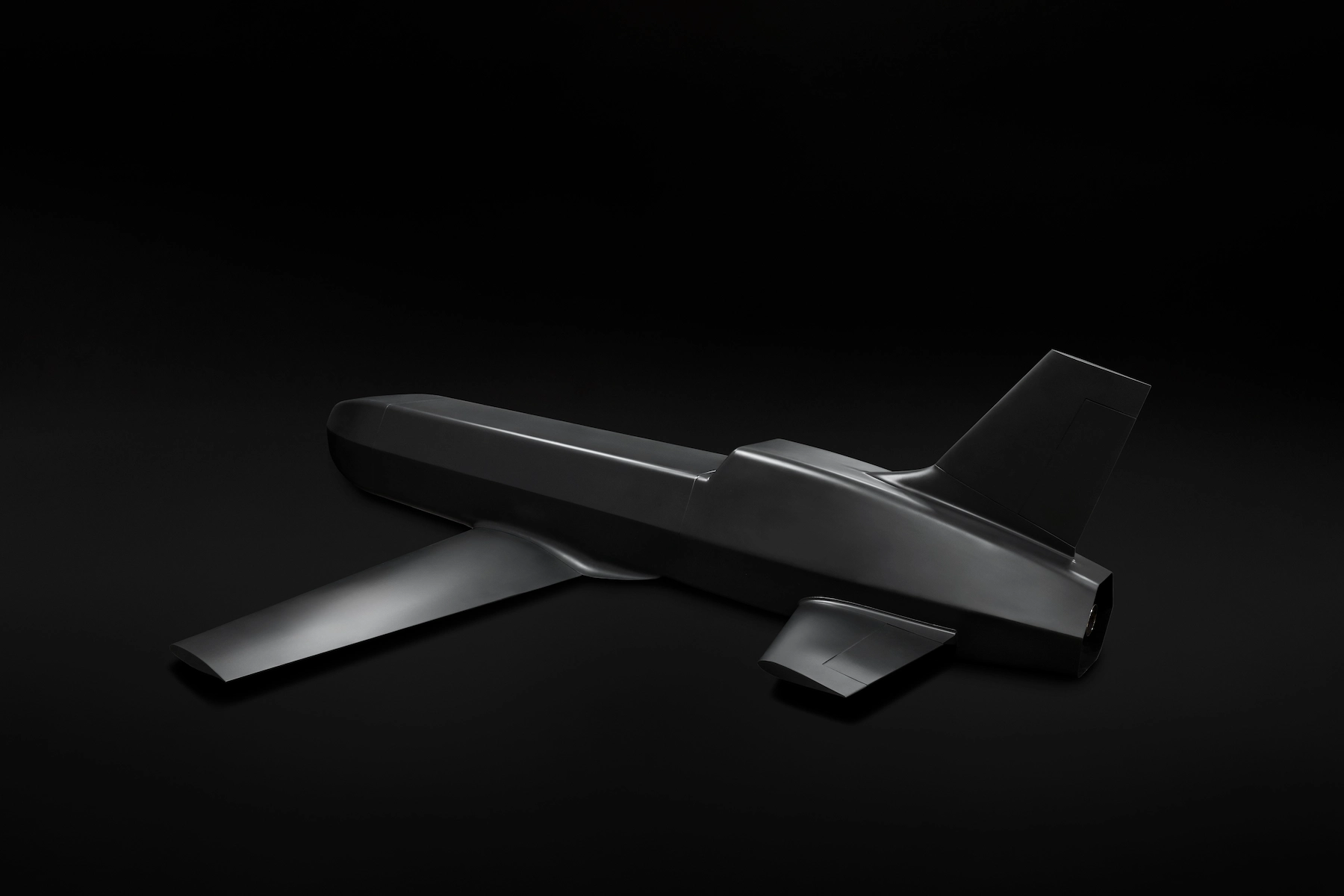
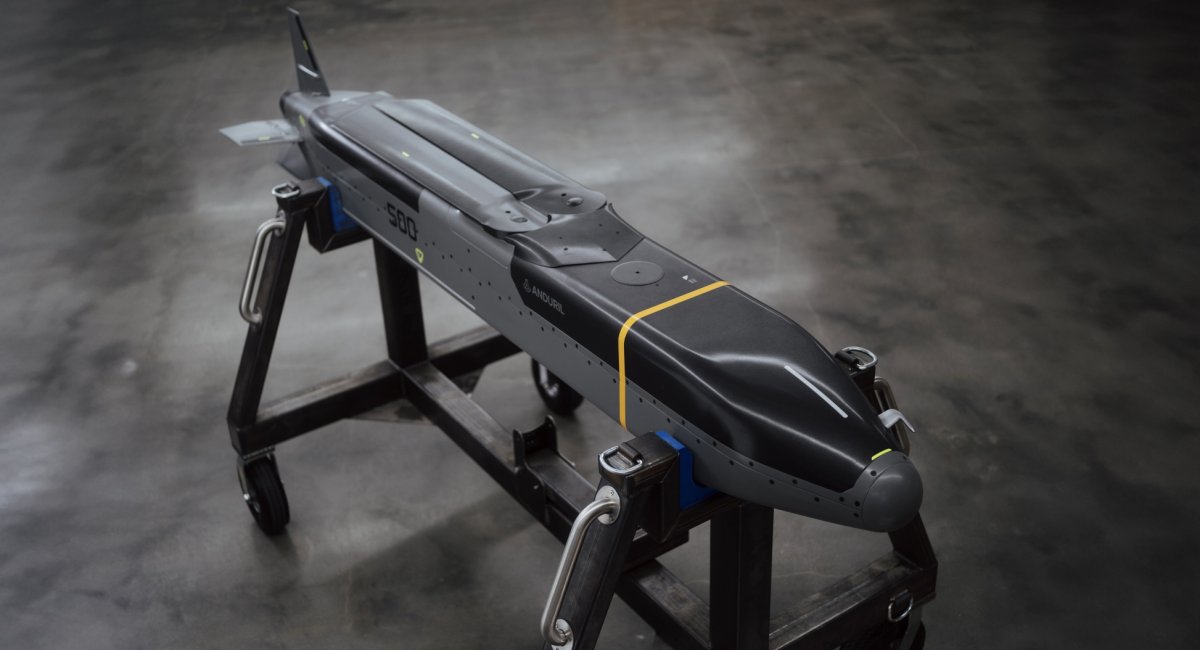
When comparing Narwhal to similar cruise missiles, the most relevant benchmark is the Barracuda 500M, which recently received a special anti-russian variant with a significantly larger warhead. Even so, in most key parameters the Barracuda falls short of Narwhal, particularly in warhead weight (45–85 kg), guidance systems, and partially in range, which is estimated at 500 to 900 km depending on warhead mass.
The main advantage of the Barracuda 500M is its price, reported at just USD 216,500. The cost of the Narwhal missile has not yet been disclosed and is unlikely to be comparable or lower.
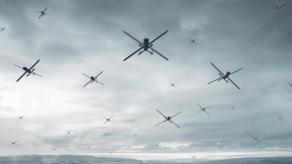
Notably, LPP co-owner Radim Petráš stated in the same Aktualne article that Narwhal was designed as part of a broader unmanned ecosystem. An attack using this concept could look as follows: "We will send ten or twenty of our main 40-kilogram drones to overload the enemy's air defenses. At the same moment, two Narwhals will fly rapidly above them, and above those there will be another pair of invisible ones."
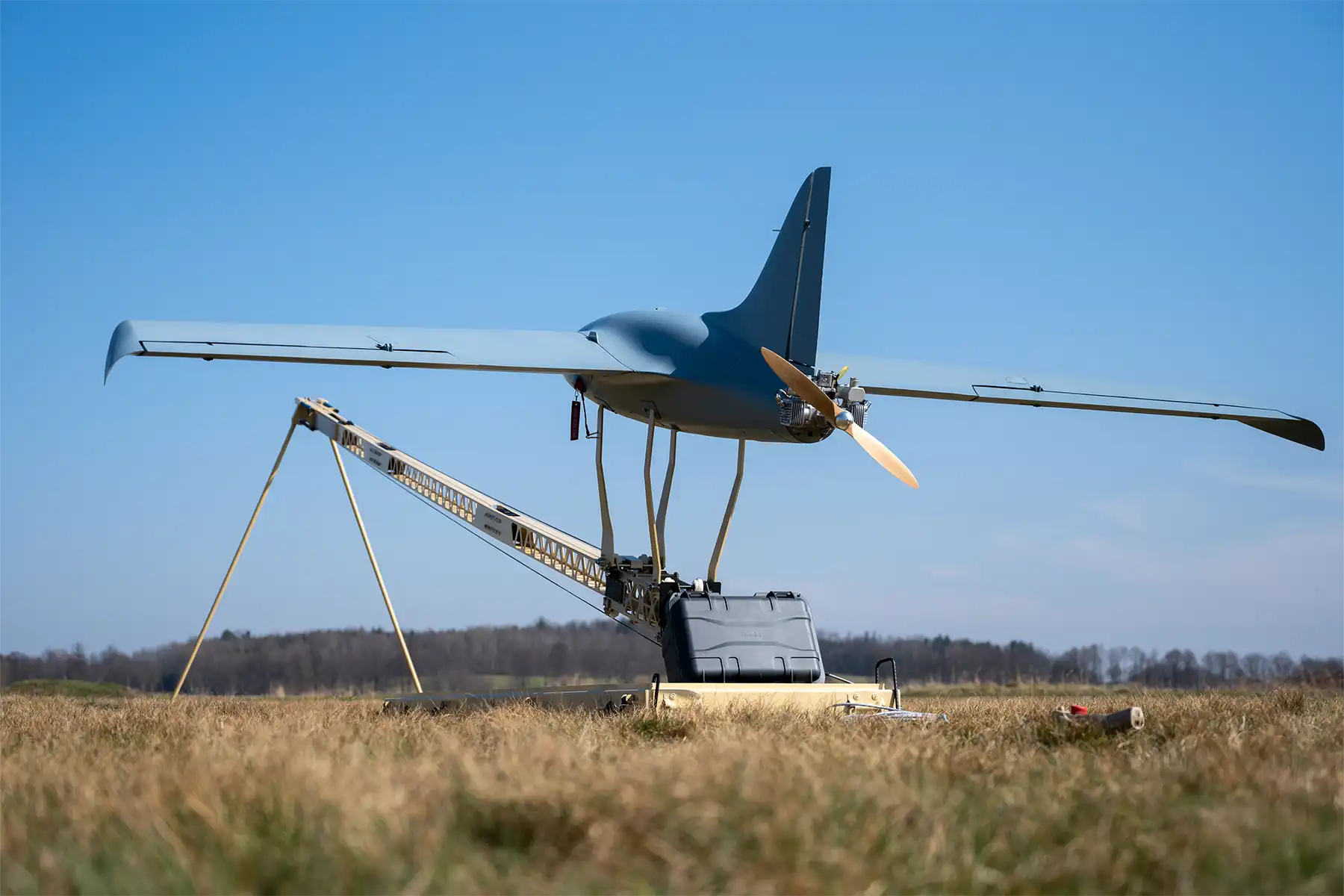
The 40-kg drone mentioned is most likely the MTS. It has a range of up to 650 km, carries up to 12 kg of payload, reaches speeds of up to 230 km/h, and uses the same navigation systems as Narwhal.
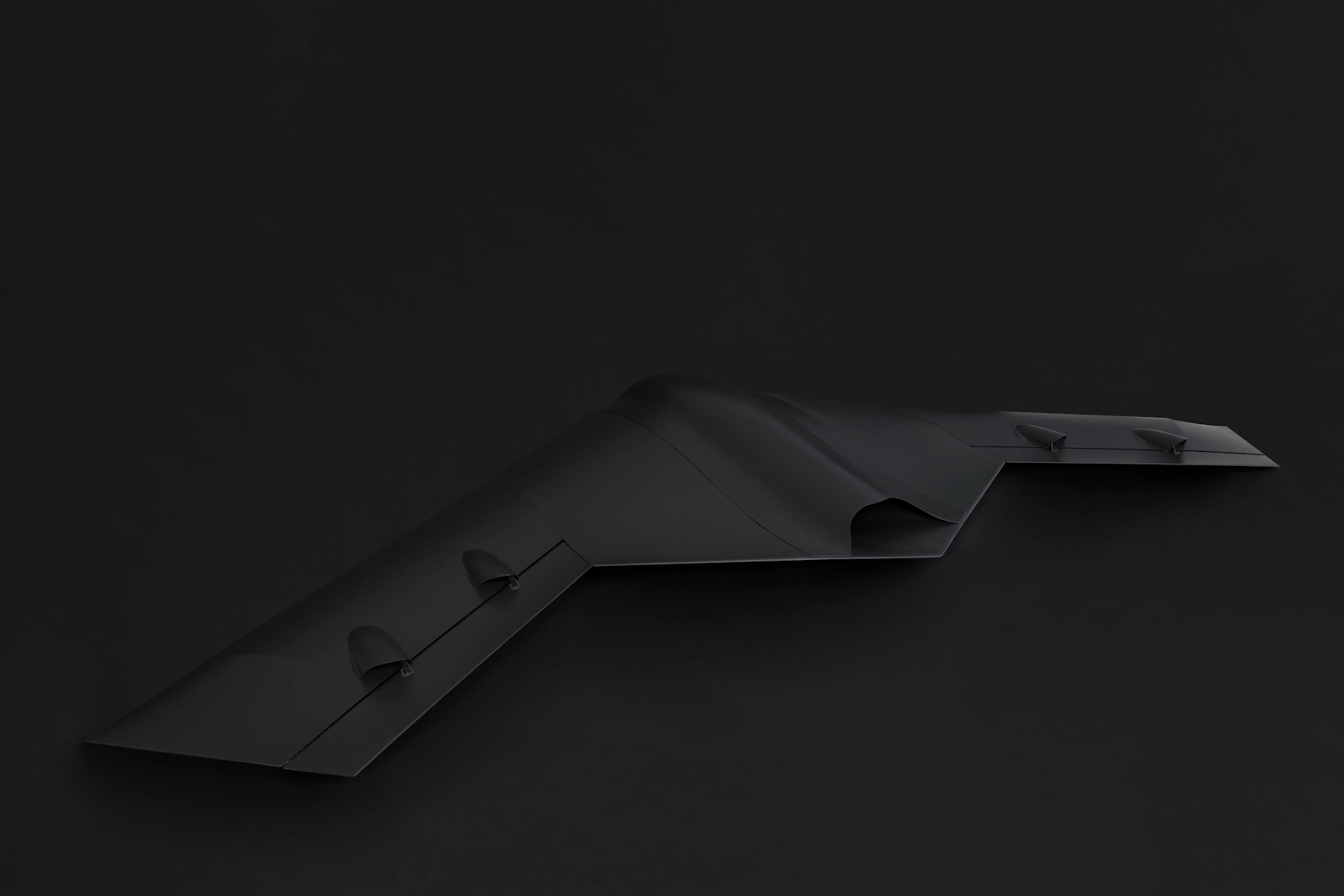
The stealth drone referenced is the Nightray Stealth. It has a range of up to 400 km, a maximum speed of 500 km/h, carries up to 30 kg of payload, and is equipped with the same navigation system as the other platforms.
Given that Narwhal was designed as part of an integrated ecosystem, it can be reasonably assumed that the Nightray Stealth and MTS drones could also be delivered to the Armed Forces of Ukraine alongside it, in order to test the effectiveness of this concept under real combat conditions.
Read more: Taiwan's Barracuda-500: 900 km Cruise Missile You Can Assemble With Just Screwdriver