


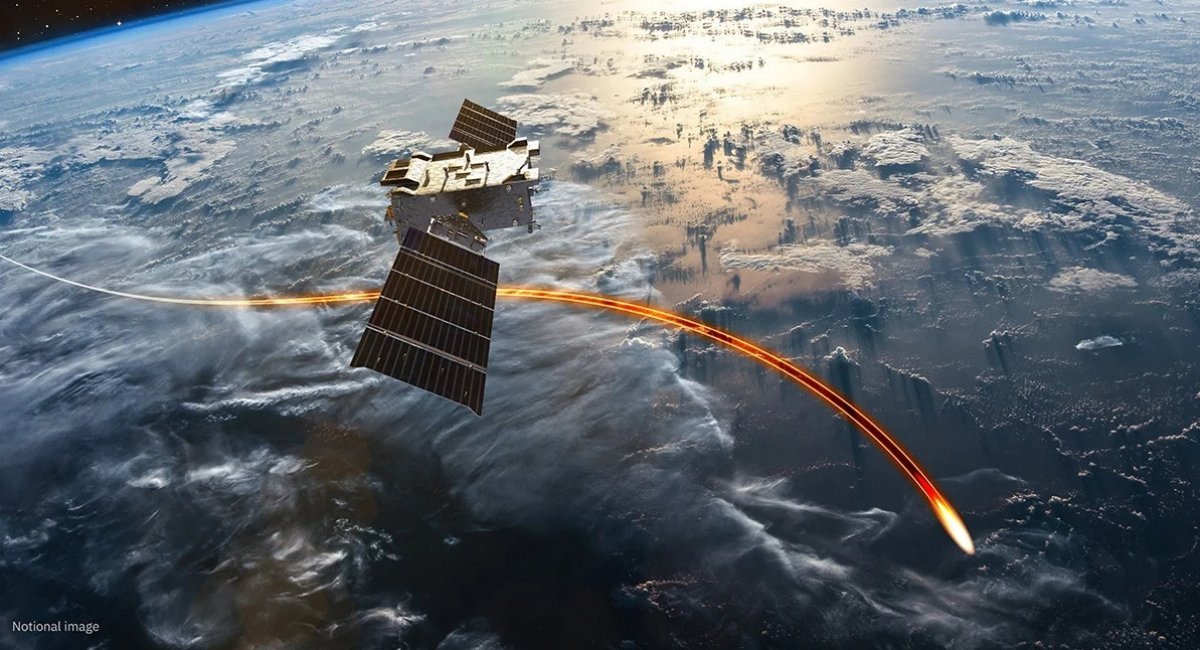
The United States has officially launched work on the SBI (Space-Based Interceptor), a system intended to destroy ballistic missiles during the active phase of their trajectory — essentially right after launch, while the missile is still accelerating.
The U.S. Space Force announced that it has awarded contracts to several developers tasked with building prototypes for a competitive down-selection. However, the names of the participating companies remain undisclosed for security reasons. Contract values and timelines were also withheld. Even the full list of competitors is classified; officials stated only that the selection process for finalists was exceptionally rigorous, according to Breaking Defense, which reported details from a press briefing.
Read more: Trump's Key Sponsors Top the Shortlist of Competitors For Multi-Billion Golden Dome Project
Defense Express notes that the SBI is one of the key components of the new global missile-defense architecture that former President Trump labeled the Golden Dome. The SBI is expected to be produced in two variants:
- an exo-atmospheric interceptor for engagements in space at altitudes above 120 km;
- an endo-atmospheric interceptor designed to intercept missiles during launch.
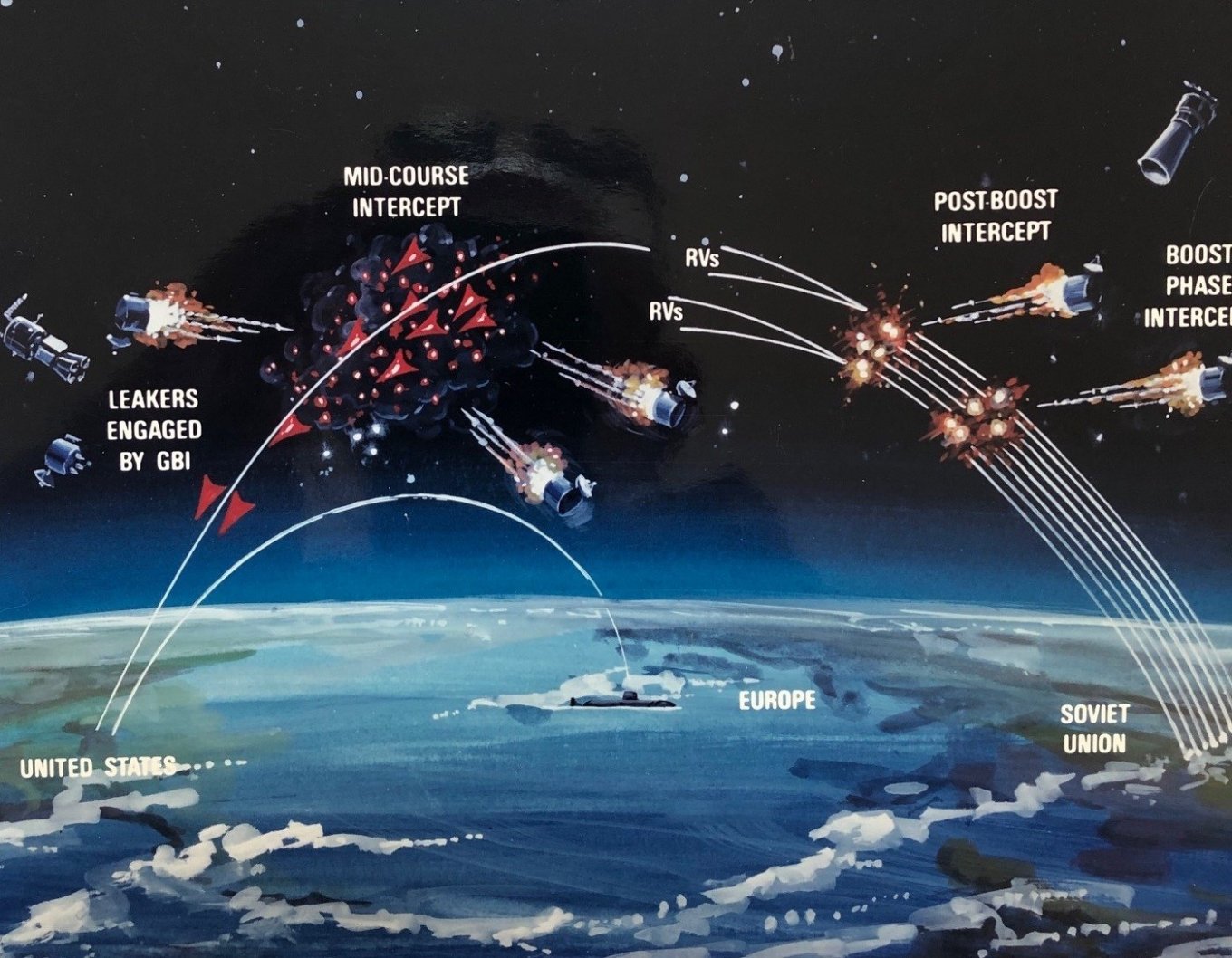
Because SBI interceptors could strike targets anywhere on Earth, the system is expected to provide global missile-defense coverage with minimal reaction time. Moreover, destroying ballistic missiles in their early boost phase addresses several challenges at once.
Immediately after launch, an ICBM cannot actively maneuver. Its post-boost vehicle has not yet released individual warheads or decoys — meaning there is only one target to defeat. And if intercepted early enough, the missile carrying nuclear warheads will fall back onto enemy territory.
However, Breaking Defense highlights a major discrepancy between the scale and complexity of the SBI effort and the legal justifications the Pentagon used to classify it. The Department of Defense is indeed allowed to conceal contracting details, but only for awards under $9 million. The outlet further reports that SBI finalists may receive only a token $120,000 each, a sum that does not come close to covering even a fraction of their development costs.

Meanwhile, the Golden Dome program already has an approved initial budget of $25 billion, with total spending expected to reach $175 billion — a figure analysts believe may be significantly underestimated. The proposed deployment date of 2028 also appears highly optimistic. The publication learned that the Pentagon is accelerating progress by issuing several classified sole-source contracts and expanding existing missile-defense programs.
These measures are intended to speed up development while maintaining strict information silence regarding actual expenditures — costs that could invite further criticism of the White House. Given the enormous financial burden of building a space-based missile-interceptor system, recovering development expenses may be possible only through large-scale serial production of the system and its components.
Read more: How the Destruction of russian Tu-160, Tu-95MS, Tu-22M3 Bombers Impacts the $175 Billion Golden Dome