Among the potential future targets of russian strikes against Ukraine are facilities in central Kyiv that russian propaganda has threatened since 2022 under the label of so-called "decision-making centers."
This term usually refers to Ukrainian government institutions, including the Cabinet of Ministers, the Presidential Office, and military command facilities.
Read more: Ukraine's Defense Intelligence Estimates When russia Could Reach Production of 500 Long-Range Drones Per Day
According to information reportedly obtained by Ukraine's Defense Intelligence (HUR) and later referenced by President Volodymyr Zelenskyy, russia may be preparing plans for strikes against such targets.
Published materials also allegedly mentioned protected underground facilities in central Kyiv located at depths of up to 95.5 meters, including one beneath the government quarter.
At the same time, striking facilities protected by such a massive layer of soil is an extremely difficult technical challenge.
Recent U.S. operations against deeply buried Iranian underground facilities clearly demonstrated this problem. Even advanced American bunker-buster bombs were often assessed as capable primarily of collapsing entrances rather than completely destroying underground systems.
Even the most powerful bunker-buster weapon currently known, the GBU-57 Massive Ordnance Penetrator, is estimated to penetrate up to 60 meters of soil under ideal conditions.
The bomb weighs approximately 13.2 tons due to its extremely thick reinforced casing, while the warhead itself accounts for only around 2.7 tons, roughly 20 percent of the total weight. In addition, the weapon can only be delivered by the Northrop B-2 Spirit strategic bomber.
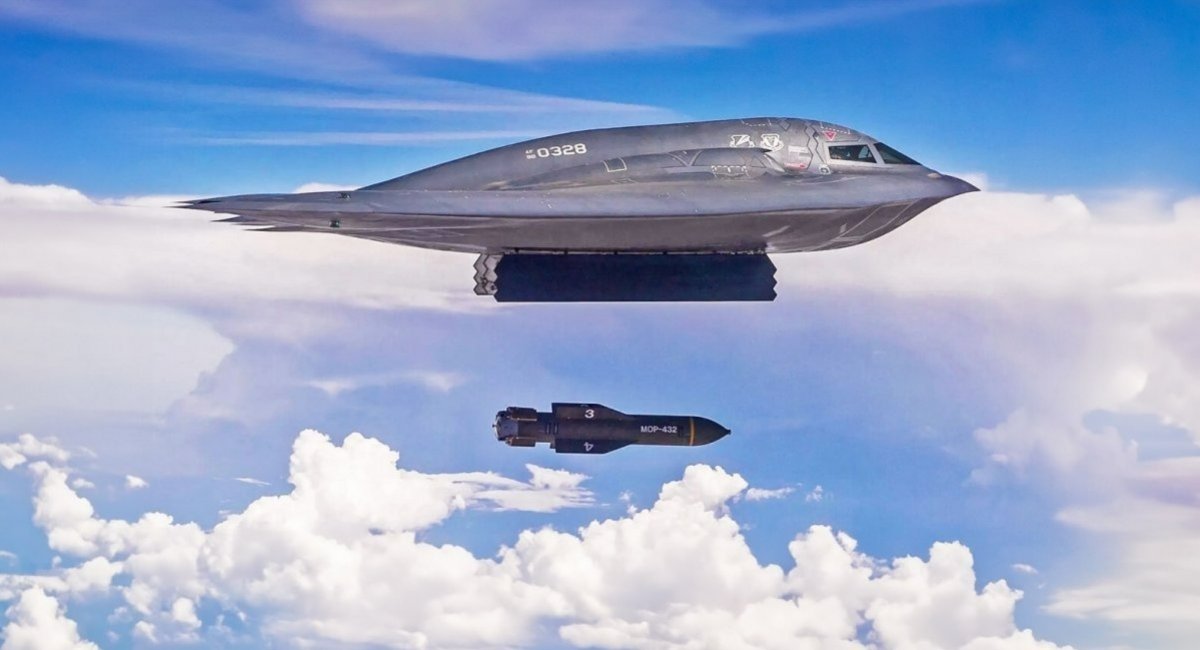
russia possesses neither comparable aircraft nor similar bunker-buster weapons.
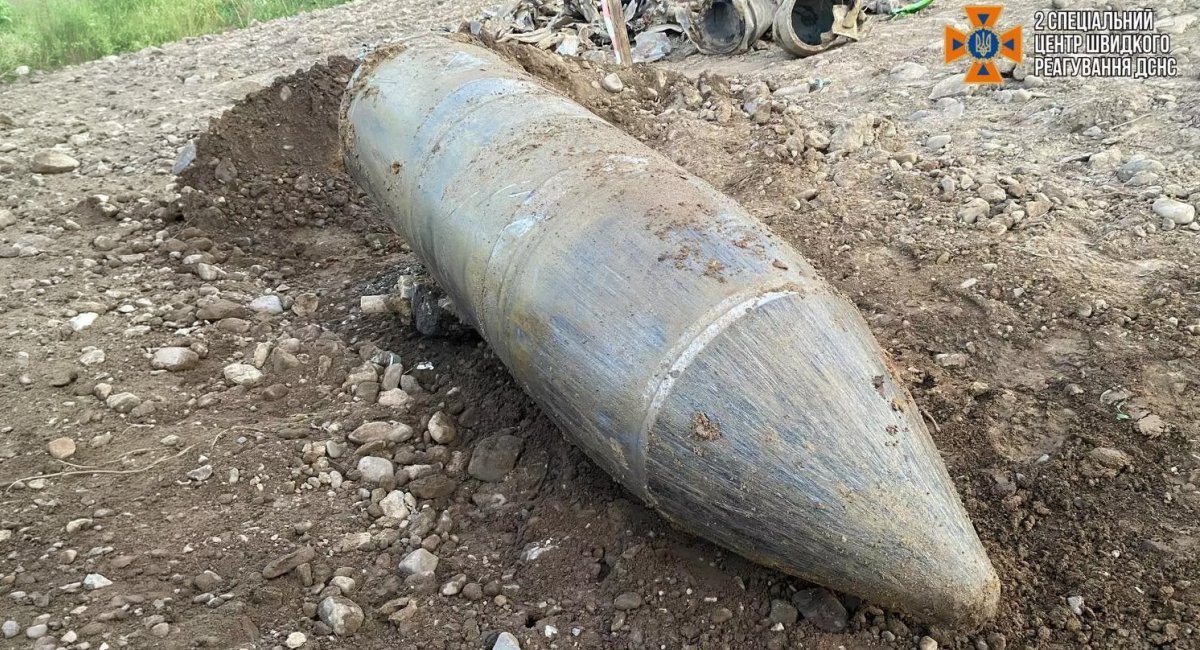
The most powerful publicly known russian penetrating bomb appears to be the KAB-1500L-Pr, which is estimated to penetrate roughly 10 to 20 meters of soil.
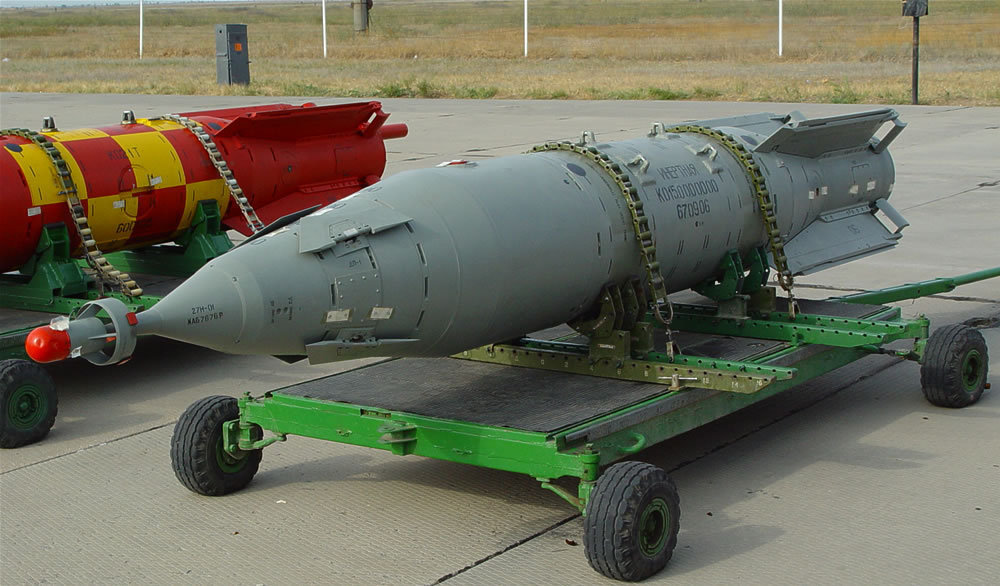
However, employing such a weapon would require russian aircraft to fly directly over Kyiv, something currently unrealistic because of Ukraine's air defense network.
As a result, russia's only practical conventional option would likely be bunker-penetrating warheads used on ballistic and aeroballistic missiles such as the 9M723 Iskander and Kh-47M2 Kinzhal.
According to available information, these warheads are reportedly derived from the BetAB-500U concrete-penetrating bomb and are estimated to penetrate only around 3 to 5 meters of soil.
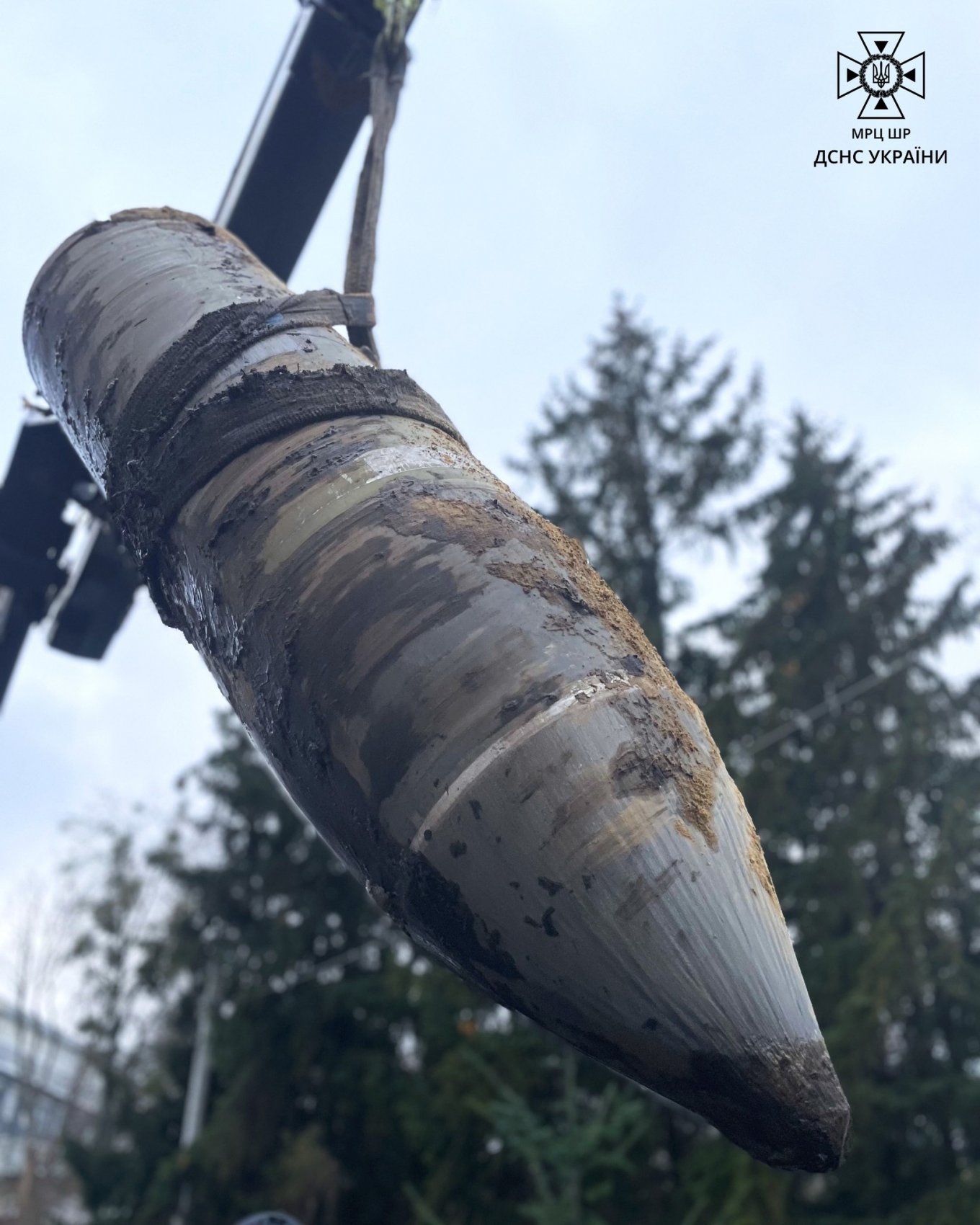
This means that, based on publicly known conventional capabilities, russia currently lacks weapons capable of effectively striking targets buried at depths approaching 100 meters.
This assessment does not even account for the long-standing accuracy issues associated with russian long-range precision strike systems.
Moreover, protection from known russian bunker-penetrating missile warheads is provided not only by hardened government and military facilities, but also by many deep and medium-depth metro stations in Kyiv.
Read more: U.S. Hits iranian Nuclear Sites with 14 GBU-57 Bombs: How Many Are in Stock, and How Fast Are They Made?