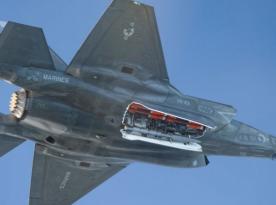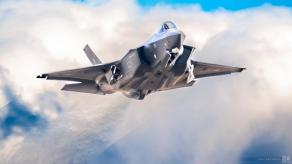



Uncertainty surrounding the joint sixth-generation fighter program FCAS, to be developed by Germany, France, and Spain had appeared to stem primarily from governments's reluctance to take responsibility for officially closing the project.
The manufacturers had already fallen out decisively and continue to do so: in early March, Dassault took another public swipe at Airbus. Meanwhile, the government-level deadline for a final decision on FCAS's fate, set for mid-April, passed without resolution.
Read more: Belgium Seeks $236M JSM Deal to Arm F-35s as It Prepares to Transfer 53 F-16s to Ukraine From 2026
Airbus has now made a statement that could be interpreted as a commitment to saving the program. As Airbus CEO Guillaume Faury said at the Airbus Defence Summit, quoted by EFE, the company will continue to support European cooperation, which has proved no easy matter.
Faury further stated that he views the FCAS system with optimism, as an Airbus development, attributing the program's difficulties to the fact that it was conceived before russia's full-scale invasion of Ukraine.
From Defense Express's perspective, the reason behind this somewhat refreshed position from Airbus leadership may not be a genuine desire to save the FCAS program in its current form — but rather an intent to preserve the company's stake in the broader ecosystem surrounding the fighter development.
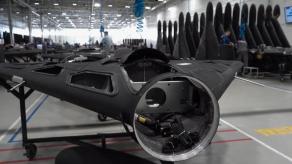
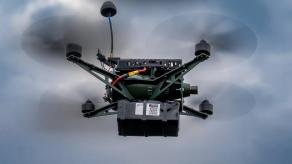
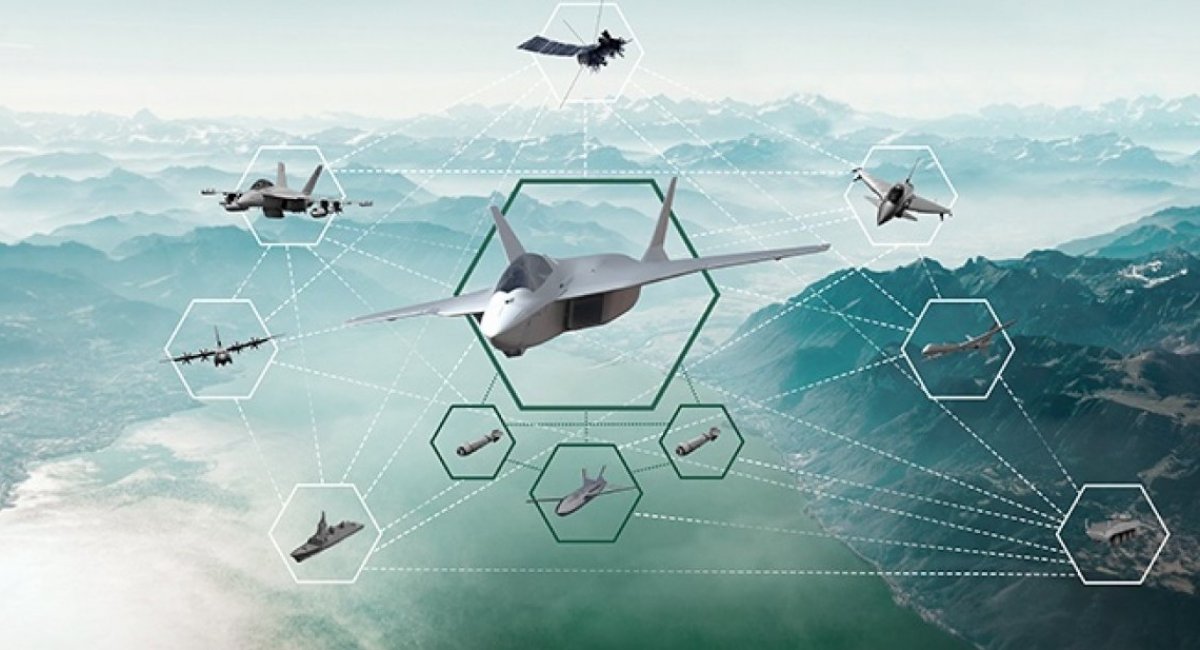
This is why, at the same summit, head of Airbus Defence and Space Michael Schoellhorn reminded the audience that FCAS is not simply a fighter aircraft but a system of systems encompassing not only the fighter itself but also digital battle management systems of the combat cloud type and loyal wingman drones.
The underlying issue is that France wants a lighter aircraft that could be adapted as a carrier-based fighter, while Germany is interested in a heavier platform. As a result, the idea of developing two separate fighters within the FCAS framework is now being discussed sharing a common overarching system and loyal wingman drones to be developed jointly with Airbus.
This approach, however, looks more like a deferral of the problem than a solution. If Germany and France have been unable to agree on a single aircraft design thus far, it is difficult to see how full alignment on drones, weapons, command systems, and communications would be any easier.
Spain is also frequently overlooked in the Franco-German dispute over FCAS. Madrid is primarily trying to preserve its equal 33% share of the program and is equally unhappy with Dassault's bid for 80% — or at minimum 51% of the project's work share, though Spain would likely also favor the lighter fighter variant given its plans for a national aircraft carrier.
Read more: To Shoot Down Iskander-M with Patriot 5 Times Cheaper: U.S. Is Rushing to Develop New LCI Missile In Addition to PAC-3 MSE