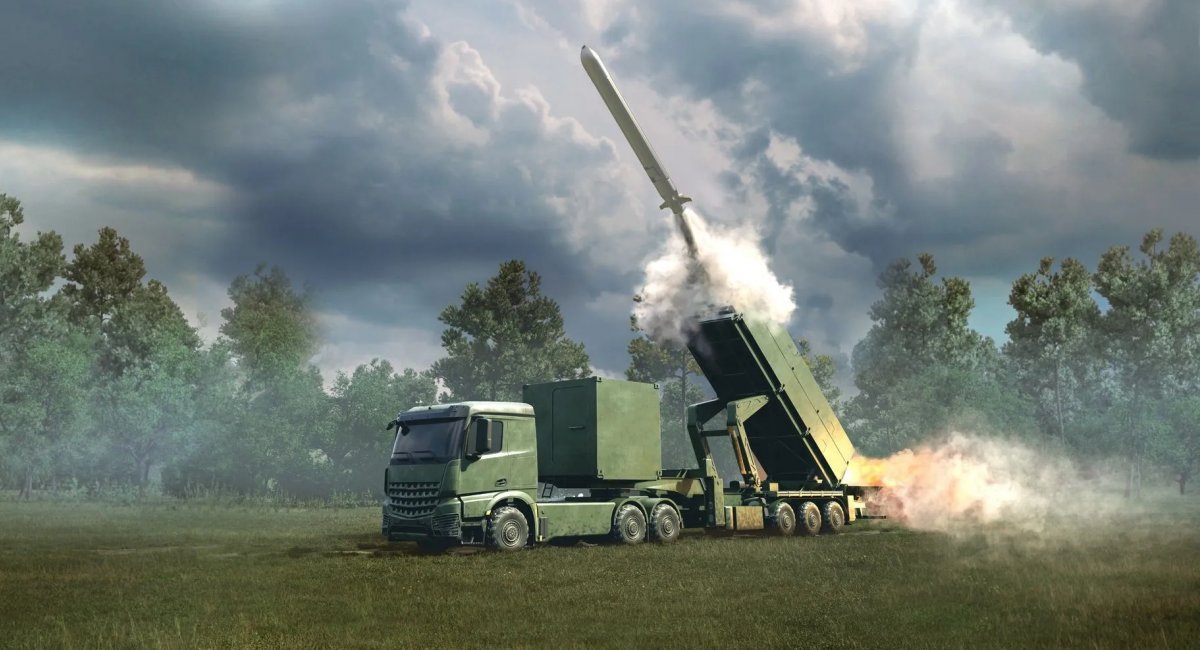
The pan-European missile manufacturer MBDA has confirmed that it still has not received an order for its long-range Land Cruise Missile (LCM), a program first publicly revealed in 2024.
Company representatives stated during the Eurosatory defense exhibition in Paris that MBDA is still awaiting a launch customer for the missile, according to German defense outlet Hartpunkt.
Read more: What to Expect From New Neptune 2 Cruise Missile if Ukraine Cooperates With MBDA
At the same time, the development timeline remains unchanged, with the missile expected to enter service around 2030. Another notable detail is that while the missile itself is expected to be funded through a government contract, MBDA plans to develop the launcher at its own expense.
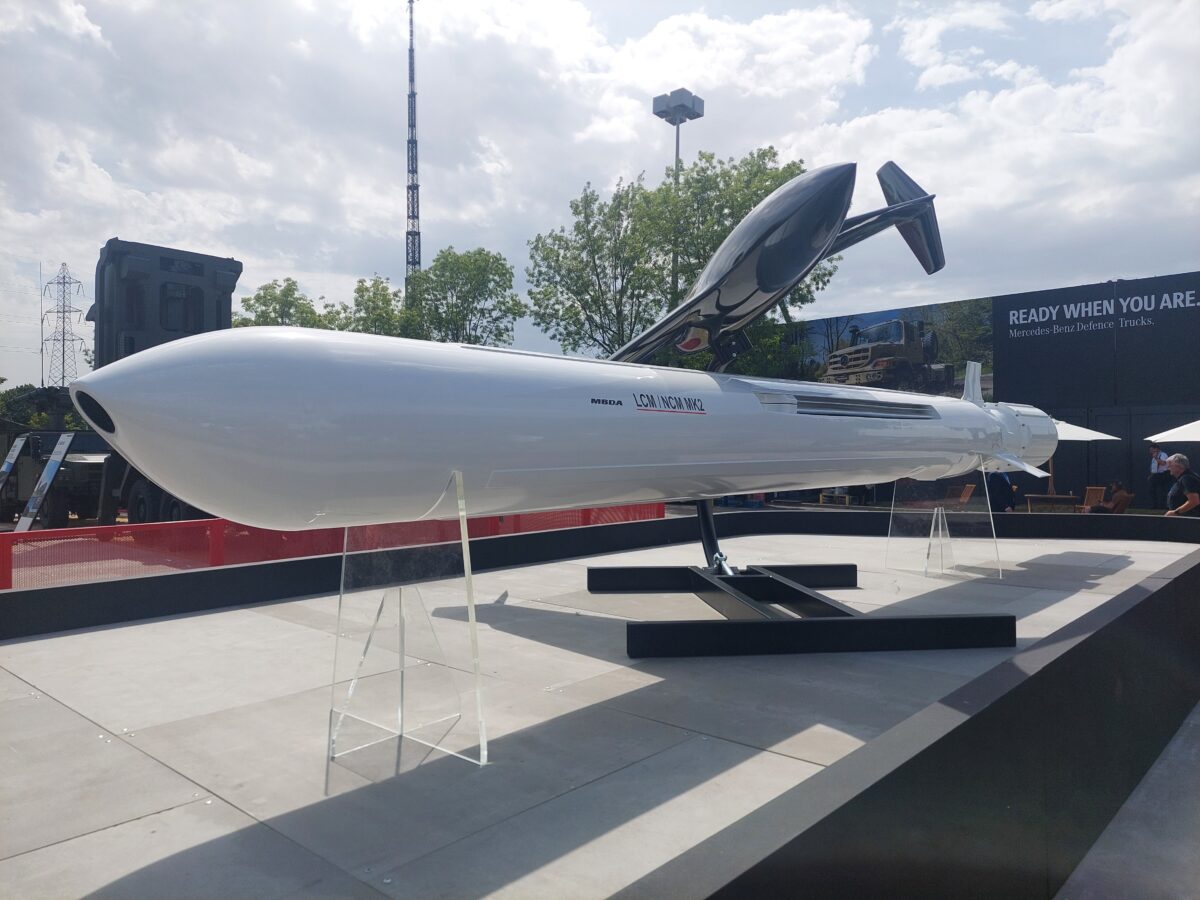
From Defense Express' perspective, the LCM program does not appear to have received the highest priority. Development remains stretched over several years despite the fact that the missile is based on the existing MdCN (Missile de Croisière Naval), also known as the Naval Cruise Missile (NCM), rather than being developed from scratch.
This is reflected in the project's full designation, NCM-LCM Mk2. The new missile is intended to serve both land-based launchers and naval platforms, making it a truly multi-domain weapon. It is also worth noting that the MdCN itself was originally developed as a deep modernization of the Storm Shadow / SCALP family, meaning MBDA is building on a mature technological foundation.
Overall, the LCM is expected to be a conventional long-range cruise missile with a range exceeding 1,000 km. It is designed to fit within the dimensions of the Sylver A70 vertical launch system cell, which limits its length to approximately 7 meters. Other performance characteristics remain undisclosed.
However, it is reasonable to expect capabilities at least comparable to those of the MdCN, which carries a 250-kg warhead and reaches speeds of up to 800 km/h.
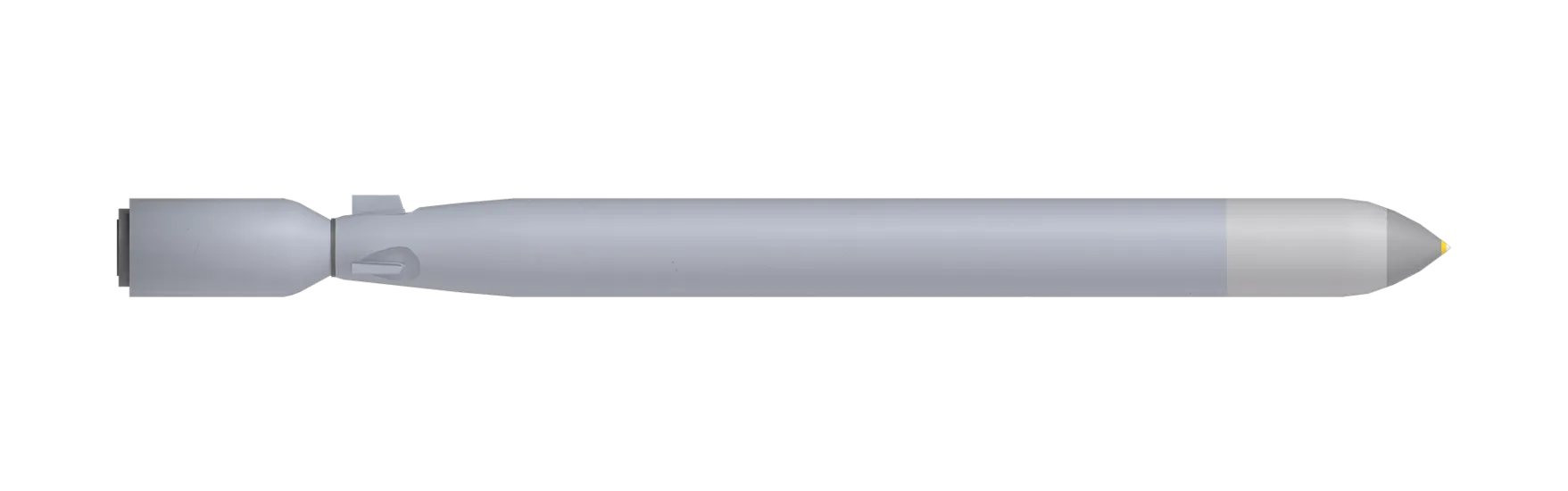
The missile mock-up displayed at Eurosatory also suggests that the LCM will feature an imaging infrared seeker for terminal guidance. Similar solutions are already employed in other MBDA cruise missile programs.
At the same time, the LCM does not appear to incorporate the distinctive box-shaped fuselage selected for MBDA's next-generation Stratus LO cruise missile, which is being developed as a future replacement for the Storm Shadow / SCALP.
It is worth recalling that MBDA recently announced cooperation with Ukraine's State Kyiv Design Bureau Luch on the development of the new Neptune 2 cruise missile. In terms of mission profile and intended capabilities, the future Ukrainian missile could potentially emerge as a competitor to the LCM.
Read more: Ukraine's New P1-SUN Long Can Hunt Shahed Drones at Twice Distance and Already Has Combat Kills