


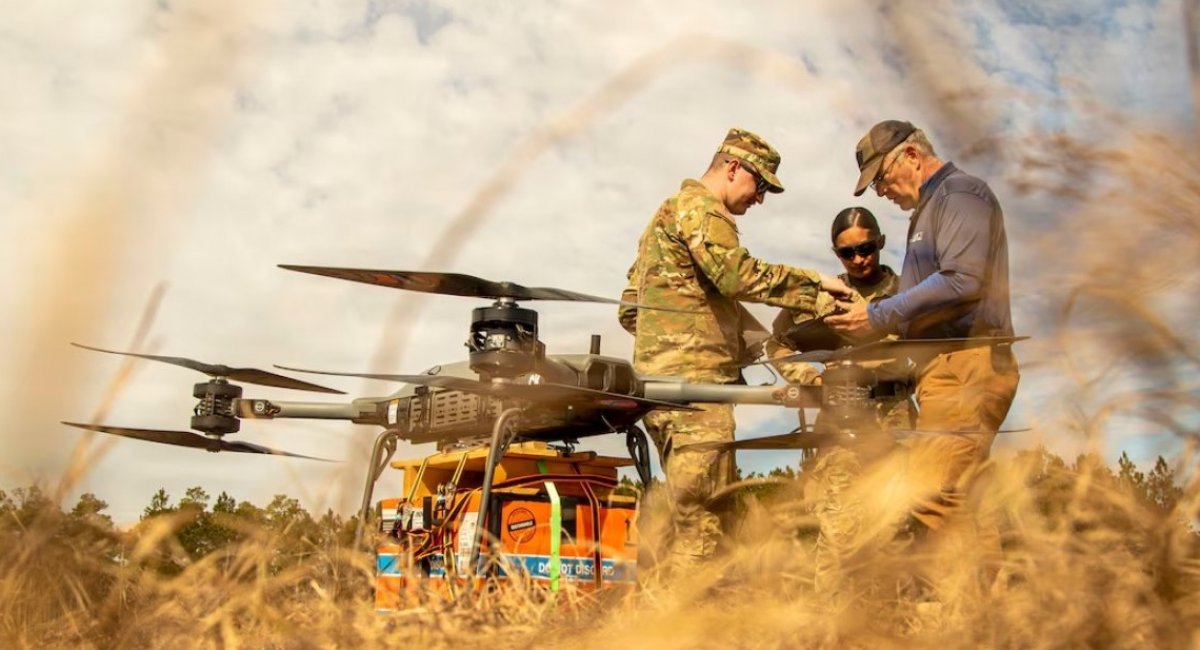
The U.S. military is actively working to arm itself with more unmanned aerial vehicles of various types, betting on mass production as well as cheaper models. However, for this armament to be truly suitable for use in modern combat conditions, the U.S. needs to master a number of new capabilities.
This opinion was expressed by Colonel Burr Miller, who is part of Security Assistance Group-Ukraine, created to coordinate weapons transfers to Ukraine and ensure training of Defense Forces military personnel.
Read more: Over 70% of Combat-Ready B-1s Now in UK, Unprecedented Deployment May Delay Retirement Plans
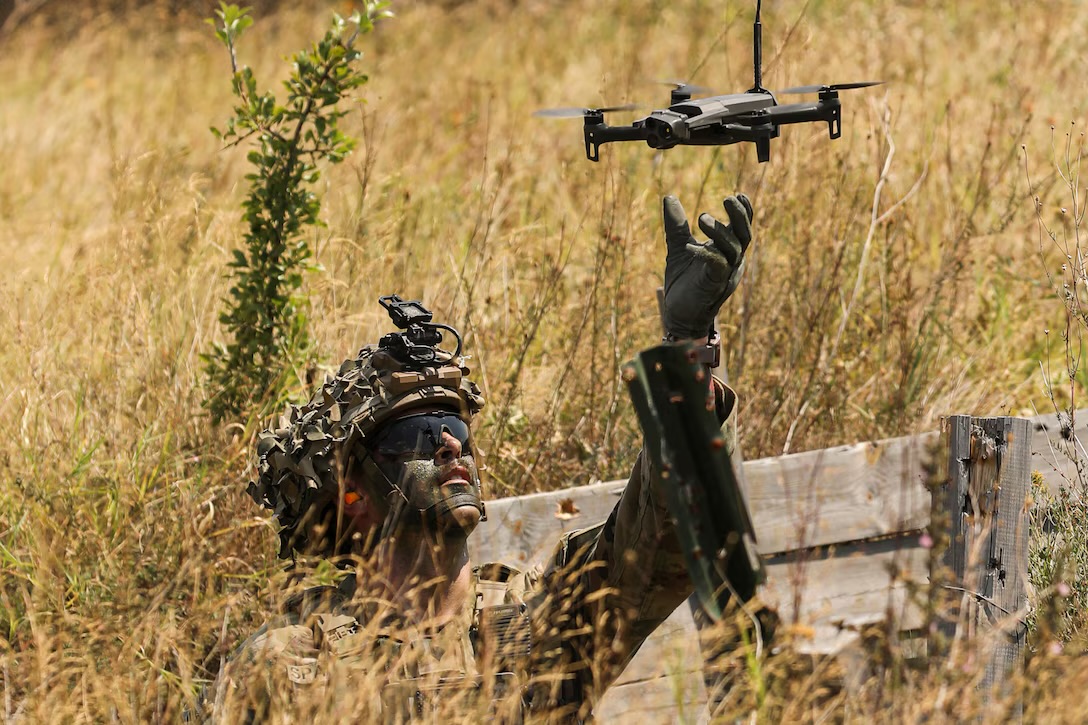
"I saw many U.S. systems in Ukraine that did not survive contact because they were not prepared for the environment," Defense One quotes him as saying.
In his opinion, one needs to start with improved training conditions, he called on contractors to help create training programs simulating real war conditions, focusing on Ukraine's experience in this matter.
First and foremost, drones must be resistant to jamming and tested under conditions of electronic warfare systems operation, etc. I saw many systems there [in Ukraine] where communication channels were easily intercepted. Ukraine was very good at this. They would steal an enemy system and send it home, Miller recounts.
He also mentioned use of fiber-optic drones resistant to EW effects, but which, of course, have their operation nuances up to fiber optic becoming more expensive, directly affecting drone cost.
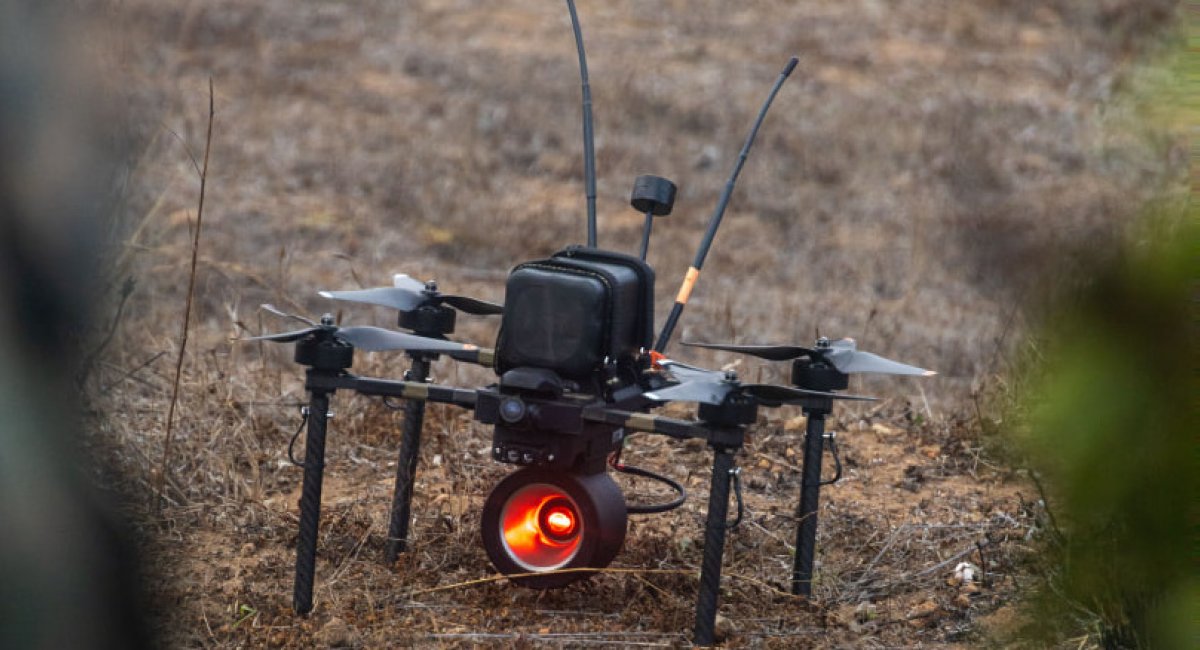
Separately, Miller emphasized the need to develop counter-drone systems, also stressing the need to consider Ukraine's experience, because they are undoubtedly the best UAV countermeasure specialists on the planet.
So, again, it turns out that despite Trump's statements that the U.S. has the world's best drones and doesn't need anyone's help, American military personnel have repeatedly emphasized the need to pay attention specifically to Ukrainian experience (in particular, they previously acknowledged that Ukraine has the world's best drones by two main criteria). This experience can be valuable with various lessons, especially in the context of confrontation with an adversary with strong electronic warfare means, etc.

Defense Express notes that the best solution should actually be not only improving training conditions, testing, improving ranges, etc., but also direct testing of particular weapons in real battlefield conditions. No range conditions will provide those opportunities for weapons improvement that feedback from real military personnel can provide.
Especially when there are already many cases where testing in Ukraine helped various manufacturers improve their weapons, as was the case with German Vector drones. In the U.S. context, one can recall the story when drones literally fell from EW during trials.
Read more: Partisans of Atesh Movement Exposes Key Plant Producing T-90M, BMPT Terminator, TOS-1A