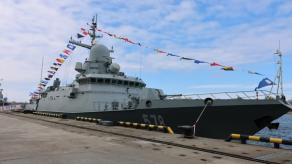



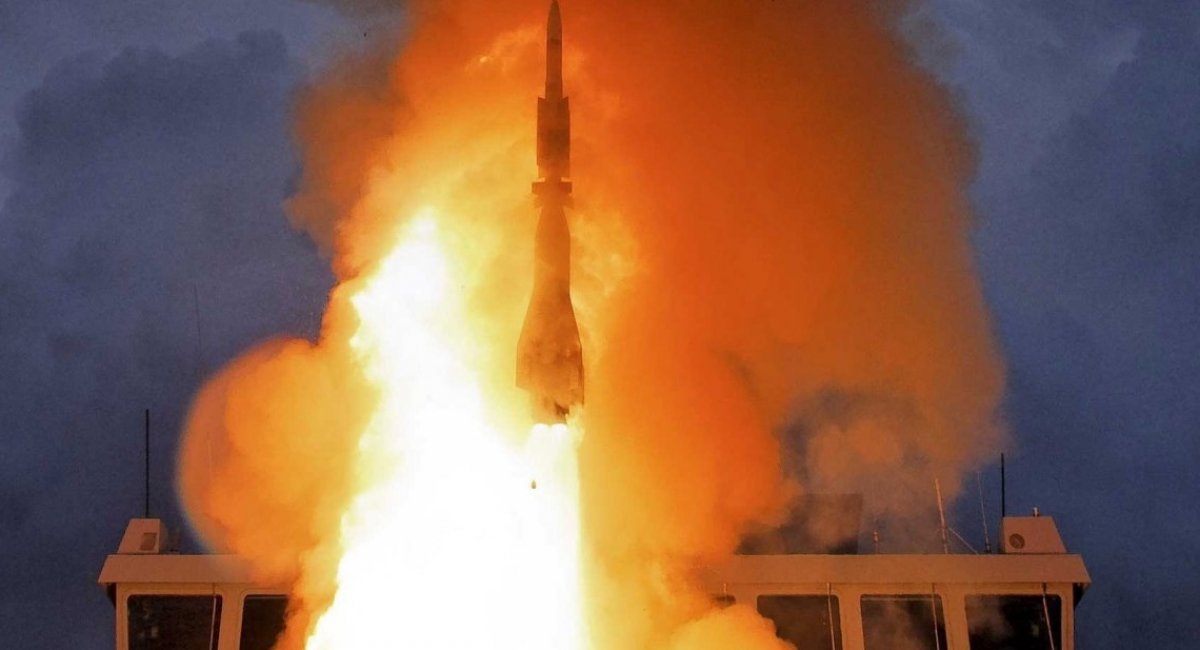
Establishing production of anti-ballistic missiles independently or in cooperation with foreign partners has been identified as a strategic priority by the Ukrainian government.
The best option, of course, is to produce them ourselves or together with those who can rapidly scale up production and match the technological level. This is one of the most complex tasks, a strategic objective for Ukraine — to produce all types of air defense, all necessary weapons systems in Ukraine or together with Europe, President of Ukraine Volodymyr Zelenskyy stated.
Read more: MQ-9A Reaper Gets APKWS Anti-Drone Capability, 42 Rockets, 24-Hour Endurance, No Pilot at Risk
The statement is clearly tied to the fact that the number of PAC-3 MSE interceptors available for Europe to procure from the United States under the PURL program for Ukraine has been reduced due to the war against iran.
The U.S. Army itself is now down to 15–21 anti-ballistic missiles per Patriot battery, while Bahrain, Kuwait, Qatar, the UAE, and Saudi Arabia which fired over a thousand Patriot missiles combined have yet to replenish their stocks.
This makes the question of who Ukraine can partner with for mass production of interceptors genuinely critical, as the relevant technology exists in very few countries from which China and russia can be immediately excluded.
Setting aside the United States, Israel stands out as the leading actor in missile defense, possessing serial production solutions with effectiveness proven in real combat conditions.
However, Israel has neither sold nor permitted the re-export of its weapons to Ukraine since 2022. Relations between the two countries remain strained Israel only agreed to stop purchasing Ukrainian grain stolen from russian-occupied territories following a diplomatic scandal. Defense cooperation is therefore not on the table.
South Korea is another country that has declared ballistic missile intercept capability, with its KM-SAM II receiving a combat expirience in the UAE and successfully intercepting a number of ballistic missiles though no sustained, confirmed track record yet exists.
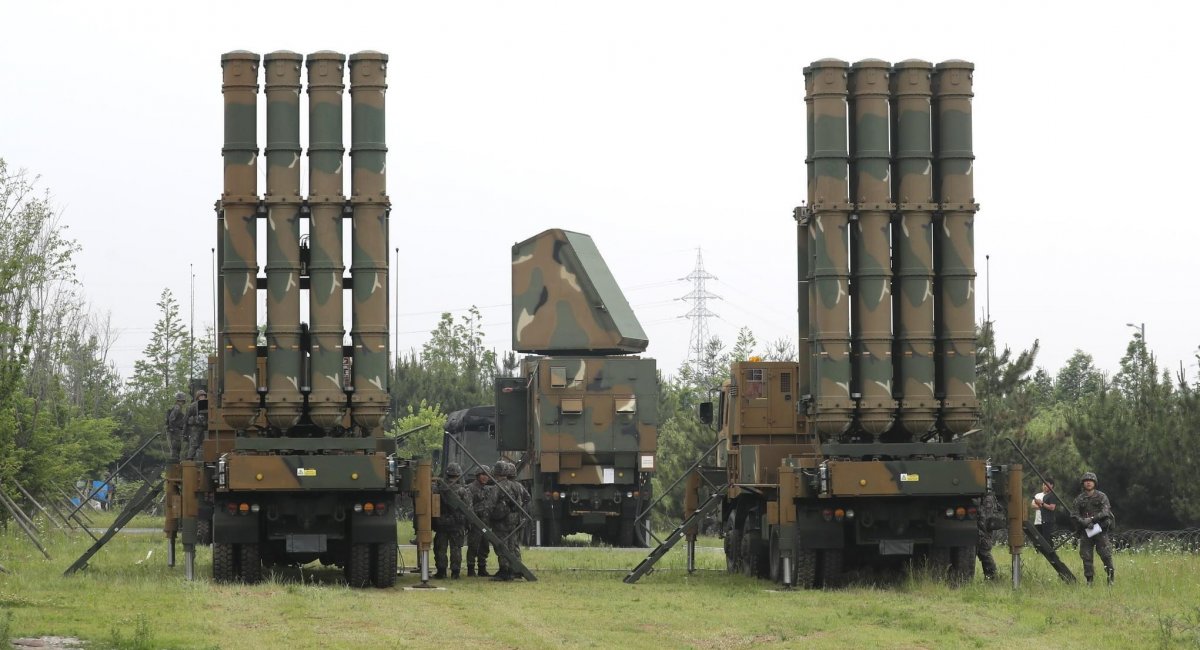
Seoul has also distanced itself from Ukraine, blocking arms exports; Kyiv was refused a purchase of the KM-SAM II due to the ongoing war, even as deliveries to Gulf states proceeded without issue. South Korea is therefore not a viable candidate either.
Among Western nations, only one European solution remains: the Aster 30 B1NT missile for the SAMP/T NG system, produced by MBDA in France and Italy — a process that requires the missile to cross the Alps multiple times, as the production cycle is distributed across facilities based on organizational involvement rather than manufacturing logic. The result is a two-year production cycle per missile batch, which actually represents an improvement over the previous 40-month timeline.
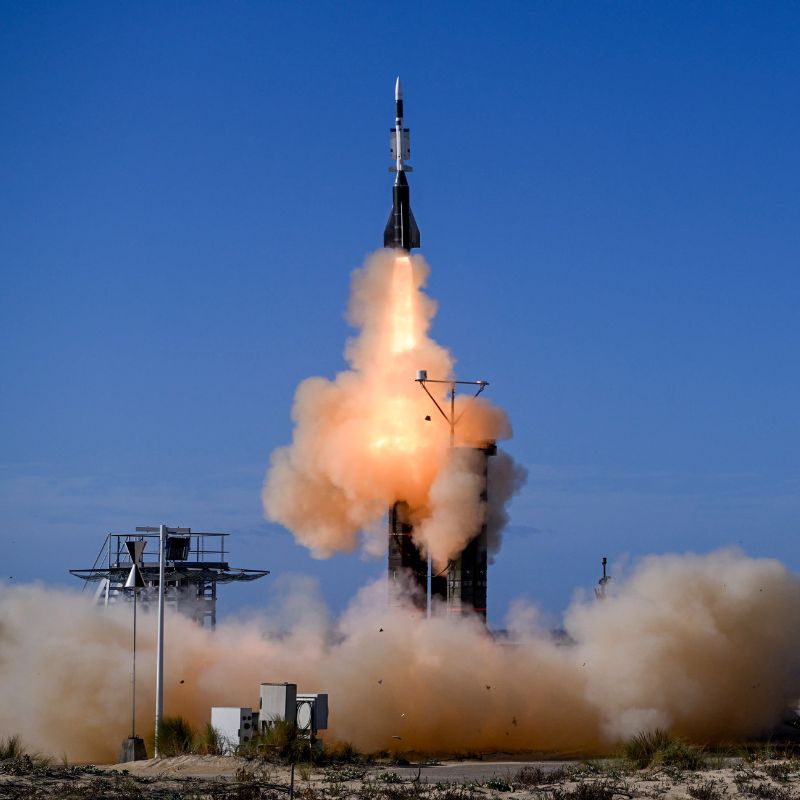
The SAMP/T NG, eight units of which Ukraine plans to order from France, has not yet demonstrated ballistic missile intercept capability in real combat conditions though the Aster 30 B1NT now potentially possesses the technical means to do so, thanks to a new active radar seeker and updated electronic systems.
If only serial production solutions are considered, the Aster 30 B1NT from MBDA remains the most realistic candidate for potential cooperation. This does not, of course, preclude the possibility of beginning collaboration with European developers of individual components toward creating an entirely new anti-ballistic missile with a clear understanding of just how difficult, expensive, and time-consuming such a development would be, and how dangerous the pitfalls along the way.
Read more: Five European Patriot Operators, Zero Searching for Alternatives — Why That Is Unlikely to Change Soon