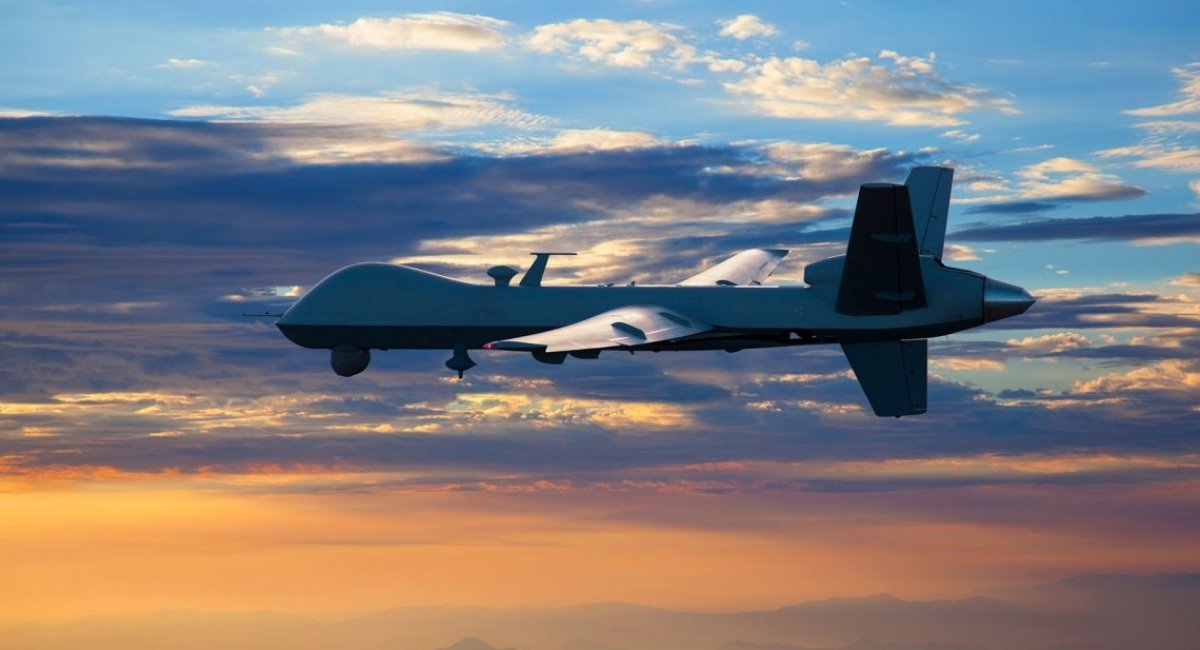
The MQ-9A Reaper unmanned aerial vehicle has gained the ability to employ APKWS precision-guided rockets. GA-ASI (General Atomics Aeronautical Systems), together with the US Air Force, conducted flight testing of the rocket from the drone, as detailed in a company press release.
Testing took place at a range facility in Nevada and included a series of trials incorporating live fires against aerial targets.
Read more: HIMARS Faces New Rival: France Tests FLP-T 150, Prepares X-Fire Launcher for Trials
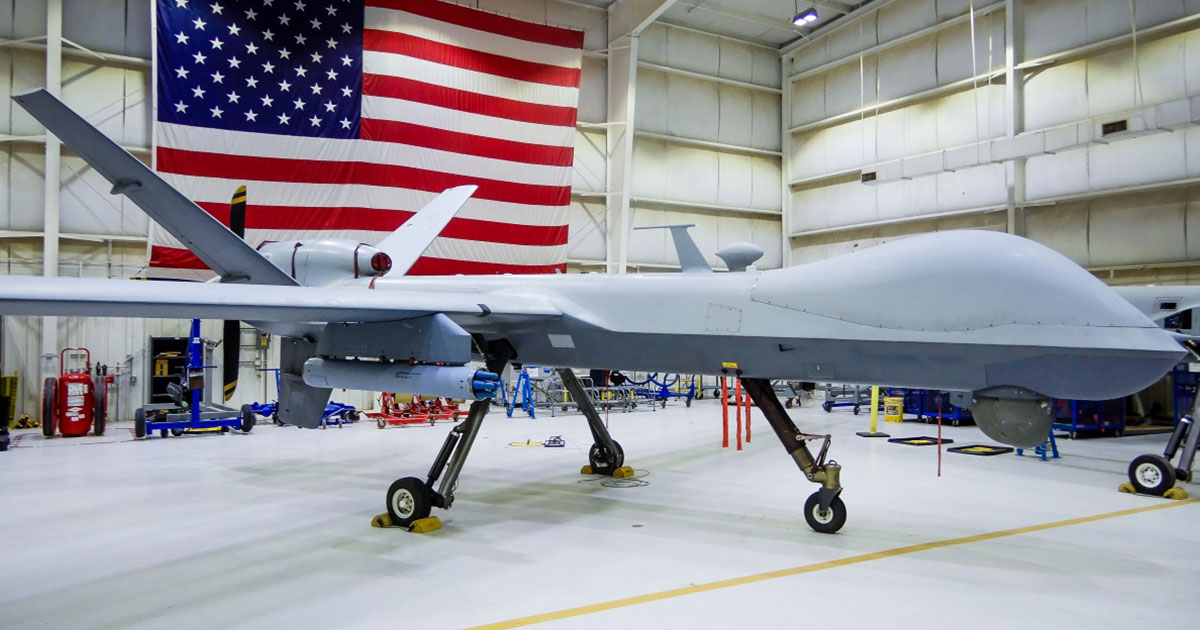
GA-ASI President David R. Alexander emphasized that APKWS rockets represent a valuable capability for the MQ-9 in the context of countering modern threats such as long-range strike drones. This integration effort underscores how government and industry can work together to rapidly test and deliver new capabilities to the warfighter, he said.
The MQ-9 already had an air-to-air intercept capability prior to this integration it had previously been tested with AIM-9X Block 2 and AGM-114 Hellfire missiles, the latter of which the MQ-9 Reaper used in 2024 to achieve its first aerial intercept,against an unidentified flying object.
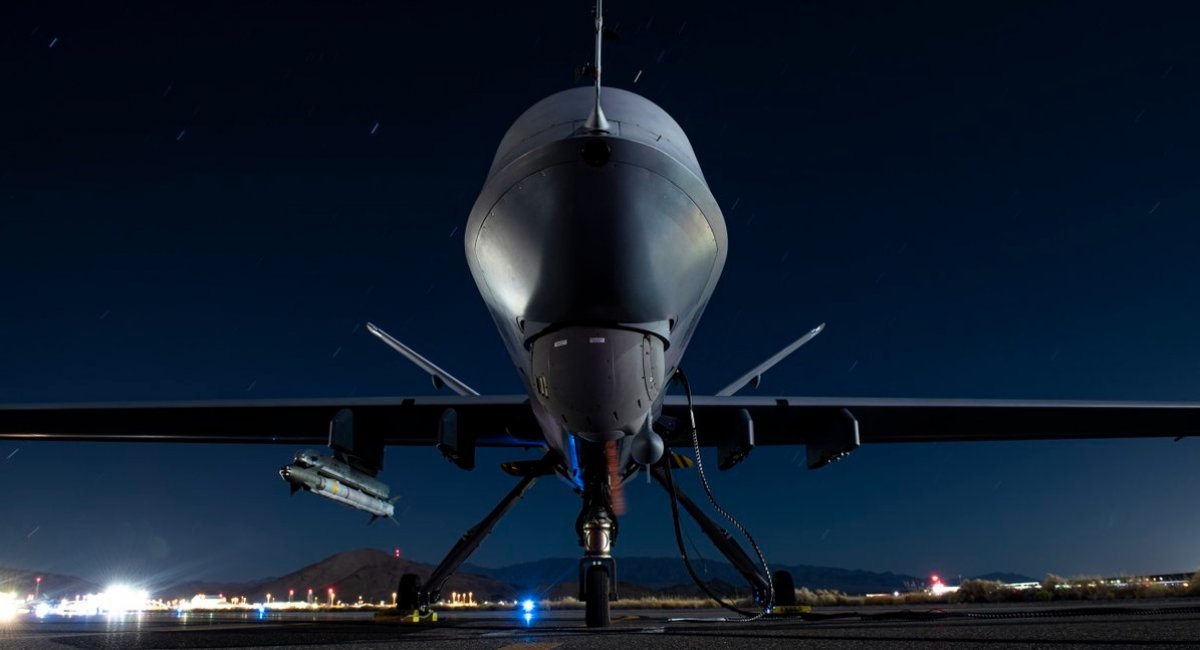
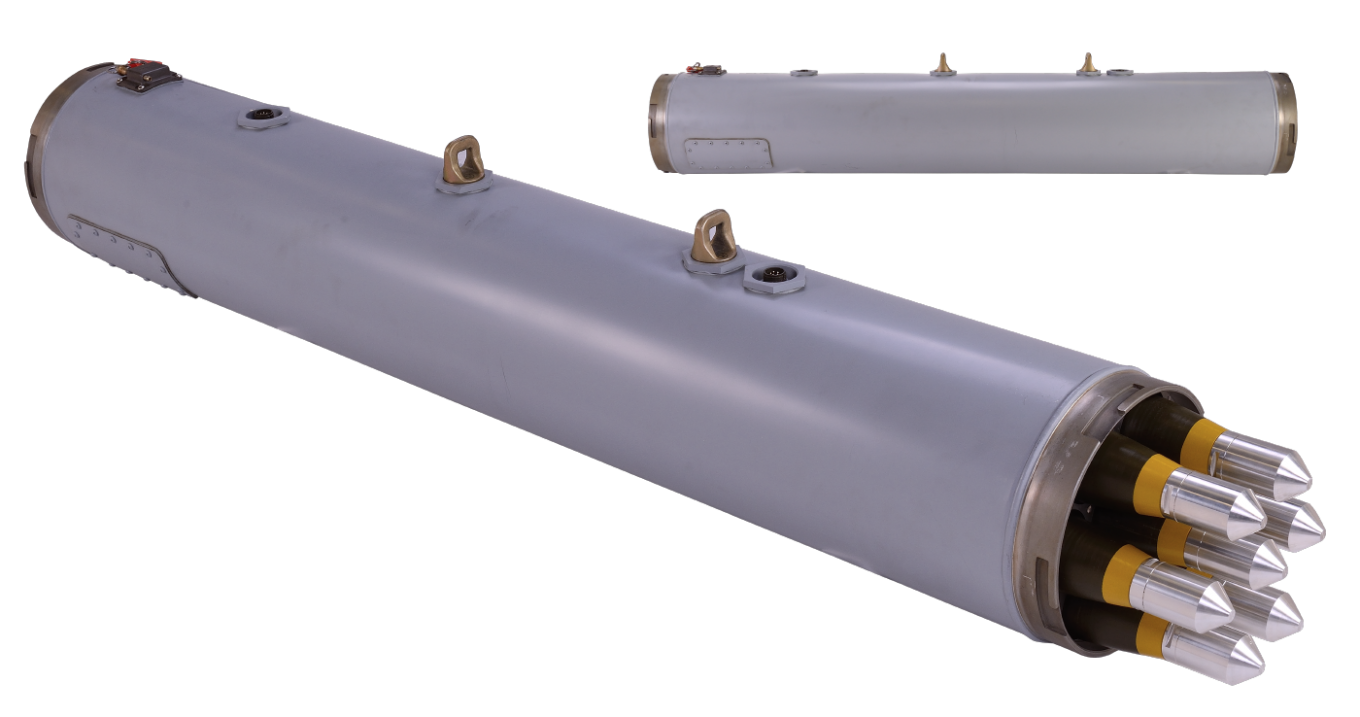
With APKWS, however, the MQ-9's anti-drone capability reaches an entirely new level. The MQ-9A Block 5 variant can carry six LAU-131/A launch pods seven rockets each for a total of 42 APKWS rockets, while the MQ-9A Block 5 Extended Range (ER) version can carry eight pods, or 56 rockets, though the two additional hardpoints are typically used for fuel tanks to extend endurance.
Even with 42 APKWS rockets and the ability to remain airborne for over 24 hours, the MQ-9 presents an impressive capability for destroying significant numbers of Shahed-type drones in a single mission relieving the crews of manned combat aircraft, offering greater cost efficiency given the drone's lower hourly operating cost and the lower risk of losing a far cheaper asset, with no risk to a pilot's life.
Given the MQ-9 Reaper's expanded anti-drone capabilities, the question of supplying this platform to Ukraine becomes relevant once again. As of today, however, there are no compelling indications that Ukraine's Defense Forces are likely to receive it in the near future.
Setting aside the debate over whether Ukraine actually needs the MQ-9 Reaper, it is worth recalling that this discussion stretches back to 2022, when GA-ASI offered to sell two MQ-9 Reapers to Ukraine for $1, later expanding the offer to include a range of associated services and equipment yet the deal was never concluded, in part due to U.S. concerns that sensitive technologies could end up in russian hands.
The United Kingdom also previously declined to transfer or sell its retired MQ-9 Reapers to Ukrainea decision that actually made practical sense, as British forces were actively operating the platform and bringing decommissioned airframes up to usable condition would have required considerable resources that could be directed toward other projects, including anti-drone initiatives.
Read more: Lockheed Martin's QuadStar Stinger Replacement Passes Seeker Tests — Ahead of Schedule