The second week of the U.S.–Israeli operation against Iran suggests the war is gradually entering a protracted phase governed by entirely different "rules of the game." For the Persian Gulf states, which are being actively targeted by Iran with ballistic missiles and Shahed drones, this is a negative scenario.
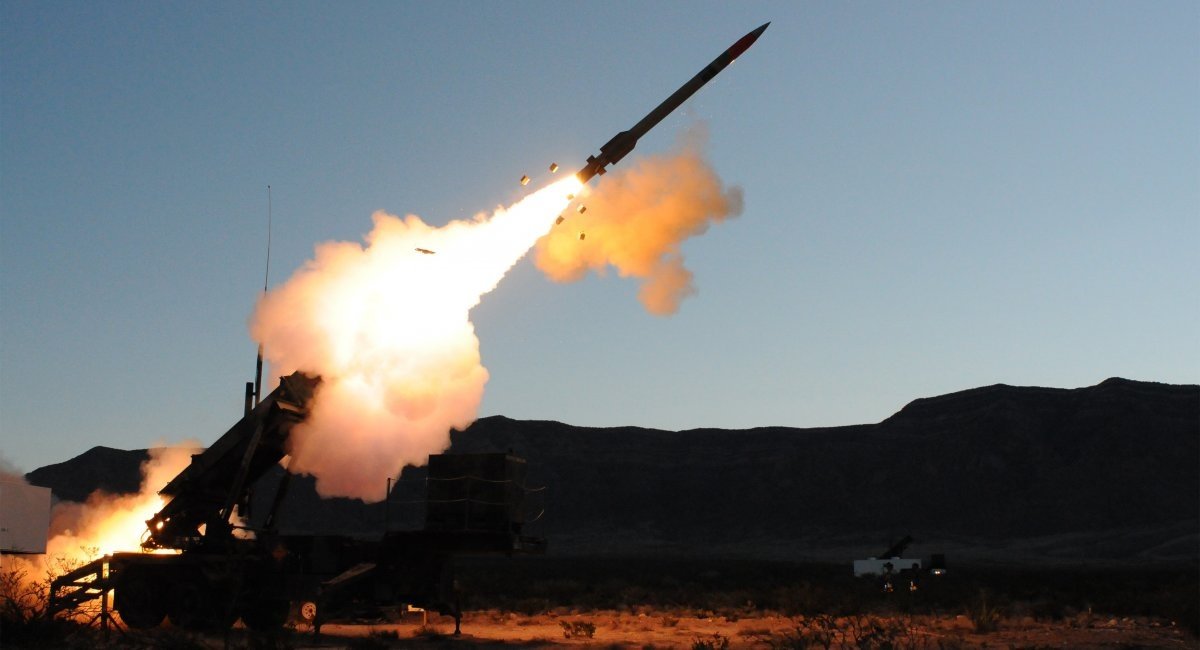
Since the same equipment used to repel Iranian attacks is also used in Ukraine—and is sourced from the same suppliers—the situation directly affects Ukraine as well. This mainly concerns missiles for the Patriot air defense system.
Read more: Europe's LEAP Anti-Drone Missile Targets 2027 Deployment With Aggressive "Build First, Perfect Later" Strategy
At the same time, it remains difficult to maintain an accurate count of the ballistic missiles Iran has launched. In particular, the United Arab Emirates was the only country reporting both the total number of Iranian missiles fired at it and the number intercepted, but on March 10 it stopped reporting the total and now provides only the number intercepted.
Additionally, some countries, including Saudi Arabia, provide only occasional reports on individual incidents. Moreover, with no coordination between governments, the overall tally remains only an approximate figure. As of the morning of March 13, the number of reported intercepted ballistic missiles by country is as follows:
- Bahrain: 112
- Qatar: 145
- Kuwait: 243
- UAE: 278
- Saudi Arabia: at least 25
In other words, the 803 ballistic missiles Iran launched at the Persian Gulf countries, most of which were intercepted by Patriot air defense systems, represent a minimum figure. At the same time, the lack of data from Saudi Arabia — with the figure of 25 based only on occasional reports — suggests that the actual number is likely around 1,000, mainly tactical and operational-tactical missiles such as the Fateh-110 and Zolfaghar.
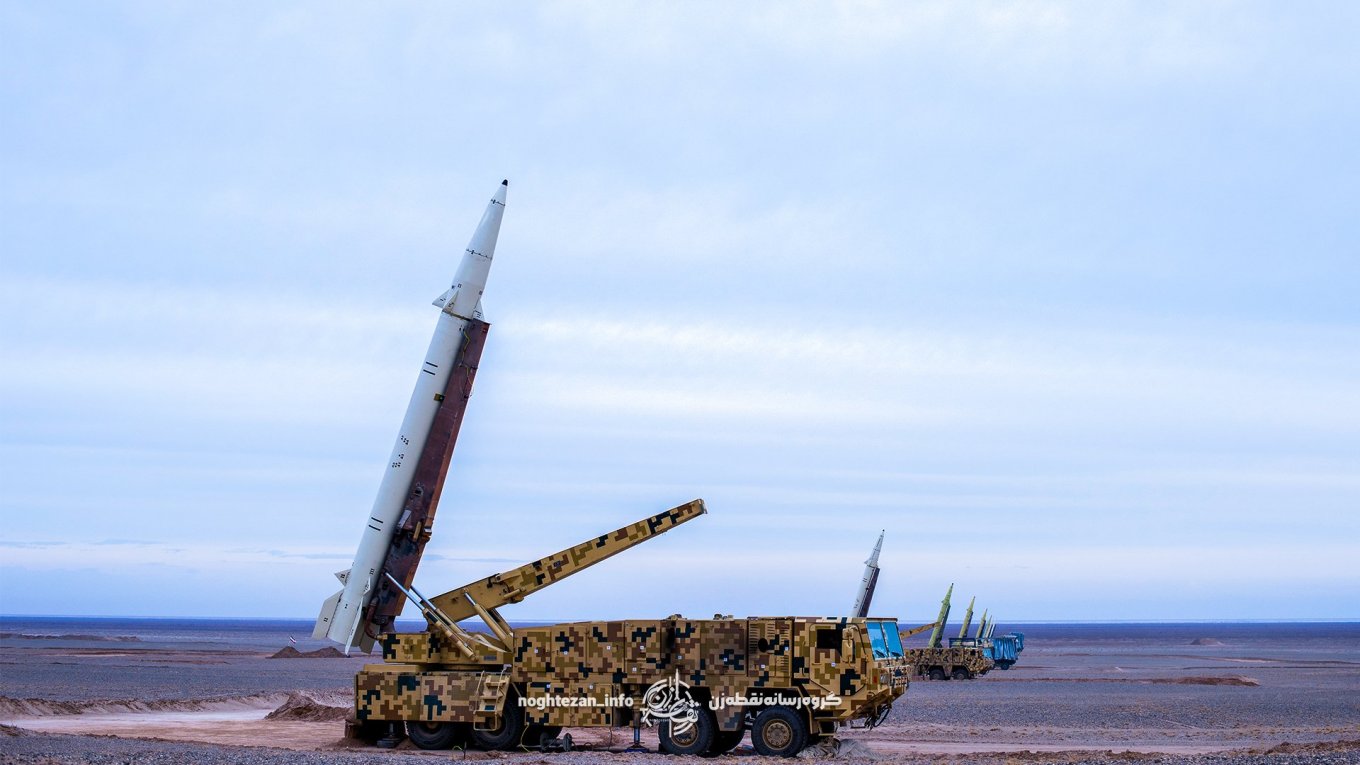
Despite U.S. and Israeli air superiority, Tehran continues to launch an average of 10 ballistic missiles per day, including attacks on the UAE.
At least 800 Iranian ballistic missiles have been intercepted by the Persian Gulf countries. This means that at least 1,600 Patriot interceptor missiles would have been required to intercept them, based on the standard rate of two missiles per target.
However, assessing anti-aircraft capabilities becomes even more critical when considering exactly how these countries intercept Iranian ballistic missiles. In particular, up to four Patriot missiles may be launched against a single ballistic missile but does not guarantee that it will be shot down. One explanation for this is that russia has modified Iranian ballistic missiles to evade the Patriot air defense systems.
In other words, official figures on intercepted targets suggest that about 2,400 Patriot missiles may have been used to repel Iran's attacks on the Persian Gulf countries.
According to a Lockheed Martin report, the planned production of MSE missiles for the Patriot PAC-3 system, which are required to intercept ballistic targets, is 620 units for 2025. This means that using 1,600 interceptors in the Persian Gulf countries would require 2.5 years to replenish stocks, while 2,400 interceptors would take nearly four years to replace.
Read more: U.S. Urgently Pulling THAAD and Patriot Air Defense Systems From South Korea — Essentially a Gift to Kim Jong Un