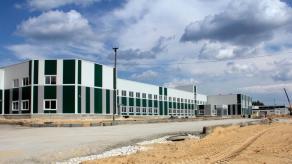



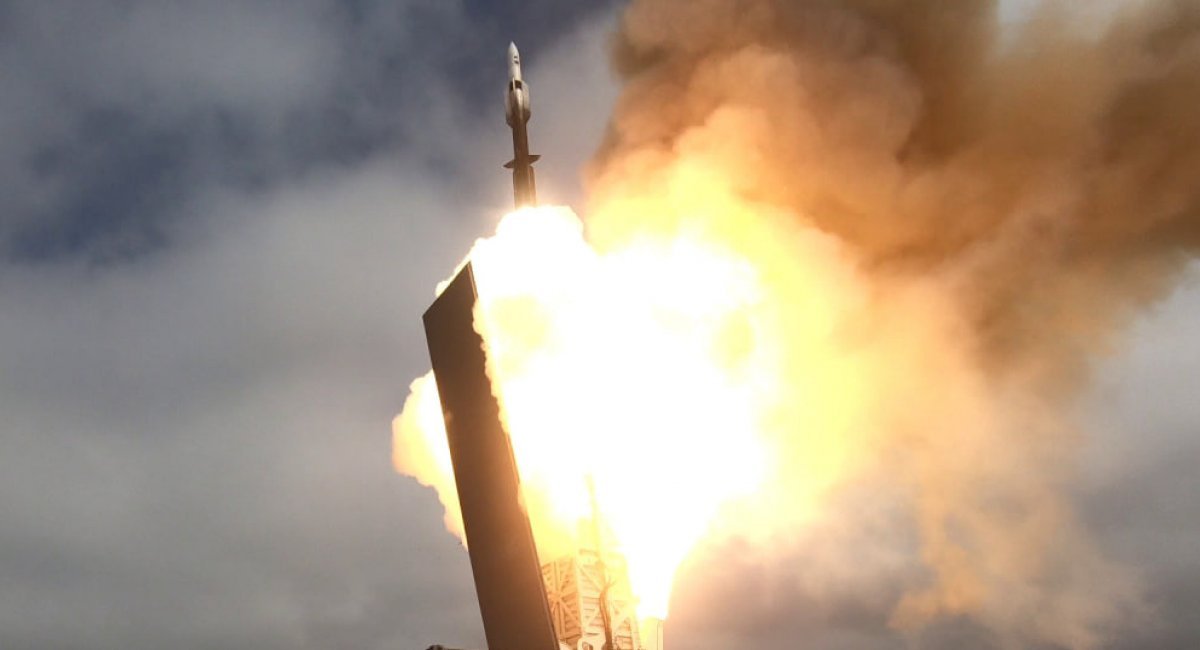
Raytheon has completed the expansion of its Redstone facility, which assembles missiles including the Standard Missile air defense family. The upgrade is expected to increase production volumes by more than 50%.
The new production area covers 26,000 square feet, or approximately 2,415 square meters. The expansion required an investment of $115 million and is expected to increase the company's regional workforce to more than 2,200 employees.
Read more: How FrankenSAM Revived Soviet SAMs, Became a Nightmare for Shaheds, and What Lies Ahead
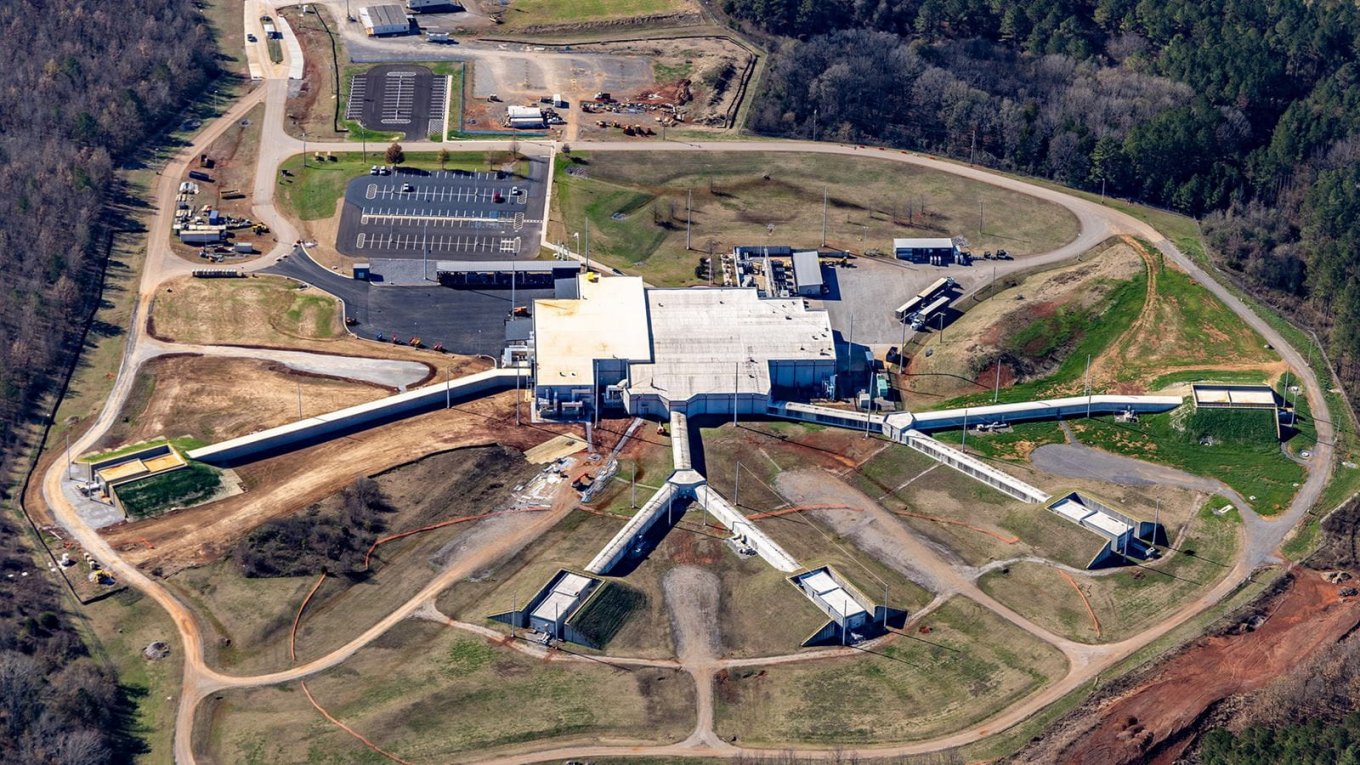
The facility, known as the Raytheon Redstone Integration Facility, was originally opened in 2012. It currently produces nine types of missiles from the Standard Missile family, including SM-2 Standard Missile, SM-3 Standard Missile, and SM-6 Standard Missile, as well as other precision-guided weapons.
The $115 million investment in the expansion was first announced in 2024, meaning the project took about two years to complete. At one point, company representatives suggested that production could increase by as much as 67% instead of the initially announced 50%, so additional updates regarding this facility may follow.
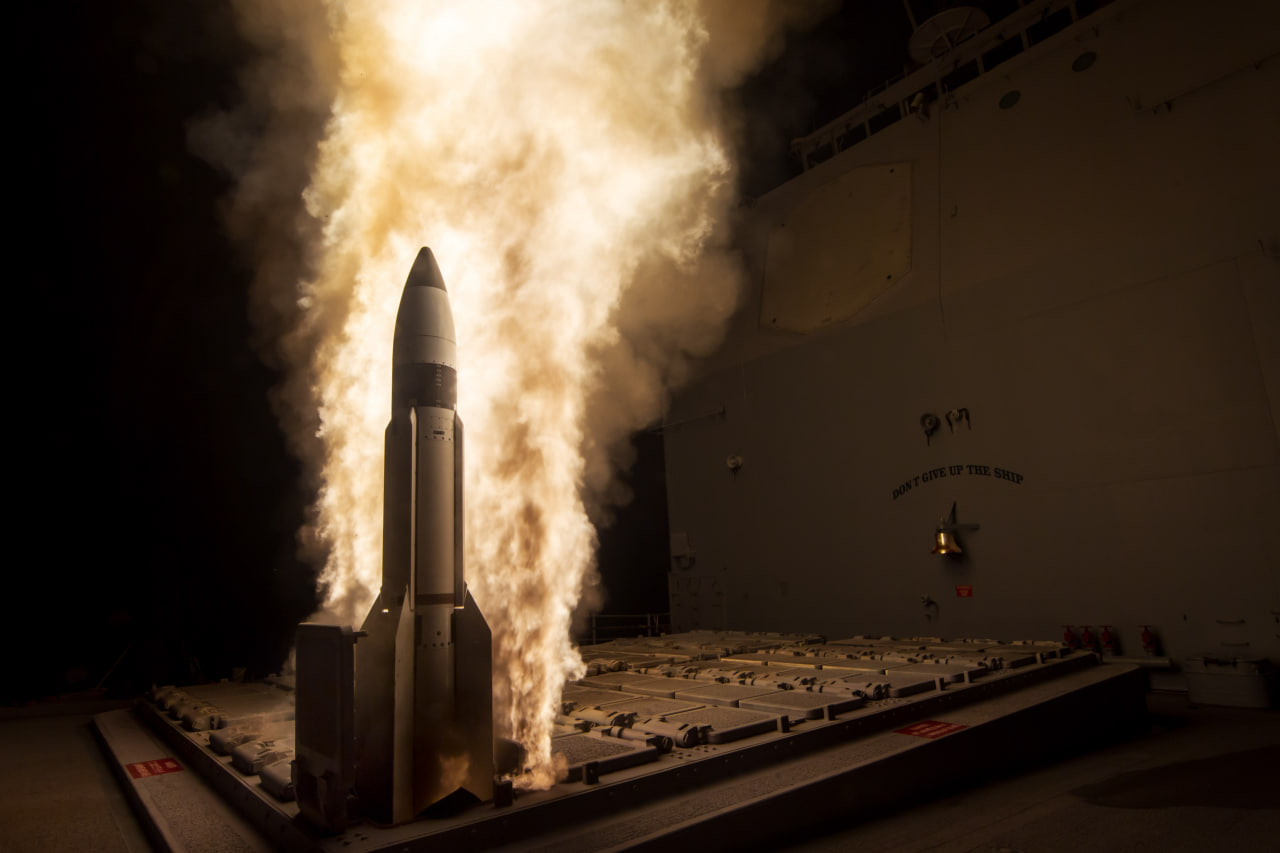
The SM-3 Standard Missile is capable of intercepting ballistic missiles, while its latest version, SM-3 Block IIA, is designed to engage even intercontinental ballistic missiles. Meanwhile, the SM-6 Standard Missile has demonstrated the capability to intercept hypersonic targets.
As a result, the United States will increase production of weapons capable of countering Russian missiles such as the 9K720 Iskander, Kh-47M2 Kinzhal, and 3M22 Zircon, as well as threats from Iran's missile arsenal. The primary operator of these missiles is the United States Navy, although they can also be used from land-based launch systems.
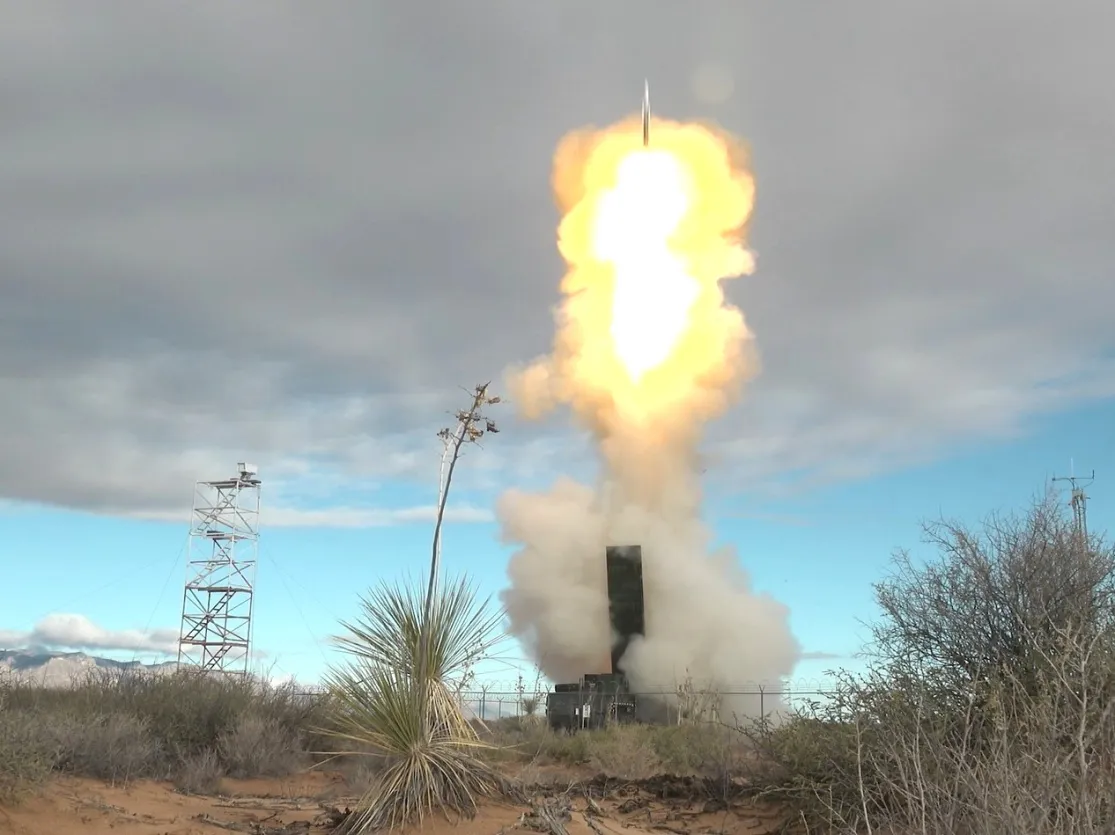
Recently, Raytheon signed five framework agreements aimed at increasing annual production to more than 1,000 Tomahawk cruise missile missiles, 1,900 AIM-120 AMRAAM missiles, and 500 SM-6 Standard Missile interceptors, along with undisclosed quantities of SM-3 Standard Missile. This suggests that further announcements about factory expansions or new facilities may follow.
The United States has also recently announced plans to increase the production of missiles and other munitions by as much as four times. However, implementing these plans will present certain challenges, and tangible results will take time to achieve.
Read more: Volkswagen Secretly Built Two Military Vehicle Prototypes in Just Four Months, But Says It Does Not Want to Produce Weapons