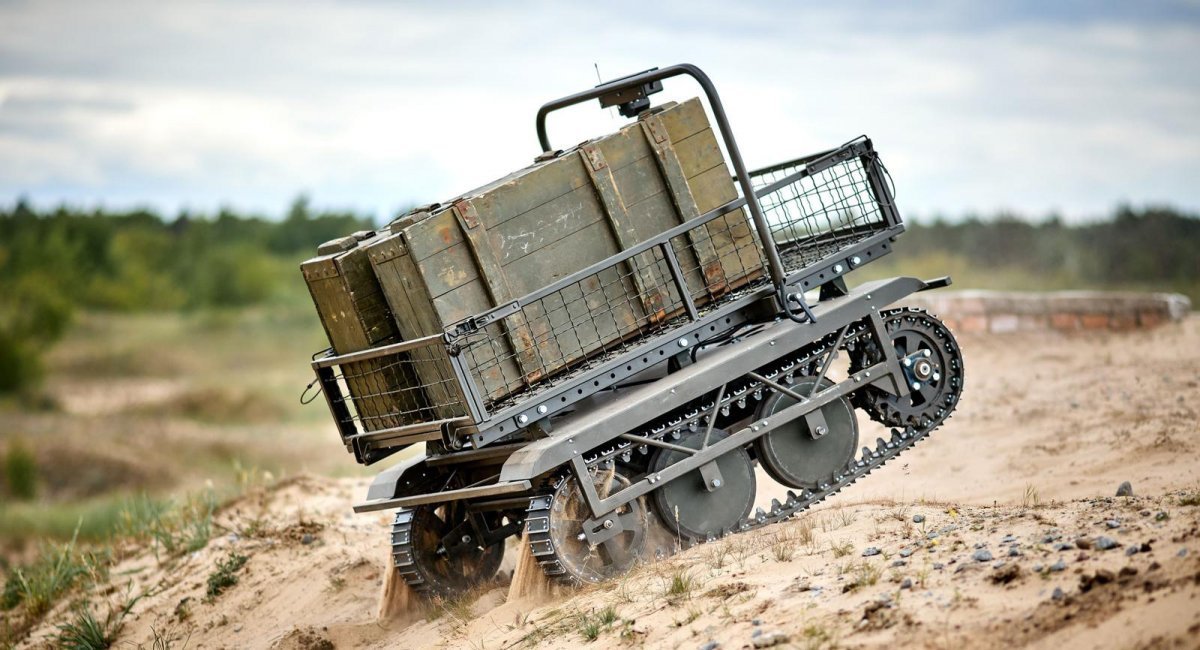
Unmanned ground vehicle (UGV) are becoming increasingly common within units of the Ukrainian Defense Forces. This trend is a direct consequence of the expanding role and growing effectiveness of drones on the battlefield.
It is worth recalling the concept of the so-called kill zone — an area surrounding the line of contact that remains under constant drone surveillance and fire, where almost anything within reach can be targeted. This is particularly true for logistics routes and casualty evacuation.
Read more: Ukrainian Protector UGV Gets Tavria-12.7 RCWS with Legendary Browning M2 to Better Eliminate russian Occupiers
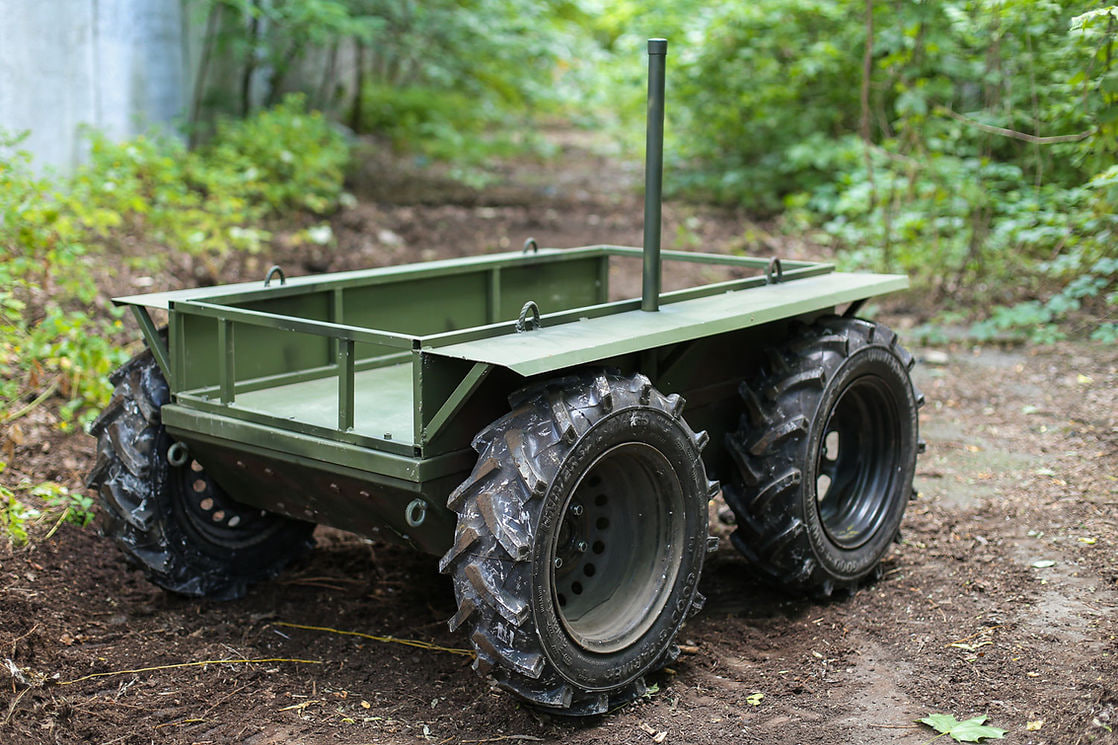
Where this zone once extended 5–10 kilometers from the front line, it can now reach 20 kilometers or more. The situation is further complicated by the widespread use of fiber-optic drones, which carry smaller warheads but are effectively immune to electronic warfare countermeasures.
As a result, evacuating wounded personnel or even delivering basic supplies has become an extremely dangerous task, especially when using vehicles or other conventional means of transport. Delivering supplies on foot is an alternative, but it poses serious risks to personnel and is limited by the amount of weight a single soldier can carry.
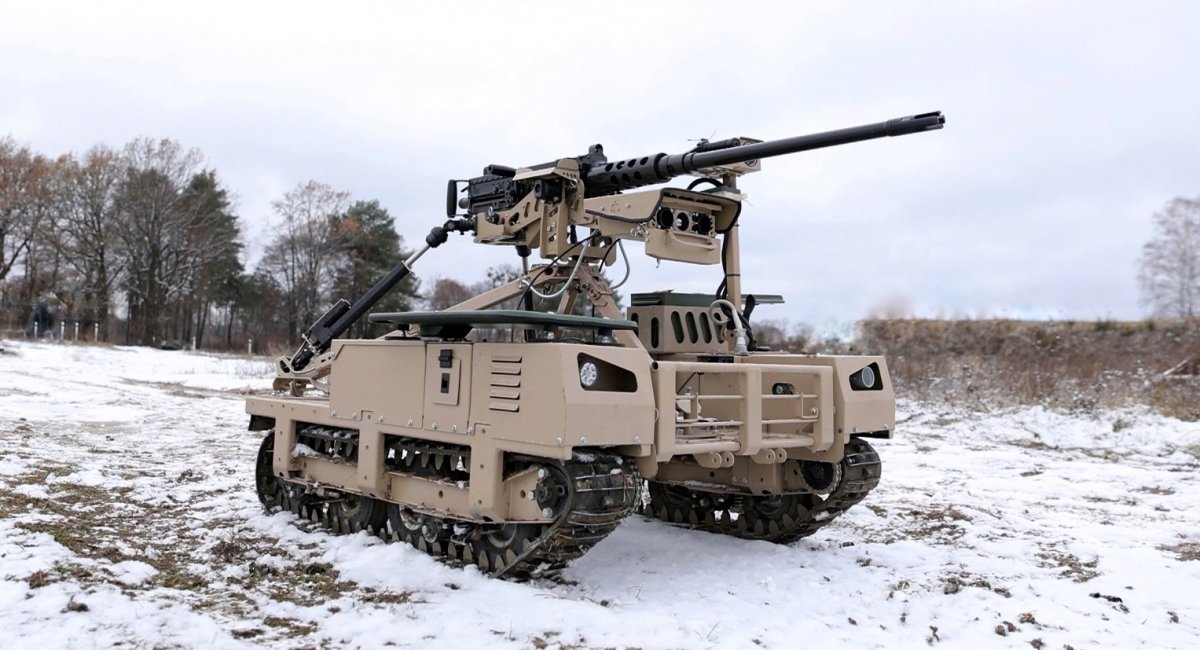
This is precisely where ground robotic systems (GRS) come into play. Work on such platforms began as early as 2022–2023. At the time, however, many saw little practical value in these systems or focused primarily on attempts to arm them rather than use them for support roles.
By 2024, the use of ground robots became more widespread, although overall interest in such systems remained limited. Even then, however, evacuation missions were already being conducted in conditions where no other means would have been considered viable.
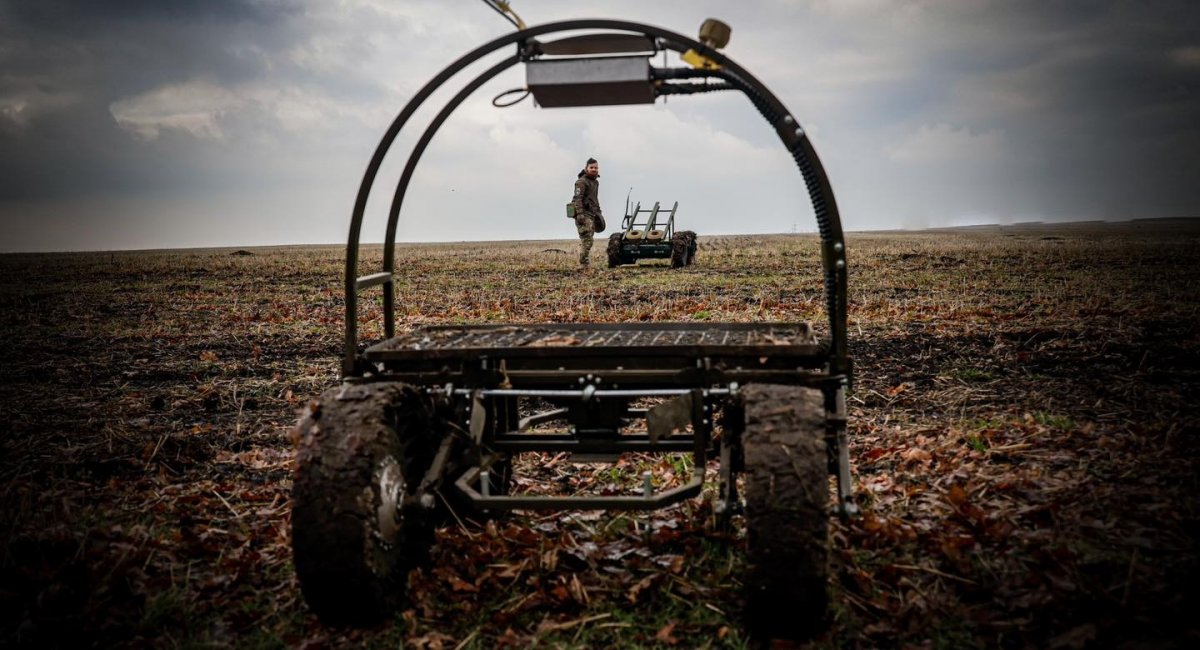
As the number and effectiveness of UAVs continued to grow, the destruction of transport vehicles became increasingly common, significantly increasing operational risks. A notable role in this trend has been played by the russian unit known as Rubikon, whose arrival in a sector is described by Ukrainian troops with the phrase: "Rubikon has arrived — nobody drives anymore."
This situation has created an acute logistics and evacuation challenge, for which UGV have emerged as a practical solution. Media coverage of their use by various units has further accelerated awareness and adoption of these platforms.
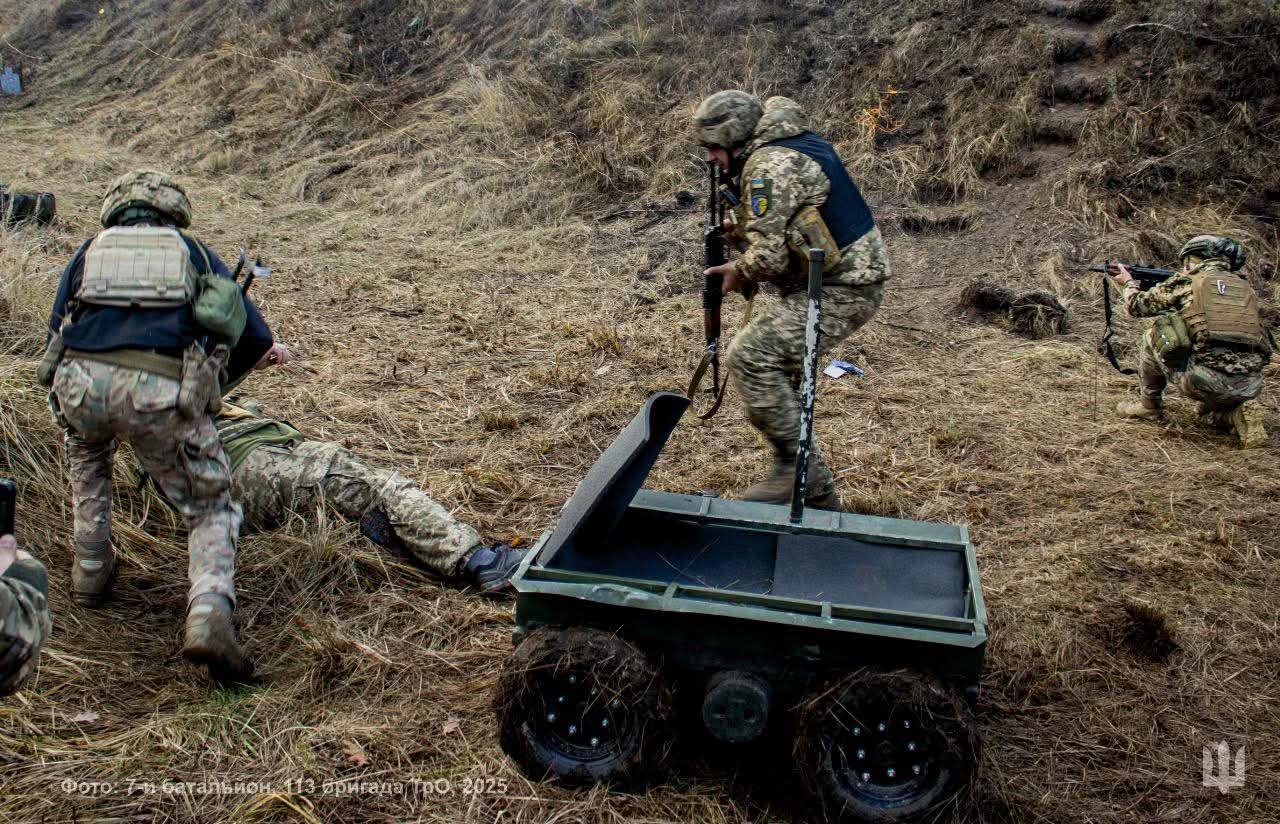
Robotic platforms are capable of carrying 200–300 kilograms of cargo while being significantly smaller than vehicles or armored platforms, which reduces their visibility. Even if such a platform is destroyed, the loss is limited to equipment rather than human lives.
The same applies to casualty evacuation. An unmanned ground vehicle can extract a wounded soldier in conditions where other means are either impossible or entail unacceptable risk, thereby increasing the chances of saving lives on the battlefield.
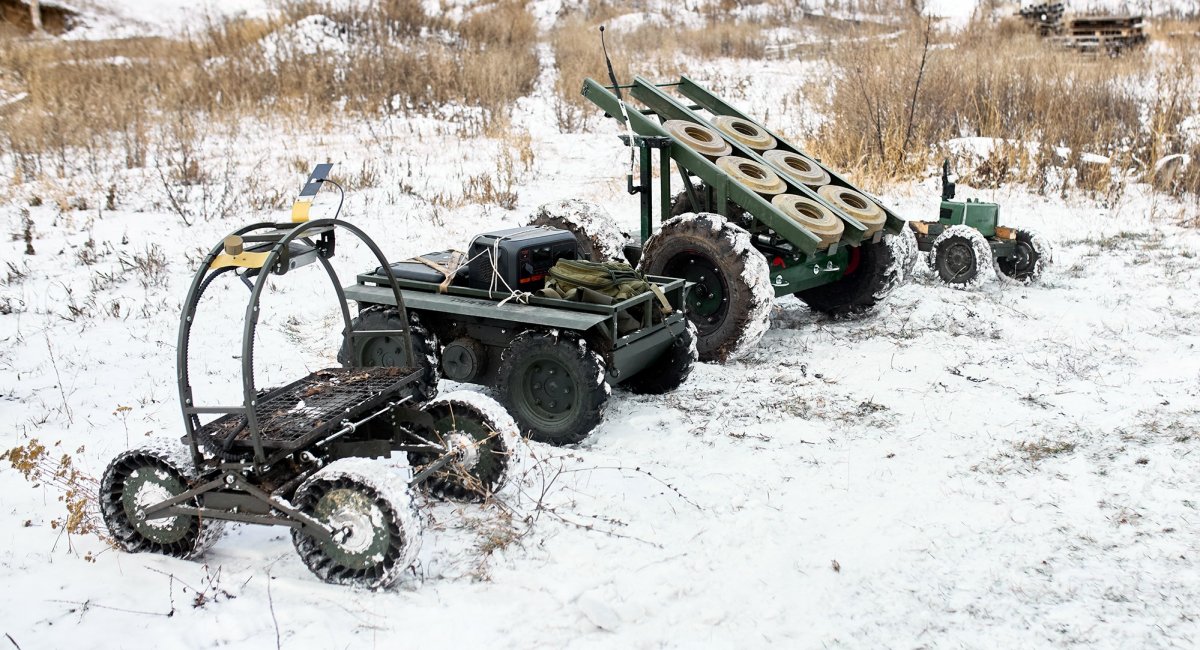
It is reasonable to expect that the number of such robotic systems within the Ukrainian Defense Forces will continue to grow, with logistics likely to remain their primary mission. At the same time, it should be noted that russia is also investing in this field, as it faces similar challenges.
Read more: Ukraine to Receive Record Number of Combat-Proven THeMIS UGVs from Estonia's Milrem Robotics