On the night of April 30, reports indicated that Ukrainian maritime drones struck russian patrol boats Sobol and Grachonok, which were assigned to protect the Kerch Bridge.
"As a result of the strike, the enemy suffered irrecoverable losses and casualties," according to a post by the Ukrainian Navy. The video captures the attack by Ukrainian naval drones.
Read more: Ukrainian Deep Strikes Hit Over 50 russian Targets in Two Nights (Video)
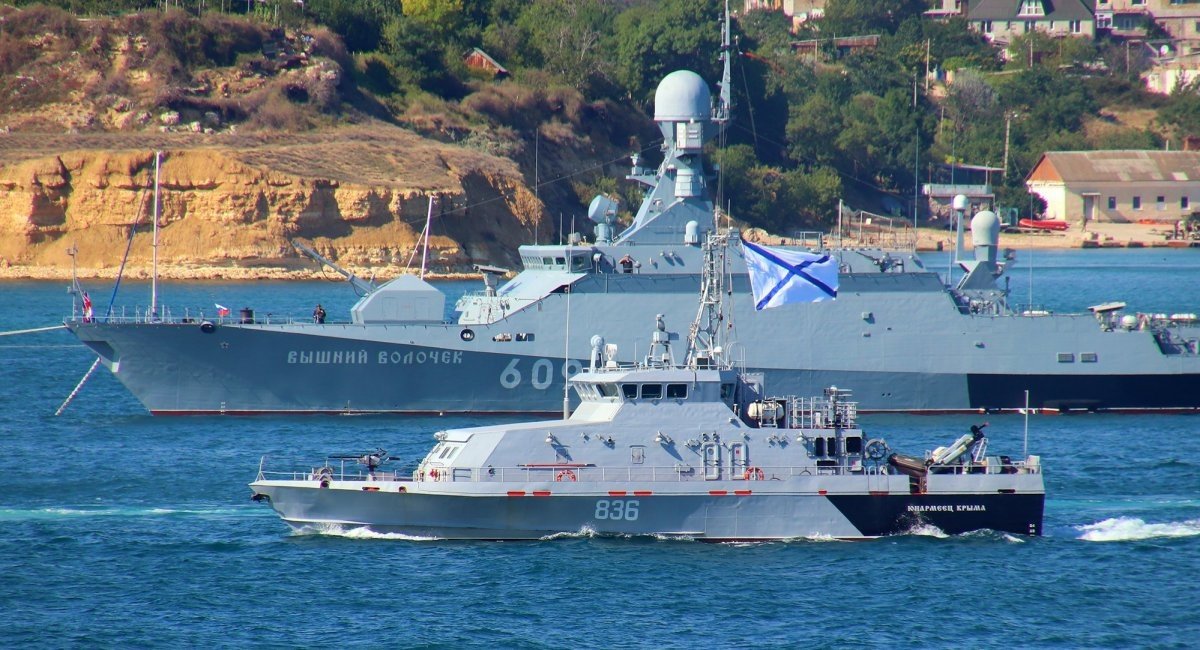
At the same time, these vessels should not be thought of as small motorboats. In this case, they are about 30-meter-long warships that, according to russian Navy classification, belong to the fourth rank.
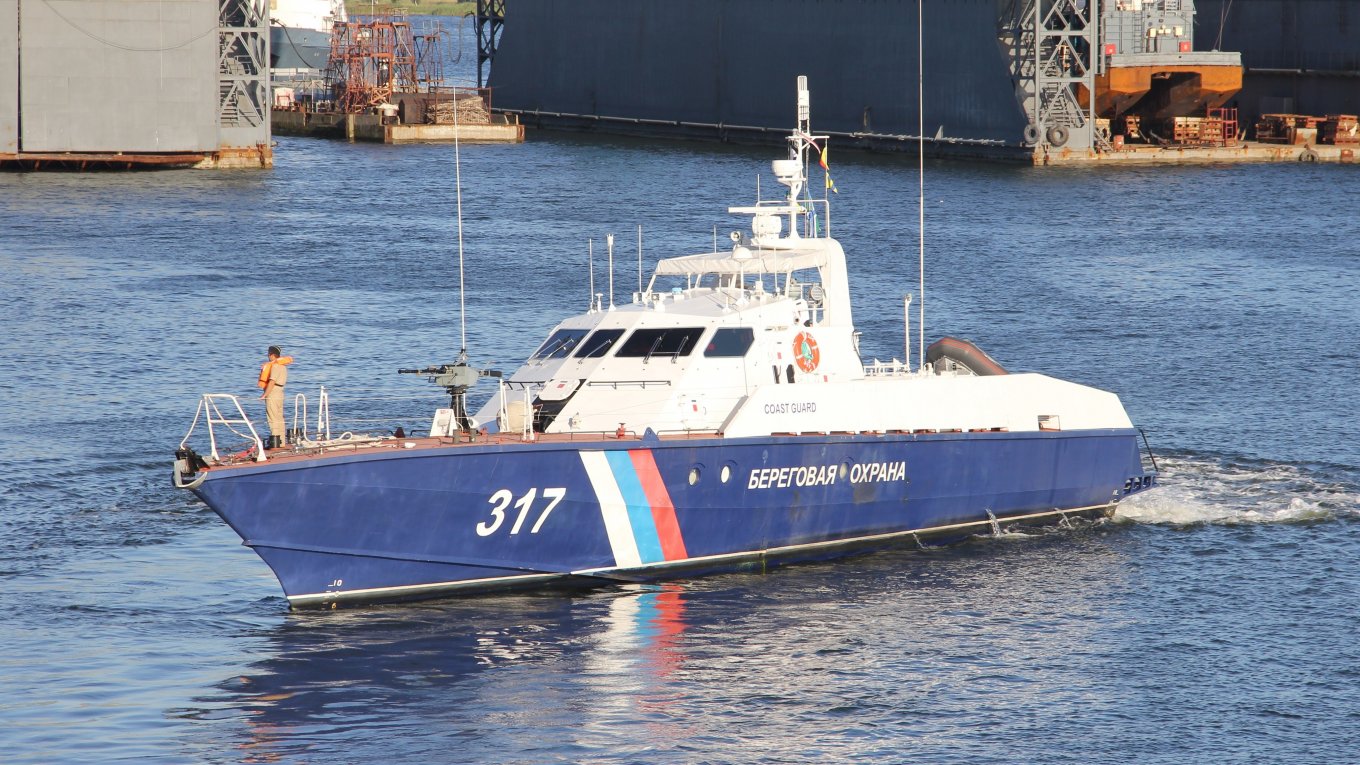
In particular, the Project 12200 Sobol-class patrol boat has a full-load displacement of 57 tons, a length of 30 meters, and a crew of six. These boats, equipped with a 14.5-mm KPVT machine gun, are in service with the Border Service of the Federal Security Service of the russian federation. Their purpose is to protect coastal zones and intercept high-speed targets, and they have a maximum speed of 47 knots (87 km/h). In defending the Kerch Bridge, this patrol boat was tasked with destroying Ukrainian maritime drones.
The Project 21980 Grachonok anti-saboteur boat is significantly larger. It has a displacement of 138.7 tons and a length of 31 meters. These vessels are intended for the russian Navy, but a small number have been supplied to the russian National Guard.
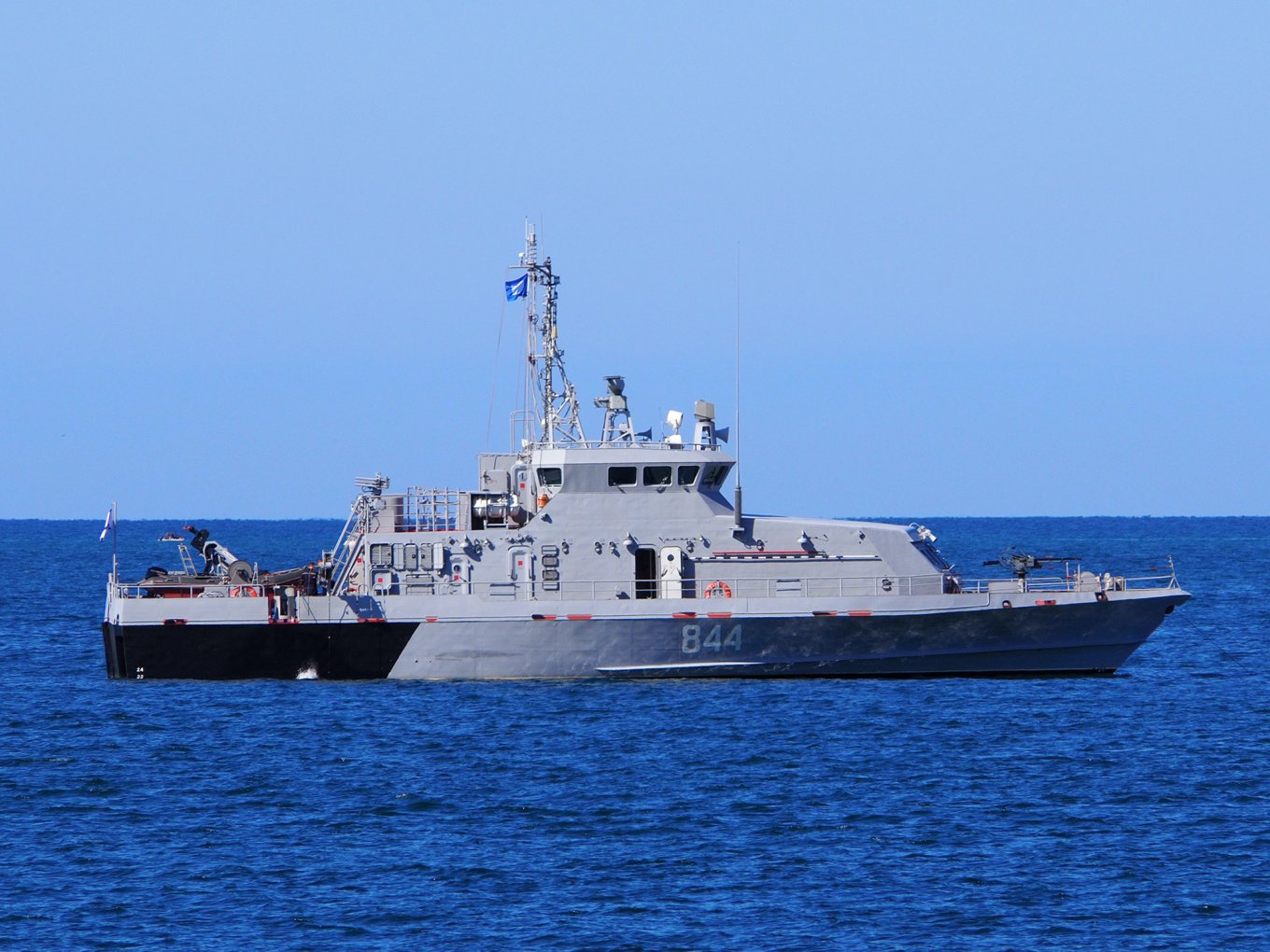
With a standard crew of six, it has capacity for an additional 14 personnel. While the Sobol is a lightly equipped high-speed patrol boat, the Grachonok is equipped with a sonar system, an unmanned underwater vehicle, and a diving chamber. In addition to the KPVT, it is armed with a special grenade launcher system of the DP-65 type. Grachonok-class boats are designed to detect Ukrainian underwater drones, and this vessel was reportedly carrying out that role near the Kerch Bridge.
It should be noted that the Ukrainian Navy's statement regarding the outcome of the attack on these boats uses the vague term "hit." At the same time, the warhead of naval drones such as the Magura V5 can weigh about 300 kg, while that of the Magura V7 is about 650 kg. After a successful strike with such warheads, little should remain of these russian boats.
From the Defense Express side, we urges you to join a fundraising for what is already working: One United Fundraiser: Fundraising by the Serhiy Prytula Charity Foundation for interceptor drones.

Read more: Lasers Haven't Overcome "Niche" Use Against Drones, But U.S. Already Attempts Scaling Technology for Cruise Missile Countermeasures Under JLWS Program