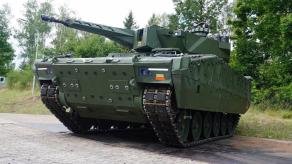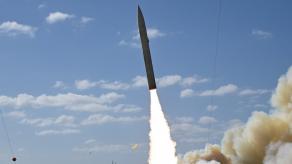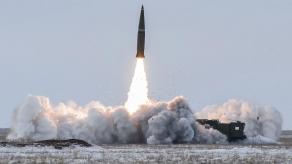




U.S. has not abandoned idea of shooting down cruise missiles like russian Kh-101 and Kalibr using laser. So they work on Joint Laser Weapon System (JLWS) program, which should provide such interception capabilities for pennies.
As Laser Wars writes, this involves containerized 150 kW laser weapon with potential for scaling to 300 kW. Also this project will include Joint Beam Control System (JBCS), which will be capable of supporting weapons generally at 300-500 kW.
Read more: After Supplying Drones to Ukraine, Finnish Summa Defence to Start Joint Production with Ukrainian TAF Industries
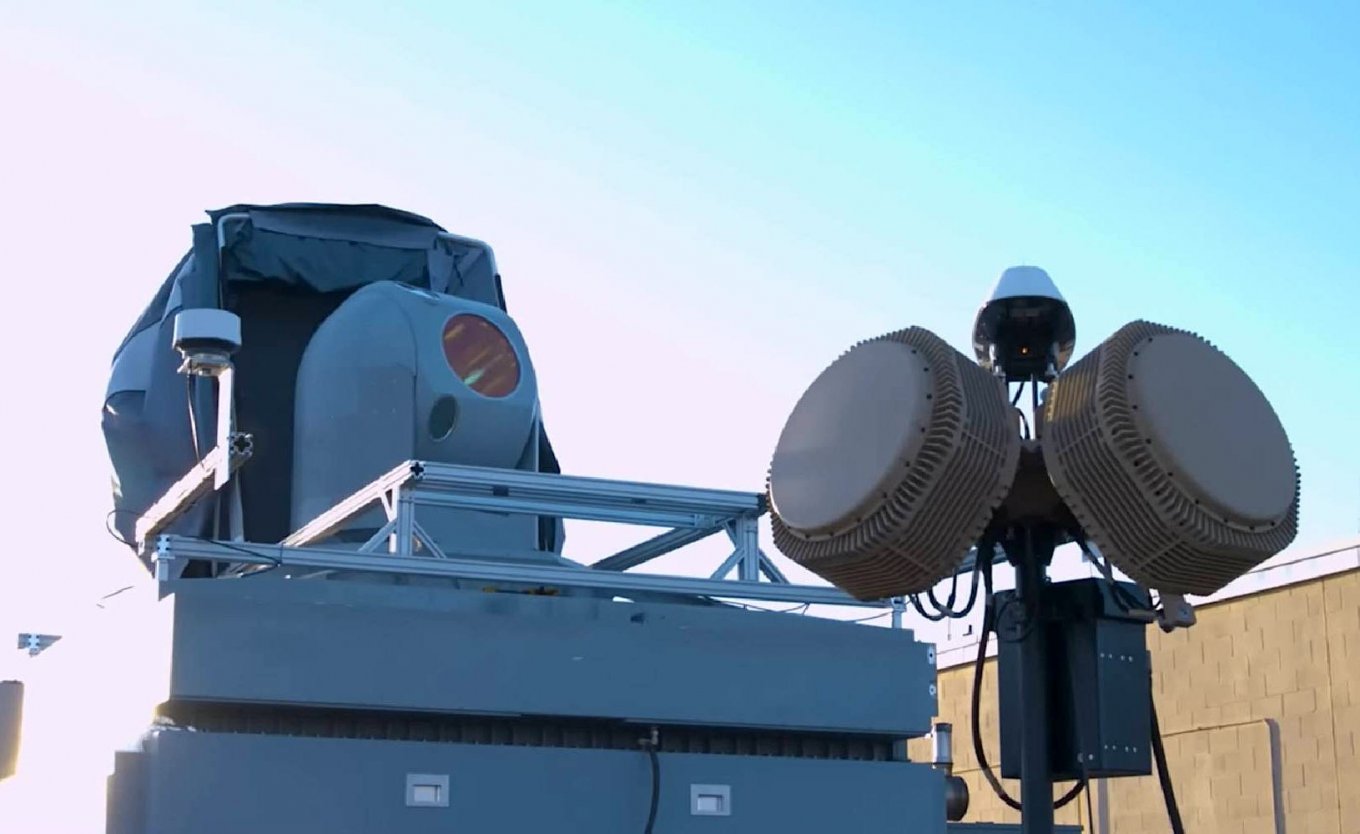
Development is conducted jointly with U.S. Army and Navy participation, with latter already funding work. In 2027, approximately $94 million was directed to this, in 2028 it will be $216 million, and by 2031 they want to spend nearly $676 million. Pentagon may also add own research funds here.
At the same time, JLWS itself will be part of Golden Dome system missile defense assets. Developments from Americans' previous laser weapons projects will also be used.
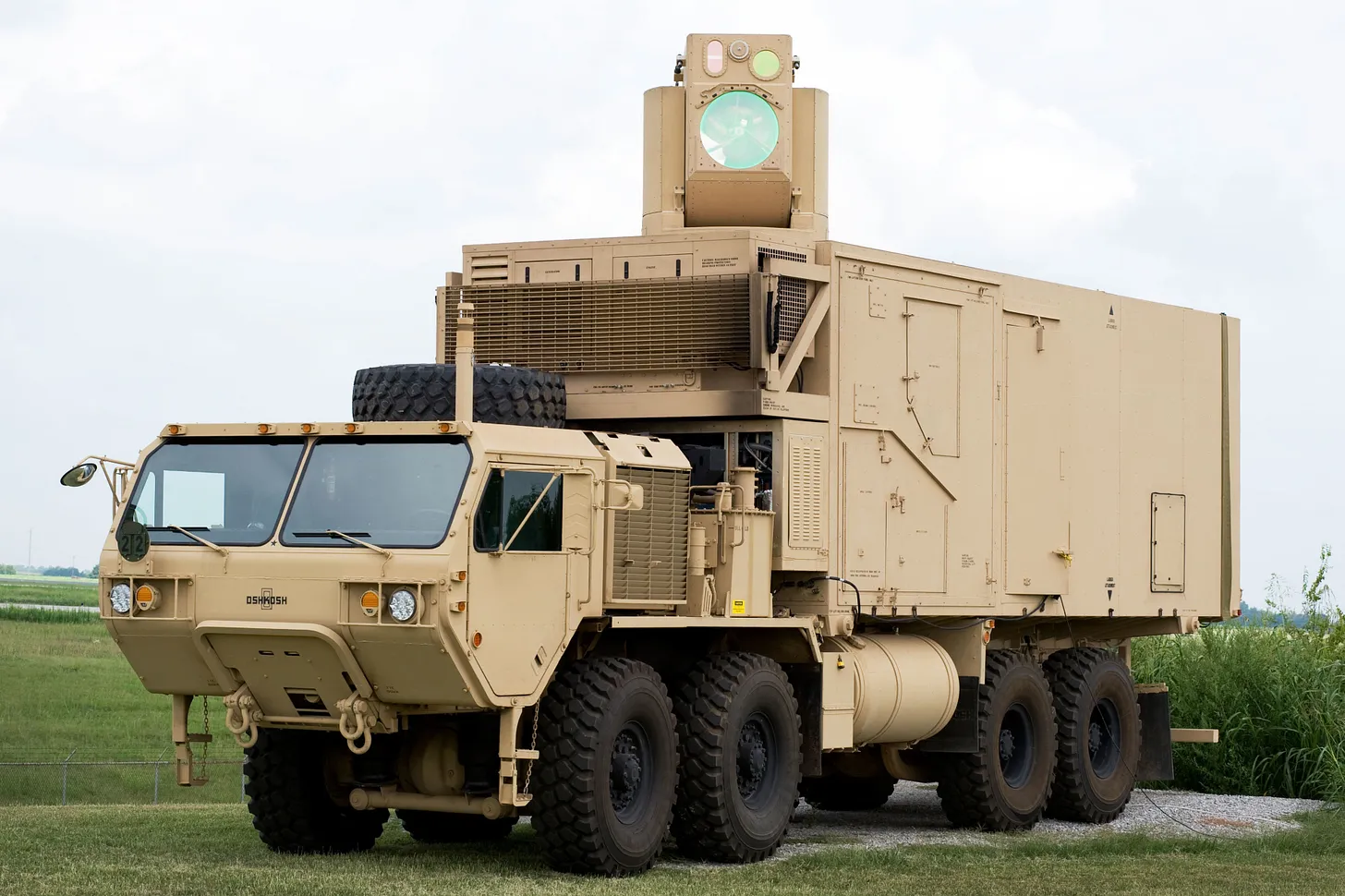
Defense Express notes that although such idea of shooting down cruise missiles with laser sounds attractive at minimum from absence of ammunition need side, everything has its nuances. Interception itself requires keeping beam on target long, which is difficult with such fast assets as cruise missiles, which also have stronger body than drones.
Actually, in March 2026 it became known U.S. closed another project in this direction — 300 kW Indirect Fire Protection Capability-High Energy Laser (IFPC-HEL), with its prototype going to work on JLWS. Reasons cited include difficulty achieving such performance and effectiveness.
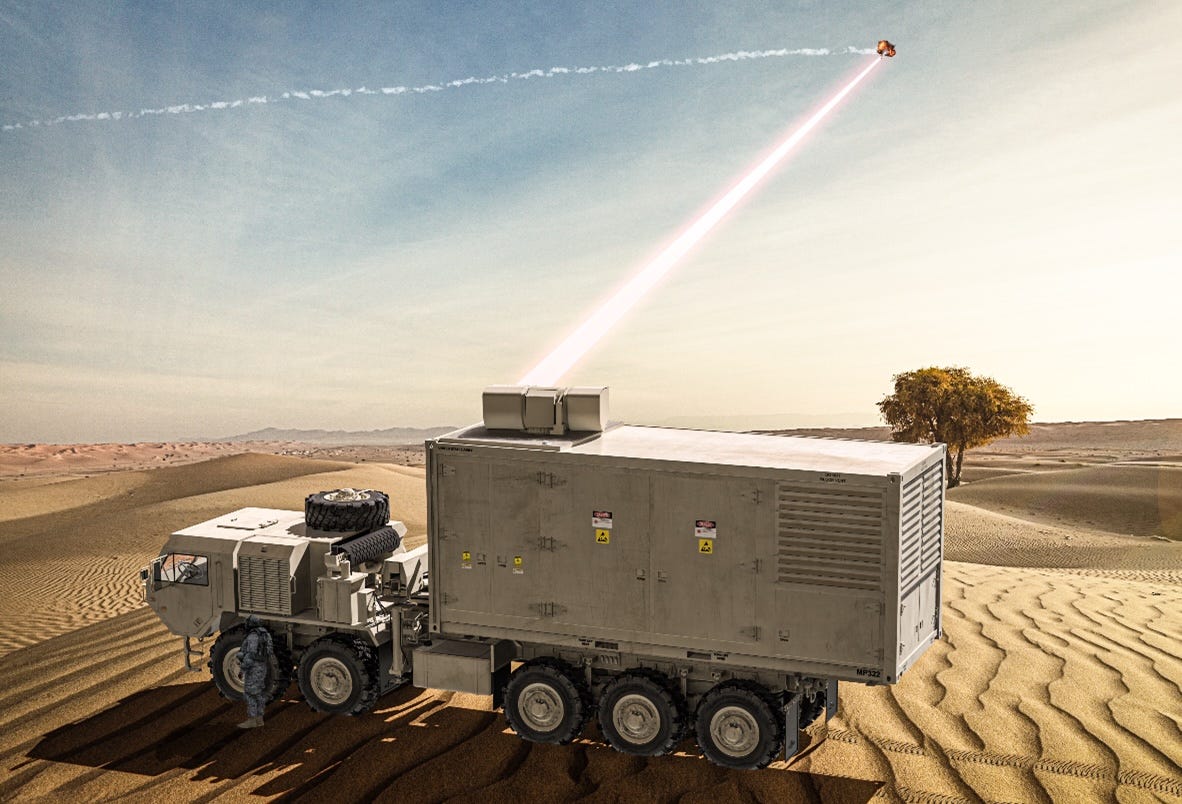
Assumptions exist that JLWS will be simpler to develop due to lower 150 kW power, technology development, as well as readiness for additional financing from military and Pentagon. However, unknown whether such idea will survive practical use rather than remaining good only in laboratory.
Such idea of shooting down cruise missiles with lasers has existed since 1970s and constantly revives in various projects. However, so far this remains quite niche weapon with heap of nuances, technological dead ends and application limitations even against drones, which can be seen in Chinese and American examples.
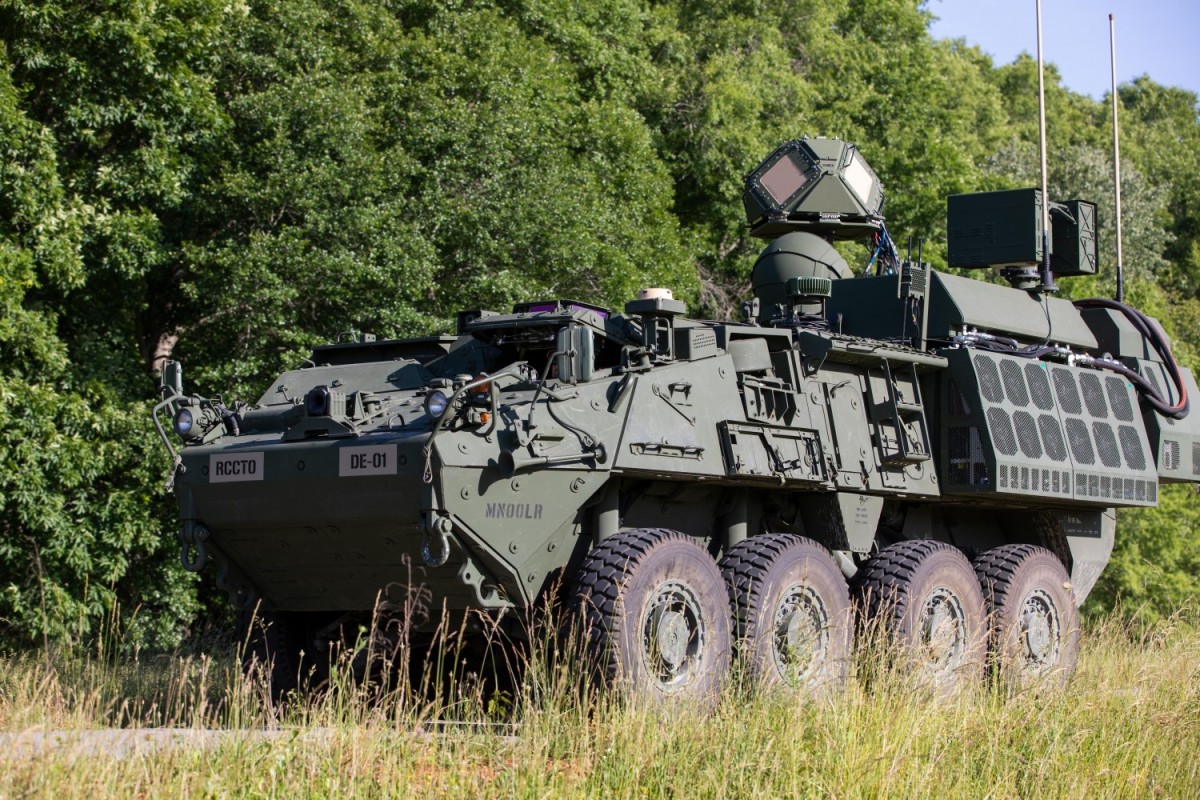
Recall Israel also actively conducts work in this direction, claiming to overcome aircraft integration problem. Moreover, they assert capability to shoot down ballistics with laser weapons already in 3-5 years, so development of such assets will definitely only continue.
Read more: Ukrainian Intelligence: russia Coercing Foreigners Into War with Threats and Pressure