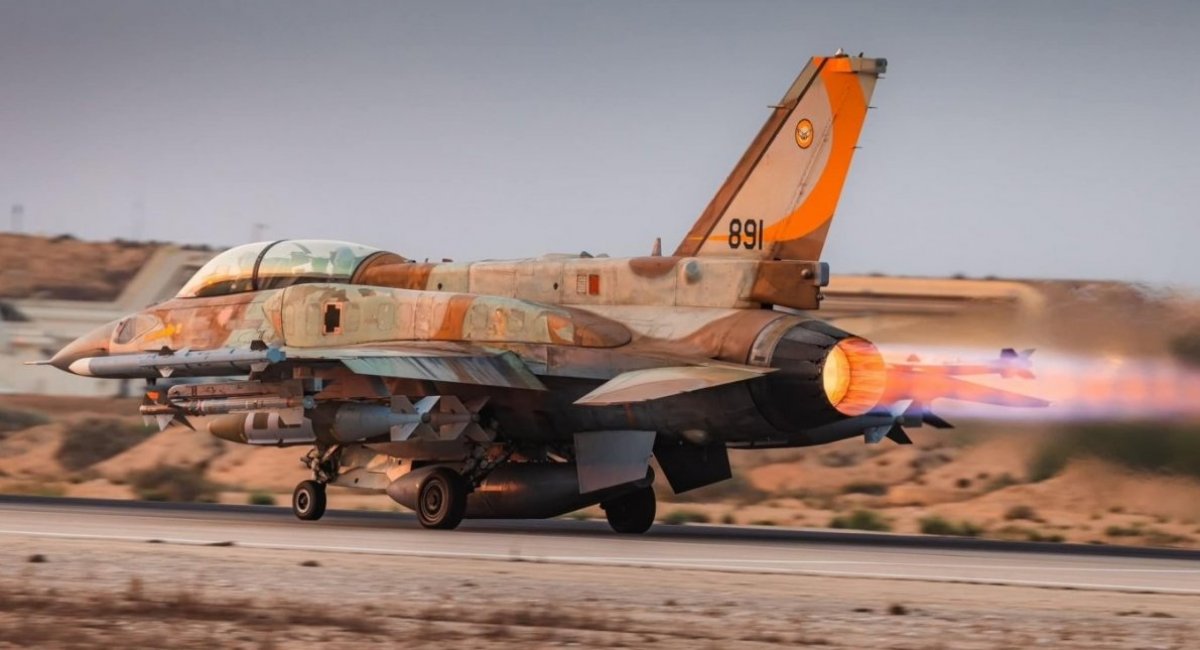
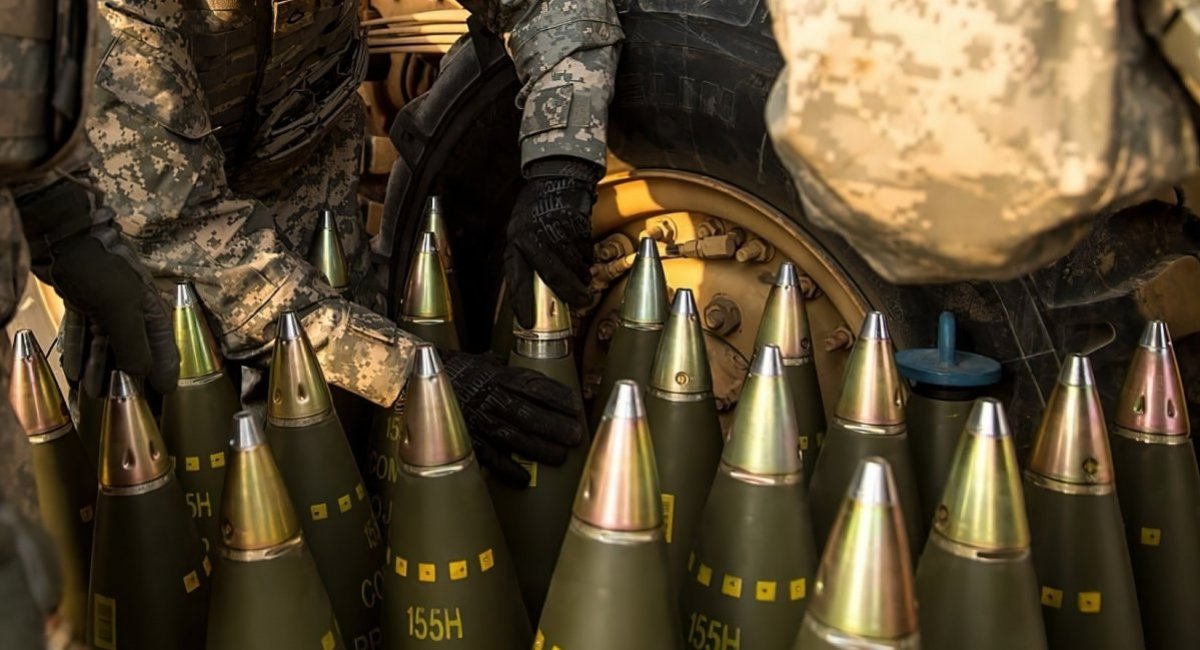
Since February 2022, the United States has delivered millions of artillery shells to the Ukrainian Armed Forces, predominantly drawing from its own army stocks. In the autumn of the same year, when Israel initiated active military operations against Hamas, tens of thousands of 155-mm projectiles, originally intended for Ukraine, were redirected to the Israel Defense Forces instead.
The current production rate of 155-mm artillery ammunition by the American defense industry stands at 28,000 units per month, a quantity that falls short of meeting the escalating demand. In response, the U.S. might tap into some of the reserves from the Pacific theater’s War Reserve Material stockpile, but this "hardly makes sense" because of how important this region is for the United States, according to Defense News.
Read more: Ukraine Should've Made "Mountains of Ammunition," Ben Hodges Says, But Was It Physically Possible?
After all, there is also South Korea, where the U.S. also has warehouses in place, should North Korea attempt hostilities.
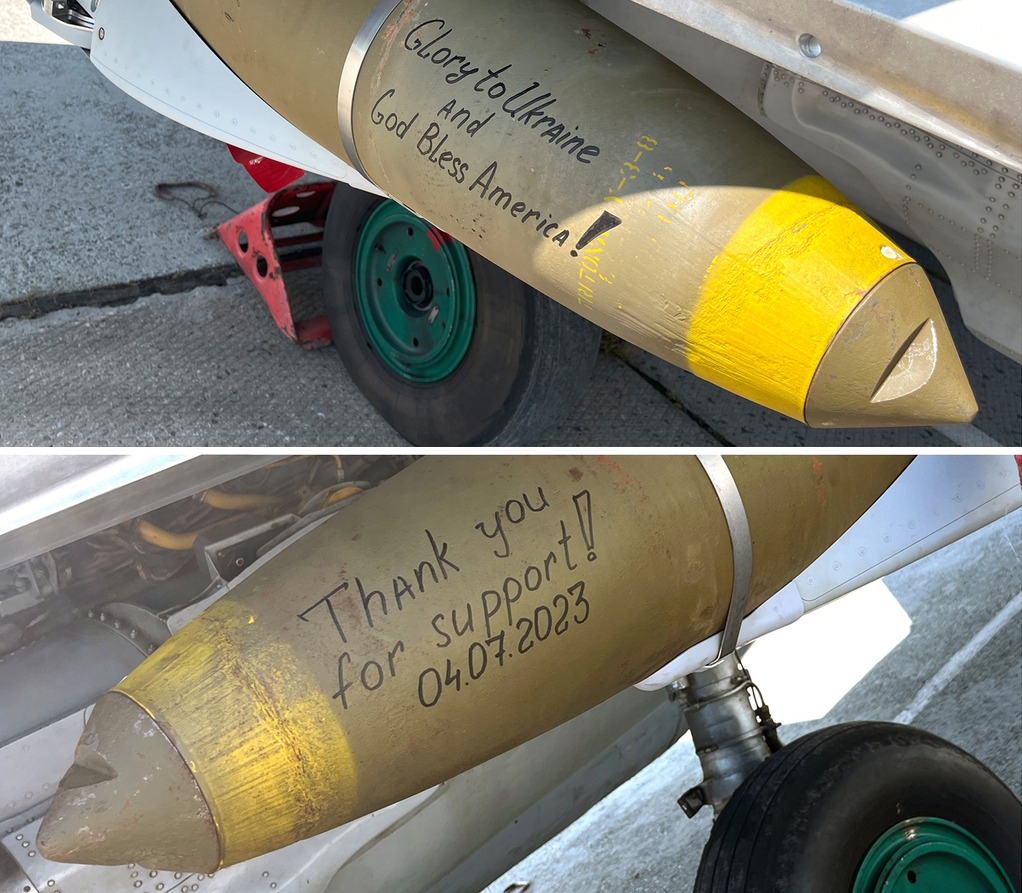
In fact, the critical situation extends beyond 155-mm artillery ammunition, also evident with various other weapons, notably seen in the procurement figures of 2022. The U.S. procured 3,000 Joint Direct Attack Munitions and 2,000 Small Diameter Bombs during the year.
These quantities are less than Israel spent in the first six days of warfare following a Hamas attack. Reports suggest the Israeli air force dropped 6,000 bombs from October 7 to 12.
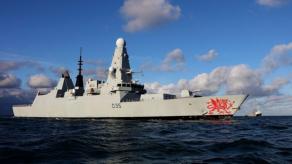
The acquisition of Tomahawk cruise missiles and Mk-48 torpedoes also falls short of potential wartime requirements. In 2022, only 70 missiles and 58 torpedoes were purchased — fewer than the totality of launchers installed onto the forthcoming fleet of Arleigh Burke-class destroyers and Virginia-class submarines.
With an estimated inventory of 4,000 Tomahawk missiles, if the U.S. needed to go all-out and spend them all in a high-intensity armed conflict the American defense industry would need 20–25 months to replenish the stocks afterward.
One of the first steps to address this situation, and not just a band-aid but an actual solution for years to come, is a multi-year procurement program. Not only in the U.S., analysts and businesses have been insisting on implementing such measures in Europe and Ukraine.
Such multi-year purchases would provide manufacturers with incentives to expand production capabilities, not to mention the positive effect of reducing the price of defense products over time.
For the upcoming year, the U.S. National Defense Authorization Act outlines six types of munitions for multi-year purchases. Nevertheless, the officials are worried by skyrocketed costs of weapons, exemplified by the debate this September over the purchase of two missiles, SM-6 for the fleet, and AMRAAM for the Air Force.
Read more: Good and Bad News About Artillery Shells For Ukraine: Not Enough But Will Be More