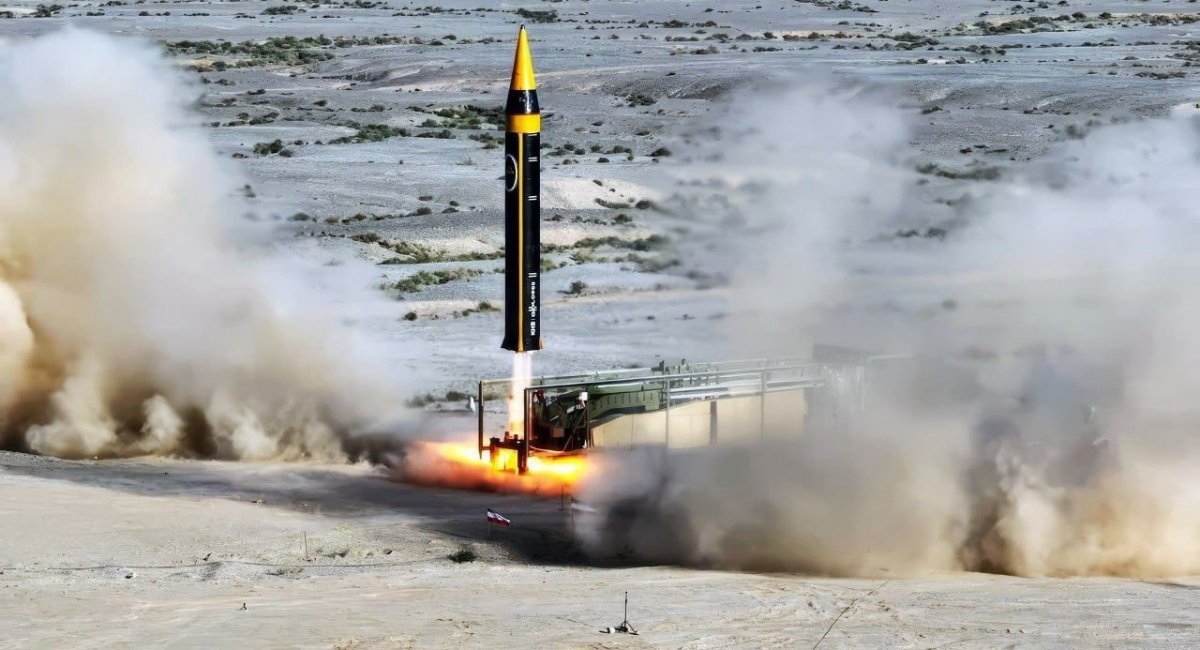
Previous estimates of the maximum range of Iranian ballistic missiles—2,000 km with conventional warheads and up to 3,000 km with lightweight warheads—have proven incorrect. In reality, Tehran is capable of launching ballistic missiles with a range of 4,000 km.
At the very least, the Iranians unsuccessfully attempted to strike the U.S.-British Diego Garcia base in the Indian Ocean. This is the base where the U.S. concentrated a third of its B-2 bombers in 2025, housing them in light hangars that offered protection only against inclement weather. However, while a distance of 3,800 km to Iran was not considered a problem at the time, it has now become a pressing concern for the Americans.
Read more: Javelin Countered russian Armor, and Demand for This ATGM Grows Even in Era of Drones
If American bases represent one side of the problem, the other is the possibility of Iran targeting Europe. If a ballistic missile with a 4,000 km range were launched from northwestern Iran, the vast majority of European capitals — with the exceptions of Madrid, Lisbon, and Dublin — would fall within the risk zone. This raises the question of how exactly Europe would defend against such an Iranian ballistic attack.
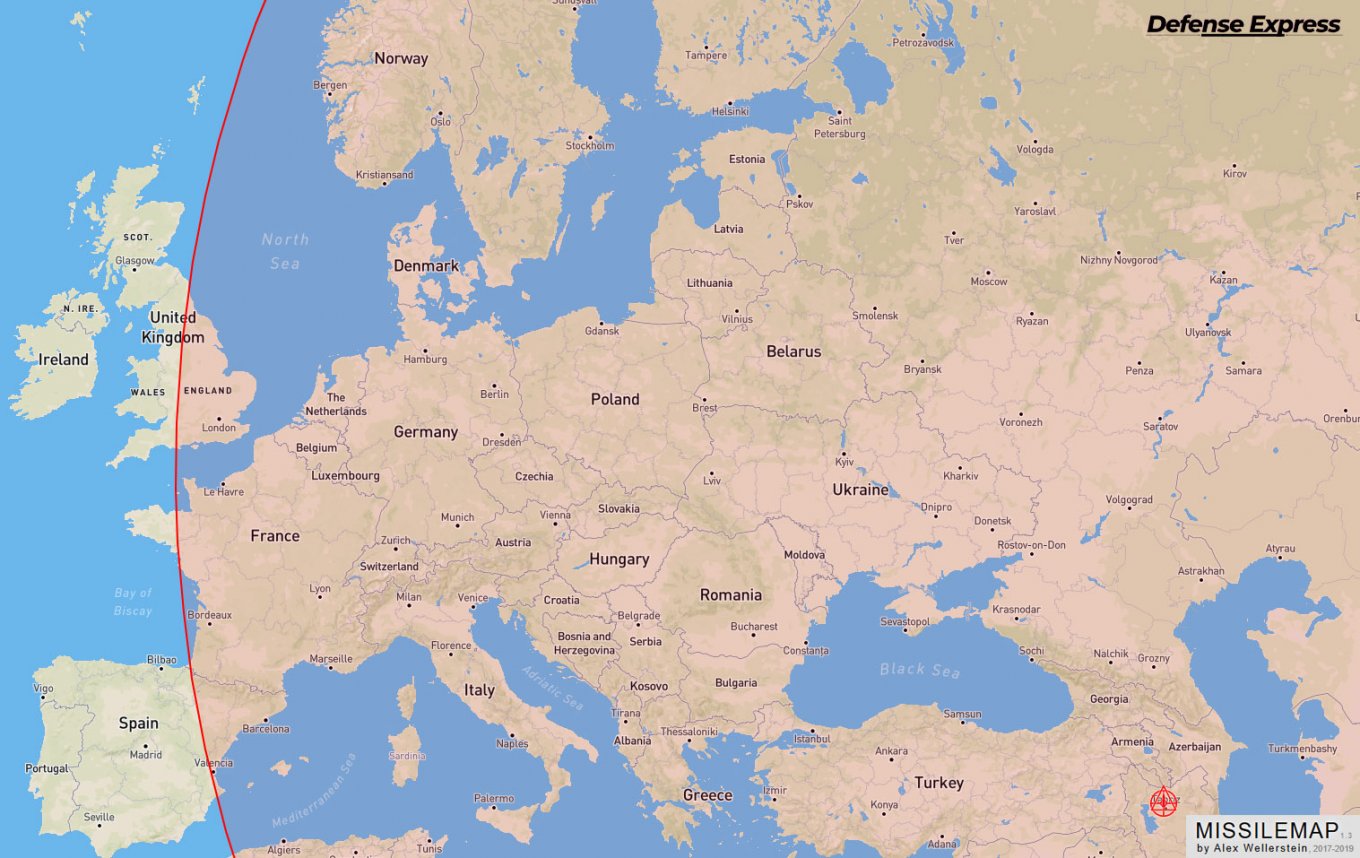
Should Tehran carry out such an attack, events would unfold in the following way. First, U.S. satellites would detect the launch of an Iranian ballistic missile, setting off a critical decision-making process—since the window to intercept such a threat spans only minutes.
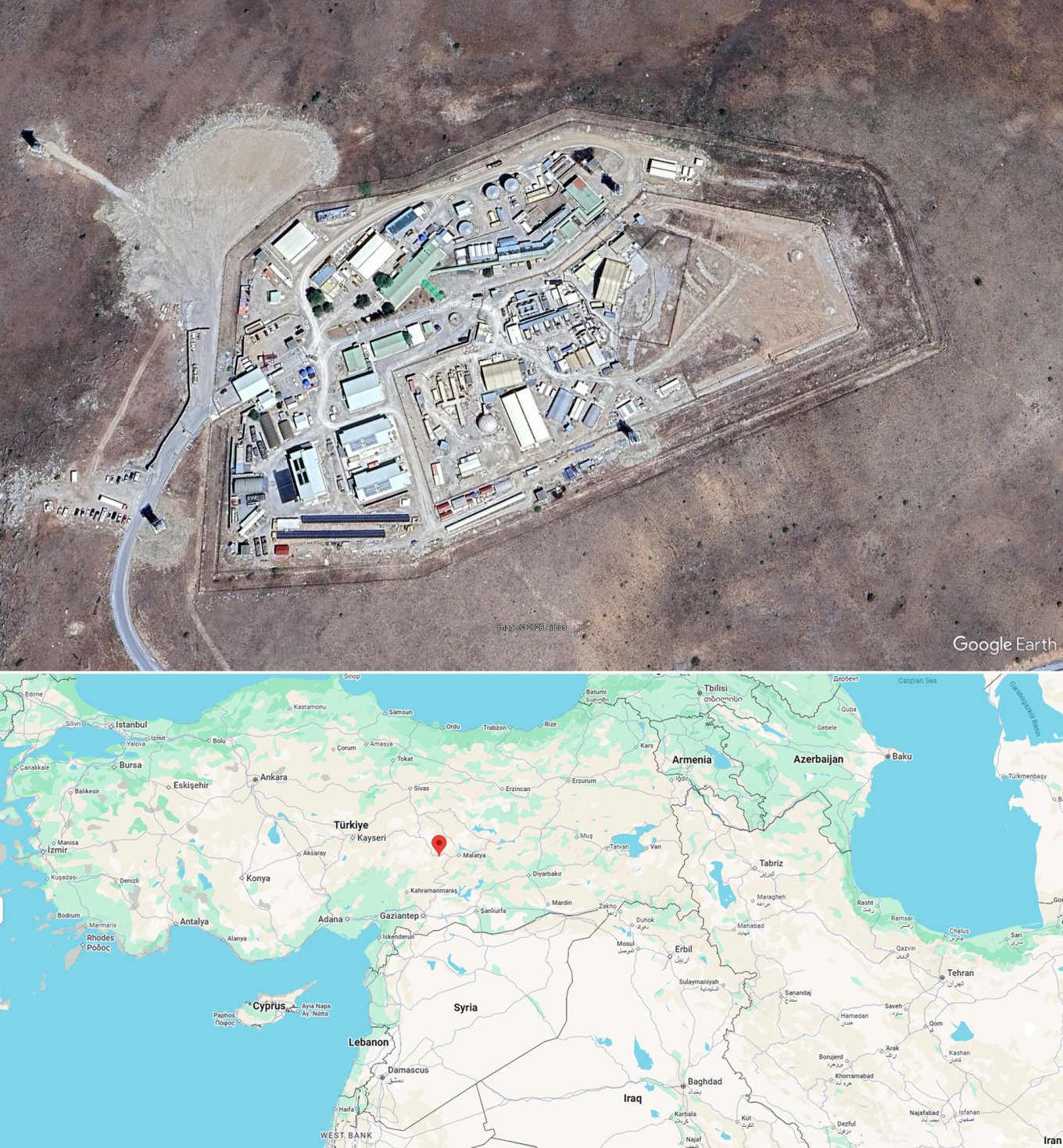
The target will then appear on the radar screens of AEW&C aircraft, provided they are in the area at that moment. This is already guaranteed. Shortly after, when the missile reaches an altitude of around 20 km, it should be detected by the AN/TPY‑2 radar at the U.S. military base in Kürecik, Turkey, which is situated at 2,085 meters above sea level. An additional Patriot system was deployed from Europe specifically to protect this base.
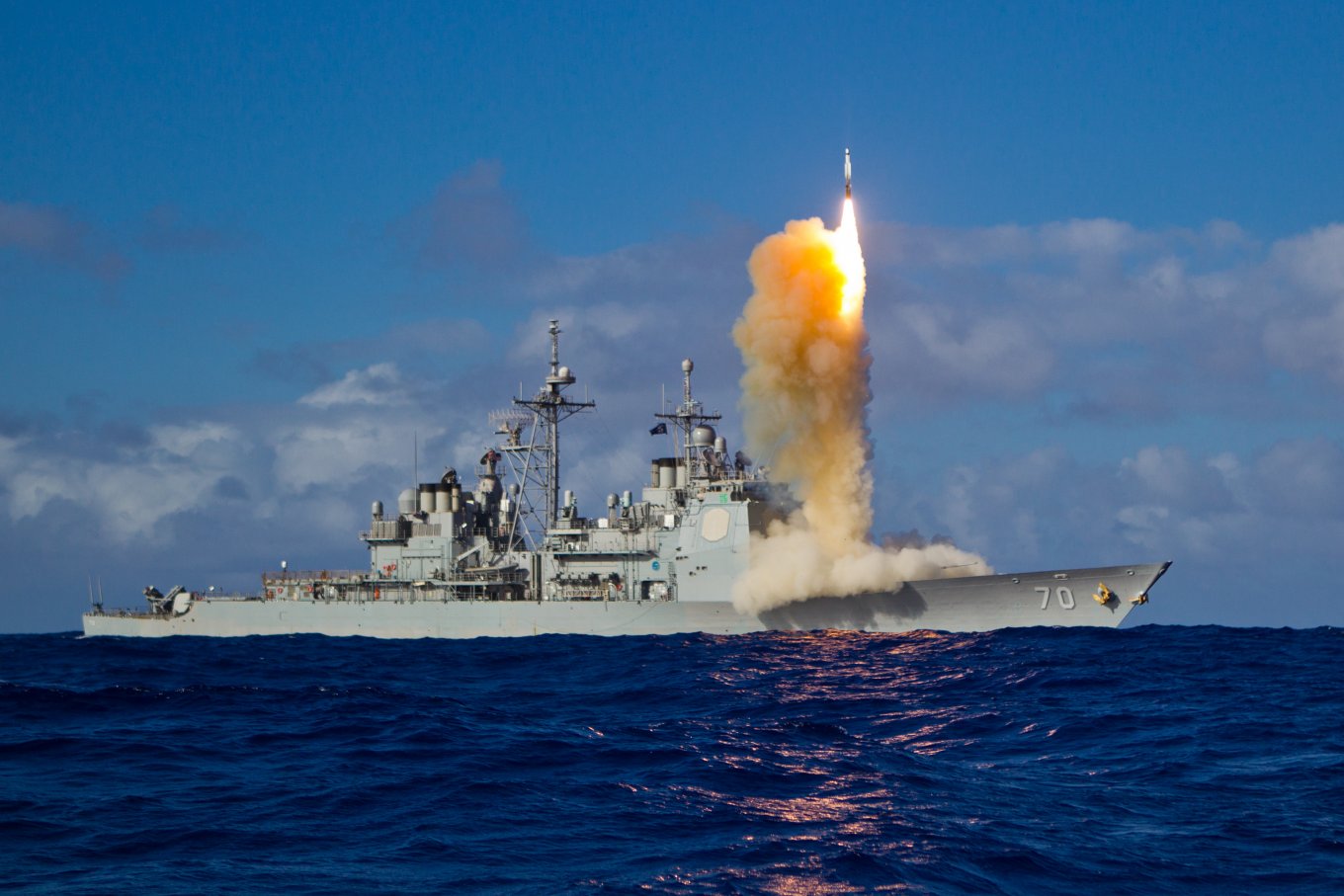
It is also expected to be detected by U.S. Arleigh Burke-class guided-missile destroyers in the Eastern Mediterranean. This wealth of data from multiple sources, consolidated into a single information network, will enable the threat to be classified quickly and accurately, the missile's exact target to be determined, and countermeasures to be identified and deployed.
The first attempt to intercept it could be made from destroyers. This will involve the use of SM-3 anti-missile systems, which intercept ballistic targets outside the atmosphere. These ships have already intercepted several ballistic missiles bound for Turkey, and dozens—possibly hundreds—intended for Israel.
However, this is not the only means of intercepting Iranian ballistic missiles heading toward Europe. The U.S. maintains two Aegis Ashore systems, which are essentially "land-based missile destroyers," and use the same radars and interceptor missiles as the Arleigh Burke-class destroyers. The first Aegis Ashore is located in Romania near Deveselu, and the second is in Poland near Redzikowo.
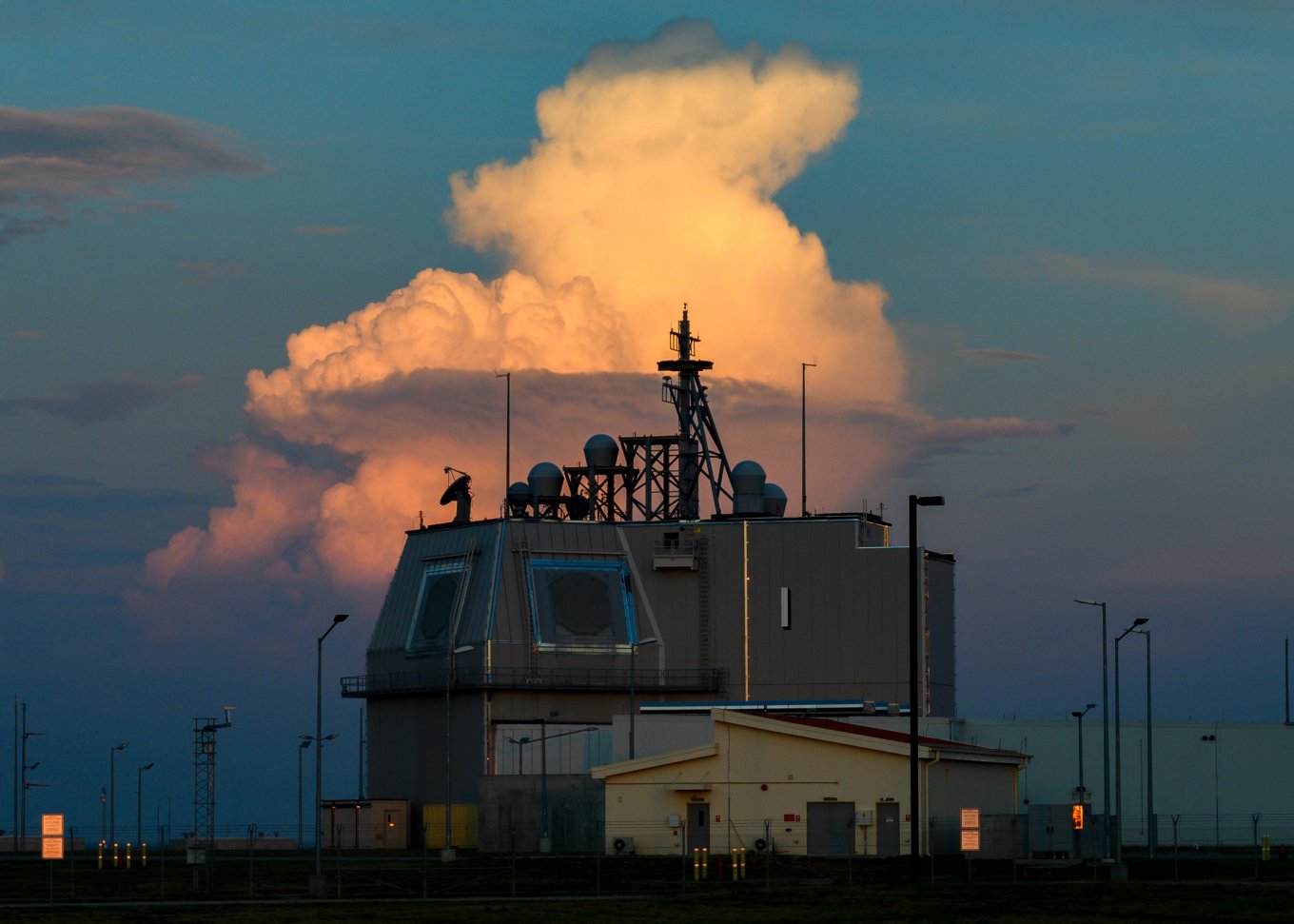
Depending on the flight path of the Iranian ballistic missile, both systems may engage the target simultaneously if their coverage areas overlap, or only one—the Romanian system—will be activated.
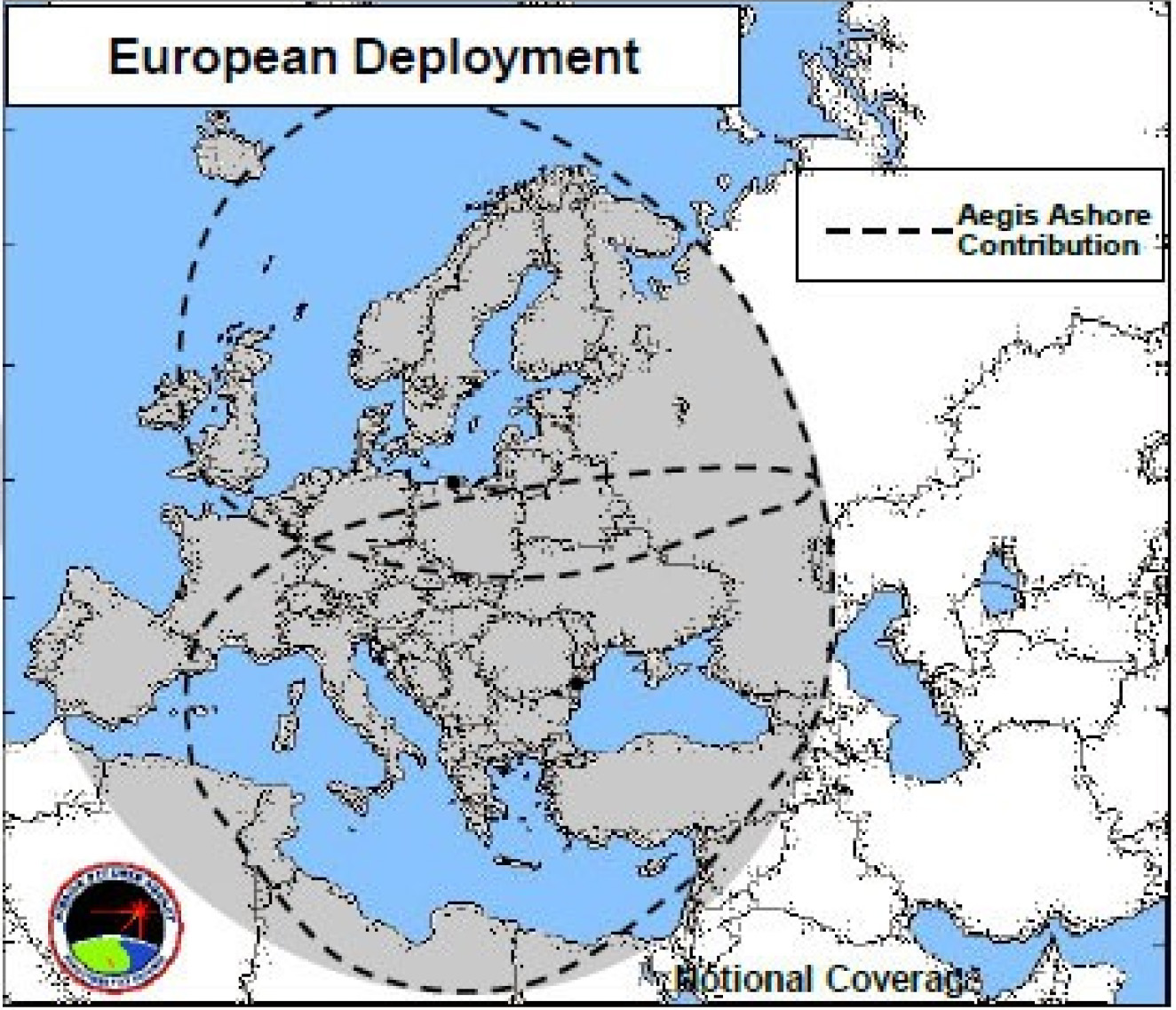
Given the effectiveness of SM-3 interceptors, even a single one of these components should be sufficient to repel a single Iranian ballistic missile attack on Europe. However, air defense systems must remain on standby to maximize the chances of a successful interception.
All of the aforementioned systems for detecting and destroying targets are American. Overall, the air defense capabilities of European nations are heavily dependent on the United States. Therefore, Washington's threats to withdraw from Europe also mean the risk of being left to face this challenge alone.
From the Defense Express side, we urges you to join a fundraising for what is already working: One United Fundraiser: Fundraising by the Serhiy Prytula Charity Foundation for interceptor drones.

Read more: Germany's HIMARS Analog MARS 3 Fires New 122 mm Training Rocket, Already Drawing Interest from Three Potential Buyers