


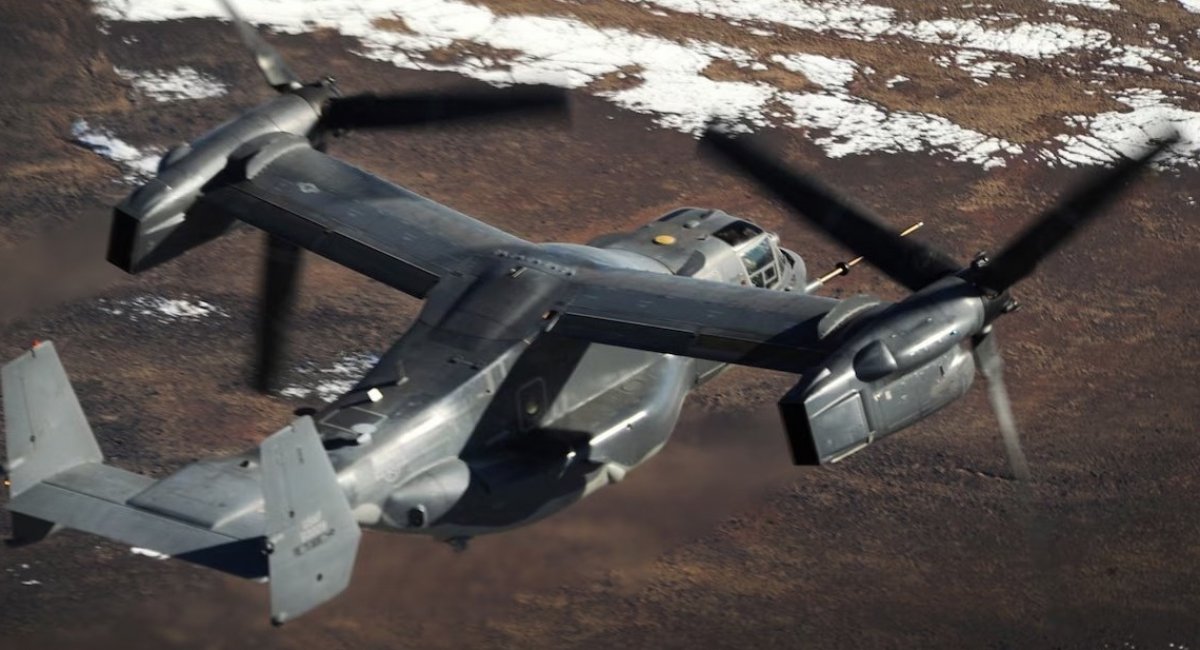
U.S. Government Accountability Office (U.S. GAO) in its report on CV-22 Osprey tiltrotors in the context of improving flight safety of this armament stated that the joint program office of these tiltrotors, as well as the forces operating this equipment, essentially neglected the issue of information exchange about Osprey including accident reports and data on maintenance of parts and components.
Defense News drew attention to the report. GAO found that among 34 risks identified in the Osprey tiltrotor program, eight relate to the potentially catastrophic category and on average were relevant for ten years, another 18 from the medium risk category overall for nine years. Which, actually, partially explains all the problems with these tiltrotors.
Read more: Spain Beats U.S. Teams At First-Ever Drone Crew Competition Held in Germany
So, Ospreys are primarily known for their reliability problems, and serious accidents involving this aircraft have increased since 2023, and overall over ten years, from 2015 to 2024, only during one year was the rate of serious disasters below average, and that only applied to the Marine Corps.
For example, at the end of 2023, it became known that the US is grounding Osprey tiltrotors for the second time in a year after a crash with one of the CV-22s in Japan, and in June last year it was reported that Ospreys will not be able to fully perform combat missions until 2025.
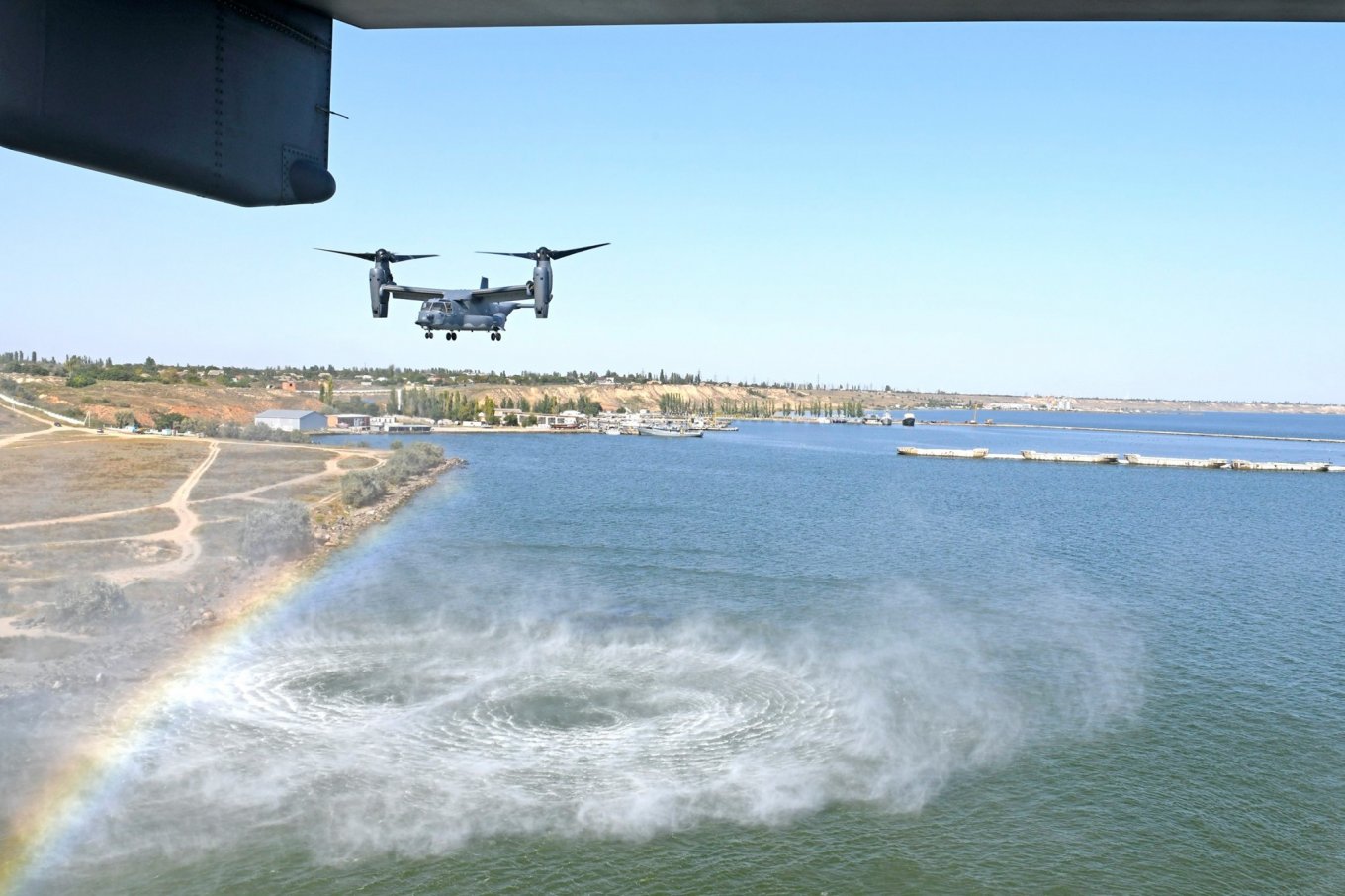
GAO emphasizes for further operation of the Osprey tiltrotor fleet, it’s necessary to create a supervisory structure where responsibilities and roles will be clearly distributed in the direction of identifying and overcoming threats with these machines.
The Pentagon traditionally agreed with GAO’s conclusions and promised to take measures to solve the problem.
Read more: On the Brink of Bankruptcy: russia's An-22 Crash Exposes Widespread Problems in russian Military Aviation