


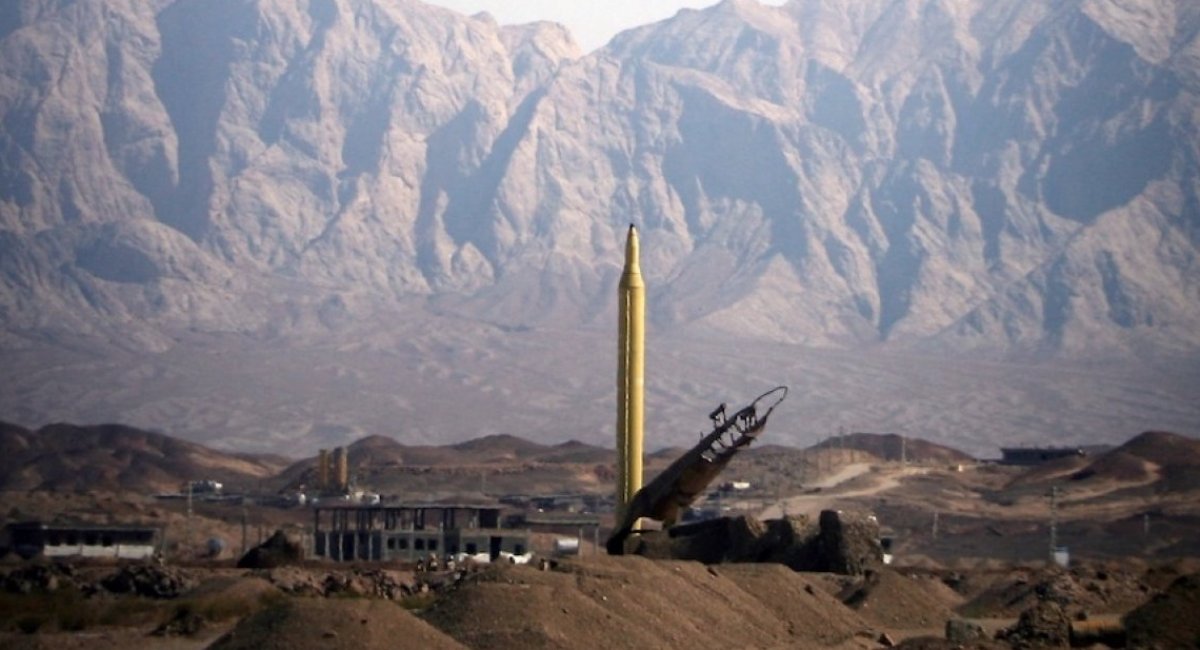
The United States together with Israel during four weeks of strikes on iran within Operations Epic Fury and Roaring Lion respectively may have destroyed about a third of the iranian military's missile arsenal. This data differs drastically from information announced by U.S. President Donald Trump, who confidently stated that iran has very few missiles left.
Reuters reports this information, citing its own anonymous sources given the delicacy of such information. They also note that the fate of about another third is questionable, but there's a probability that as a result of intensive strikes, missiles could have been damaged, destroyed, or buried in underground tunnels and bunkers.
Read more: U.S. Uses F-35s and A-10s Against Shaheds While Perfect Low-Cost Hunter Sits Right There — Cessna C-208
This makes sense, because among other things, the U.S. found a simple but effective solution for how to close iranian ballistic missiles in tunnels, bombarding entrances to missile cities with bombs containing mines to effectively paralyze their operation for some time.
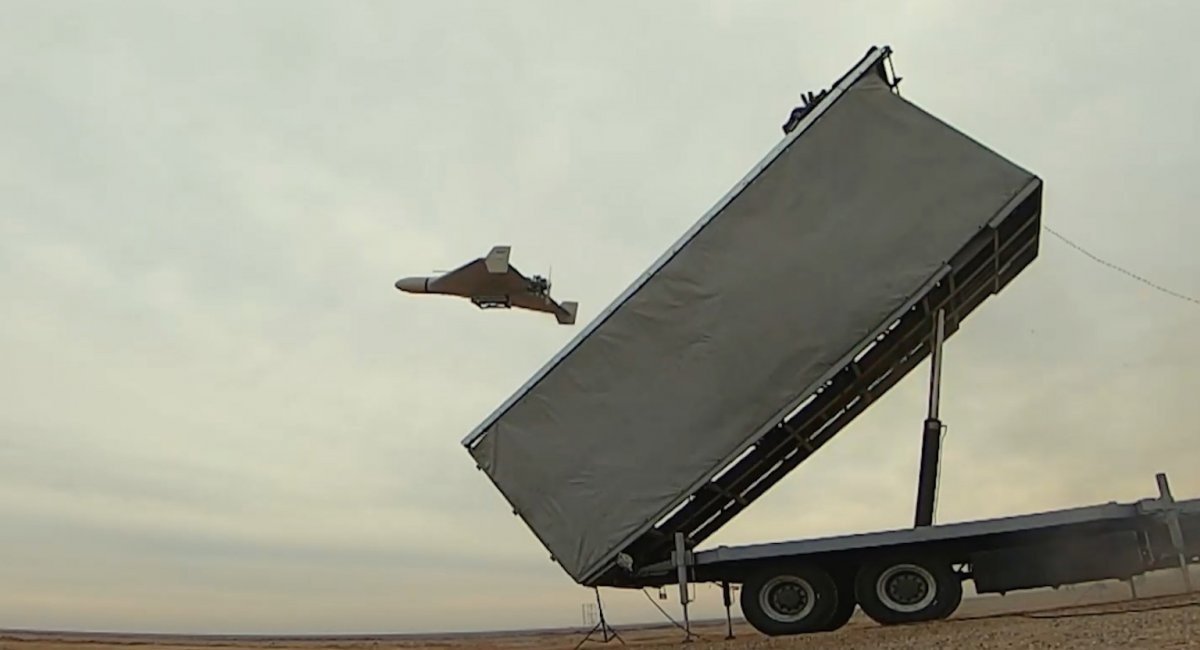
Regarding long-range drones like Shahed etc. in iran's arsenal, stock estimates are the same as with missiles with some degree of confidence, one can say that a third of them have been destroyed, the publication writes.
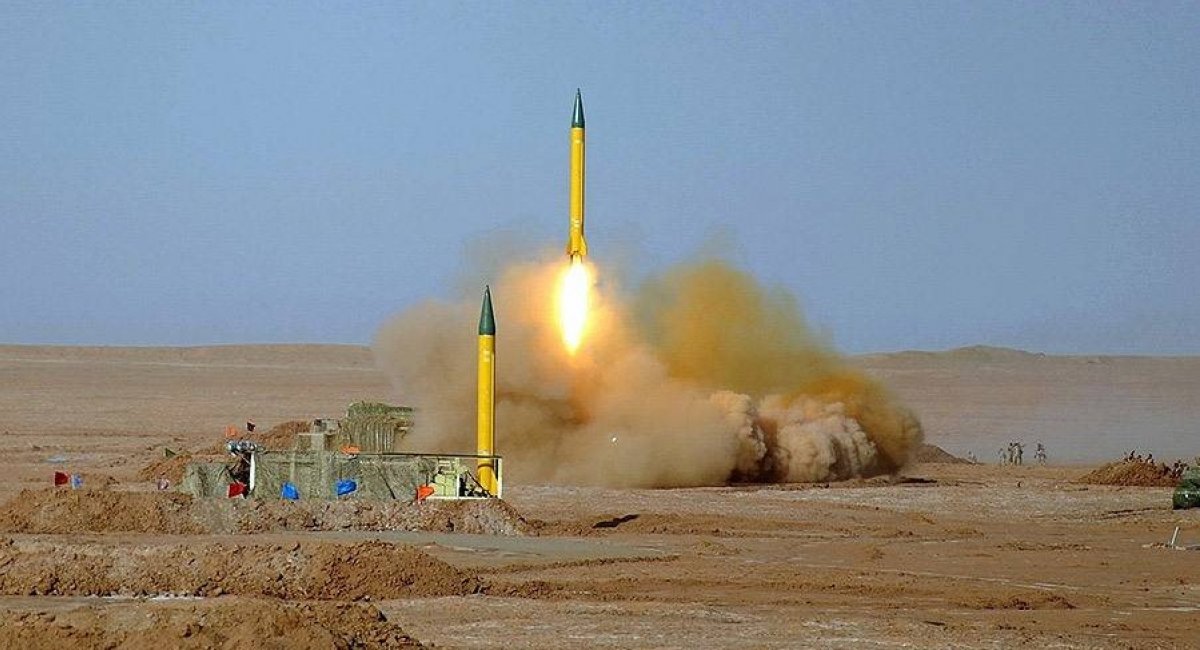
Indeed, as of today compared to late February early March, iran is launching far fewer cruise and ballistic missiles, as well as drones. For example, a U.S. Department of War representative in response to a comment about information on iran's stocks emphasized that attacks have decreased by as much as 90%. Moreover, over 66% of factories making missiles and drones, as well as shipyards, were damaged or destroyed as a result of American-Israeli strikes.
However, the fact remains that the U.S. and Israel in a month of strikes, spending thousands of missiles, bombs, as well as other strike means worth billions of dollars and significantly reducing their stocks compared to levels before the operation began, managed to destroy only a third of iran's strike potential. If iran continues to be hit at the same pace, stocks of a number of weapons types will disappear in a matter of weeks or months.
At the same time, the further it goes, the more difficult it will be to destroy the remnants of iran's missile arsenal. At least in Israel they privately acknowledge that eliminating the last third will be quite difficult. Actually, a similar story exists with missile launchers, of which over three hundred were destroyed, about 70%. However, hunting down those remaining is a much more difficult task.
A big question is how many missiles and drones iran had in stock total at the end of February. According to Israeli data, we're talking about about 2,500 ballistic missiles. Taking into account destroyed as well as used missiles, about a thousand may remain now. However, data on what capabilities iran currently has for replenishing these stocks is also important.
So to summarize, it turns out that on one hand strikes on iran have their result, because iran’s missile potential has indeed thinned.

On the other hand everything is not so optimistic compared to official statements, because the U.S. and Israel have already spent a lot of both offensive and defensive weapons, replenishing stocks of which will take years. The further it goes, the smaller the stocks will be and the more difficult it will be to destroy iranian ones.
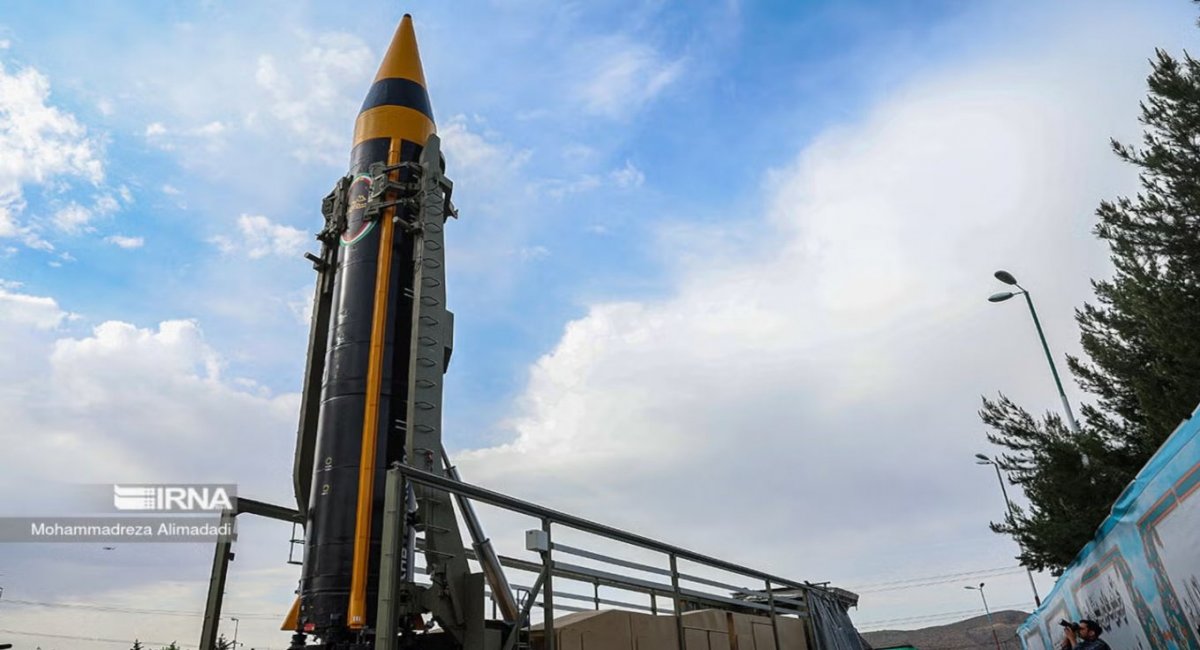
At the same time, iran tested new capabilities in this war, namely ballistic missiles that can destroy targets at a distance of 4,000 km, whereas previously it was believed that this country's missile arsenal range was limited to 2,000-3,000 km, including cruise missiles. However, tests turned out not very successful, as one missile was shot down by air defense, while another missed the target due to malfunction.
Defense Express previously reported that if the U.S. decides to conduct a ground operation against iran, how much time is needed to concentrate forces.
Read more: Over 850 Tomahawks in Month: U.S. Faces Rapid Depletion of Cruise Missile Stockpiles