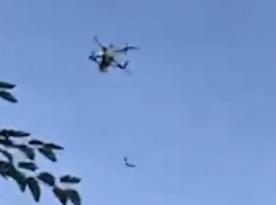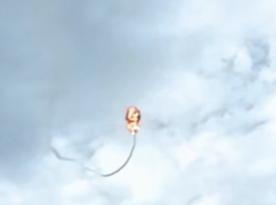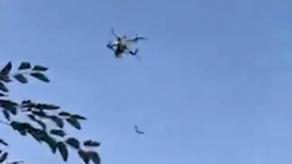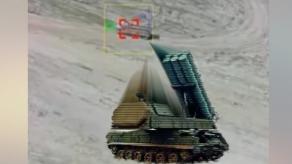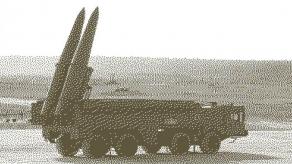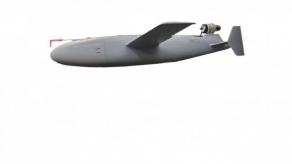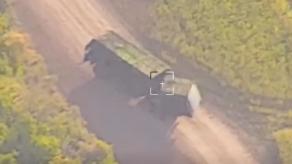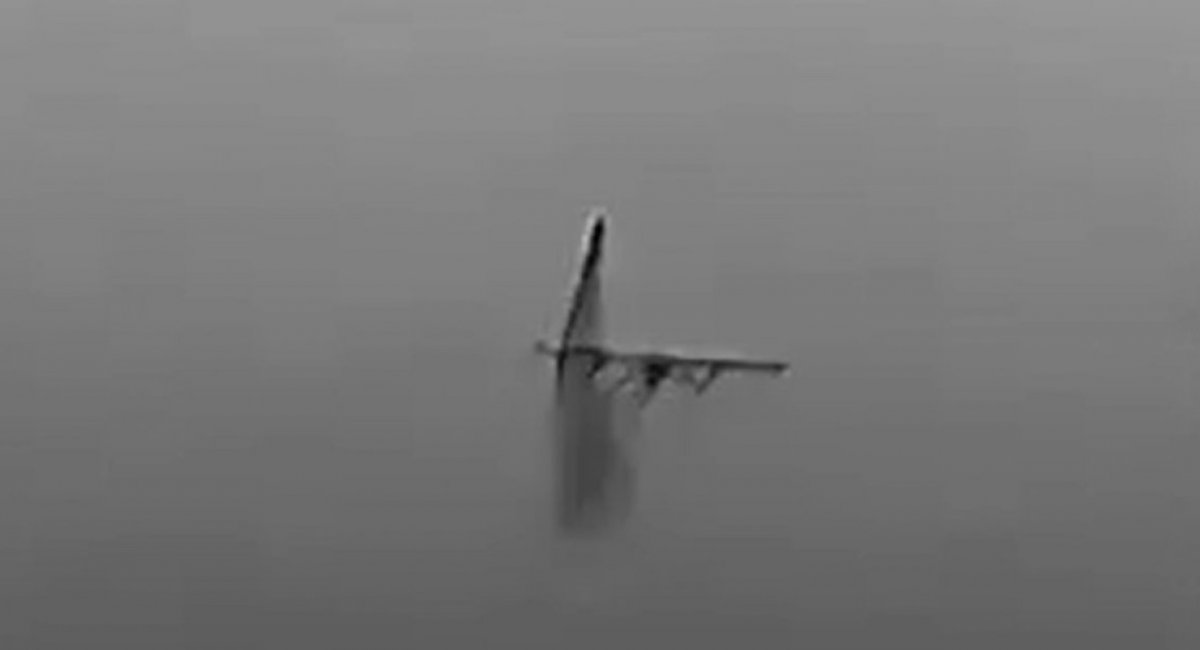
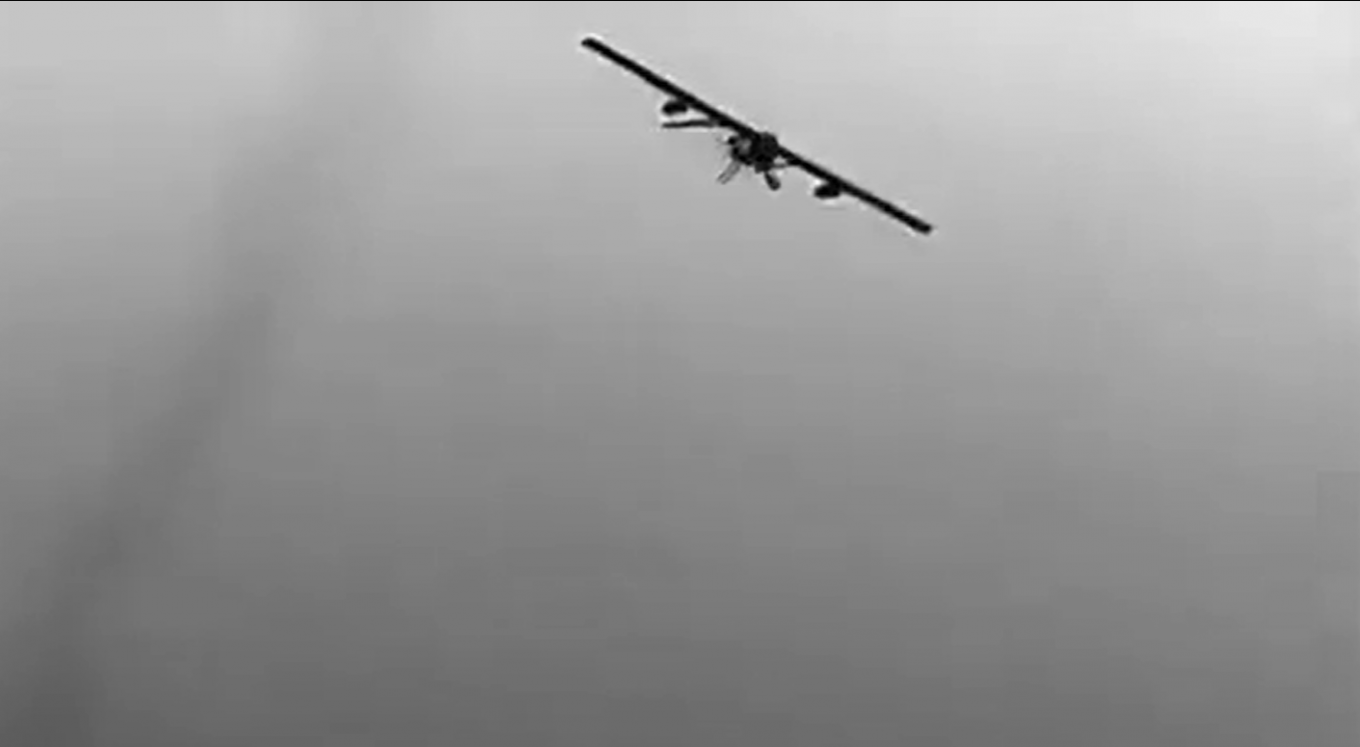
Video circulating on social media shows a russian mobile fire group attempting to intercept a Ukrainian FP-1 or FP-2 drone. The Ukrainian drone, however, chose not to wait to be shot down and responded by launching unguided aerial rockets at the russian personnel.
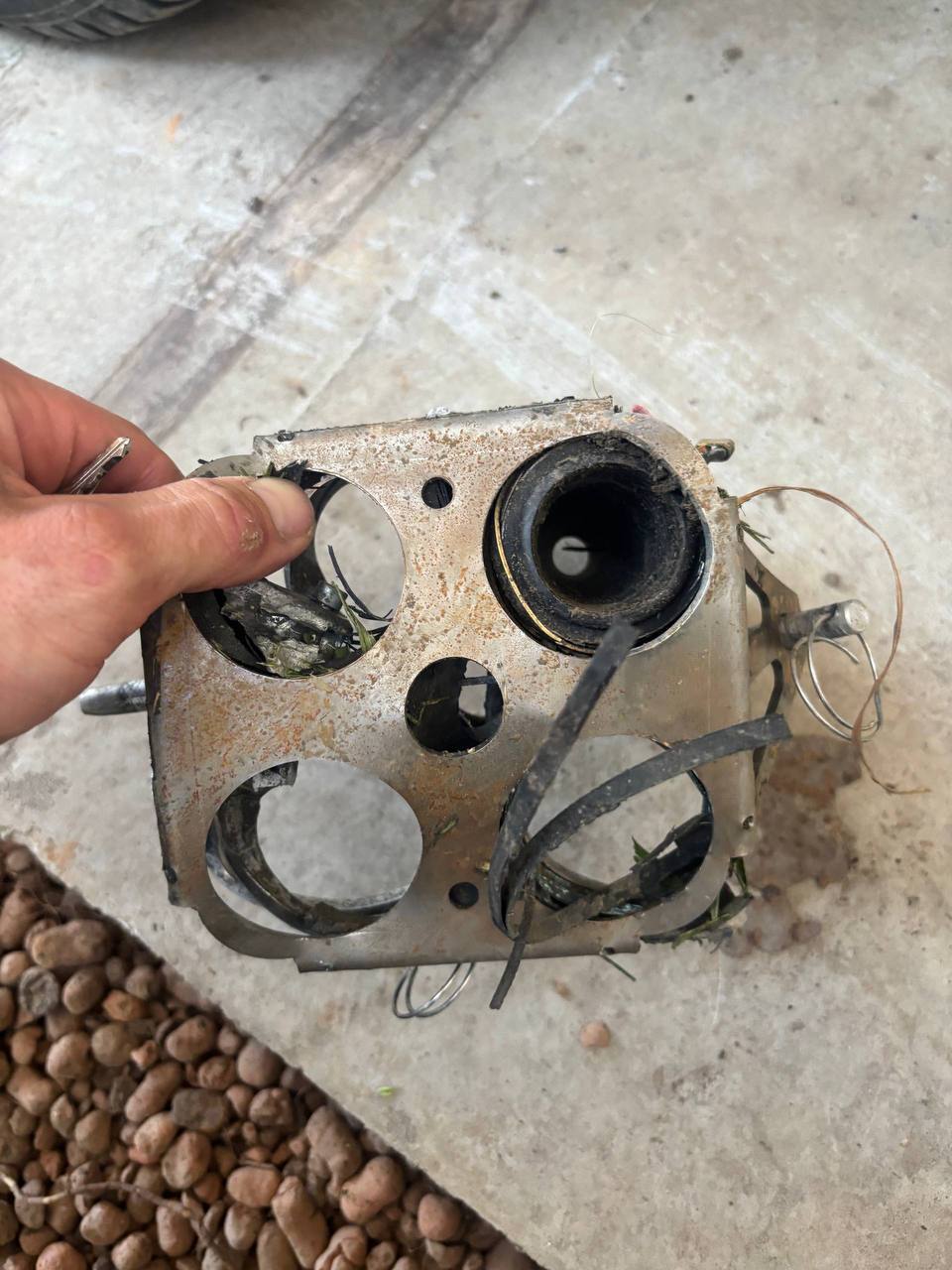
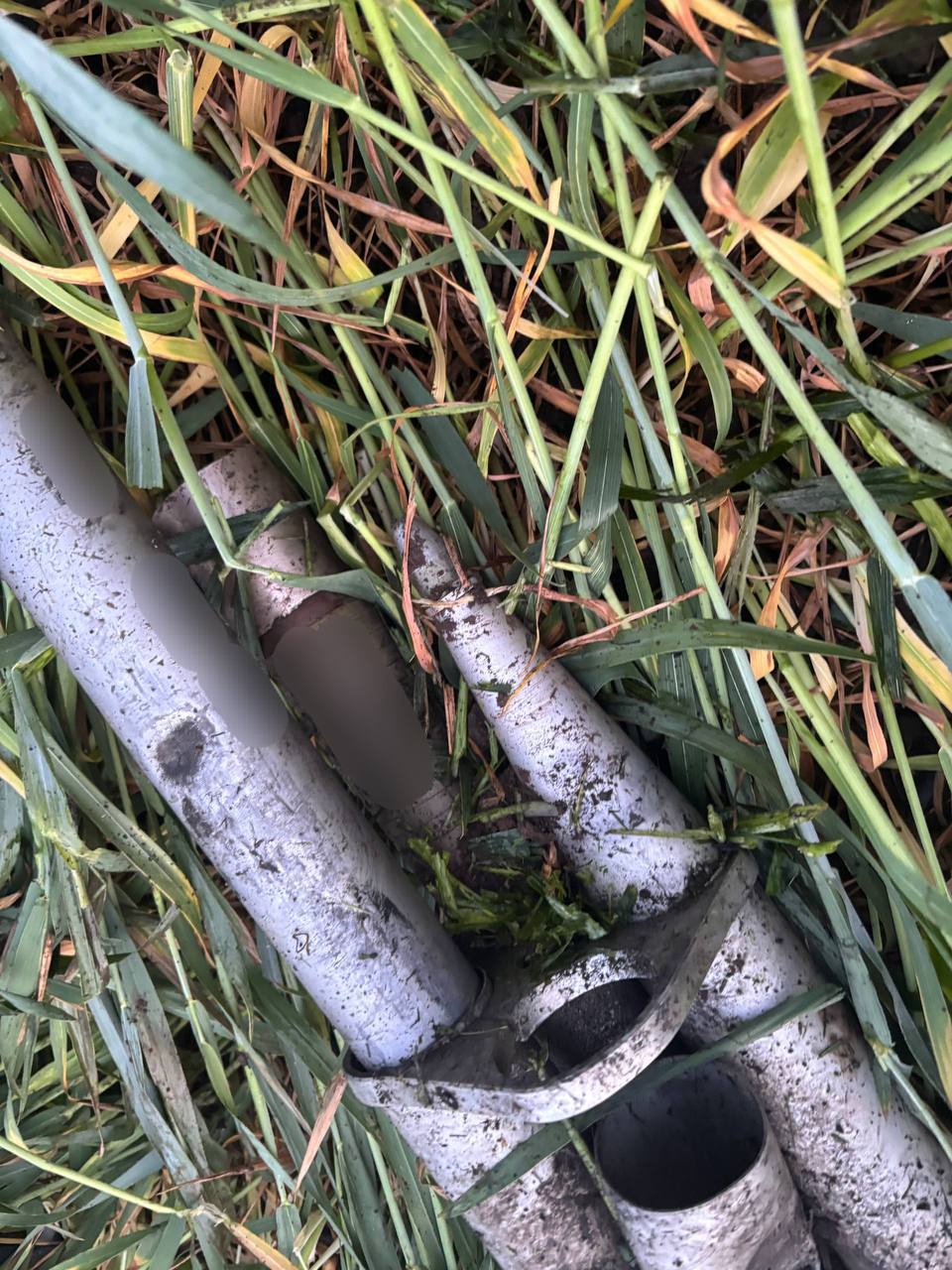
This incident is significant as the first documented case of Ukrainian long-range drones being armed with unguided rockets. russian forces have also published photographs of debris from the rocket launcher and the rockets themselves.
Read more: Poland Debuts Borsuk Export Variant in Slovakia, but Real Target May Be Asian Markets, Not Bratislava
The published photographs make it difficult to determine the exact type of unguided aerial rockets fitted to the FP-1/2 russian forces have for some reason concealed the rockets' markings. A reasonable assumption is that they are Soviet-era unguided aerial rockets of either the S-5 caliber (57 mm) or S-8 caliber (80 mm).
Each launcher holds four rockets, with two launchers mounted on the FP-1/2's wings one on each side for a total salvo of eight rockets. This is likely sufficient to engage mobile fire groups, which typically operate in open terrain using unarmored vehicles fitted with machine guns.
russia has been steadily expanding the number of mobile fire groups deployed to counter Ukrainian drones, a development that has increasingly posed a threat to long-range strike operations. The new FP-1/2 variant armed with unguided rockets is specifically intended to address this threat. Whether these drones simultaneously carry both the rocket pods and their standard warhead remains an open question.
Even the mere appearance of FP-1/2 drones with this armament will compel russian forces to operate more cautiously and to strengthen the protection of their mobile fire groups. Such strikes will likely become more frequent and more widespread over time, as mobile fire groups form a critical component of russia's defense against deep-strike and mid-range strike UAVs reducing their numbers will directly improve the effectiveness of Ukrainian strikes. The additional payload also enables engagement of multiple targets in a single sortie.
It is worth noting that this is already the second newly observed payload variant for Ukrainian FP-1/2 drones in recent times. Previously, variants carrying graphite bombshad been spotted, as had a mothership configuration for launching FPV drones.
Read more: Ukrainian Drones Hit russian PRV-16 and P-18 Radars, Fuel Depot, Arsenal, and Troop Positions in Donetsk (Video)