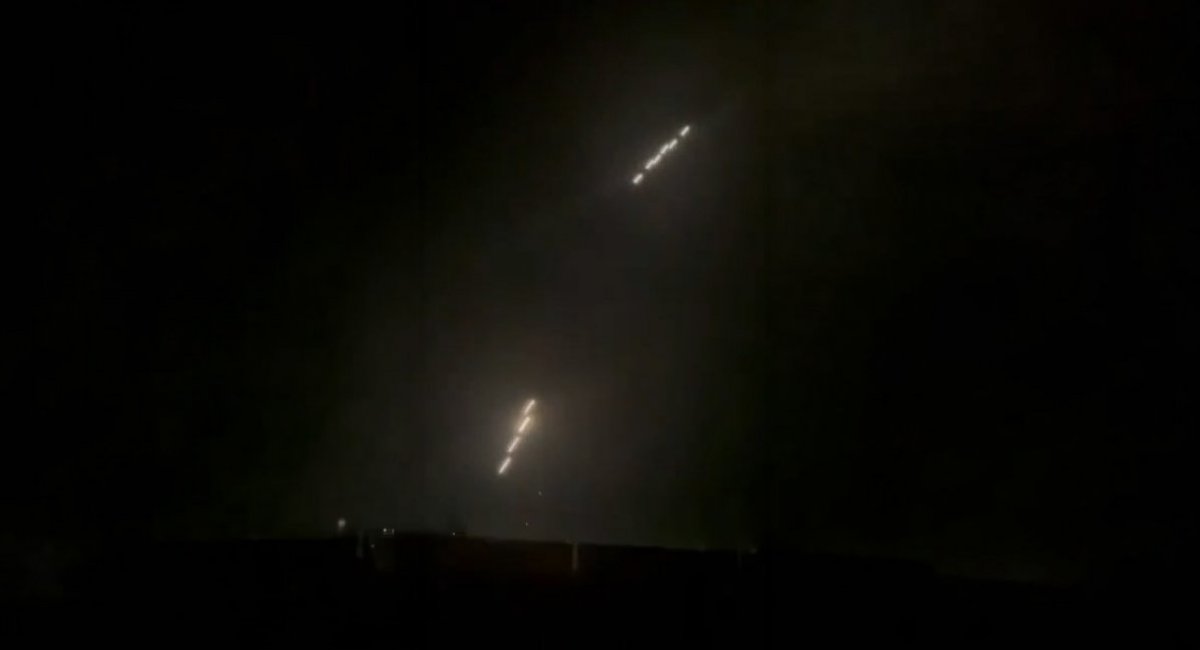
russia's Oreshnik medium-range ballistic missile has never been used in actual combat operations and has only been launched as part of testing programs, according to a recent admission by russian President Vladimir Putin. The statement directly contradicts months of russian official narratives that portrayed the missile as a battlefield-proven weapon capable of destroying underground facilities, command centers, and other strategic targets.
Read more: How Many Oreshnik IRBMs russia Has and What Their Production Rate Is
Vladimir Putin's remarks also reinforce earlier assessments that Oreshnik launches have primarily served as test events rather than operational strikes. Analysts previously suggested that the missile's targets were deliberately selected to allow russian forces to collect detailed performance data and conduct post-strike evaluations. The admission further undermines claims that the system had already entered operational deployment, including reports that it was supposedly placed on combat duty in Belarus.
The Kremlin's explanation of a recent Oreshnik impact in temporarily occupied territory north of Donetsk has also raised questions. Vladimir Putin claimed that the launch was intentionally directed at a structure within a fortified area so that russian forces could later inspect the distribution of falling missile components using drones and determine their impact points with high precision.
However, this justification has been met with skepticism. If the objective was purely experimental, russia could have conducted such testing in rear areas far from the front line. Moreover, measuring the dispersion of missile components would likely be easier on an open test range rather than in a contested combat zone where access is restricted and observation relies on drone flights.
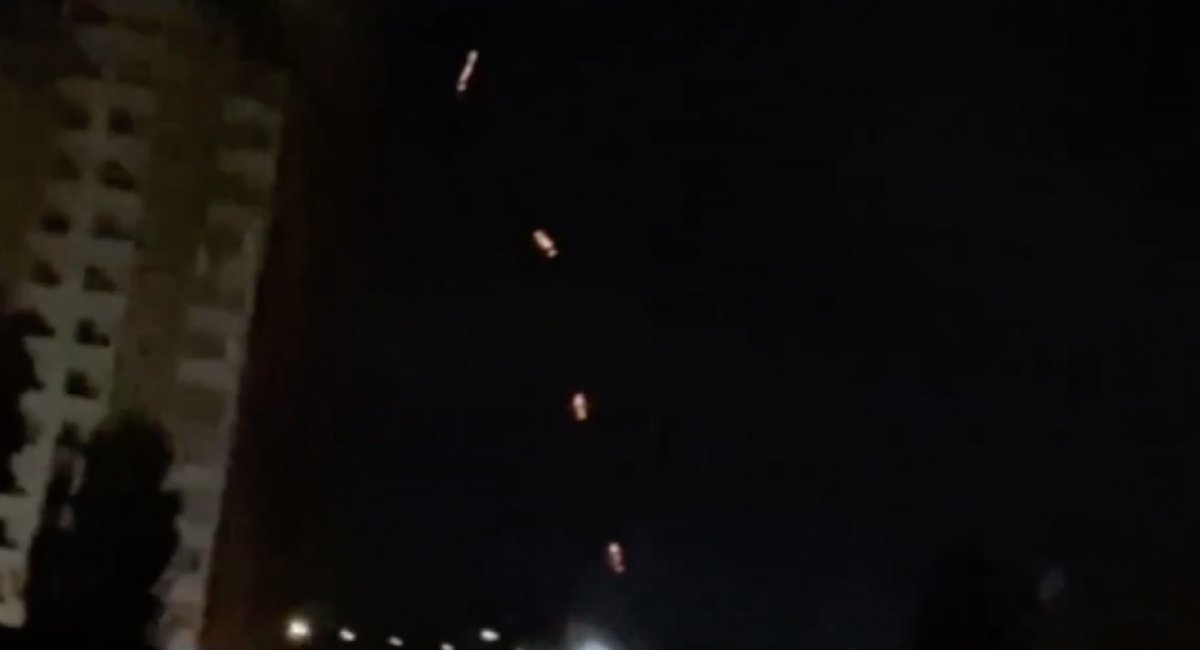
The discussion has renewed interest in what russia may be preparing for future Oreshnik launches. Available evidence suggests that the missile has so far carried either mock nuclear warheads or heavy decoys designed to simulate payloads and support missile-defense penetration testing. No known launch has demonstrated the missile's most significant feature, its multiple independently targetable reentry vehicle capability.
In previous launches, all 36 objects reportedly fell in closely grouped clusters, indicating that the missile's post-boost vehicle, often referred to as the "bus", was not used to distribute warheads across separate targets. Such a configuration would make little sense in a nuclear strike scenario, where the primary advantage of MIRV technology is the ability to attack multiple targets hundreds of kilometers apart with a single missile.
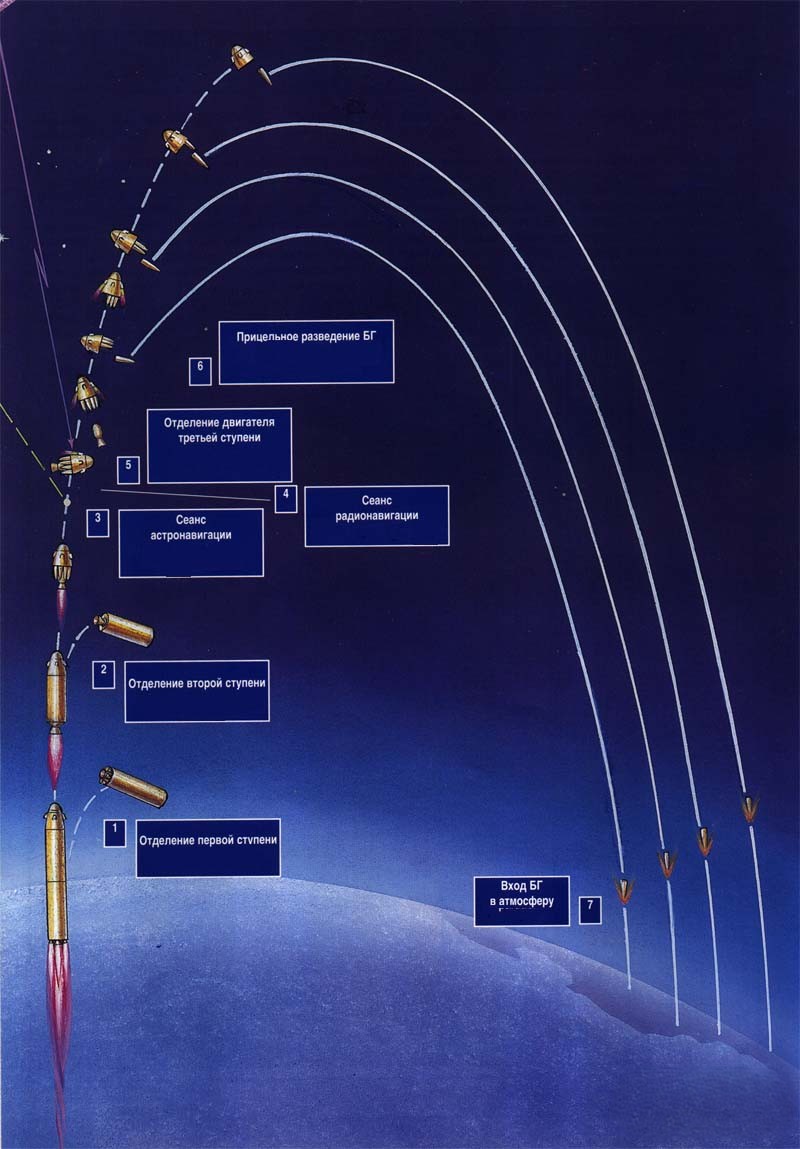
As a result, future Oreshnik tests are expected to focus on validating this missing capability. Demonstrating successful separation and independent targeting of warheads would represent a major step toward proving the missile's intended operational role and would provide valuable data on its true performance.
Should russia proceed with such tests, the implications could be significant. Instead of threatening a single city or installation, a single Oreshnik launch could potentially place multiple targets across a wide geographic area at risk, reflecting the missile's intended function as a strategic strike system rather than a conventional battlefield weapon.
Read more: Impact Site Analysis Challenges russian Claims About Oreshnik's "Kinetic Superweapon"