


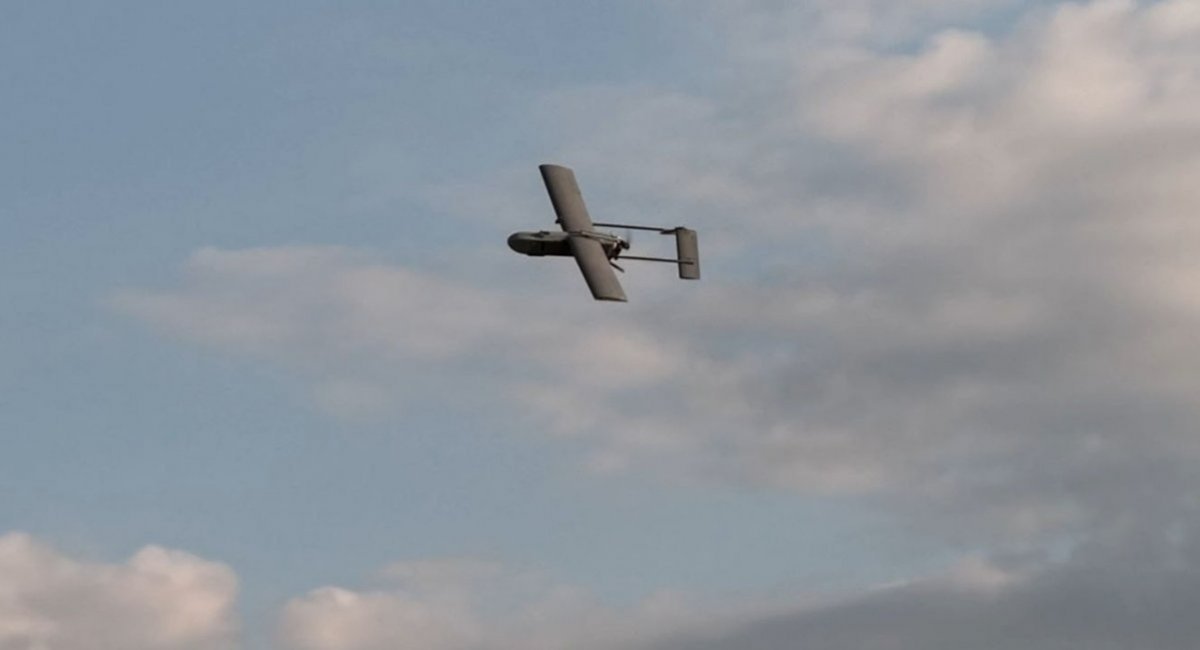
russian sources report that, on the previous evening, Ukrainian forces deployed drones armed with graphite bombs to strike targets in the occupied part of Donetsk region. This has drawn attention to the nature of these munitions and their potential impact.
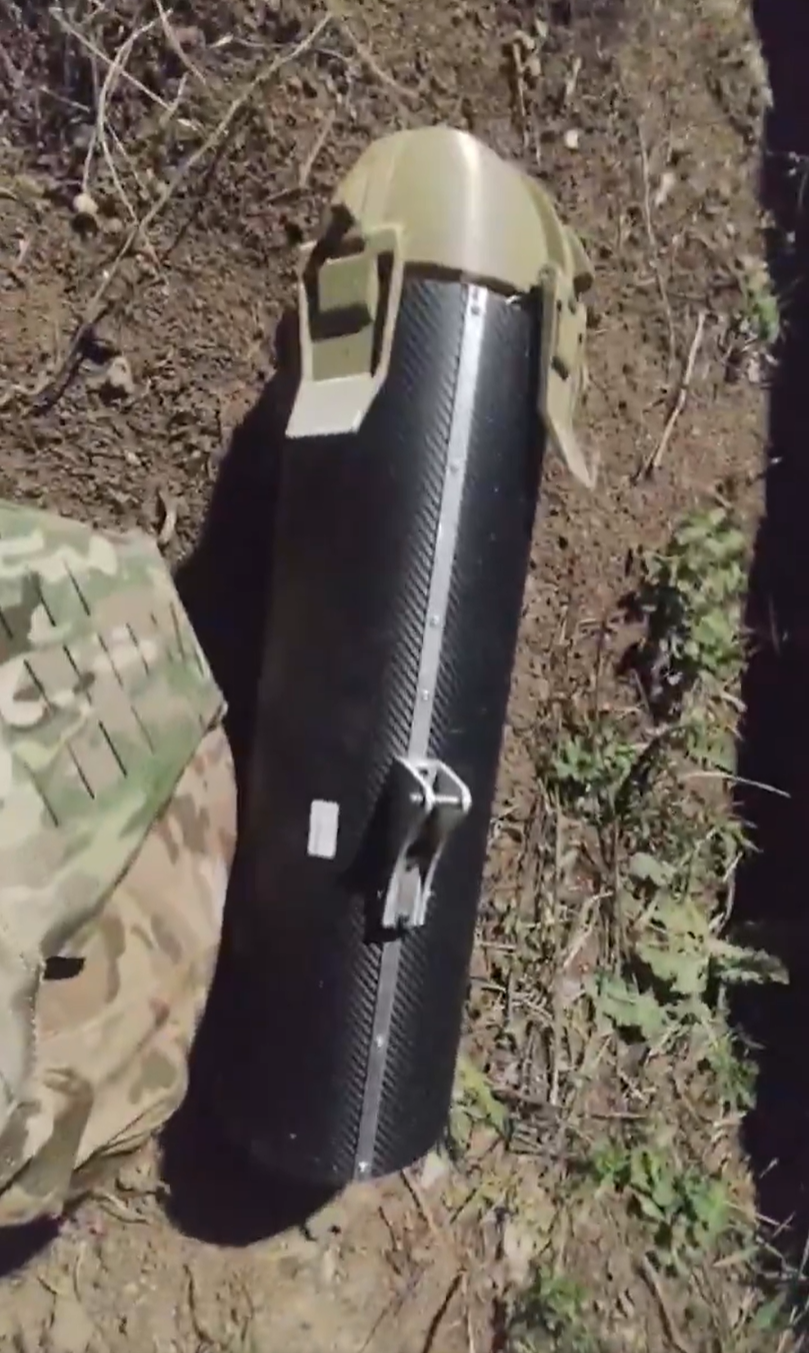
As alleged evidence, russian sources released footage showing unmarked munitions with an unusual design.
Read more: Ukrainian Forces Hit Oil Terminal in Novorossiysk, Damage Be-12 Aircraft in Crimea
In general, a graphite bomb refers to a cluster munition containing dozens of submunitions filled with fine conductive graphite filaments. After deployment, these submunitions disperse the filaments over a wide area at a certain altitude.
However, it is more likely that the drones in question were equipped not with cluster munitions but with conventional warheads filled with similar graphite filaments. In this case, it would be more accurate to describe them as drones carrying graphite-based warheads.
Weapons of this type are intended to target energy infrastructure, including power plants, transformers, and transmission lines. Because graphite filaments conduct electricity, they can cause short circuits when they settle on such equipment, disabling critical systems.
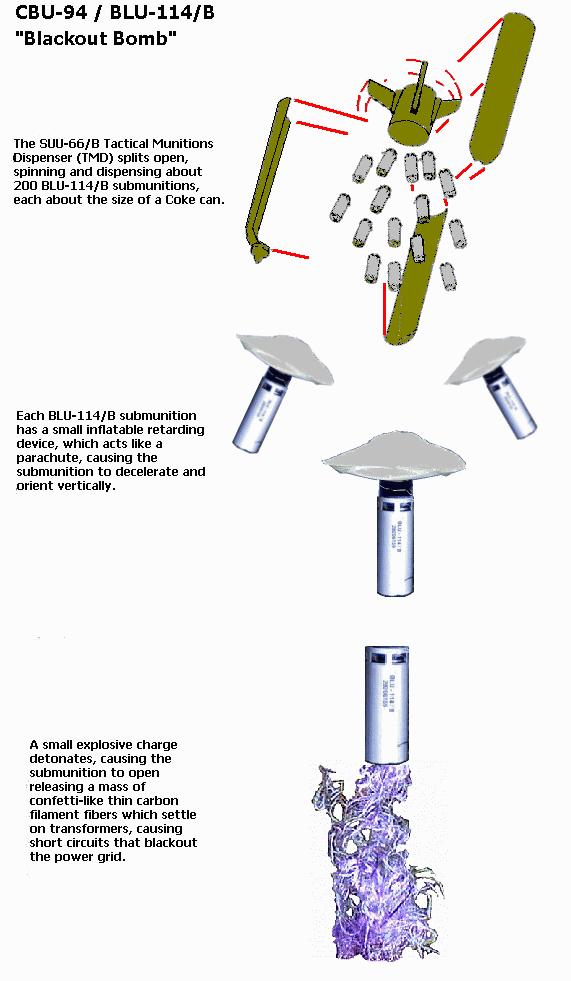
This makes it possible to disrupt power grids without physically destroying infrastructure and with reduced risk to civilian populations.
Such weapons are not new. They were widely used in Iraq during the 1990–1991 Gulf War, reportedly disabling up to 85% of the country's power grid. Similar munitions were also used in Yugoslavia in 1999, affecting around 70% of the electrical system. More recently, they have reportedly been used in strikes against Iran.
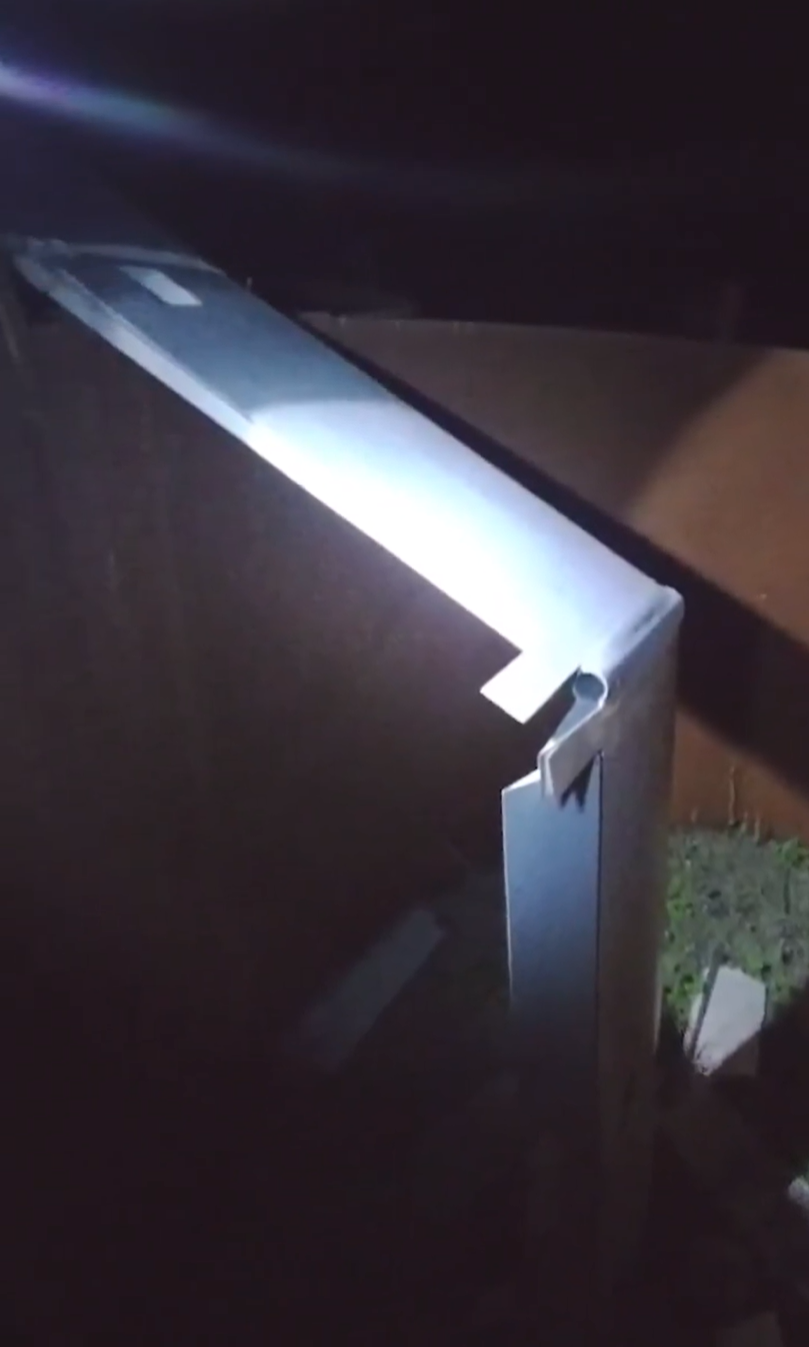
Based on published images of debris, these graphite-based warheads could potentially be used on Ukrainian deep-strike FP-1 or mid-range FP-2 drones produced by Fire Point.
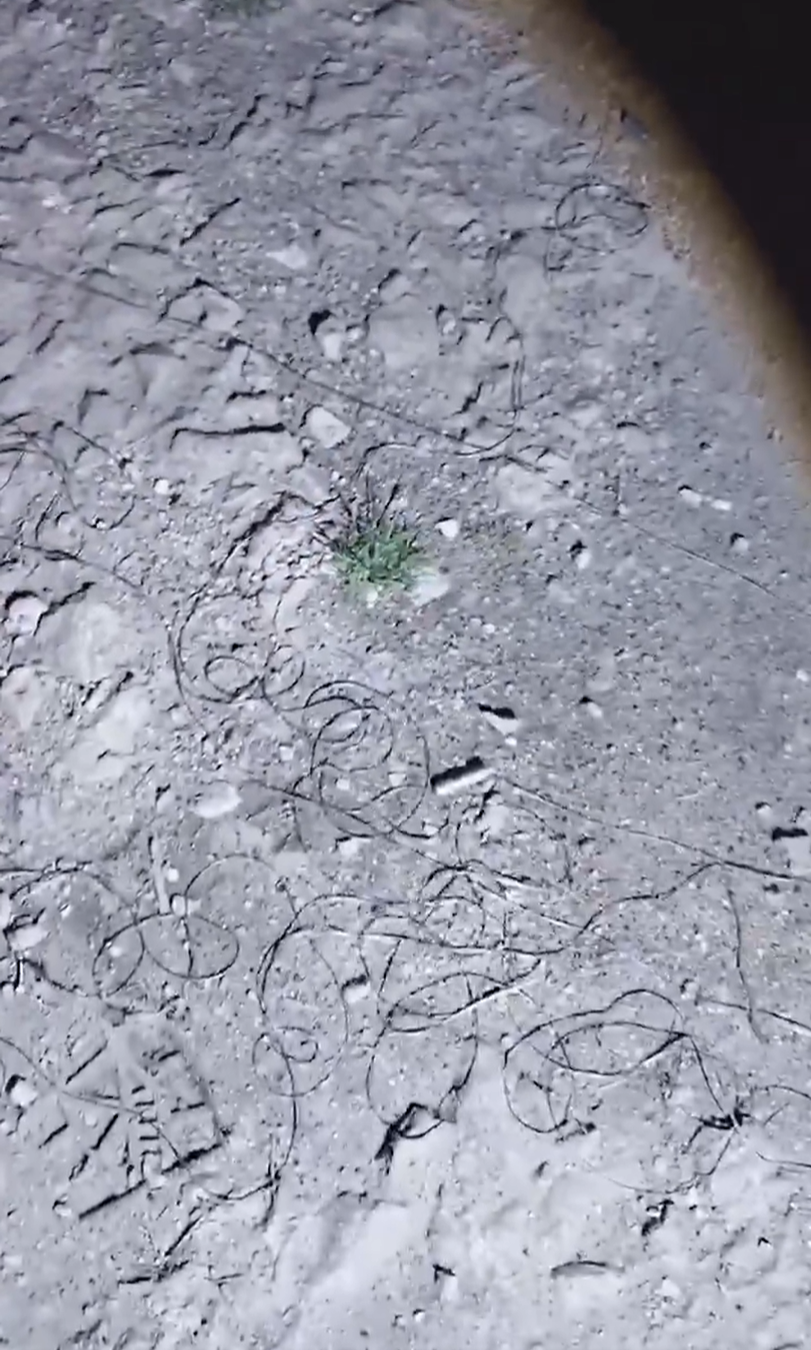
However, it should be emphasized that there is currently no official confirmation of such warheads being used on Ukrainian drones. The filament-like elements shown in russian-sourced images could also be parts of the warhead casing, the drone structure, or unrelated debris.
Read more: Ukraine Strikes Admiral Makarov, russia's Last Kalibr-Capable Frigate in Black Sea