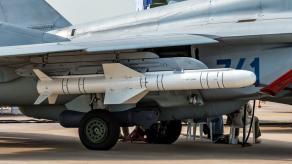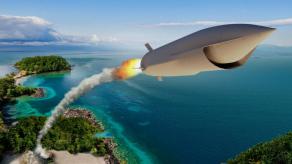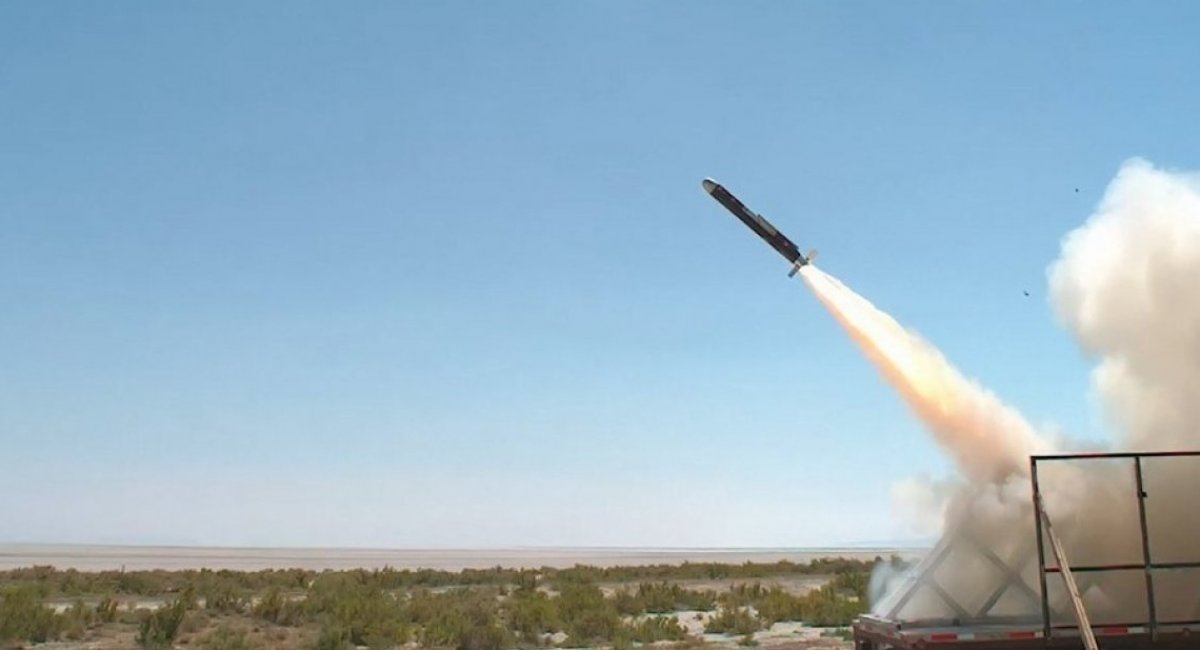
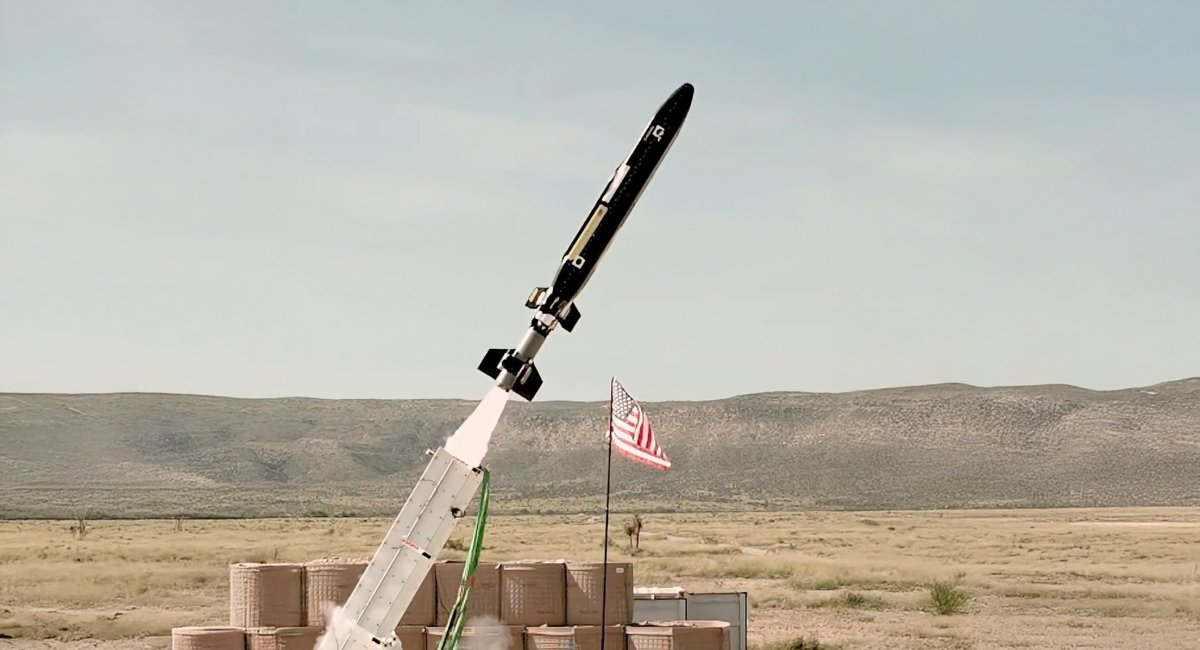
Northrop Grumman has announced that its Jackal cruise missile has completed key flight tests. During the trials, Jackal confirmed the technical readiness of its airframe, propulsion system, and navigation and autopilot systems.
Jackal is a small cruise missile with a total weight of just 36.5kg. Despite that, it is powered by a jet engine capable of driving it to 650 km/h, with a maximum range of 100km when launched from the ground and 125km when launched from the air.
Read more: Europe's AEW&C Gap Is Closing — Saab GlobalEye Is Becoming Continent's Default Choice
For guidance, Jackal is equipped with an AI-enabled thermal imaging camera, allowing the missile to autonomously detect and identify targets within a designated area before engaging them.
The warhead, however, weighs just 3kg, down from the 4.5kg previously announced, suggesting the missile shed 1.5kg during development for reasons that have not been disclosed.
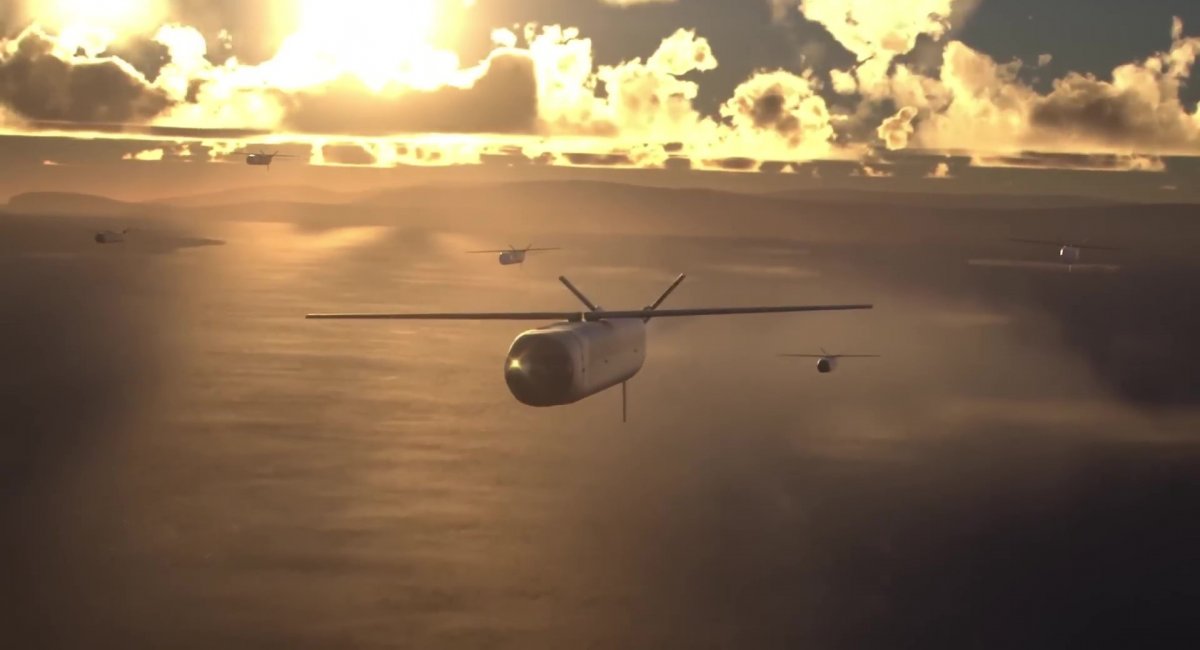
That figure naturally raises the question of what Jackal is actually for. A warhead that small is insufficient against hardened targets.
It is, however, more than adequate against tanks, to say nothing of air defence systems, electronic warfare platforms, vehicles, and communications equipment. The intended theatre of operations is also worth considering.
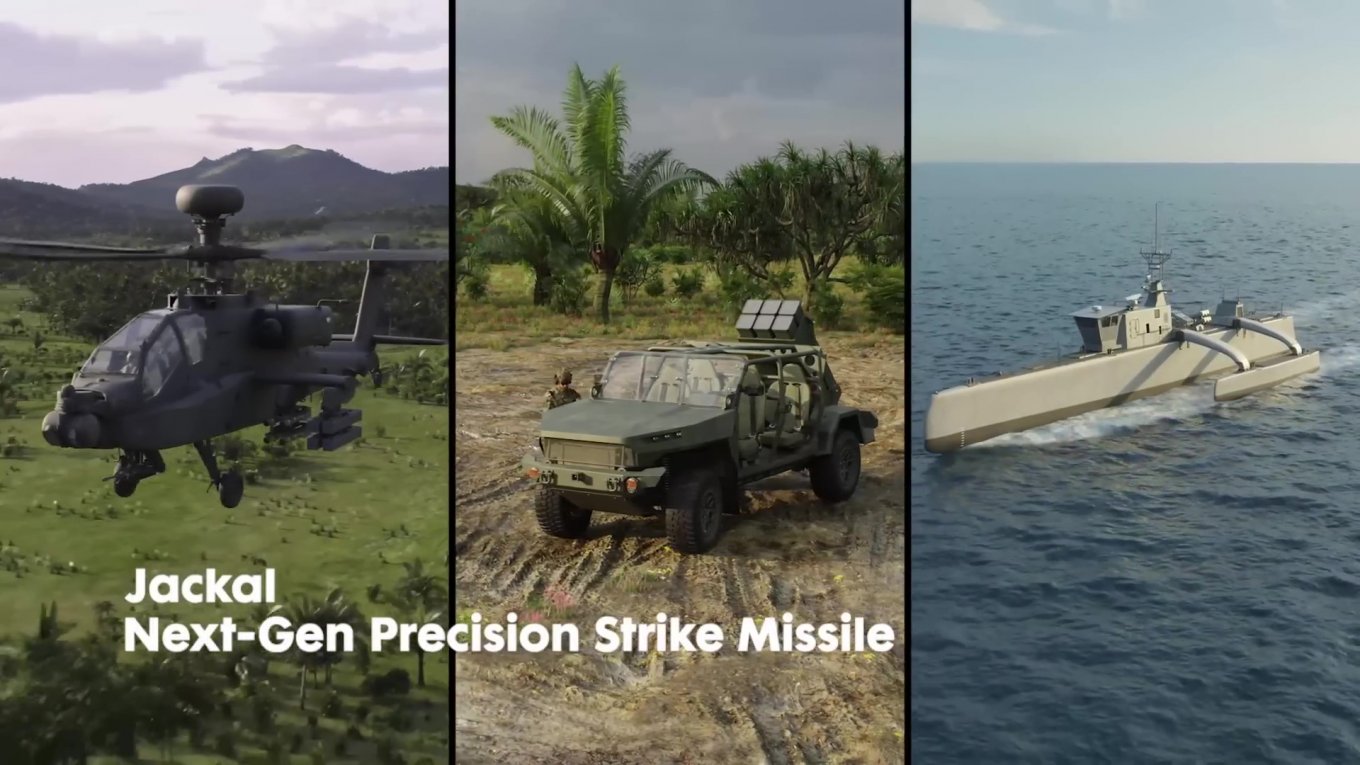
Jackal is designed for the Pacific, where China is the primary adversary. The People's Liberation Army fields large numbers of lightly armoured and amphibious vehicles, against which a 3kg warhead is entirely sufficient.
A 100–125km range also allows launch platforms to stay outside Chinese air defences and engage amphibious assault vehicles tens of kilometres from shore, well before they reach the beach.
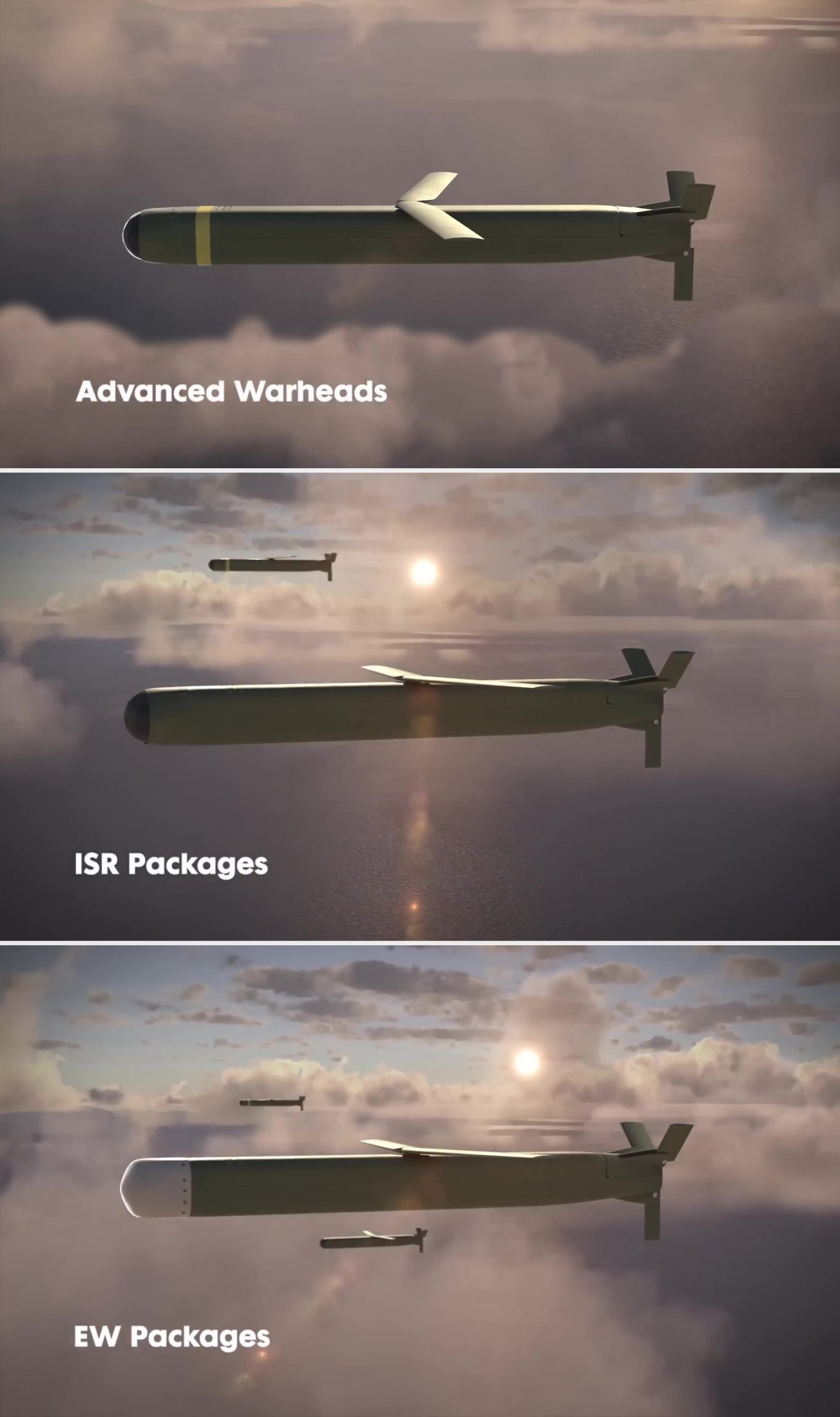
It is also worth noting that Jackal is not limited to direct strike thanks to its modular payload bay and up to 1 kilowatt of onboard power generation, it can also be configured for electronic warfare and reconnaissance roles.
Pricing has not been announced, but Jackal may prove less affordable than it appears potentially more expensive than Anduril's Barracuda family, the largest variant of which, the Barracuda-500, costs just USD 216,500, carries a 45kg warhead, and has a range of 900km. Northrop Grumman made no particular effort to optimise for cost.
It is also worth noting that Jackal was first unveiled in 2022 meaning development and testing have been ongoing for more than four years, with series production apparently still not underway. Anduril, by contrast, first showed its Barracuda in 2024 and is already mass-producing it, with manufacturing being stood up in multiple countries worldwide.
Read more: russians Admit Ukrainian Drones Are Successfully Hitting Concrete Aircraft Shelters Built to Protect Against ATACMS