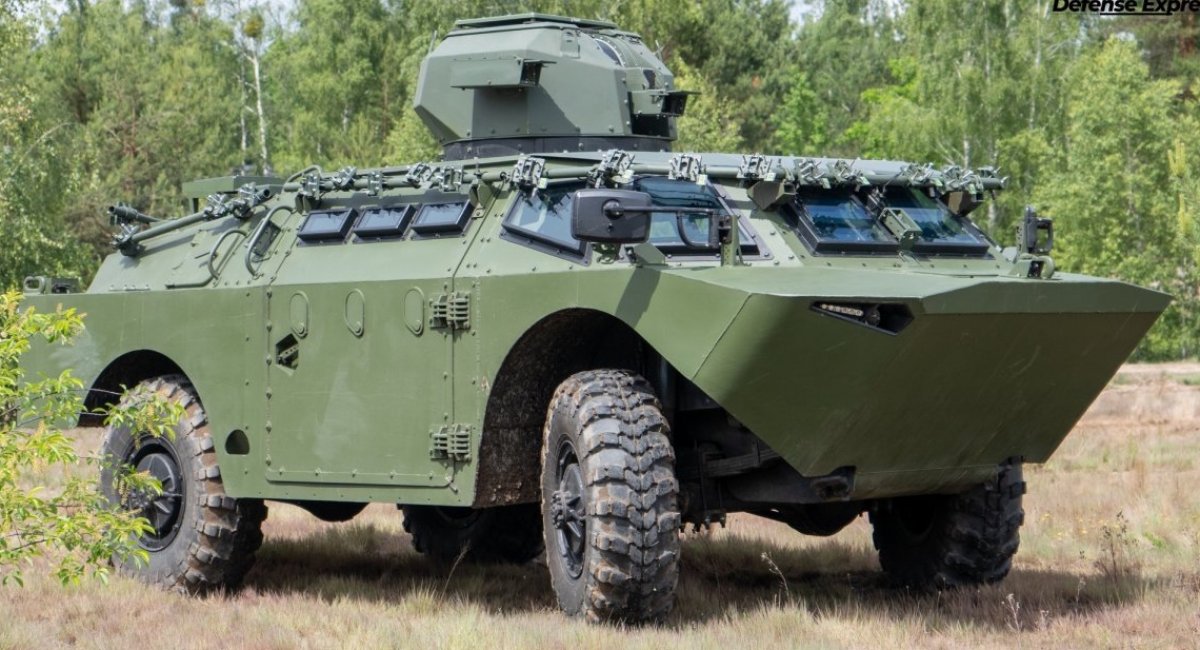
Ukrainian company ArmSpecTechnology has unveiled its new BRDM-2M upgrade for the first time, a configuration that differs radically from the baseline BRDM-2 and now includes an optionally unmanned capability. Alongside this, the BRDM-2M marks the first public showing of an active protection system designed to counter drone threats.
The system is intended to engage strike drones, FPV drones in particular, during their final approach before impact. It is one of the first Ukrainian anti-drone active protection systems of this type to be shown as a physical, hardware reality rather than a concept.
Read more: russia Is Suing Rheinmetall for €47M Over, Training Centre It Used to Prepare Troops for 2022 Invasion
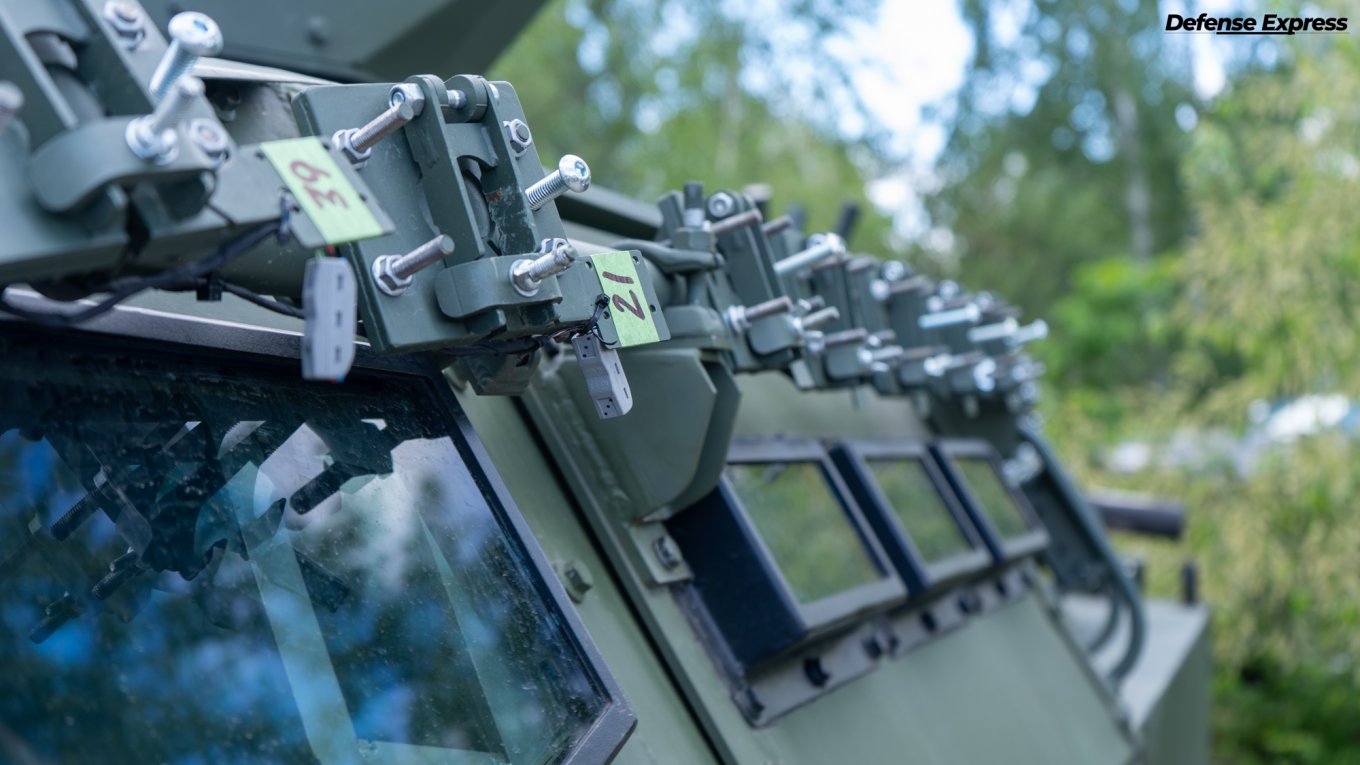
The system intercepts threats using anti-drone nets, deployed from 32 launchers positioned around the entire vehicle and oriented in different directions to provide coverage across the widest possible range of attack angles.
Threat detection is handled by camera units, though the developers have indicated that additional detection means may be integrated in future. For now the system has been presented specifically for the BRDM-2M, though it is reasonable to expect it could eventually be fitted to other platforms given its modular design.
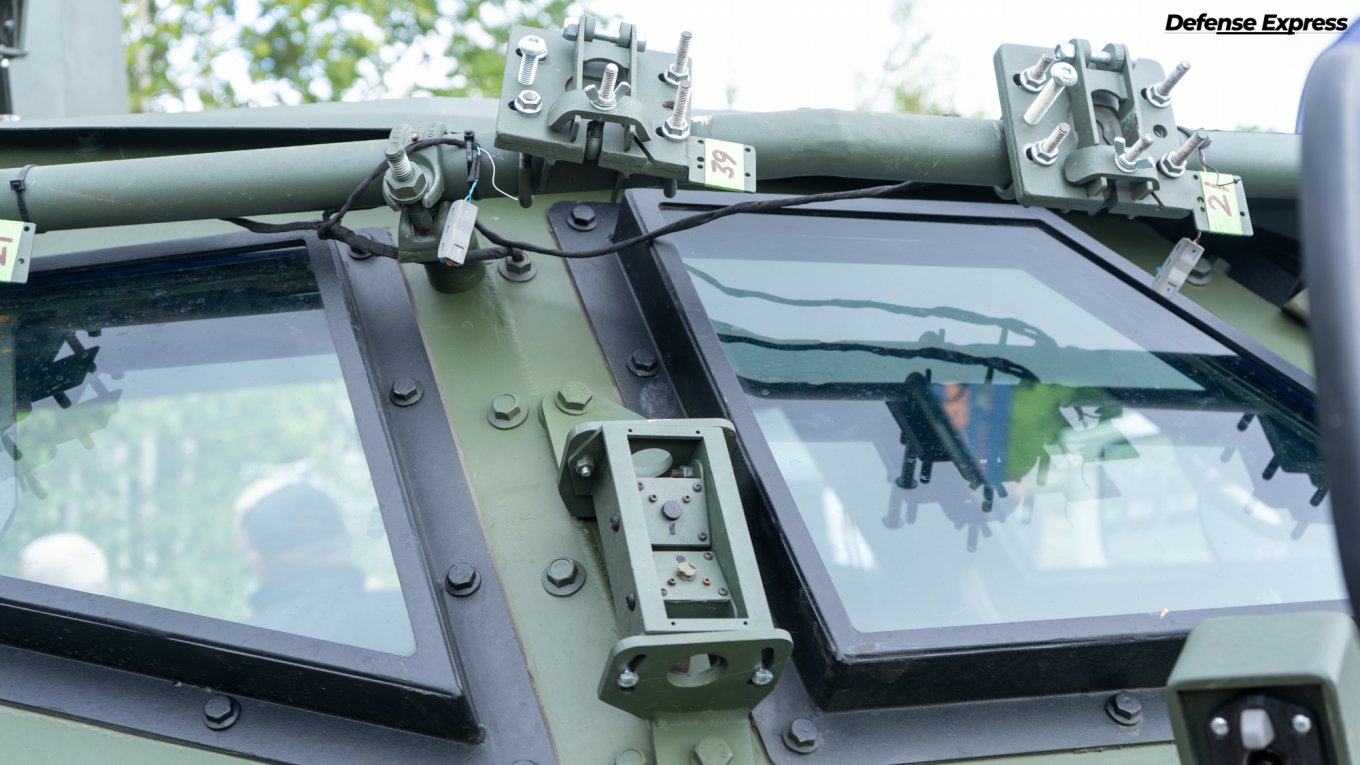
The system's relatively compact and modular construction also allows it to be mounted on top of existing cage armour, providing an additional layer of protection should the net munitions be expended or an FPV drone manage to slip through, for instance, via multiple consecutive attacks from the same angle.
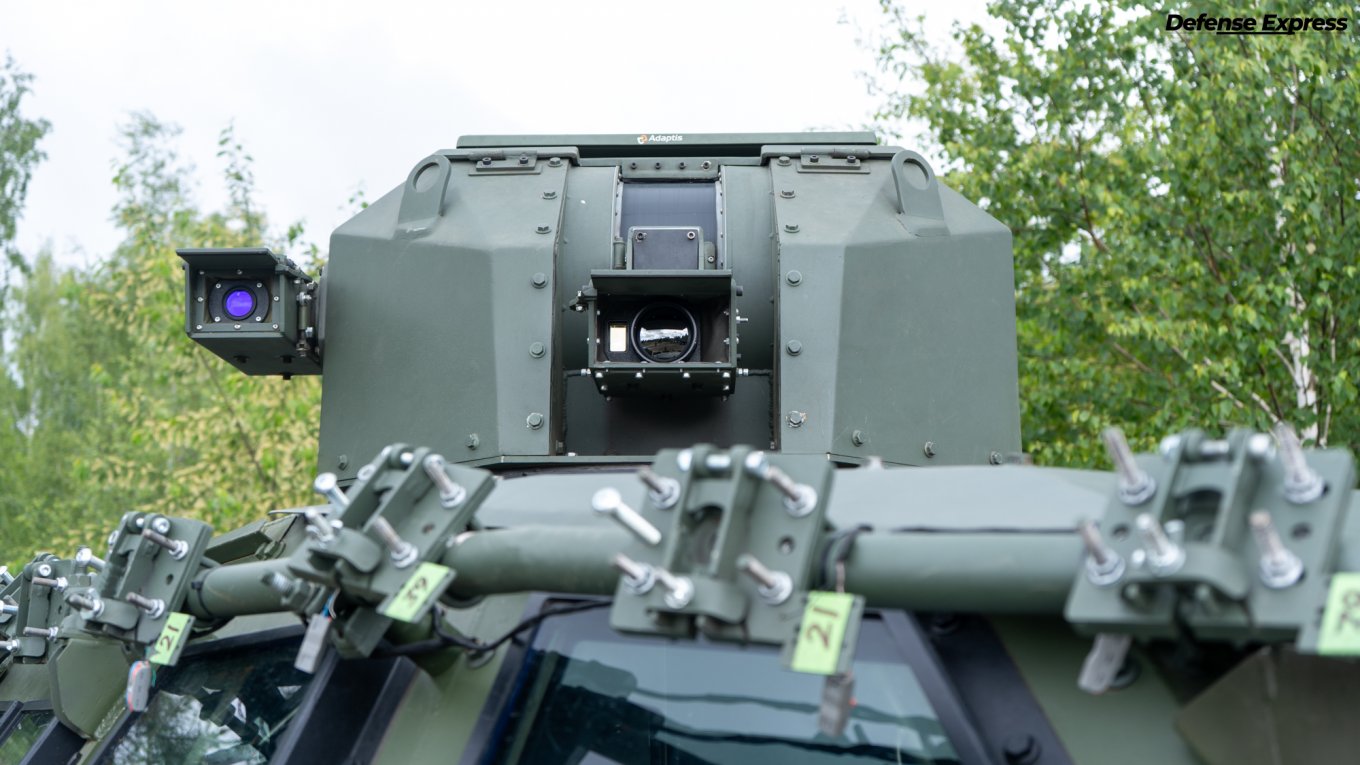
Even so, the system would substantially complicate the task for enemy drone operators and meaningfully improve crew survivability. Combined with cage armour, electronic warfare systems, and active protection in parallel, a vehicle would become an exceptionally difficult target.
Critically, this active protection system exists not only on paper, it has already been built in hardware and tested at a proving ground. Company representatives shared test footage with Defense Express, in which a moving BRDM-2M is attacked by an FPV drone from the side.
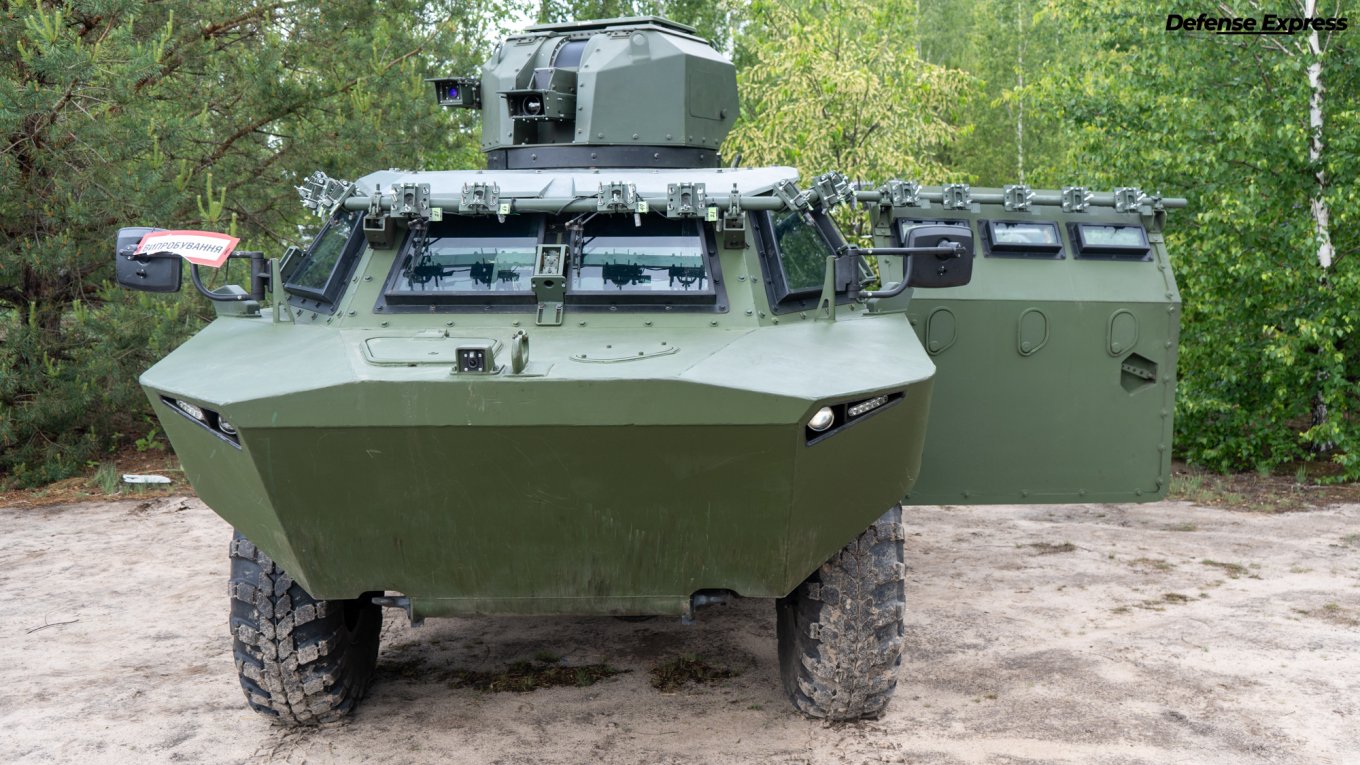
The system detected the threat, launched a net, and intercepted the drone before impact; the drone continued on a short distance by inertia before coming down several metres from the vehicle.
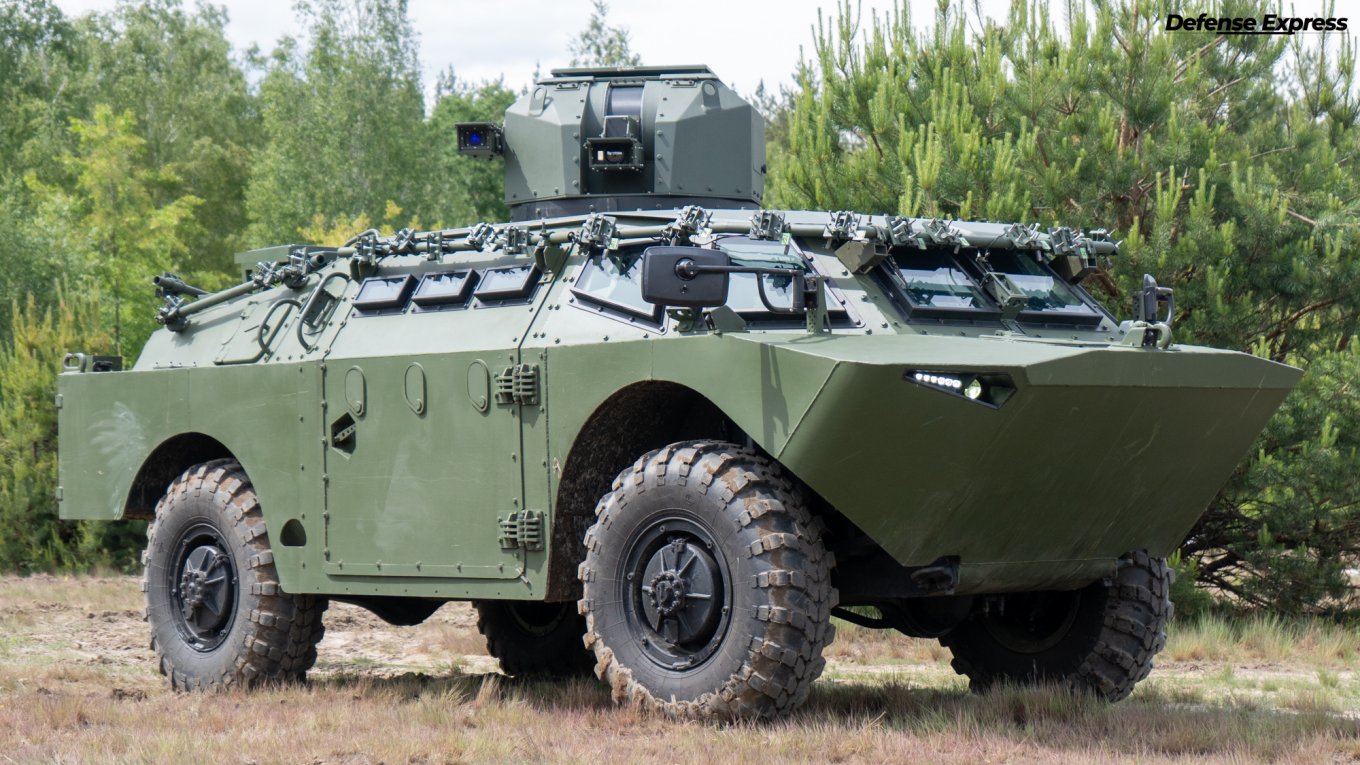
Pricing has not yet been announced, though the materials used are relatively accessible, suggesting the cost is unlikely to be prohibitive. The system remains in active development, however, so final details will have to wait.
Read more: Why Second Known Launch of FP-7 Ballistic Missile Matters So Much, What Ukraine Was Really Testing